What Happens During Knee Replacement Recovery Week by Week

✅ Medically reviewed | Updated August 2026
Knee replacement recovery follows a fairly predictable path, though pain and healing speed vary between patients. Most people regain solid mobility within a few months, while complete healing can take up to a year. Some soreness, swelling and stiffness are expected companions along the way, not signs of failure.
Understanding what counts as normal, and what signals a genuine problem, removes much of the guesswork. Recovery rarely moves in a straight line, and accepting that early makes the slower weeks far less worrying.
What Knee Replacement Surgery Involves
Knee replacement surgery, medically termed knee arthroplasty, replaces damaged joint surfaces with an artificial implant. Surgeons remove worn cartilage and bone, then fit a prosthesis made from metal and durable plastic components. The operation typically takes one to two hours under general or spinal anaesthesia.
Two main versions exist. Total knee replacement swaps out the entire joint surface, while partial knee replacement treats only the damaged section. Partial procedures suit patients with localised damage. Recovery tends to be shorter, since less tissue is disturbed during surgery.
Both approaches aim to relieve arthritic pain and restore movement. The choice depends on the extent of joint damage, age, and overall fitness, decided jointly with an orthopaedic consultant. Most candidates have exhausted conservative treatments, including medication, injections and physiotherapy, before considering surgery.
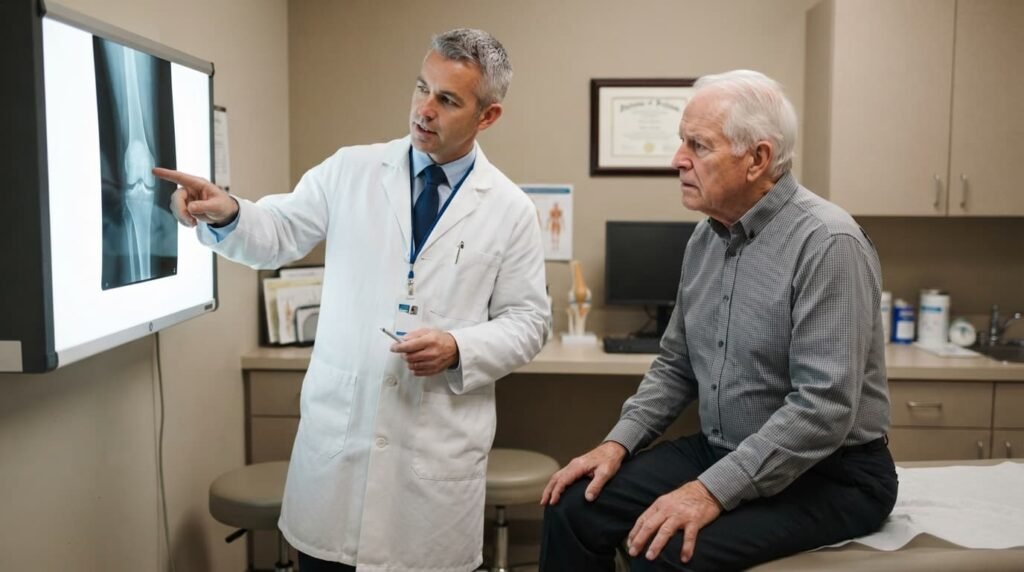
Osteoarthritis remains the leading reason for the procedure. Rheumatoid arthritis and past injury can also wear down a joint enough to justify replacement. Surgeons generally recommend waiting until pain genuinely limits daily function, since implants have a finite lifespan. Younger patients sometimes delay surgery for this reason, favouring conservative management first.
Pre-operative assessment usually includes X-rays, blood tests, and a general health review. Anaesthetists check fitness for surgery, while physiotherapists often explain exercises in advance. Preparing the body beforehand, through light strengthening and healthy weight management, tends to support a smoother recovery afterwards.
Practical Tips for a Smoother Recovery
Simple preparation before surgery often makes the following weeks considerably easier. Useful steps include:
- Clearing trip hazards such as loose rugs and trailing cables
- Arranging a raised chair or firm cushion for easier sitting and standing
- Placing essential items within easy reach to avoid repeated bending
- Organising help with shopping, cooking, and transport for the first fortnight
A short-term plan for pets, stairs, and pain relief timing removes unnecessary stress during the most demanding early days. Small adjustments made in advance often prevent avoidable setbacks later.
Knee Replacement Recovery Timeline Week by Week
Healing unfolds in stages, each with different pain levels and physical milestones. Knowing roughly what to expect at each point helps patients judge their own progress fairly.
First Few Days After Surgery
Pain peaks in the first 48 to 72 hours after the operation. Strong medication controls discomfort while nurses encourage early standing and short supported walks. Swelling and bruising around the joint are expected during this early phase.
Many patients leave hospital within one to three days, sometimes using a frame or crutches. Ice packs and elevation help manage the initial swelling at home.
Week 1 to Week 2
Pain gradually eases, though the joint remains tender during movement and exercise. Stitches or staples are typically removed around the two-week mark during a follow-up check. Gentle bending exercises begin under supervision, aiming to restore basic range of motion.
Fatigue is common during this stage, since healing draws heavily on the body’s energy reserves. Short, frequent walks tend to work better than long single sessions.
Week 3 to Week 6
Mobility improves noticeably, but discomfort can spike during physiotherapy sessions that push the joint further. This stretch often surprises patients. Knee replacement pain worse at 6 weeks can feel like a step backwards rather than progress. It usually reflects tissue adjusting to increased demand, not new damage. Physiotherapists often increase exercise intensity right around this point.
Most patients reduce reliance on walking aids somewhere within this window. Exact timing still varies widely between individuals, depending on strength and confidence.
Week 7 to Week 12
Most people walk without support and manage stairs more comfortably by this stage. Residual soreness after longer activity remains common but continues shrinking week by week. Strength and balance training typically intensify during this period.
Many patients return to light work or driving around this point, subject to surgeon approval and individual recovery speed.
Three Months to One Year
Pain becomes minimal for the majority of patients by the three-month mark. Some report mild, intermittent aching for knee replacement pain one year later. Cold weather or unusually active days can trigger this lingering discomfort. This late-stage soreness typically settles without further intervention, though ongoing strengthening exercises help.
Pain After Knee Replacement: What’s Normal
Pain after knee replacement is an expected part of healing, not a sign that something has gone wrong. The surgical trauma, combined with the body’s natural inflammatory response, produces soreness that fades gradually as tissue repairs itself.
How Long Does Pain Last After Knee Replacement
Sharp surgical pain usually settles within six weeks. Milder, activity-related discomfort can persist for three to six months as strength rebuilds. A small number of patients notice faint aching for up to a year, and that alone rarely signals a complication. Persistent severe pain beyond twelve months warrants a specialist review. It may point to an underlying issue rather than ordinary healing.
Knee Replacement Pain at Night

Knee replacement pain at night is common in early recovery. Reduced distraction and pressure from bedding against the healing joint often worsen it. Elevating the leg, using a pillow between the knees, and applying ice before bed can ease this discomfort considerably. Pain that consistently disrupts sleep for months, however, deserves medical attention rather than being managed alone.
Nerve Pain After Knee Replacement
Nerve pain after knee replacement stems from small skin nerves disturbed during the surgical incision. Surgeons take care to protect the major nerves of the leg. Tiny sensory branches near the skin, however, are harder to avoid entirely.
Neuropathic Pain Knee Surgery: Causes and Duration
Neuropathic pain knee surgery patients often experience burning, tingling, or heightened sensitivity around the scar. Sensations can flare when fabric touches the skin, particularly at night when distraction fades. This nerve irritation typically resolves within two to six months as tissue settles and nerve endings recover.
Persistent burning beyond six months to a year should be discussed with a surgeon. Targeted medication can help calm overactive nerve signals in these cases. Physiotherapy techniques, including desensitisation exercises, also play a supporting role in recovery.
Swelling and Stiffness After Knee Replacement

Swelling after knee replacement peaks in the first fortnight and gradually reduces over several months. Standing for long periods, warm weather, and increased activity can all cause temporary flare-ups even well into recovery. Elevation, compression, and rest usually settle mild swelling within a day or two.
Stiffness after knee replacement often accompanies swelling, especially first thing in the morning after a night of reduced movement. Gentle movement loosens the joint faster than prolonged rest, even when it feels counterintuitive.
Ice or Heat for Knee Pain After Surgery
Deciding between ice or heat for knee pain after surgery depends largely on the stage of healing. Ice reduces inflammation and works best in the early weeks or immediately after activity. Heat relaxes tight muscles and suits later recovery, particularly before stretching sessions. Alternating both, guided by comfort and response, often produces the best results overall.
Knee Replacement Physical Therapy
Knee replacement physical therapy plays a central role in restoring strength, flexibility, and confidence in the joint. Structured exercises begin within a day or two of surgery and progress steadily over several months.
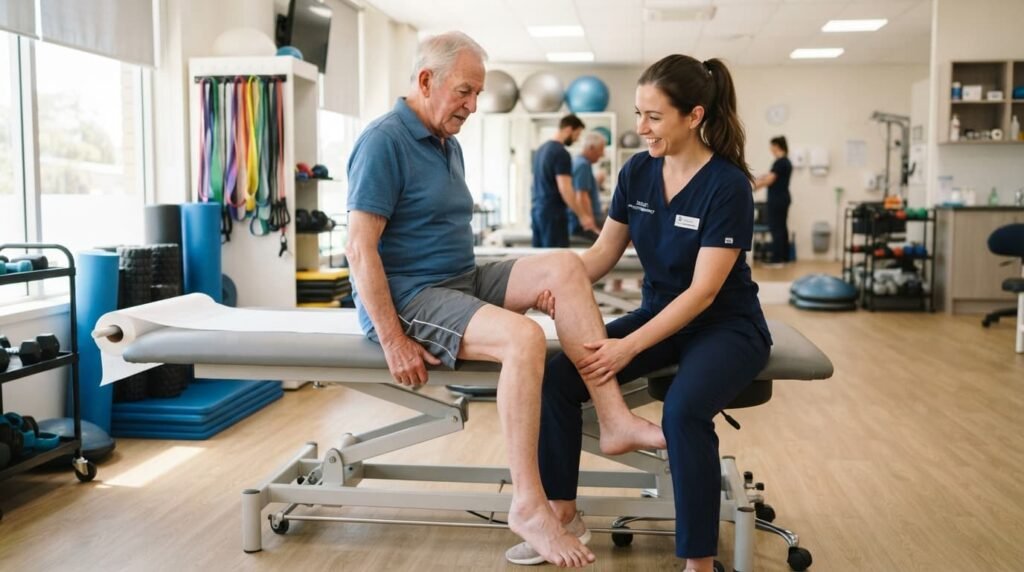
A typical programme includes:
- Range-of-motion exercises to prevent stiffness from setting in
- Quadriceps and hamstring strengthening for joint support
- Balance training to reduce fall risk during daily tasks
- Gradual return to walking, stairs, and household activities
Sessions usually run several times weekly during the early months, tapering as strength returns. Skipping sessions slows progress considerably and can extend overall recovery time. Further joint health guidance is also available on the Dr SNA Clinic YouTube channel.
Returning to Work, Driving and Daily Activities
Most desk-based workers return within six to eight weeks, while physically demanding roles often need three months or longer. Driving typically resumes once reaction time and knee bend feel confident, usually around six weeks for an automatic car.
Household tasks can restart gradually, beginning with light duties and building up steadily. Climbing stairs one step at a time initially is entirely normal, with a smoother technique returning by roughly eight weeks. Low-impact activities such as swimming and cycling often resume before higher-impact sports.
Travel, including flights, is usually possible after six weeks, though regular movement breaks during long journeys help reduce clot risk. Full return to sport depends heavily on the activity involved. Gentle exercise often resumes within three months. High-impact pursuits such as running or football can take closer to a year.
Knee Replacement Complications to Watch For
Most recoveries proceed smoothly, but knee replacement complications occasionally arise and need swift attention. Recognising the pattern early tends to produce far better outcomes. Regular follow-up appointments give surgeons a chance to catch subtle changes before they escalate.
Signs of Infection After Knee Replacement
Signs of infection after knee replacement include worsening redness, warmth, and swelling around the wound rather than gradual improvement. Fever, chills, and pus-like drainage are additional red flags worth acting on quickly. Infection can develop early or, in rarer cases, years after surgery, so any sudden change deserves prompt review.
Blood Clot After Knee Surgery Symptoms
Blood clot after knee surgery symptoms include calf swelling, tenderness, and warmth in the lower leg. These signs usually appear on one side only. Sudden chest pain or breathlessness may indicate a clot has travelled to the lungs. This needs emergency care immediately, without waiting to see if it settles. Reduced mobility after surgery raises clot risk, which is one reason early walking matters so much.
Implant Loosening Symptoms and Knee Giving Way
Implant loosening symptoms include a grinding sensation, new instability, and pain that worsens rather than improves as months pass. Knee giving way after replacement, especially during weight-bearing movement, should never be dismissed as minor. Both patterns may point toward loosening or wear that requires imaging and specialist assessment.
When to Worry About Knee Pain After Surgery
Knowing when to worry about knee pain after surgery helps patients act quickly without unnecessary alarm over ordinary healing. Seek medical advice for:
- Pain that worsens after the two-week mark instead of easing
- Redness, heat, or swelling that spreads rather than shrinks
- Fever above 38°C or persistent chills
- Sudden sharp pain paired with a feeling of instability
- Calf swelling, tenderness, or breathlessness
Mild, gradually improving discomfort rarely needs urgent review, but any sudden change is always worth flagging early rather than waiting.
Knee Replacement Revision Surgery
Knee replacement revision surgery becomes necessary when implants wear out, loosen, or become infected beyond repair. Surgeons generally avoid revision within the first year, since ongoing healing can still resolve lingering pain naturally.
Revision procedures tend to be more complex than the original operation, often requiring longer recovery and more intensive rehabilitation. Patients not yet ready for a full procedure have other options worth exploring first. Non-surgical treatments such as Arthrosamid injections sometimes ease joint discomfort without another operation. This offers a useful bridge for suitable candidates.
What to Eat After Knee Replacement
Nutrition supports tissue repair and helps manage post-surgical inflammation during every recovery stage. Useful additions include:
- Protein-rich foods such as eggs, fish, and lean meat for tissue repair
- Omega-3 sources like salmon and walnuts to calm inflammation
- Vitamin C-rich fruit and vegetables to support wound healing
- Calcium-rich foods and adequate fluids for bone strength and circulation
Choosing anti-inflammatory foods consistently, rather than occasionally, produces the most noticeable benefit over several weeks.

Best Supplements for Knee Replacement Recovery
Among the best supplements for knee replacement recovery, glucosamine, turmeric, and omega-3 capsules feature most often in patient discussions. Evidence supporting each remains mixed across clinical studies. Checking with a GP before starting any supplement is sensible, particularly alongside prescribed medication that may interact.
Good hydration and consistent sleep also support tissue repair. Both are easy to overlook during a busy recovery schedule. Small, regular meals often suit reduced appetite better than large portions in the first fortnight.
Factors Affecting Knee Replacement Recovery
Several factors affecting knee replacement recovery influence how quickly pain and mobility improve after surgery:
- Pre-existing conditions, such as diabetes, can slow tissue healing and increase infection risk
- Age and fitness, since younger, active patients often recover faster, though age-related joint changes in older men can extend typical timelines
- Surgical complexity, with more extensive procedures generally needing longer healing
- Commitment to physiotherapy, which strongly predicts long-term outcomes and joint function
Frequently Asked Questions
How long does pain last after knee replacement?
Sharp pain typically eases within six weeks. Milder soreness fades gradually over three to six months as strength rebuilds. Occasional aching beyond a year is possible but rarely serious.
Is it normal for knee replacement pain to be worse at six weeks?
Yes. Increased physiotherapy intensity around this stage often causes a temporary pain spike. It usually reflects tissue adapting to greater demand, not new damage. Regular exercise through this phase supports long-term joint strength.
What’s normal after knee replacement in terms of swelling?
Mild swelling for several weeks is expected, especially after activity. Long periods spent standing can worsen it temporarily. Elevation and rest usually settle a flare-up within a day.
When should someone worry about knee pain after surgery?
Worsening pain, spreading redness, or fever all warrant prompt medical review. Sudden instability or breathlessness needs urgent attention as well. Gradual, mild discomfort rarely signals a genuine problem.
Is knee giving way after replacement serious?
Any sense of instability should be assessed promptly by a specialist. It can indicate implant loosening or simple muscle weakness. Strengthening exercises often resolve mild cases without further intervention.
Does nerve pain after knee replacement ever become permanent?
Most nerve-related discomfort resolves within six months. A small number of cases take longer, sometimes up to a year. Persistent burning warrants a specialist review and possible medication.
How long does swelling after knee replacement usually last?
Noticeable swelling often continues for two to three months after surgery. Subtle puffiness can linger for up to a year in some patients. Ice, elevation, and rest help manage flare-ups throughout.
Can knee replacement pain management include exercise as well as medication?
Yes. Gentle, guided movement often reduces pain more effectively than rest alone. Physiotherapy, ice, and medication work best when combined rather than used separately. A personalised plan supports steadier long-term recovery.
When is knee replacement revision surgery typically considered?
Surgeons usually wait at least twelve months before considering it. Infection or mechanical failure can prompt earlier action in some cases. Most patients never need this additional procedure at all.
Knee replacement recovery varies from patient to patient, though most see steady improvement across the first year. Recognising normal healing, alongside genuine warning signs, supports confident decisions at every stage. Mr Syed Nadeem Abbas guides patients from initial assessment through full rehabilitation. Personalised, timely advice remains the safest route through an uncertain healing period.
Read more: Private Healthcare Vs NHS: Which Option Should Patients Choose
Read more: Subchondral Sclerosis in Knee Osteoarthritis Causes Stiffness And Bone Thickening