Knee Pain in Men Over 60 – Exploring the Condition and Available Treatments

As men age, knee pain becomes increasingly common, especially for those over the age of 60. Knee pain in men over 60 is caused by a combination of natural wear and tear on the joints, age-related degeneration, and medical conditions such as osteoarthritis. The knee joint, which bears much of the body’s weight, is especially vulnerable to these factors. Fortunately, there are modern treatment options, such as Arthrosamid injections, that offer significant relief and restore joint mobility. This article will explore the primary causes of knee pain in elderly men, the risks it presents, and the most effective treatments available to improve both joint health and overall quality of life.
Arthrosamid injections London provides a non-surgical solution for those seeking effective knee pain relief..
Causes of Knee Pain in Men Over 60
As men age, they are more likely to experience knee pain, which can severely affect their daily activities and mobility. The knee joint is highly susceptible to damage over time, especially in older adults. Understanding the common causes of knee pain in men over 60 is crucial for identifying the right treatment options.
Osteoarthritis: The Leading Cause of Knee Pain
Osteoarthritis is the most common cause of knee pain in men over 60. This degenerative joint disease occurs when the cartilage that cushions the bones in the knee joint deteriorates over time. As the cartilage breaks down, the bones begin to rub against each other, leading to pain, swelling, and stiffness.
Knee osteoarthritis in men often worsens due to factors like obesity, past knee injuries, and genetic predisposition. As men age, the cartilage wear accelerates, increasing pain and limiting mobility. Without proper management, osteoarthritis can lead to chronic pain and a significant reduction in the quality of life.
Arthrosamid injections offer a non-surgical, long-lasting solution to manage knee osteoarthritis symptoms by restoring lubrication to the knee joint, reducing pain, and improving joint function.
Knee Injuries and Previous Trauma
In addition to osteoarthritis, previous knee injuries can contribute to ongoing knee pain in men. Injuries from younger years, such as ligament tears, meniscal damage, or fractures, may cause lingering pain and stiffness in later life. These injuries can worsen over time due to age-related changes in joint health.
For example, a torn ligament or damaged cartilage from a past sports injury can lead to chronic knee pain and instability. This requires targeted treatment, including physical therapy and, in some cases, Arthrosamid injections, to reduce inflammation and restore function.
Weight Gain and Joint Stress
As men age, they may experience weight gain, which places additional stress on the knee joints. Excess body weight can exacerbate existing knee conditions, including osteoarthritis, and accelerate joint degeneration. Managing weight through diet and exercise can help reduce the strain on the knee joints and alleviate pain.
Muscle Weakness and Imbalance
As men get older, muscle mass and strength tend to decrease, which can lead to muscle weakness around the knees. Weak quadriceps and hamstring muscles increase stress on the knee joint, contributing to pain and instability. Strengthening exercises and physical therapy can help improve muscle strength and protect the knee joint.

Other Contributing Factors
- Genetic factors: Family history plays a role in knee osteoarthritis and other degenerative conditions.
- Inactivity: A sedentary lifestyle can result in weak muscles, contributing to knee pain.
- Repetitive Stress: Jobs or hobbies that require repetitive knee movements can cause stress on the joints, leading to pain and inflammation.
Risks Associated with Knee Pain in Men Over 60
Knee pain in men over 60 is not just a physical issue it can also have significant emotional and social consequences. The longer knee pain persists without treatment, the greater the risks of developing secondary complications.
Reduced Mobility and Independence
One of the most significant risks associated with knee pain in elderly men is reduced mobility. Chronic knee pain can make it difficult to perform simple tasks like walking, climbing stairs, or even standing up from a seated position. As mobility decreases, so does independence, which can negatively impact overall quality of life.
Increased Risk of Falls
Knee pain often leads to instability when walking, which increases the risk of falls. Falls are a major concern for elderly individuals, as they can result in fractures, sprains, or other serious injuries. Knee pain and weakness make it more difficult for men over 60 to maintain balance and prevent falls, particularly on uneven surfaces.
Depression and Mental Health Issues
Living with chronic pain can take a toll on mental health. Many elderly men who suffer from knee pain experience feelings of frustration, anxiety, and even depression due to their inability to engage in physical activities or maintain an active lifestyle. Mental health issues can compound the physical challenges of knee pain, creating a cycle of discomfort and emotional distress.
Medication and Non-Surgical Treatment Options For men over 60
In addition to Arthrosamid injections, there are several other medications and non-surgical treatments available for men over 60 dealing with knee pain.
Pain Relievers and Anti-Inflammatories
Over-the-counter medications such as ibuprofen or paracetamol can provide short-term relief from pain and inflammation. However, for long-term relief and to prevent further damage, treatments like Arthrosamid injections are more effective at addressing the root cause of the pain.
NSAID medications, including ibuprofen and naproxen, are commonly prescribed to reduce pain and inflammation in knee joints. While effective for temporary relief, prolonged use of NSAIDs can have side effects, such as stomach issues or kidney damage. Therefore, they are often used in conjunction with other treatments like injections for better long-term management.
Corticosteroid Injections
Corticosteroid injections are commonly used to reduce inflammation and provide temporary pain relief. These injections can be helpful for managing severe knee pain, but they should not be used too frequently due to potential side effects, such as cartilage damage with repeated use. Corticosteroids act quickly, but their effects are often short-lived.
Hyaluronic Acid Injections
Hyaluronic acid injections are another effective non-surgical treatment for knee pain, particularly for knee osteoarthritis. This treatment involves injecting a gel-like substance that mimics the natural fluid in the joint, providing cushioning and lubrication. Hyaluronic acid injections help improve joint mobility, reduce pain, and may slow the progression of osteoarthritis. Unlike corticosteroid injections, hyaluronic acid has minimal side effects and can be used over an extended period.
Arthrosamid Injections: The Ideal Non-Surgical Solution
Arthrosamid injections are one of the most advanced and highly effective non-surgical treatments for knee pain, particularly for those suffering from knee osteoarthritis. These injections provide long-lasting relief by restoring the natural lubrication and cushioning in the knee joint, mimicking the body’s synovial fluid. Arthrosamid injections help reduce pain, improve joint function, and allow men over 60 to regain mobility without the need for invasive surgery.
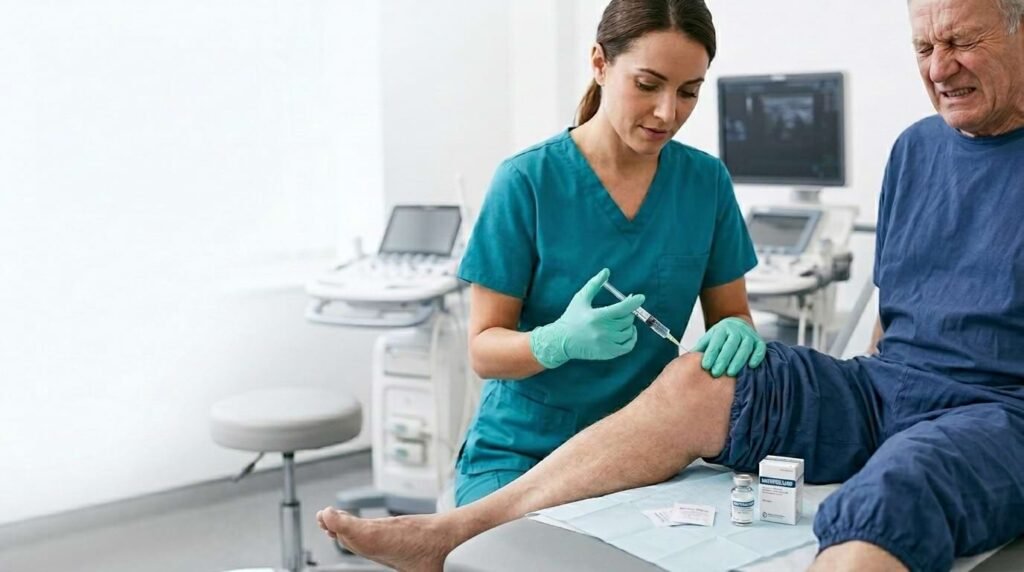
nlike corticosteroid and hyaluronic acid injections, Arthrosamid injections near me offer a longer-lasting effect, making them a popular choice for knee pain management in men over 60. The procedure is minimally invasive, and patients experience little to no downtime, making it an excellent solution for those who wish to avoid the risks and recovery time associated with knee replacement surgery.
Knee Replacement Surgery: A Last Resort
In cases where knee pain has become debilitating and other treatments have been ineffective, knee replacement surgery may be necessary. This procedure involves removing the damaged parts of the knee joint and replacing them with artificial components. Although knee replacement surgery has a high success rate in terms of pain relief and improved mobility, it is generally reserved for patients with severe, end-stage osteoarthritis.
Natural Remedies for Knee Pain
In addition to medical treatments, there are several natural remedies for knee pain that can help manage symptoms and improve joint health.
Weight Management
For men over 60, losing excess weight can significantly alleviate pain and slow the progression of knee osteoarthritis. A combination of a balanced diet and regular physical activity can help maintain a healthy body weight and improve overall joint health.
Heat and Cold Therapy
Applying heat or cold to the affected knee can provide temporary relief from pain and stiffness. Cold therapy (using ice packs) helps reduce inflammation and swelling, while heat therapy (using warm compresses or heating pads) can relax stiff muscles and improve circulation.
Exercise
Regular exercise is crucial for joint health in men over 50.
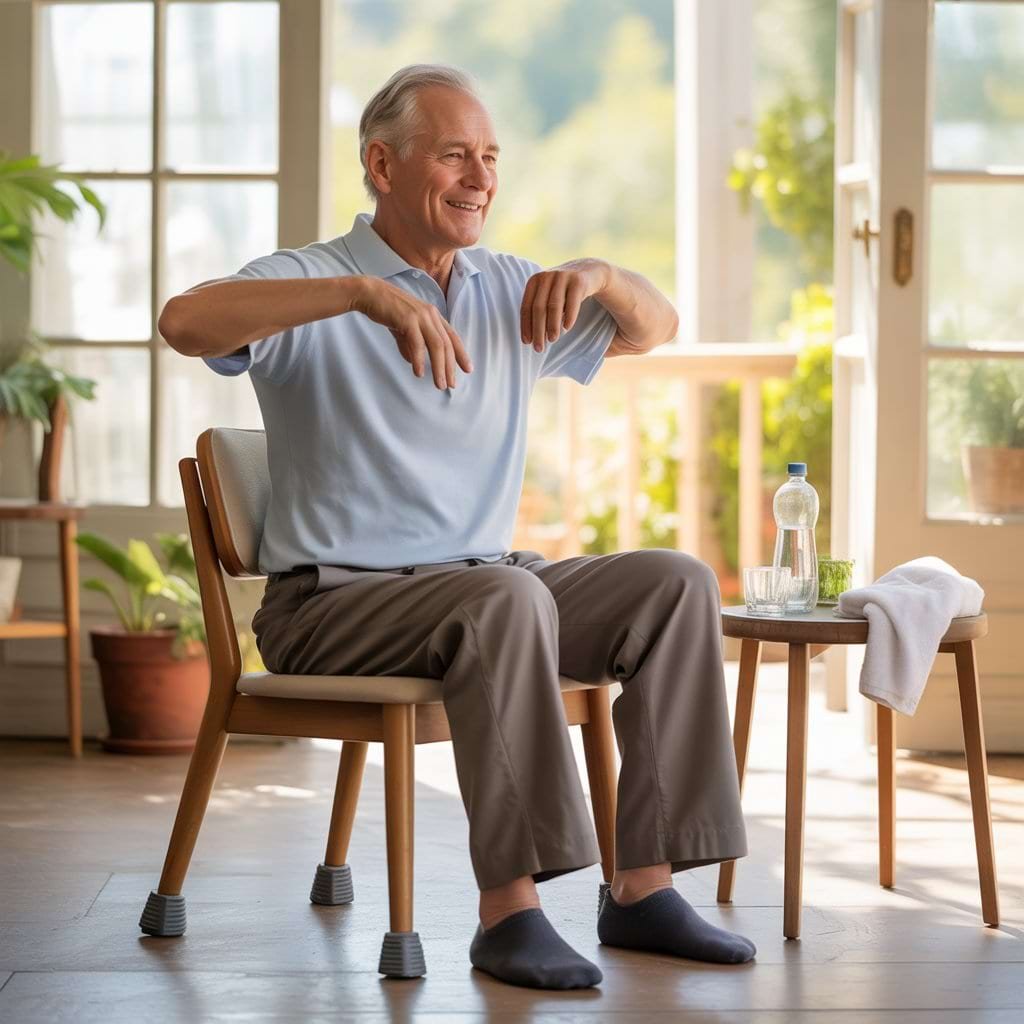
- Low-impact exercises, like walking or swimming, help strengthen muscles around the knees and hips without stressing the joints.
- Strengthening muscles (quadriceps, hamstrings) improves joint stability, reducing pain and enhancing mobility.
Incorporating these exercises into your routine can alleviate pain and improve overall joint health.
Top 5 Ways Men Over 50 Can Care for Their Joints
As men age, maintaining joint health becomes increasingly important. After the age of 50, joint pain, especially in the knees and hips, can become a common issue. Here are five effective ways for men to keep their joints healthy and active.
1. Regular Exercise to Strengthen Joints
Exercise is one of the best ways for knee pain in men over 50 to maintain joint health and mobility.
- Low-impact exercises like swimming, walking, or cycling are ideal for strengthening muscles without putting excessive pressure on the joints.
- Strengthening exercises for the muscles surrounding the knees, hips, and lower back can significantly reduce the risk of joint pain and improve overall joint function.
2. Maintain a Healthy Weight
Excess weight places unnecessary strain on your joints, particularly the knees and hips, which can lead to knee pain and osteoarthritis.
- Weight management helps alleviate pressure on the knee joints, reducing the risk of joint degeneration and improving joint mobility.
- Regular physical activity combined with a healthy diet can help men maintain an ideal weight, ultimately protecting their joints from further damage.
3. Joint Supplements to Improve Health
Joint health supplements can be an effective addition to your routine. Glucosamine and chondroitin supplements are commonly used to support joint health and reduce inflammation in the knees and other joints.
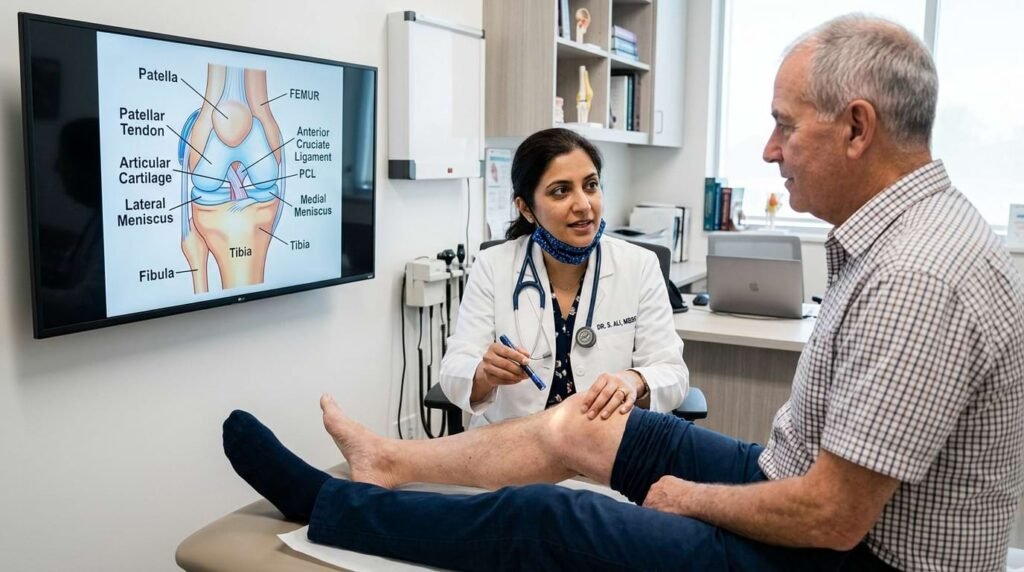
- These supplements may help slow down the progression of osteoarthritis and provide pain relief for knee osteoarthritis in men.
- Consult with your doctor to determine if joint supplements are a good option for you, based on your specific health needs.
4. Rest and Recovery
While staying active is important, rest and recovery play a crucial role in managing joint pain and preventing injuries.
- Active rest days are essential, especially for men over 50. Taking time to allow your body to recover from high-impact activities will help reduce the risk of overuse injuries.
- Incorporating stretching into your daily routine can also help improve flexibility and reduce joint stiffness, especially in the knees, hips, and lower back.
5. Non-Surgical Treatments for Joint Pain
For men experiencing knee pain in men or discomfort, non-surgical treatments like Arthrosamid injections or Hyaluronic acid injections can be highly effective in providing relief and improving joint function.
- Arthrosamid injections are designed to mimic the body’s natural synovial fluid, which lubricates the knee joint, helping to reduce pain and increase mobility.
- These injections are especially beneficial for men suffering from osteoarthritis and joint health issues, offering a minimally invasive solution that reduces pain without the need for surgery.
FAQ
Q1: What is the best treatment for knee pain in men over 60?
The best treatment depends on the severity of the knee pain. Non-surgical options like Arthrosamid injections and physical therapy are effective for many men over 60, while knee replacement surgery may be necessary for more severe cases.
Q: What is the cost of Arthrosamid injections for knee pain treatment?
Arthrosamid injections cost UK generally range from £200 to £400 per injection, depending on the clinic. Some clinics may offer discounts for a series of injections. It’s best to consult with a healthcare provider for a personalized treatment plan and exact pricing based on your needs.
Q2: How do Arthrosamid injections help with knee pain in men over 60?
Arthrosamid injections lubricate the knee joint and reduce inflammation, providing long-lasting relief for men suffering from knee osteoarthritis and other degenerative conditions.
Q3: What causes knee pain in elderly men?
Knee pain in men elderly is commonly caused by osteoarthritis, joint degeneration, injuries, and excess body weight. These factors contribute to the breakdown of cartilage and increase stress on the knee joints.
Knee pain in men over 60 is a common issue, but with various treatment options available, relief is possible. Non-surgical treatments like Arthrosamid injections, along with physical therapy and lifestyle changes, can help manage pain and improve mobility. By addressing the causes of knee pain and following a tailored treatment plan, men can regain their independence and continue to lead active, fulfilling lives.
Read more: Arthrosamid Knee Injection Long Lasting Relief or a Permanent Solution
Read more: Best Knee Pain Relief Foods to Improve Mobility and Joint Health