Arthrosamid Knee Injection Long Lasting Relief or a Permanent Solution

Arthrosamid knee injection continues to attract interest among patients and clinicians as a minimally invasive, non-surgical approach for managing persistent knee pain caused by osteoarthritis. This common condition gradually affects joint movement, independence, and overall quality of life, particularly for active adults who prefer to avoid or delay knee replacement surgery.
Orthopaedic specialists are increasingly focusing on therapies designed to offer more than temporary symptom suppression. Modern treatment strategies aim to stabilise the internal joint environment, reduce ongoing irritation, and support sustainable improvement in movement and comfort over extended periods. As awareness grows, many individuals begin searching for arthrosamid injection near me options or consulting specialist centres offering arthrosamid injection London services to explore advanced non-surgical solutions.
Patients researching treatment pathways frequently compare injections, physiotherapy programmes, medication plans, and surgical timelines. Understanding how Arthrosamid fits into this wider treatment landscape helps individuals make balanced, evidence-based decisions aligned with long-term joint health goals.
Understanding Arthrosamid Treatment: Clinical Overview
Arthrosamid consists of a non-biodegradable polyacrylamide hydrogel, commonly referred to as iPAAG. The formulation contains approximately 2.5% polyacrylamide and 97.5% water, producing a soft, elastic gel structure designed to integrate with synovial tissue inside the knee joint.
Unlike traditional steroid injections that primarily suppress inflammation for a limited time, Arthrosamid works through tissue integration. After injection, the hydrogel becomes incorporated into the synovial lining, forming a cushioning scaffold that supports joint stability and reduces mechanical stress during everyday movement.
This mechanism represents a significant shift from short-acting pharmacological treatments toward structural joint support. Rather than temporarily masking symptoms, the injection contributes to creating a more balanced internal environment within the knee.
Clinicians commonly recommend Arthrosamid for adults experiencing symptomatic knee osteoarthritis who have not achieved sufficient improvement from conservative management such as targeted exercise programmes, weight management, or oral pain medication. It is particularly suitable for individuals aiming to remain active while postponing more invasive surgical procedures.
Differences Between Arthrosamid and Standard Pain Relief Injection Options
Standard knee injections operate through different therapeutic pathways, each offering distinct benefits and limitations.

Corticosteroid injections provide rapid reduction in inflammation and swelling, often delivering noticeable relief within days. However, the effect typically lasts only weeks to several months, and repeated administration may raise concerns regarding long-term cartilage health.
Hyaluronic acid injections focus on restoring lubrication and shock absorption within the joint. While many patients experience temporary improvement, the material gradually breaks down and is absorbed by the body, meaning benefits usually diminish after a few months.
Arthrosamid follows a fundamentally different approach. Once injected, the hydrogel bonds with synovial tissue and creates an elastic cushioning layer that reduces friction and mechanical irritation. Clinical observations suggest this structural integration allows more sustained support compared with treatments designed for temporary symptom control.
Because of this tissue-integrating property, orthopaedic surgeons and sports medicine specialists increasingly view Arthrosamid as an important intermediate treatment option positioned between conservative therapy and surgical intervention.
Arthrosamid Injection for Knee Osteoarthritis
Knee osteoarthritis develops progressively as protective cartilage deteriorates over time. As cartilage thins, underlying bone surfaces experience increased mechanical stress, triggering inflammation, stiffness, and pain.
Patients often experience morning stiffness, reduced walking tolerance, intermittent swelling, and aching sensations following activity. These symptoms can gradually limit independence and physical confidence.
Arthrosamid does not regenerate damaged cartilage. Instead, it helps stabilise the synovial environment and provide internal cushioning that reduces irritation within the joint. By addressing mechanical stress and inflammatory signalling simultaneously, the treatment aims to interrupt the cycle responsible for worsening symptoms.
Why Cartilage Damage Leads to Persistent Pain
Articular cartilage possesses limited healing capacity because it lacks direct blood supply and contains relatively few regenerative cells. Once degeneration begins, inflammatory chemicals remain active inside the joint, accelerating further deterioration.
This process often forms a repeating cycle in which cartilage loss increases mechanical stress, inflammation persists, muscles weaken due to reduced activity, and joint instability worsens over time.
By integrating into the synovial lining, Arthrosamid helps moderate inflammatory feedback mechanisms while supporting smoother joint movement. This stabilisation can slow functional decline and improve comfort for appropriately selected patients.
Mechanism of Arthrosamid Injection Inside the Knee
The Arthrosamid injection procedure is performed using ultrasound guidance to ensure accurate placement within the joint space. Real-time imaging allows clinicians to visualise anatomical structures clearly, improving treatment precision and safety.
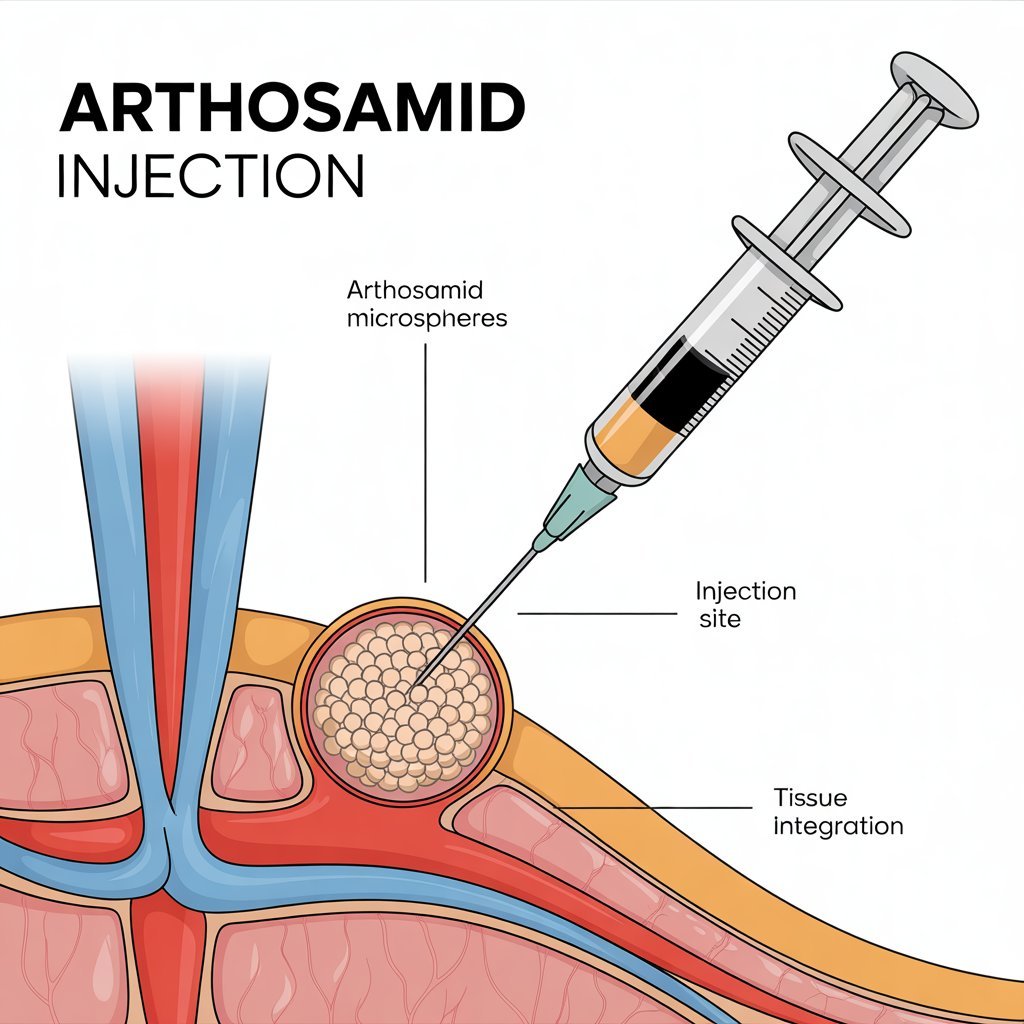
A typical appointment begins with clinical assessment and imaging review, followed by skin sterilisation and local anaesthetic administration. The clinician then positions the ultrasound probe and carefully injects approximately 6 ml of hydrogel into the knee joint. Patients are usually observed briefly before returning home the same day.
The procedure is completed as a single outpatient visit and normally takes less than one hour.
Recovery After Arthrosamid Injection
After administration, the hydrogel gradually integrates with synovial tissue and forms a stable internal scaffold. This structure enhances cushioning, reduces joint friction, and supports smoother movement patterns.
Improvement generally develops progressively rather than immediately. Many individuals notice benefits building over several weeks as tissues adapt and inflammation settles. This gradual onset reflects the biological integration process rather than delayed effectiveness.
Arthrosamid Injection Effectiveness and Evidence
Clinical evidence suggests Arthrosamid can provide meaningful improvement in pain relief and physical function lasting several years for many patients. While the treatment manages osteoarthritis symptoms effectively, it does not cure the underlying degenerative condition.
The LUNA study, one of the largest observational investigations involving nearly 200 individuals with moderate to severe knee osteoarthritis, demonstrated significant improvement in WOMAC pain scores following a single injection. Results showed sustained symptom relief over twelve months with continued monitoring extending toward five years.
Long-term extension studies also report statistically significant improvements in pain, stiffness, and functional outcomes maintained up to five years after treatment. Ten-year safety follow-up data indicate no unusual complications, including during later knee replacement surgery when required.
Across published research, more than seventy percent of patients achieve clinically meaningful improvements, although individual outcomes vary depending on arthritis severity, overall health, and lifestyle factors.
Arthrosamid Injection Results and Duration
Patients frequently report reduced reliance on pain medication, increased walking tolerance, and fewer inflammatory flare-ups following treatment. Improvements in confidence during movement and participation in daily activities are commonly described outcomes.
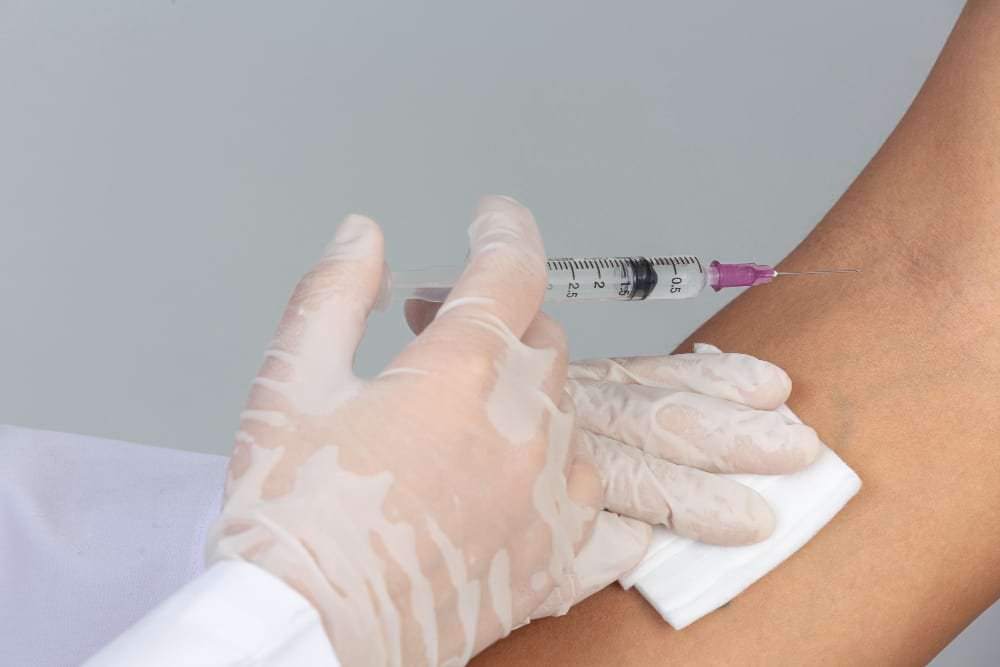
Many individuals experience benefits lasting between two and five years. Because the hydrogel is non-biodegradable and remains within the joint, it provides structural support beyond the duration of conventional injections.
The longevity of results depends on osteoarthritis stage, muscle strength surrounding the knee, body weight management, and activity habits that minimise excessive joint loading. Arthrosamid should therefore be viewed as a long-term symptom management strategy rather than a permanent cure.
Benefits of Arthrosamid Injection
The advantages of Arthrosamid extend beyond simple pain reduction. Functional improvements often include enhanced joint stability, smoother movement patterns, and fewer episodes of swelling or stiffness.
Lifestyle benefits may involve greater independence in daily routines, improved participation in recreational activities, and the potential postponement of knee replacement surgery. Many patients report renewed confidence in mobility, allowing them to maintain work responsibilities and personal interests more comfortably.
Arthrosamid Injection vs. Traditional Treatments
Corticosteroid injections remain effective for rapid control of acute inflammatory flare-ups but typically provide short-lived relief. Hyaluronic acid injections improve lubrication yet offer temporary benefits due to gradual absorption.
Arthrosamid occupies a distinct position within treatment pathways. By integrating into synovial tissue and providing ongoing cushioning, it delivers longer-lasting structural support while avoiding the invasiveness of surgical replacement.
Emerging biological therapies such as platelet-rich plasma aim to stimulate healing responses, whereas Arthrosamid focuses on mechanical stabilisation. These approaches may be complementary depending on individual treatment goals.
Arthrosamid Injection NHS Availability and Cost
Access through the NHS remains limited while health authorities continue evaluating long-term clinical data and treatment outcomes. At present, most patients receive treatment through specialist private clinics rather than routine arthrosamid injection nhs services.
The arthrosamid injection cost typically ranges from approximately £1,500 to £3,500 per knee in private settings. The arthrosamid injection cost UK patients pay can vary depending on clinician expertise, clinic location, use of ultrasound guidance, and whether consultation or follow-up care is included within the treatment package. Some providers also offer combined pricing when both knees require treatment.
Many individuals assess the overall value by considering the possibility of fewer repeat injections, reduced reliance on medication, and the potential to delay surgical intervention.
Suitable Candidates for Arthrosamid knee injection Treatment
Arthrosamid knee injectiontreatment is often considered for individuals experiencing ongoing knee pain caused by osteoarthritis who want a non-surgical option to improve mobility and daily comfort.

Suitable candidates commonly include people who have:
- Moderate knee osteoarthritis with persistent pain
- Limited improvement from physiotherapy or oral pain medications
- A desire to delay or avoid knee replacement surgery
- Active lifestyles focused on maintaining movement and independence
A full clinical assessment, including physical examination and imaging, is necessary to confirm whether the treatment is appropriate for each individual.
Safety Profile and Possible Side Effects
Available evidence demonstrates a favourable safety profile when Arthrosamid injection is performed by trained specialists under sterile conditions with imaging guidance.
Temporary reactions may include mild swelling, local discomfort, minor bruising, or short-term stiffness. Some individuals experience a brief inflammatory flare that settles with rest and simple pain relief measures.
Possible side effects may include:
- Mild swelling around the knee
- Local discomfort at the injection site
- Minor bruising
- Temporary stiffness after the procedure
- Short-term inflammatory flare or increased soreness
- Brief warmth or fullness sensation in the joint
Recovery and Rehabilitation After Arthrosamid Treatment
Recovery is typically straightforward. Most patients resume light daily activities shortly after treatment while avoiding strenuous exercise during the initial week.
Gentle walking, temporary activity modification, and adherence to physiotherapy guidance support optimal recovery. Full therapeutic benefit continues developing over four to twelve weeks as integration progresses.
Strengthening surrounding muscles, particularly the quadriceps and core stabilisers, further enhances long-term results by improving joint mechanics.
Arthrosamid as a Long-Term Solution for Knee Pain
Arthrosamid knee injection functions as a long-term management option rather than a permanent cure. It does not regenerate cartilage or completely halt osteoarthritis progression. However, many suitable patients experience years of meaningful symptom relief that can delay surgical intervention.
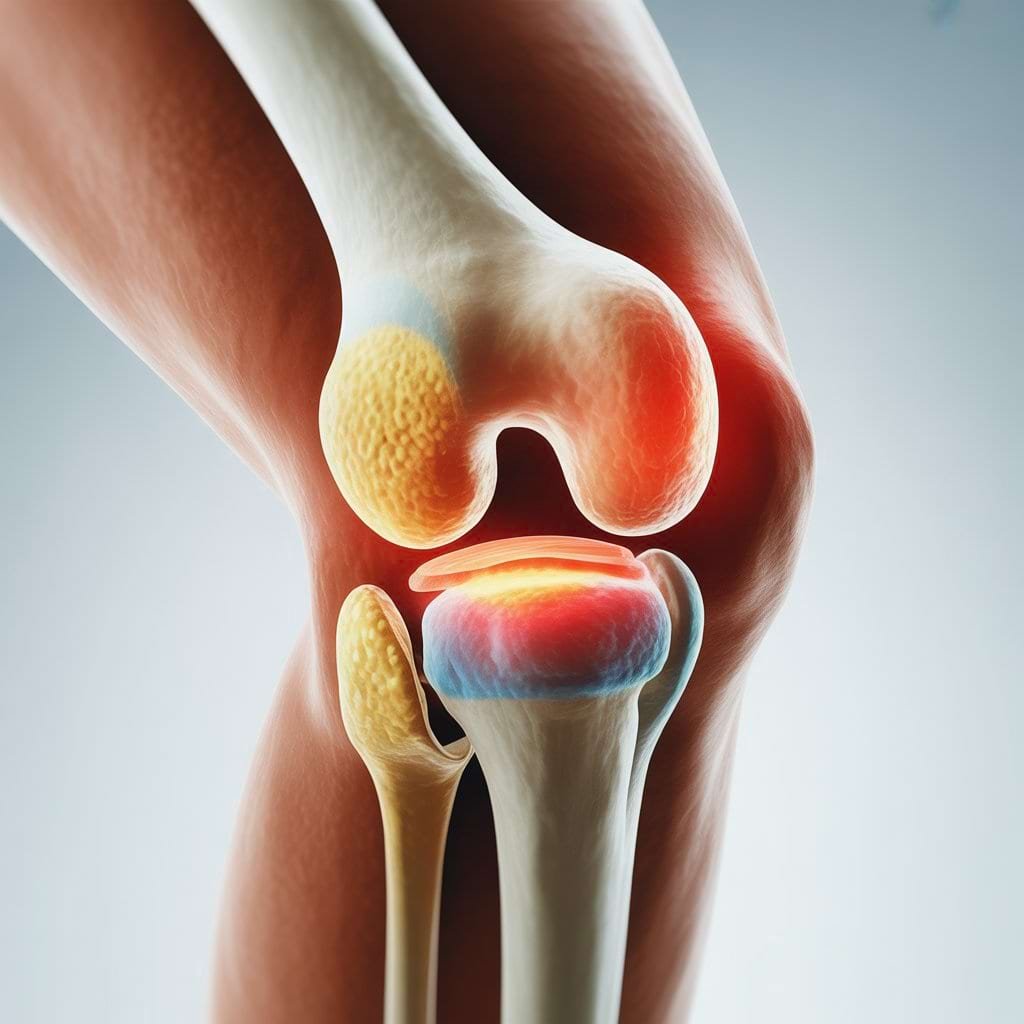
Long-lasting outcomes are most likely when treatment is combined with ongoing strengthening exercises, weight management, and joint-protective lifestyle habits. Maintaining realistic expectations remains important, as osteoarthritis continues to evolve over time.
Maintaining Knee Health After Treatment
Sustained improvement depends not only on the injection but also on consistent joint care practices. Low-impact strengthening exercises, balanced activity levels, and regular clinical review help preserve benefits achieved through treatment.
Activities such as swimming, cycling, and controlled walking support mobility while minimising excessive stress on the knee joint. When combined with Arthrosamid’s stabilising effect, these habits contribute to prolonged comfort and improved quality of life.
FAQ
What is an arthrosamid knee injection?
An arthrosamid knee injection is a non-surgical pain relief injection used for managing knee osteoarthritis. The hydrogel integrates with joint tissue to improve cushioning and reduce irritation inside the knee.
How long does Arthrosamid injection last?
Clinical evidence suggests long-lasting relief with Arthrosamid may continue for 2–5 years. The Arthrosamid injection results and duration depend on arthritis severity, muscle strength, and lifestyle habits.
How effective is Arthrosamid injection for knee osteoarthritis?
Research shows strong Arthrosamid injection effectiveness in reducing inflammation, improving mobility, andsupporting Arthrosamid knee osteoarthritis treatment outcomes for patients who did not respond to conservative care.
What are the benefits of Arthrosamid injection for knee pain?
The main benefits of Arthrosamid injection for knee pain include improved joint stability, reduced swelling, better movement confidence, and decreased dependency on repeated short-term injections.
Is Arthrosamid injection available on the NHS?
Availability of arthrosamid injection NHS treatment remains limited. Most patients currently access arthrosamid treatment through private orthopaedic clinics.
How much does Arthrosamid injection cost?
The arthrosamid injection cost in private clinics generally ranges between £1,500 and £3,500 per knee, depending on clinic location and use of ultrasound guided injection techniques.
Does Arthrosamid help burning feeling in knee pain?
Yes. Many patients report reduced inflammation and improvement in burning feeling in knee symptoms as joint friction decreases following the injection.
How does Arthrosamid injection compare with traditional treatments?
Compared with steroids or hyaluronic acid, Arthrosamid injection vs. traditional treatments offers longer structural support because the hydrogel remains inside the joint rather than breaking down quickly.
Arthrosamid knee injection is a non-surgical treatment that can provide long-lasting relief from knee osteoarthritis pain. Although it is not a permanent cure, it helps improve joint comfort, movement, and daily activity for many patients when combined with proper knee care and medical guidance.
Read more: Recognizing Knee Osteoarthritis and How Arthrosamid Injection London Help
Read more: New non-surgical knee pain treatments in UK 2026 with Arthrosamid injection