
Knee osteoarthritis (OA) represents one of the most common causes of persistent joint discomfort and functional limitation worldwide. This progressive degenerative condition primarily involves the gradual erosion of articular cartilage within the knee, leading to bone-on-bone contact, synovial inflammation, and structural changes that manifest as pain, stiffness, and impaired mobility.
Early recognition of symptoms enables timely intervention, potentially slowing progression and preserving joint function. This in-depth guide examines the clinical features of knee osteoarthritis, particularly its early presentation, and highlights Arthrosamid Injection as an evidence-based, non-surgical therapeutic option, with particular emphasis on Arthrosamid Injection London availability for patients seeking specialized
What is Knee Osteoarthritis?
Knee osteoarthritis is a degenerative joint disease primarily affecting the cartilage in the knee joint. Cartilage serves as a cushion that prevents the bones from rubbing together, but over time, it breaks down due to factors like aging, injury, or repetitive stress.
As the cartilage wears away, the bones in the knee begin to rub against each other, causing inflammation, pain, and stiffness. This condition can severely affect the ability to move and perform daily activities, such as walking, climbing stairs, or even sitting down and standing up.
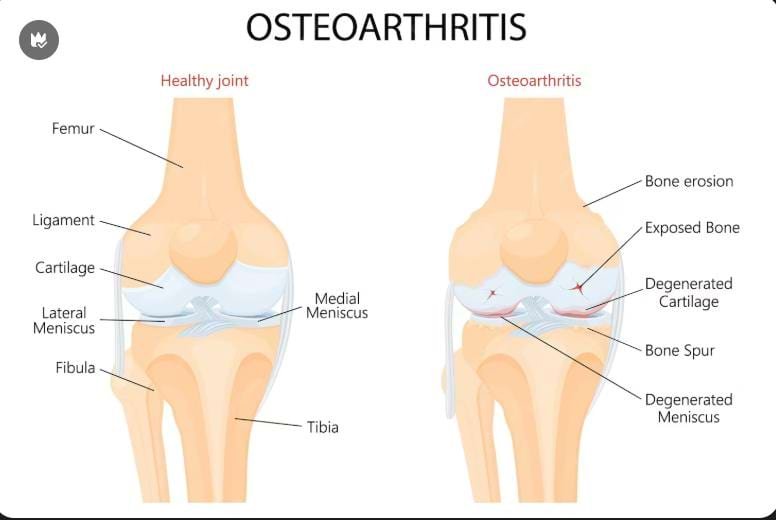
Identifying the Early Symptoms of Knee Osteoarthritis
Recognizing the early warning signs of knee osteoarthritis is crucial to managing the condition before it progresses. Below are the most common symptoms:
1. Persistent Pain and Stiffness
Pain that worsens with activity or prolonged periods of rest is a key indicator of knee osteoarthritis. Initially, the pain may be mild and intermittent, but it becomes more frequent and severe over time. The pain often intensifies after physical activities such as walking or standing for extended periods.
2. Swelling and Tenderness
Swelling around the knee joint is a common symptom of osteoarthritis. You might notice that the knee feels puffy or swollen, especially after physical exertion. Tenderness around the joint is also common, which can make the knee feel sensitive to touch.
3. Reduced Range of Motion
As the cartilage wears away, the range of motion in the knee joint decreases. You may find it difficult to bend or straighten your knee completely, which can interfere with everyday tasks like walking or getting in and out of a car.
4. Knee Grating or Crunching Sounds
A characteristic symptom of knee osteoarthritis is the feeling of the knee “grating” or “crunching” when you move it. These sounds occur due to the friction between the bones as the protective cartilage wears down, making the surfaces rough and uneven.
Differential diagnosis includes meniscal pathology, patellofemoral syndrome, or referred pain from hip/spine. Clinical evaluation, supplemented by weight-bearing radiographs and targeted imaging, confirms the diagnosi
What Causes Knee Pain in Females?
Knee osteoarthritis can affect both men and women, but women are often more vulnerable to it due to specific factors, such as knee pain in ladies. Some causes are:
1. Hormonal Changes
Hormonal fluctuations, particularly during menopause, play a role in the development of knee osteoarthritis. The decrease in estrogen levels can contribute to the breakdown of cartilage, making women more vulnerable to knee pain and osteoarthritis as they age.
2. Weight and Knee Stress
Excess body weight puts additional stress on the knee joints, which can accelerate cartilage degeneration. Overweight and obese women are particularly at risk for developing knee osteoarthritis because of the added strain on their knees.
3. Genetics and Family History
Genetics plays a significant role in the development of knee osteoarthritis. If there is a family history of the condition, you may have a higher risk of developing it yourself as you age.
4. Lifestyle Factors
A sedentary lifestyle, along with engaging in high-impact activities without proper joint protection, can contribute to knee pain and increase the risk of osteoarthritis. It’s important to maintain an active lifestyle while also taking steps to protect your knee joints.
5. Behavioral and Occupational Elements
Sedentary behavior weakens periarticular musculature, while certain repetitive activities heighten cumulative stress.
Managing Knee Osteoarthritis: Effective Treatment Options
While knee osteoarthritis (OA) is a chronic condition with no cure, there are several treatment options available to help manage the symptoms. With the right treatment plan, you can reduce pain, improve joint function, and continue living an active life.
1. Keep Moving: The Power of Regular Exercise
Physical activity is one of the most important factors in managing knee osteoarthritis. Strengthening the muscles around your knee can reduce pressure on the joint, easing pain and improving mobility. Low-impact exercises such as swimming, cycling, and gentle walking are excellent choices, as they are easy on the knees while boosting joint health.
2. Lose Weight to Ease Joint Stress
Carrying extra weight places additional stress on the knee joints, worsening the effects of osteoarthritis. Losing even a small amount of weight can significantly reduce strain on the knees and help alleviate pain. A healthy weight can also improve overall joint function and decrease inflammation.
3. Seek Professional Guidance: Physiotherapy
A physiotherapist can develop a tailored program to help strengthen the knee joint, improve flexibility, and reduce discomfort. Physiotherapy may include specific exercises designed to target the muscles around the knee, as well as other techniques like heat or massage therapy to further ease pain and improve mobility.
4. Pain Management: Relief from Medications
For managing knee pain, over-the-counter painkillers such as paracetamol or topical anti-inflammatory creams can be effective for mild pain. If the pain becomes more persistent, your doctor may suggest stronger pain relief, including prescription medications that target inflammation and provide more effective long-term relief.
5. Injections for Advanced Relief
When conservative treatments, like exercise and medications, aren’t enough, injections into the knee can provide more targeted relief. Here are the types of injections commonly used:
- Steroid Injections: These reduce inflammation and offer short-term relief from pain. However, their effects typically wear off over time, and they should not be used too frequently due to potential side effects.
- Hyaluronic Acid (Viscosupplementation): These injections mimic the natural lubricating fluid found in the knee joint, helping the joint move more smoothly and reducing pain. Hyaluronic acid injections are a longer-lasting solution than steroids.
- PRP (Platelet-Rich Plasma): PRP uses a sample of your own blood, concentrating the platelets, which contain growth factors. These injections help promote healing and reduce inflammation, offering a regenerative treatment approach.
- Arthrosamid® Injection: This cutting-edge treatment involves a gel-like substance injected directly into the knee joint. Arthrosamid Injection mimics the body’s natural synovial fluid, helping to cushion the joint and reduce pain and swelling. This treatment has shown positive results in managing knee osteoarthritis, providing long-lasting relief without the need for invasive surgery.
By combining these treatments with lifestyle changes and professional guidance, knee osteoarthritis can be effectively managed, allowing you to continue engaging in your everyday activities without excessive pain or limitation.

How Arthrosamid Injection Can Help with Knee Osteoarthritis
If you are struggling with knee osteoarthritis and seeking a non-surgical solution, Arthrosamid Injection may be a viable option. This innovative treatment helps alleviate pain and improve joint function without the need for invasive surgery.
What is Arthrosamid Injection?
Arthrosamid is a gel-like substance made from polyacrylamide, which is injected directly into the knee joint. It mimics the natural synovial fluid that lubricates the knee, providing cushioning and reducing the friction between the bones.
This injection restores lubrication in the joint, relieving pain, swelling, and stiffness caused by osteoarthritis. It’s a minimally invasive treatment that offers significant improvements for individuals with knee osteoarthritis.
How Does Arthrosamid Injection Work?
It works by replenishing the synovial fluid that normally lubricates the knee joint. This helps cushion the joint, reducing pain and inflammation. As the injection mimics the body’s natural lubricating fluid, it can provide long-term relief from knee osteoarthritis symptoms, enabling you to move more freely and comfortably.
Clinical Advantages
- Prolonged pain reduction and functional improvement, often lasting several years based on observational data.
- Avoidance of surgical morbidity, hospitalization, and extended rehabilitation.
- Reduced reliance on repeated corticosteroid or viscosupplement injections.
- Generally favorable tolerability, with transient local reactions predominating.
It suits moderate knee osteoarthritis where joint preservation remains feasible, serving as an effective bridge before considering arthroplasty.
Benefits of Arthrosamid Injection for Knee Osteoarthritis
Arthrosamid Injection offers several key benefits for individuals suffering from knee osteoarthritis:
1. Non-Surgical Solution
Unlike traditional knee surgery, Arthrosamid provides a non-surgical treatment option. Surgery often comes with risks, high costs, and long recovery times, but Arthrosamid offers a less invasive approach with fewer complications and a quicker recovery period.
2. Long-Term Pain Relief
Arthrosamid provide long-lasting relief from knee pain. While the results can vary from person to person, many individuals experience relief for several months after the injection, reducing the need for frequent pain medication.
3. Improved Joint Function
In addition to reducing pain, Arthrosamid helps improve joint function by restoring the natural lubrication in the knee joint. This can increase your range of motion, allowing you to perform everyday tasks like walking, climbing stairs, and standing up with less discomfort.
4. Minimal Side Effects
Arthrosamid injections are generally well-tolerated with minimal side effects. Some patients may experience mild swelling or discomfort at the injection site, but these symptoms typically resolve within a few days
Arthrosamid Injection Cost in the UK
When considering Arthrosamid Injection, cost is an important factor. The price typically ranges from £250 to £450 per injection in the UK, depending on factors such as clinic location, treatment plan, and whether you’re opting for a single injection or a series.
Factors Influencing the Cost of Arthrosamid Injection
- Location: Clinics in high-demand areas like London may charge higher fees due to increased patient volume.
- Private vs NHS: While the NHS knee pain treatments might be available, they often don’t cover non-surgical treatments like Arthrosamid Injection, leading many to seek private knee specialists for this option.
- Package Deals: Some clinics offer discounts for multiple injections or treatment packages, making it more affordable in the long term.
- Health Insurance: Private health insurance may cover the cost if deemed medically necessary, so check with your provider.
- Specialist Experience: Highly experienced specialists may charge more for their expertise, but the results could justify the cost.
When Should You Consider Arthrosamid Injection?
Arthrosamid Injection is a great option for individuals with knee osteoarthritis who have not responded to conservative treatments, such as physical therapy or over-the-counter medications.
For individuals suffering from knee osteoarthritis, the first line of treatment typically involves conservative approaches like physical therapy, weight management, or over-the-counter pain medications such as ibuprofen or paracetamol. While these methods can provide temporary relief, they may not be sufficient in the long term, especially if symptoms worsen or persist.
When Conservative Treatments Aren’t Enough
If other treatments haven’t relieved your knee pain, or if you’ve found that your symptoms are worsening over time, it may be time to consider Arthrosamid Injection. The injection can provide long-term relief, allowing you to return to a more active lifestyle.
Arthrosamid Injection offers a non-invasive alternative for those who are either not candidates for surgery or who wish to avoid the risks associated with it. Here are some reasons why this Injection is an excellent choice for those avoiding surgery:
1. Minimally Invasive Treatment
The procedure involves a simple injection into the knee joint, with minimal discomfort and no need for anesthesia. This makes it an excellent option for individuals who are not ready to undergo the lengthy recovery time associated with knee surgery.
2. Short Recovery Time
After receiving the injection, most patients experience a quick recovery time. Unlike surgery, which can involve weeks or even months of rehabilitation, it typically allows you to return to light activities within a short period.
3. Lower Risk of Complications
Because Arthrosamid Injection is a non-surgical procedure, it comes with significantly fewer risks than knee replacement surgery. There are minimal side effects, and the risk of infection is low, which makes it a safer option for those wary of invasive procedures.
FAQs
1. What is the best painkiller for knee pain?
For knee osteoarthritis, ibuprofen or paracetamol can manage mild pain. For more severe pain, treatments like Arthrosamid Injection or prescription medications may be suggested.
2. How does knee osteoarthritis affect females?
Women are more prone to knee osteoarthritis due to hormonal changes, weight-bearing stress, and genetics. A decrease in estrogen during menopause accelerates cartilage breakdown.
3. Is there a private knee specialist in London?
Yes, private knee specialists in London offer Arthrosamid Injection as a treatment for knee osteoarthritis. A consultation can help you determine if it’s right for your condition.
4. How much does a private knee consultation cost in London?
Private knee consultations in London usually cost between £100 and £250, depending on the specialist and clinic.
Conclusion
Knee osteoarthritis can severely impact your quality of life, but recognizing the symptoms early can help prevent further complications. If you’ve been struggling with knee pain, Injection offers a safe, non-surgical solution that can provide long-term relief. Consult with a knee specialist to see if this treatment could be the answer to your knee osteoarthritis concerns.


