
Types of arthritis vary widely, and each affects the joints through a distinct mechanism. Arthritis includes more than 100 related conditions, ranging from mild stiffness to disabling inflammation. Osteoarthritis alone affects over 8.5 million people in the UK, making it the most widespread joint condition nationally. Some forms wear down cartilage gradually over decades, while others involve the immune system attacking healthy tissue within weeks.
Rheumatoid arthritis, gout, lupus and fibromyalgia each carry a different underlying cause despite producing similar joint pain. Prevalence increases steadily with age, though several forms commonly begin between the ages of thirty and fifty. Recognising the specific pattern of symptoms, from morning stiffness to sudden swelling, helps patients seek treatment sooner.
What Is Arthritis?
Arthritis refers to inflammation of one or more joints, often causing pain, swelling and stiffness. Joint damage from arthritis can build gradually over years or appear suddenly within days. More than 100 conditions fall under the arthritis umbrella, and severity differs enormously between them. Some forms are manageable with lifestyle changes, while others require ongoing medical supervision.
Joints affected by arthritis include the knees, hips, hands, spine and feet, though any joint can potentially become involved. The condition affects people of every age, though risk generally rises after fifty. Understanding which joints feel affected first often provides useful clues about the underlying condition. A GP or specialist can usually narrow down the likely diagnosis through examination and targeted testing.
Common Types of Arthritis
Several distinct conditions fall under the arthritis category, each with its own pattern of symptoms. Types of arthritis differ in which joints they target and how quickly they progress. The causes of arthritis vary between conditions, so the sections below outline the six most frequently diagnosed forms.
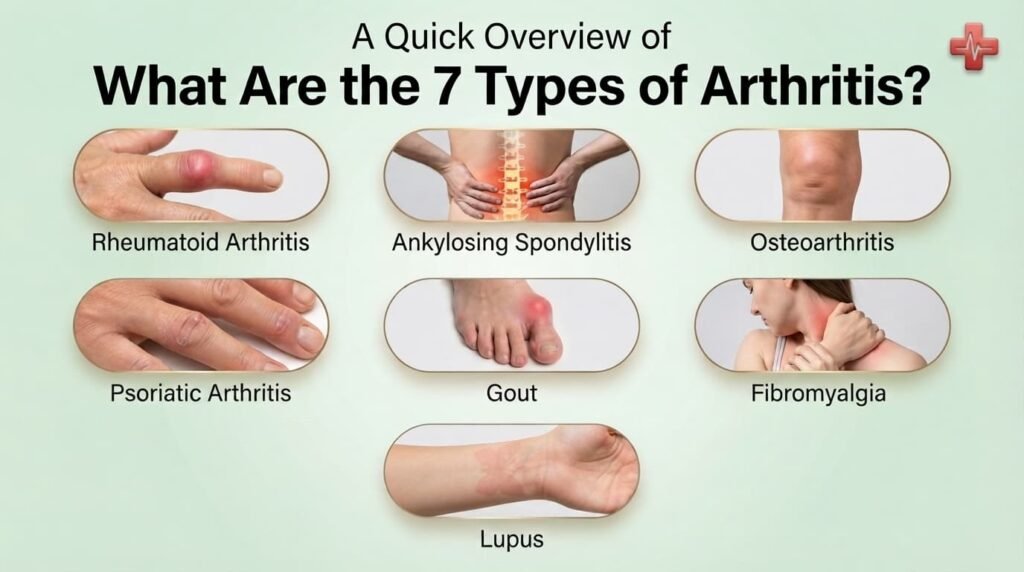
Osteoarthritis
Osteoarthritis is the most common form of arthritis, caused by gradual cartilage breakdown between bones. It typically develops slowly and worsens with repeated joint use over decades.
Signs of osteoarthritis include:
- Joint pain that worsens with activity and eases with rest
- Stiffness, particularly after waking or sitting for long periods
- Swelling around the affected joint
- Reduced flexibility or range of motion
- A grating sensation during movement
Causes of osteoarthritis include:
- Long-term wear and tear on cartilage
- Previous joint injuries
- Repetitive stress from certain jobs or sports
Risk factors for osteoarthritis include:
- Age over 50
- Excess body weight, which adds pressure to weight-bearing joints
- Family history of joint problems
- Being female, particularly after menopause
Rheumatoid Arthritis
Rheumatoid arthritis is an autoimmune condition where the immune system mistakenly attacks the joint linings. Unlike osteoarthritis, it often affects joints symmetrically on both sides of the body.
Rheumatoid arthritis symptoms include:
- Painful, swollen joints, often in the hands and feet
- Morning stiffness lasting longer than thirty minutes
- Fatigue and low-grade fever
- Firm lumps beneath the skin near affected joints
What causes rheumatoid arthritis remains partly unclear, though known triggers include:
- Genetic predisposition combined with environmental triggers
- Smoking, which raises the likelihood of onset
- Hormonal factors, since women develop the condition more often
Risk factors include:
- Family history of autoimmune disease
- Onset typically occurs between the ages of 30 and 60
- Obesity, which places additional strain on joints
Gout
Gout is a form of inflammatory arthritis caused by excess uric acid crystallising within joints. Flare-ups tend to strike suddenly, often overnight, and can be intensely painful.
Gout symptoms include:
- Sudden, severe pain, frequently starting in the big toe
- Redness and warmth around the joint
- Swelling that develops within hours
- Lingering discomfort even after the worst pain subsides
Gout centres on hyperuricemia, meaning too much uric acid builds up in the bloodstream. Crystals then form within joint tissue, triggering inflammation.
Risk factors for gout include:
- Diets high in red meat, seafood or alcohol
- Obesity and metabolic conditions
- Kidney disease affects uric acid clearance
- Certain medications, including some diuretics
Psoriatic Arthritis
Psoriatic arthritis is an inflammatory condition linked to psoriasis, though visible skin symptoms do not always appear first.
Psoriatic arthritis symptoms include:
- Swollen fingers or toes resembling small sausages
- Nail changes, including pitting or separation from the nail bed
- Lower back pain in more advanced cases
- Fatigue and reduced joint flexibility
Causes involve immune system dysfunction combined with genetic factors passed through families. Environmental triggers such as infection or physical trauma may also play a part.
Risk factors include:
- Existing psoriasis diagnosis
- Family history of psoriatic disease
- Onset commonly occurs between ages 30 and 50
Fibromyalgia
Fibromyalgia causes widespread pain and tenderness without damaging the joints or muscles directly. It shares overlap with other arthritis-related conditions, though its mechanism differs considerably.
Fibromyalgia symptoms include:
- Chronic, widespread aching or burning pain
- Persistent fatigue despite adequate sleep
- Difficulty concentrating, sometimes called fibro fog
- Increased sensitivity to light, noise or temperature
The exact cause remains unknown, though genetics and family history appear to play a role. Emotional stress and physical trauma are common triggers for flare-ups.
Risk factors include:
- Being female, since diagnosis rates are notably higher
- Having a relative with the condition
- Coexisting conditions such as lupus or rheumatoid arthritis
- Ongoing sleep disturbances, which can worsen pain perception over time
Lupus
Lupus is a long-lasting autoimmune disease capable of affecting joints, skin and internal organs simultaneously.
Lupus symptoms include:
- Joint and muscle pain, often migrating between joints
- Butterfly-shaped facial rash across the cheeks
- Fatigue, fever and unexplained hair loss
- Sensitivity to sunlight
Causes remain under investigation, though genetic and hormonal factors appear central. Environmental exposures may also contribute to the onset in susceptible individuals.
Risk factors include:
- Being female, particularly between the ages of 15 and 44
- Family history of autoimmune conditions
- Certain ethnic backgrounds carry a higher prevalence
- Existing infections, which may act as a triggering factor
Ankylosing Spondylitis and Juvenile Arthritis
Ankylosing spondylitis primarily affects the spine, causing stiffness and lower back pain that worsens with rest rather than activity. It typically begins before age 40 and progresses slowly.
Juvenile arthritis refers to arthritis diagnosed in children under sixteen. Several subtypes exist, ranging from mild joint swelling to more severe systemic inflammation affecting internal organs.
What Causes Arthritis Common Joint Pain Causes
Joint pain causes vary depending on the underlying condition, though most fall into two broad categories. Some conditions develop slowly over decades, while others appear suddenly within days or weeks. Identifying the correct category early often shapes which treatments prove most effective.
Inflammatory Arthritis vs Autoimmune Arthritis
Inflammatory arthritis involves the immune system generating excess inflammation within joint tissue. Gout and psoriatic arthritis fall within this category. Autoimmune arthritis, including rheumatoid arthritis and lupus, occurs when the immune system mistakenly targets healthy tissue. The distinction matters because treatment approaches differ substantially between the two categories.
General Risk Factors Across Arthritis Types
Certain factors raise the likelihood of developing several types of arthritis simultaneously:
- Advancing age, since joint tissue naturally weakens over time
- Excess body weight adds mechanical stress to joints
- Previous joint injuries or repetitive strain
- Genetic predisposition within families
- Smoking, which worsens inflammation in several conditions
Rheumatoid arthritis and osteoarthritis often cause confusion, since both involve joint pain and stiffness. The key difference lies in cause: mechanical wear versus immune system malfunction. Osteoarthritis usually develops in one or two joints, while autoimmune forms often spread more widely across the body. Diagnostic imaging and blood tests remain the most reliable way to distinguish between the two.
Arthritis in Hands and Knees Where Symptoms Show First
Arthritis in the hands frequently begins with stiffness in the small finger joints, especially noticeable each morning. Osteoarthritis and rheumatoid arthritis both commonly target these joints, though the pattern of swelling differs.

Arthritis in the knees develops differently, since the knees bear significant body weight during daily movement. Cartilage breakdown often accelerates faster here than in smaller joints, particularly among people carrying excess weight. Stairs, kneeling and prolonged standing tend to aggravate symptoms more noticeably in the knee joints than elsewhere. For patients with advanced knee osteoarthritis, Arthrosamid injection offers a non-surgical route to longer-lasting pain relief. Early intervention in either location generally slows further joint deterioration. Consultant-led assessment helps determine which option suits a particular pattern of symptoms best.
Managing Arthritis Treatment: Diet and Exercise
Arthritis treatment depends heavily on which condition has been diagnosed, though several approaches overlap across types.
Exercises for arthritis focus on low-impact movement that protects joints while maintaining mobility. Swimming, cycling and gentle stretching are commonly recommended, since they build strength without excessive joint stress.
An arthritis diet emphasising anti-inflammatory foods can meaningfully ease symptoms over time. Oily fish, leafy greens and olive oil are frequently suggested, while processed foods and excess sugar tend to worsen inflammation.
An arthritis flare-up can strike unexpectedly, even in well-managed cases. Rest, gentle movement and prescribed medication typically help symptoms settle within days.
Physiotherapy for arthritis strengthens muscles surrounding affected joints, improving stability and reducing pain during daily tasks. Many patients combine physiotherapy with medication for more complete symptom control. A structured routine, built gradually with professional guidance, often prevents further joint strain over time.
Long-term management typically blends several approaches rather than relying on a single treatment. Weight management reduces mechanical load on weight-bearing joints such as the knees and hips. Regular movement, even in short sessions, helps preserve joint flexibility far better than prolonged rest. Sleep quality also influences inflammation levels, making consistent rest patterns a worthwhile focus for many patients.
Arthritis pain relief options range from over-the-counter medication to specialist injections for more advanced cases. Dietary changes, alongside movement and weight management, remain a practical first step for most patients.
Living With Arthritis Day to Day
Daily routines often need small adjustments once joint pain becomes persistent. Simple tasks such as opening jars, climbing stairs or gripping a steering wheel can become noticeably harder. Adaptive tools, including jar openers and cushioned grips, reduce strain on affected joints during ordinary activities. Pacing activities throughout the day, rather than tackling everything at once, tends to limit flare-ups considerably.

Emotional well-being deserves attention alongside physical symptoms, since chronic pain often affects mood and motivation. Support groups and open conversations with healthcare providers can ease the psychological burden of long-term joint conditions. Sleep quality frequently suffers when pain interrupts rest, which in turn worsens fatigue the following day. Establishing a consistent bedtime routine often helps break this cycle over several weeks.
Work adjustments may also become necessary for those in physically demanding roles. Discussing reasonable accommodations with an employer, such as modified duties or flexible scheduling, can preserve independence for longer. Occupational therapists frequently assist with practical workplace strategies built around specific joint limitations.
When to See a Specialist
Effective treatment of arthritis often starts with an accurate diagnosis from a qualified specialist. Persistent swelling, pain lasting beyond a few days, or reduced mobility all warrant professional assessment. Blood tests, imaging and physical examination typically confirm what causes arthritis in each case. Educational videos covering joint conditions and treatment options are also available on the DrSNA Clinic YouTube channel.
FAQs
What are the main types of arthritis?
The most common types of arthritis include osteoarthritis, rheumatoid arthritis, gout, psoriatic arthritis, fibromyalgia and lupus. Each affects joints differently, ranging from mechanical wear to immune system dysfunction. Ankylosing spondylitis and juvenile arthritis are less common but still significant. A specialist can usually identify the specific type through examination, imaging and blood tests.
What is the difference between inflammatory arthritis and autoimmune arthritis?
The inflammatory type involves excess inflammation within joint tissue, as seen in gout. Autoimmune arthritis occurs when the immune system mistakenly attacks healthy tissue, as with rheumatoid arthritis and lupus. Both categories cause joint pain but require different treatment strategies. Blood testing usually helps distinguish between the two underlying mechanisms.
What causes rheumatoid arthritis symptoms to flare?
Flares often follow stress, infection, poor sleep or sudden changes in medication. Smoking and excess weight can also worsen flare frequency and severity. Tracking triggers helps patients manage symptoms more effectively over time. A symptom diary often reveals patterns that inform future treatment adjustments.
How is arthritis in the knees different from arthritis in the hands?
Arthritis in the knees tends to progress faster due to constant weight-bearing pressure. Arthritis in the hands often causes earlier stiffness in the smaller finger joints. Both locations can be affected by osteoarthritis or rheumatoid arthritis simultaneously. Treatment approaches often overlap, though knee cases may involve additional weight-bearing considerations.
Can diet really help manage arthritis symptoms?
An anti-inflammatory diet for arthritis, rich in oily fish and vegetables, can reduce symptom severity for many patients. Diet alone rarely replaces medical treatment but often complements it effectively. Reducing processed food intake also supports a healthier body weight. Small, consistent changes tend to produce better long-term results than drastic overhauls.
When should someone see a specialist about joint pain causes?
Persistent swelling, pain lasting more than a few days, or reduced joint mobility all warrant specialist review. Early assessment helps identify which type of arthritis is present. Prompt diagnosis generally leads to more effective long-term management. Delaying assessment can occasionally allow joint damage to progress further.
Does exercise make arthritis symptoms worse?
Gentle, low-impact movement typically improves arthritis symptoms rather than worsening them over time. High-impact activities can occasionally aggravate already inflamed joints. A physiotherapist can recommend suitable exercises based on the specific joint and condition involved. Strengthening surrounding muscles usually provides better joint support during daily activity.
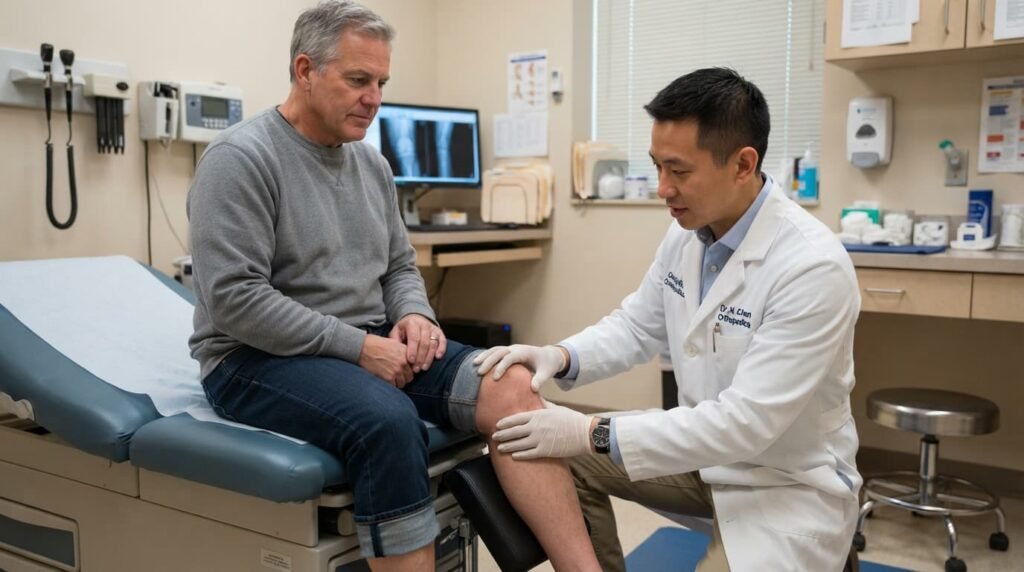
Types of arthritis range from gradual cartilage wear to sudden autoimmune flare-ups affecting multiple joints. Each condition carries distinct symptoms, causes and risk factors that shape the right treatment path. Early recognition of joint pain, stiffness or swelling allows quicker diagnosis and better long-term outcomes. Lifestyle adjustments, physiotherapy and, in some cases, specialist injections can meaningfully ease daily symptoms. Working closely with a qualified specialist remains the most reliable route to lasting relief.
Mr Syed Nadeem Abbas brings extensive orthopaedic expertise to knee-related arthritis cases across London. Further guidance on joint health and treatment options is available through kneepainclinicuk.com.
Read more: Kneecap Pain Causes, Symptoms and Treatment Options
Read more: Everyday Habits That Damage Knees Without Anyone Noticing


