
Habits that damage knees rarely announce themselves with a dramatic injury. Knee pain causes range from arthritis to old injuries. Daily routines often play a bigger role than most people realise. Sitting for hours, slipping on the wrong shoes, or skipping warm-ups before exercise all add small amounts of strain. Over weeks and months, that strain accumulates into stiffness, swelling, or a persistent ache. Recognising daily habits that damage knees is the first step toward long-term protection.
Why Are Knees So Vulnerable to Daily Strain?
The knee joint absorbs body weight with every step, squat, and stair climb taken throughout the day. Walking transmits roughly one and a half times body weight through the joint with each stride. Climbing stairs pushes that figure considerably higher, placing the kneecap under much greater load. Cartilage cushions these forces, but it has no direct blood supply of its own. Instead, cartilage depends on synovial fluid and surrounding muscle activity for nourishment. When movement patterns are poor or infrequent, that nourishment drops, and cartilage wears faster than it can repair itself.
A joint built for decades of movement can be worn down by habits repeated every single day. This is exactly how habits that damage knees take hold over time.
Weak quadriceps knee pain often begins here. Strong thigh muscles normally share the load that would otherwise fall on cartilage. Understanding this relationship helps explain why so many small habits carry outsized consequences for joint health.
Ligaments and tendons surrounding the joint also play a supporting role in daily movement. These structures stabilise the kneecap during bending, twisting, and weight-bearing activity. When surrounding muscles weaken through inactivity, ligaments absorb forces they were never designed to manage alone. This shift often explains why minor daily strain builds gradually into persistent discomfort.
Does Sitting Too Long Cause Knee Pain?
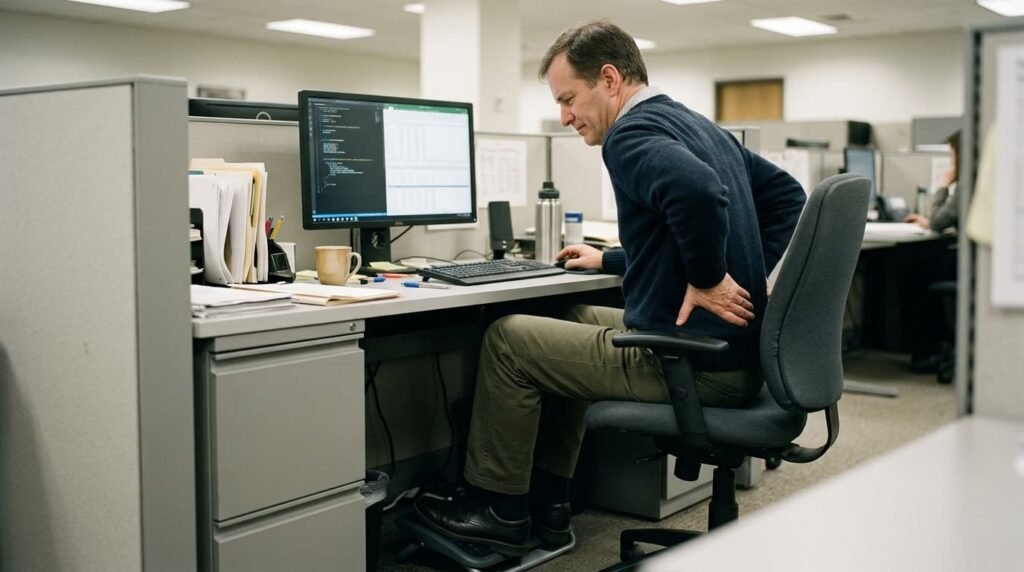
Long working days often involve sitting for six hours or more without a proper break. Knee pain when sitting for a long time is one of the most common complaints among office workers. Bent knees held in one position for hours reduce the circulation of synovial fluid around the joint.
Weak Quadriceps From Prolonged Sitting
Inactive thigh muscles lose strength quickly. Weakened quadriceps leave the kneecap without proper support, shifting more load directly onto cartilage. This pattern is a leading contributor to weak quadriceps knee pain among desk-based professionals.
Knee Stiffness After Sitting Explained
Synovial fluid needs movement to circulate properly around the joint. Knee stiffness after sitting happens because the fluid pools rather than flows freely. Standing up after a long meeting often brings a brief, sharp twinge before the joint loosens again. Does sitting too long cause knee pain on its own? Rarely in isolation, but combined with weak muscles and poor posture, prolonged sitting becomes a significant contributing factor. Office chairs without proper support often compound the problem further.
Short, frequent movement breaks reduce this risk considerably. Standing and walking for even two minutes every hour keeps joint fluid circulating and muscles engaged. Setting a simple reminder throughout the working day makes this habit easier to maintain consistently.
Poor Posture and Its Link to Knee Pain
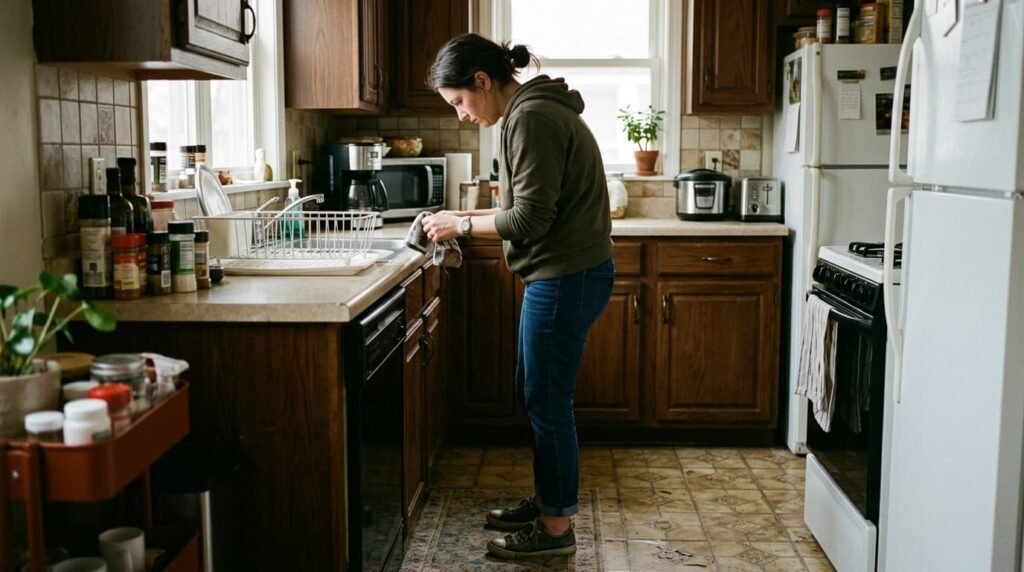
Poor posture knee pain often begins at the hip rather than the joint itself. Slouching or standing with an anterior pelvic tilt rotates the thigh bone inward. That rotation places the kneecap under uneven pressure with every step.
How Posture Shifts Load Onto the Joint
Weak hip muscles, particularly around the outer hip, are a common driver of postural knee strain. When these muscles fail to stabilise the pelvis, the femur rotates inward, and the kneecap tracks off-centre. This uneven tracking accelerates wear on one side of the joint faster than the other. Strengthening the outer hip muscles often corrects this pattern over several weeks. Side leg raises and clamshell exercises target this area effectively.
Flat Feet and Knee Instability When Walking
Flat feet and knee pain develop through a similar chain reaction. Collapsed arches allow the ankle to roll inward, which drags the knee out of alignment. Knee instability when walking often traces back to this foot-to-knee chain rather than the knee itself. A gait assessment can identify whether footwear, arch support, or targeted strengthening would help most.
Knee Pain When Climbing Stairs: What Goes Wrong
Knee pain when climbing stairs affects a large share of adults, particularly past middle age. Stair climbing multiplies the load passing through the kneecap far beyond what walking on flat ground requires. Knee pain going up stairs typically points to one of a few underlying mechanical issues.
Uneven Load From Weak Quadriceps
Without adequate thigh strength, the joint absorbs stair-climbing forces unevenly. This concentrates pressure at a single point on the cartilage surface rather than spreading it across the joint.
Common Stair-Climbing Mistakes
Rising onto the toes rather than driving through the heel shifts pressure forward onto the kneecap. Leading every step with a weaker leg also places disproportionate strain on that side. Small corrections to technique often ease discomfort considerably within a few weeks. Stair-climbing mistakes rank among the most common habits that damage knees.
Knee Pain From Wearing the Wrong Footwear
Knee pain from bad footwear is one of the most overlooked daily contributors to joint strain. Shoes influence alignment from the ground up, and poor alignment travels directly to the knee.
High Heels and Worn-Out Trainers
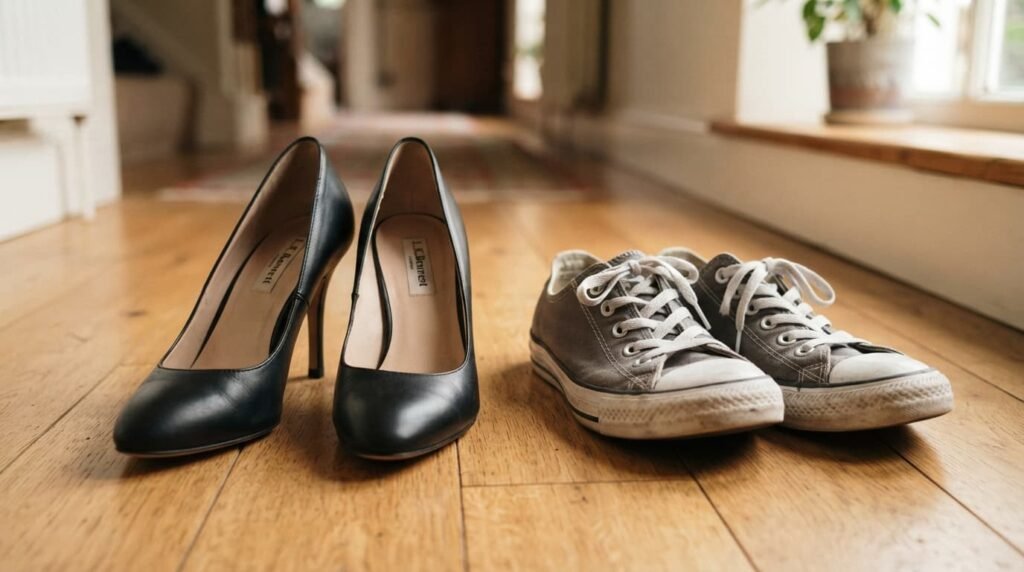
High heels cause knee pain due to shifted body weight and altered walking mechanics. Heels above two inches force the body forward, increasing pressure on the front of the joint. Knee pain from wearing the wrong shoes also affects trainers, particularly once cushioning breaks down after heavy use. Worn soles no longer absorb shock effectively, passing that force straight into the joint.
Best Shoes for Knee Pain Relief
The best shoes for knee pain relief offer firm arch support, cushioned soles, and a wide toe box. Replacing trainers every 300 to 500 miles of use maintains proper shock absorption. Custom orthotics can help where flat feet or overpronation are contributing factors. Footwear choices sit quietly among the most common habits that damage knees. A quick check of tread wear patterns often reveals whether current footwear still offers adequate support.
Exercise Habits That Trigger Knee Pain After Activity
Regular movement supports healthy joints, yet certain exercise habits do more harm than good. Knee pain after exercise often signals that intensity, surface, or form needs adjusting rather than that exercise should stop altogether.
Running on Hard Surfaces and Deep Squats
Running on hard surfaces, knee pain tends to worsen with concrete pavements compared with softer trails. Repeated impacts on unforgiving ground impose cumulative stress on cartilage over time. Squats are bad for knees is a common search, though squats themselves are not inherently harmful. Poor form, particularly letting the knees collapse inward, is usually the real culprit. Knee pain from walking long distances without proper footwear follows a similar pattern of cumulative strain.
Low-Impact Exercise for Knee Pain Prevention
Low-impact exercise for knee pain builds strength without repeated jarring forces. Swimming, cycling, and using an elliptical machine all strengthen supporting muscles safely. A gentle warm-up of eight to ten minutes before any workout reduces injury risk noticeably. Skipping this step remains one of the easiest habits that damage knees to fix. Cooling down afterwards, with light stretching of the thighs and calves, further reduces stiffness the following day.
Overweight and Knee Pain: The Compounding Effect
Overweight knee pain follows a straightforward mechanical relationship. Every extra kilogram of body weight adds roughly four extra kilograms of pressure through the knee during walking.
How Extra Weight Multiplies Joint Load
Ten extra kilograms translates into an additional forty kilograms of compressive force with each step. Across a typical day of walking, that additional load adds up to a substantial burden on cartilage. Sustained overloading accelerates wear and increases inflammation within the joint lining. Stairs and inclines multiply this effect further, since compressive forces at the joint rise sharply on uneven or angled ground.
Weight Loss and Knee Pain Relief
Weight loss and knee pain relief do not require dramatic changes to appear. Even modest weight reduction, around five to ten per cent of body weight, meaningfully eases joint pressure. Pairing balanced nutrition with low-impact activity, such as swimming, supports both weight goals and joint protection simultaneously.
Best Sleeping Position for Knee Pain
Knee pain when sleeping often results from awkward positioning held for hours without adjustment. Curling both knees tightly toward the chest compresses the back of the joint throughout the night.
The best sleeping position for knee pain involves lying on one side with a pillow placed between the knees. This keeps the hips and knees aligned and prevents the top leg from pulling the joint out of position. Side sleepers who adopt this habit often notice reduced morning stiffness within a short period.
Knee Clicking, Grinding, and Early Warning Signs
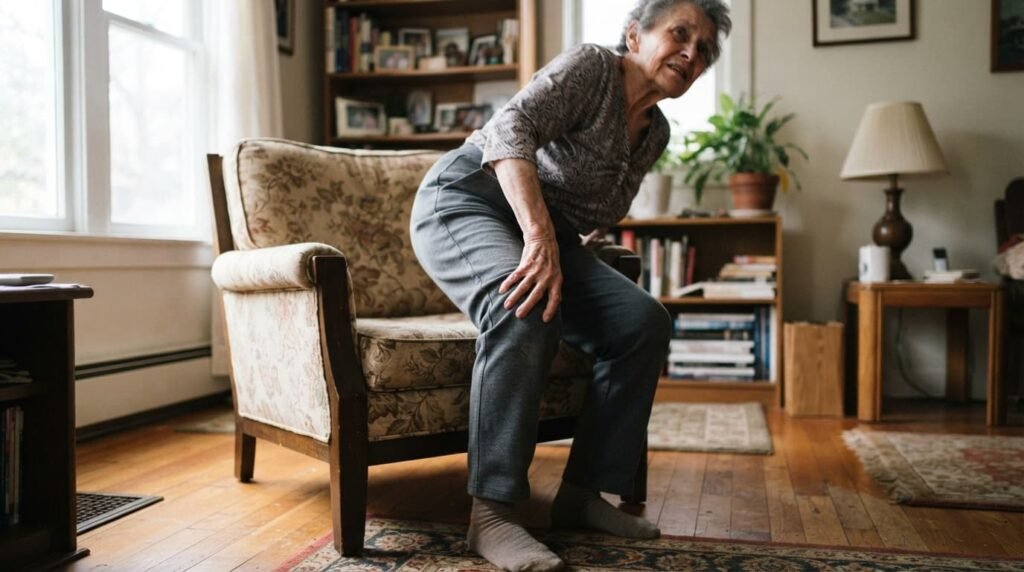
Knee clicking and grinding during movement can feel alarming, though it is not always a cause for concern. Occasional sound without pain is usually harmless, reflecting normal joint movement.
Each of these signals is worth noting rather than dismissing as ordinary tiredness. Tracking when symptoms appear, such as after stairs or long walks, helps identify the underlying pattern.
Knee Cartilage Wear Symptoms Worth Noting
Knee cartilage wear symptoms typically combine sound with additional signals, such as swelling or stiffness. Persistent grinding accompanied by discomfort suggests cartilage surfaces are no longer gliding smoothly.
Early Signs of Knee Problems
Early signs of knee problems are often subtle and easy to dismiss. Watch for:
- Stiffness lasting more than five minutes after standing up
- Mild swelling that appears after activity and settles overnight
- Discomfort on stairs that eases once walking resumes on flat ground
- A sense of the knee giving way unexpectedly during walking
When to See a Doctor for Knee Pain
Knowing when to see a doctor for knee pain prevents minor issues from becoming major ones. Persistent pain lasting more than two weeks, visible swelling, or a noticeable change in walking pattern all warrant professional assessment. Ignoring these signals rarely resolves the underlying mechanical problem. Detailed guidance on non-surgical options, including how Arthrosamid injections work, is available for patients exploring treatment beyond lifestyle changes.
Knee Pain Prevention Tips: How to Strengthen Knees
Knowing how to protect the knees comes down to consistent, manageable habits. Dramatic lifestyle overhauls are rarely necessary.
Daily Habits That Support Joint Health
- Stand and move for a few minutes every hour during desk-based work
- Choose supportive footwear with adequate cushioning and arch support
- Maintain a healthy body weight through balanced nutrition
- Warm up properly before exercise involving running or jumping
- Sleep with a pillow between the knees when lying on one side
How to Strengthen Knees Safely
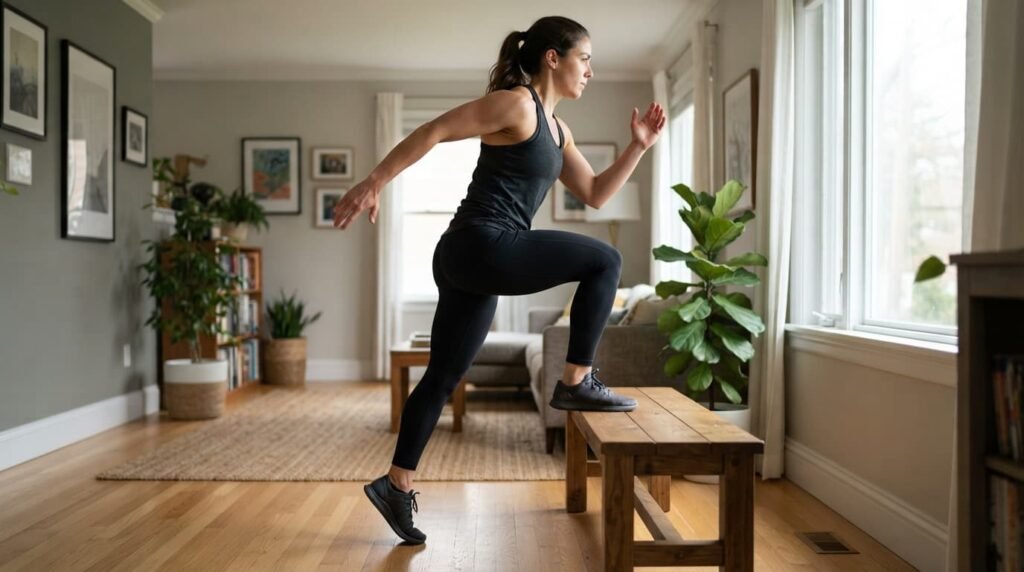
Strengthening knees without adding strain starts with targeted, low-impact exercises. Straight leg raises, wall sits, and step-ups build quadriceps strength gradually. Building strength around the hip, particularly the outer hip muscles, also improves overall joint stability. These knee pain prevention tips work best when practised consistently rather than occasionally.
FAQs
Which habits that damage knees matter most?
Prolonged sitting, poor footwear, incorrect stair-climbing technique, and carrying excess weight rank among the most damaging daily habits. Each one gradually alters joint alignment or increases mechanical load. Combined, these habits accelerate cartilage wear far faster than any single factor alone. Addressing even one or two habits often brings noticeable relief within weeks.
Does sitting too long cause knee pain?
Sitting alone rarely causes knee pain directly, but prolonged sitting weakens the quadriceps and reduces synovial fluid circulation. Combined with poor posture or limited movement elsewhere in the day, this becomes a meaningful contributing factor. Short movement breaks every hour significantly reduce this risk. Standing desks or scheduled walking breaks offer a practical, sustainable solution.
What is the best sleeping position for knee pain?
Side sleeping with a pillow placed between the knees keeps the hips and knees aligned overnight. This position prevents the top leg from pulling the joint out of neutral position. Stomach sleeping and tightly curled foetal positions tend to worsen morning stiffness. Adjusting sleep position is a simple, low-cost change with measurable benefits.
When should someone see a doctor for knee pain?
Persistent pain lasting beyond two weeks, visible swelling, warmth around the joint, or a noticeable limp all warrant professional assessment. Ignoring these signs allows underlying mechanical problems to progress further. Early evaluation typically leads to simpler, less invasive treatment options. Waiting until pain becomes severe usually narrows the available choices.
Can weak quadriceps really cause knee pain?
Yes, weak quadriceps significantly increase the load placed directly on knee cartilage. The thigh muscles normally absorb much of the force generated during walking, climbing, and standing. Without that support, cartilage bears a disproportionate share of daily mechanical stress. Targeted strengthening exercises, performed consistently, help restore this protective balance.
Can knee pain caused by daily habits be reversed?
Many habit-related changes to the knee respond well once the underlying pattern is corrected. Strengthening weak muscles, improving footwear, and adjusting posture often ease discomfort within a few weeks. Cartilage that has already worn down cannot fully regenerate, but further wear can be slowed considerably. Early action produces the best outcomes, making prompt attention to symptoms worthwhile.
Small daily choices shape knee health more than sudden injuries ever do. Long sitting sessions, poor posture, and unsupportive footwear all add cumulative strain to the joint. Stair-climbing technique, exercise surface, and excess body weight compound that pressure further. Awkward sleeping positions add hours of extra stress overnight. Early signs, including clicking, stiffness, or swelling, deserve prompt attention rather than dismissal.
Mr Syed Nadeem Abbas, MBBS, MRCSEd, MSc (Distinction), is an expert in non-surgical knee osteoarthritis treatment.
Read more: Knee Pain in Women Is Not the Same as Knee Pain in Men
Read more: Knee Brace for Osteoarthritis: Find the Right Type for Lasting Pain Relief


