
Kneecap pain affects people of many ages and activity levels across the UK. Discomfort often develops around or beneath the patella, the bone at the front of the knee. Pain in the kneecap tissue can range from a mild ache to sharp, limiting pain that disrupts daily routines. Several conditions contribute to kneecap pain, from overuse injuries to structural problems within the joint. Some cases appear suddenly after a fall or twist, while others build gradually over months. Recognising the underlying cause helps guide the right treatment path and speeds up recovery.
Understanding the Kneecap and Its Role in Knee Movement
Kneecap pain refers to discomfort felt in or around the patella, the bone at the front of the knee joint. The kneecap, medically known as the patella, sits at the front of the knee joint. It connects the thigh muscles to the shin bone through two separate tendons. The quadriceps tendon links the patella to the powerful thigh muscles above it. The patellar tendon links the kneecap to the shin bone, or tibia, below.
This arrangement allows the patella to glide smoothly within a groove in the thigh bone. That groove is known as the trochlear groove and guides movement precisely. Smooth gliding lets the knee bend and straighten without unnecessary friction or strain. A thick layer of cartilage lines the back of the patella for protection. This cartilage absorbs pressure generated during walking, running, and climbing stairs. Damage to any part of this system can trigger patella pain quickly. Poor alignment, weak supporting muscles, or repeated stress often disrupt normal function. Age-related changes can also thin the cartilage over many years of use. Understanding this anatomy makes it far easier to identify why this discomfort develops.
Common Kneecap Pain Causes
Kneecap pain causes vary widely, ranging from sudden injury to gradual, cumulative wear. Some cases stem from a single incident, such as a fall or collision. Others build slowly through repeated movement or underlying poor biomechanics. Identifying the specific cause shapes the most effective treatment plan for each patient. The sections below outline the most frequent contributors seen in clinical practice.

Injury
A direct blow, fall, or knock to the front of the knee often causes sudden pain. This may involve only minor bruising and soft tissue damage. More serious impacts can lead to fracture, dislocation, or ligament damage instead. Swelling often appears within hours of a significant knee injury. Minor injuries usually settle with rest, ice, and gradual movement. More serious injuries need prompt assessment to rule out structural damage.
Sprain or Strain
A strain happens when a muscle is stretched or partially torn during activity. A sprain instead involves stretching or tearing of a ligament around the joint. Swelling, bruising, and difficulty moving the knee often follow this type of injury. Mild sprains and strains usually respond well to rest and anti-inflammatory medication. Severe ligament tears occasionally need surgical repair to regain full stability.
Runner’s Knee and Repetitive Strain
Runner’s knee is a common label for pain felt around the front of the knee. It typically develops from repeated impact during running, jumping, or sustained training. Weak hip and thigh muscles often place uneven pressure on the patella. Tight muscles surrounding the knee can pull the kneecap slightly out of alignment. Kneecap pain after running frequently signals this type of overuse-related strain. Symptoms usually include a dull ache that worsens noticeably with continued activity. Pain often eases with rest but returns quickly once training resumes as normal. Addressing muscle imbalance early prevents this pain from becoming a chronic problem.
Runners benefit most from gradual training increases rather than sudden jumps in mileage. Supportive footwear and correct running technique also reduce unnecessary strain on the joint. Cross-training with lower-impact activities gives overworked tissue valuable time to recover.
Patellofemoral Pain Syndrome
Patellofemoral pain syndrome describes pain around or behind the kneecap without a specific injury. It commonly affects young adults and people heavily involved in sports. Sitting for long periods with a bent knee often triggers noticeable discomfort. Climbing stairs, squatting, and kneeling can also aggravate this particular condition. A grinding or clicking sensation sometimes accompanies movement of the joint.
Weak quadriceps muscles and poor kneecap tracking are frequent underlying factors. Treatment usually focuses on targeted strengthening exercises and sensible activity modification. Physiotherapy plays a central role in correcting faulty movement patterns over time. Most people improve significantly within a few months of consistent, targeted exercise. Returning to sport too quickly can allow symptoms to resurface unexpectedly.
Chondromalacia Patellae
Chondromalacia patellae involves softening and gradual breakdown of cartilage behind the kneecap. This cartilage damage reduces natural cushioning between the patella and thigh bone. Pain often worsens with prolonged sitting or repeated bending of the knee. A grating or crunching sensation may accompany movement in more advanced cases.
Overuse, previous injury, and general muscle weakness all contribute to this condition. Younger, physically active individuals are frequently affected by this particular issue. Mild cases often respond well to structured rest and guided physiotherapy sessions. Severe cartilage damage occasionally requires surgical intervention to restore normal joint function. Strengthening the muscles that support kneecap tracking remains central to recovery.
Patellar Tendonitis and Jumper’s Knee
Patellar tendonitis involves inflammation of the tendon located just below the kneecap. It commonly affects athletes who jump frequently, earning the nickname jumper’s knee. Repetitive stress on the tendon causes microscopic tears to develop over time. Pain typically concentrates just below the kneecap during and after activity. Tenderness and mild swelling often accompany this type of tendon discomfort. Rest, ice, and gradual loading exercises support proper tendon healing over weeks.
Ignoring early symptoms can allow the underlying condition to worsen substantially. Sports involving frequent jumping benefit greatly from proper warm-up routines beforehand. A structured return-to-sport programme reduces the chance of repeat tendon injury.
Dislocated Kneecap and Patellar Fracture
A dislocated kneecap occurs when the patella slips fully out of its groove. This usually results from a direct blow or a sudden, forceful twisting movement. Visible deformity, severe pain, and an inability to bend the knee are common signs. A patellar fracture involves an actual break within the kneecap bone itself. This typically follows a hard fall or direct impact onto the joint.
Both injuries require prompt medical assessment alongside appropriate diagnostic imaging. Treatment ranges from bracing and immobilisation to surgical repair procedures. Delaying treatment for a dislocated kneecap can increase the risk of repeat injury. Early, appropriate care supports better long-term stability within the joint. Rehabilitation after either injury focuses on restoring strength and confident movement.
Patellofemoral Arthritis
Patellofemoral arthritis develops when cartilage within the kneecap groove wears down over time. This gradual wear leads to inflammation, stiffness, and persistent aching pain. Crepitus, a creaking or crackling sensation, often accompanies everyday knee movement. Previous injury, dysplasia, or general long-term overuse can all contribute to this condition. Initial treatment typically includes anti-inflammatory medication alongside guided physiotherapy sessions. Some patients benefit from injections that improve joint lubrication and cushioning, such as Arthrosamid. Surgery becomes an option when conservative treatments fail to provide adequate relief. Many patients manage symptoms successfully for years with the right combination of care.
Osgood-Schlatter’s Disease in Younger Patients
Osgood-Schlatter’s disease affects growing children and teenagers, particularly during rapid growth spurts. It causes inflammation at the point where the patellar tendon meets the shin bone. Pain typically worsens with running, jumping, or prolonged kneeling on hard surfaces. Swelling and tenderness just below the kneecap are common accompanying symptoms.
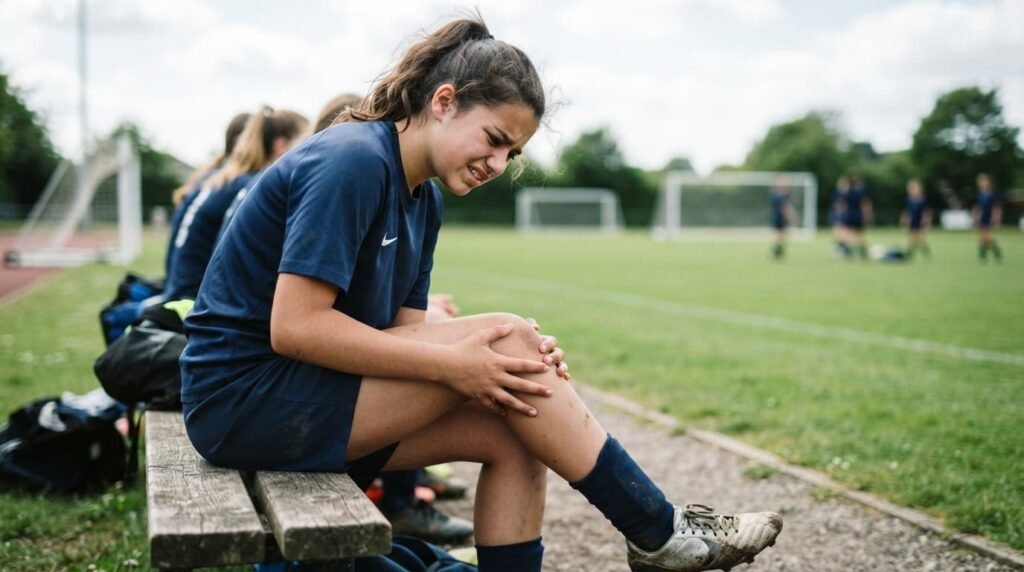
The condition often affects active children heavily involved in competitive sports. Symptoms usually resolve naturally once bone growth reaches completion. Ice, rest, and sensible activity modification manage discomfort during active growth phases. Most cases require no long-term intervention beyond straightforward symptom management. Parents should encourage gradual activity return rather than a complete, prolonged stop.
Who Is Most at Risk of Kneecap Pain
Certain groups face a higher likelihood of developing kneecap-related discomfort. Younger, sporty individuals often experience overuse injuries from repetitive training loads. Women are statistically more prone to this particular syndrome than men. Adults over fifty face a higher risk of cartilage wear and arthritic change.
People carrying excess body weight place an additional daily load on the knee joint. Previous knee injuries also raise the risk of recurring problems later in life. Growing children involved in competitive sport face a distinct set of risks, including Osgood-Schlatter’s disease. Awareness of personal risk factors supports earlier, more effective prevention efforts.
Recognising Kneecap Pain Symptoms When Bending and Kneeling
Pain location and specific movement triggers offer valuable diagnostic clues for clinicians. Common symptom patterns include:
- Kneecap pain when bending, often signalling an underlying patellofemoral problem
- Kneecap pain when kneeling is frequently linked to soft tissue irritation at the front of the joint
- Prolonged pressure during kneeling further inflames the surrounding structures
- Pain under the kneecap felt during stair climbing, often indicating cartilage-related changes
- Morning stiffness that eases with gentle movement, suggesting early arthritic change
- A grinding or clicking sensation that develops alongside patellofemoral pain syndrome
Tracking these patterns carefully helps clinicians narrow down the most likely cause. Keeping a simple note of when pain occurs supports a more accurate diagnosis. Small details about pain timing often reveal the true underlying problem. Patients who track their symptoms closely often reach a diagnosis and receive treatment faster.
How to Treat Kneecap Pain at Home
Understanding how to treat kneecap pain at home helps manage mild symptoms early. Mild kneecap pain often responds well to sensible, home-based care initially. The RICE method remains a reliable starting point for early management. Rest reduces strain on the affected joint and allows healing to begin. Ice applied for short periods helps control swelling and reduces discomfort effectively. Compression with a supportive bandage provides stability during ordinary daily activity. Elevating the leg above heart level reduces fluid buildup around the joint.
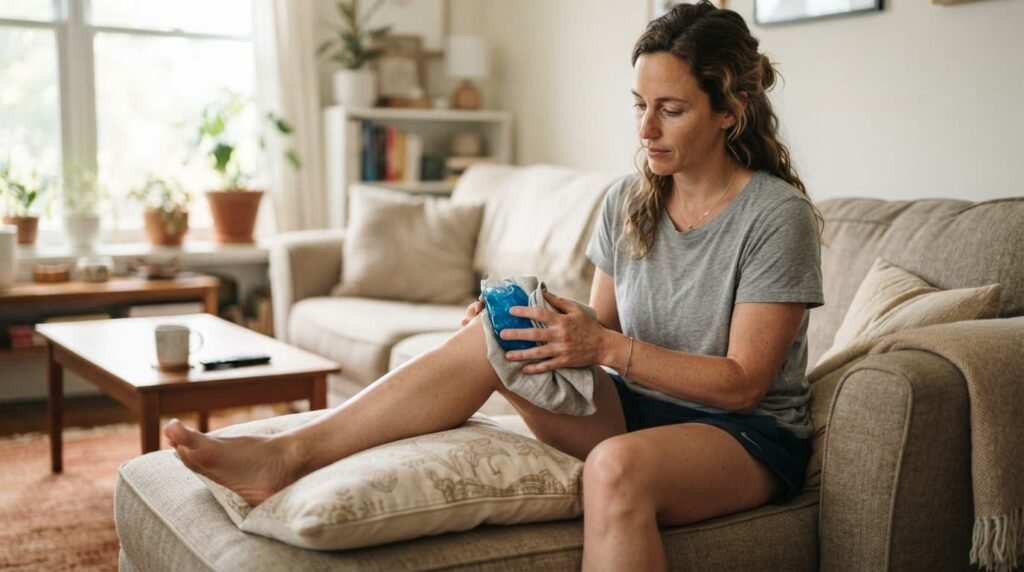
Over-the-counter pain relief, such as paracetamol, manages mild everyday discomfort well. Anti-inflammatory medication can reduce swelling considerably when used exactly as directed. A warm compress or heat pack can ease stiffness once initial swelling settles. Gentle stretching and progressive strengthening exercises support meaningful long-term recovery. A structured approach to kneecap pain treatment prevents minor issues from worsening further. Low-impact activities such as swimming and cycling maintain fitness without added joint strain. Gradually returning to normal activity avoids setting back progress already achieved. Simple dietary changes, including anti-inflammatory foods that support joint health, can complement other home measures. Maintaining a healthy weight throughout recovery reduces ongoing pressure on the knee.
When to See a Doctor for Knee Pain
Some symptoms indicate a genuine need for professional assessment rather than home care alone. Knowing when to see a doctor for knee pain helps prevent complications from developing further. Severe pain that fails to improve after several days of rest warrants review. Visible swelling, redness, or noticeable warmth around the joint needs prompt attention. Inability to bear weight or fully straighten the knee is a clear warning sign.
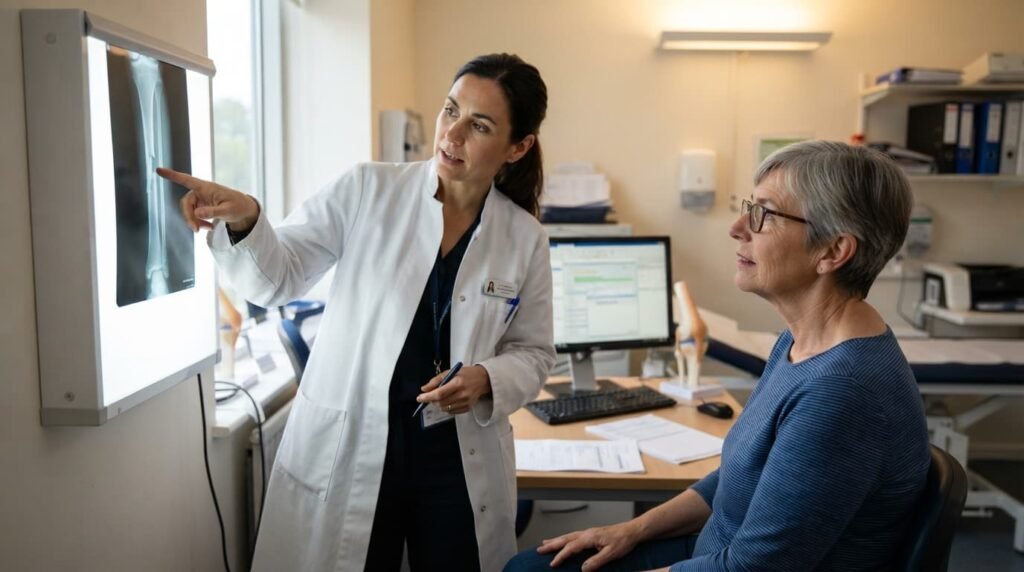
A popping sound heard at the time of injury suggests possible ligament or cartilage damage. Persistent discomfort despite consistent home treatment deserves specialist evaluation without delay. Early diagnosis often leads to simpler, less invasive treatment options overall. A consultant can arrange imaging, such as an X-ray or MRI, to confirm the cause. Prompt assessment supports a faster, more complete recovery in most cases. Video explanations of common assessment steps are available on the clinic’s YouTube channel for those wanting more context.
Preventing Future Kneecap Pain
Prevention strategies meaningfully reduce the likelihood of recurring joint problems over time. Maintaining a healthy body weight lowers the ongoing pressure placed on the knees. Warming up properly before exercise prepares muscles and tendons for the coming activity. Strengthening the muscles around the hip and thigh supports better kneecap alignment. Choosing supportive, well-fitted footwear helps maintain proper leg positioning during movement. Increasing exercise intensity gradually reduces the strain placed on developing tissue.
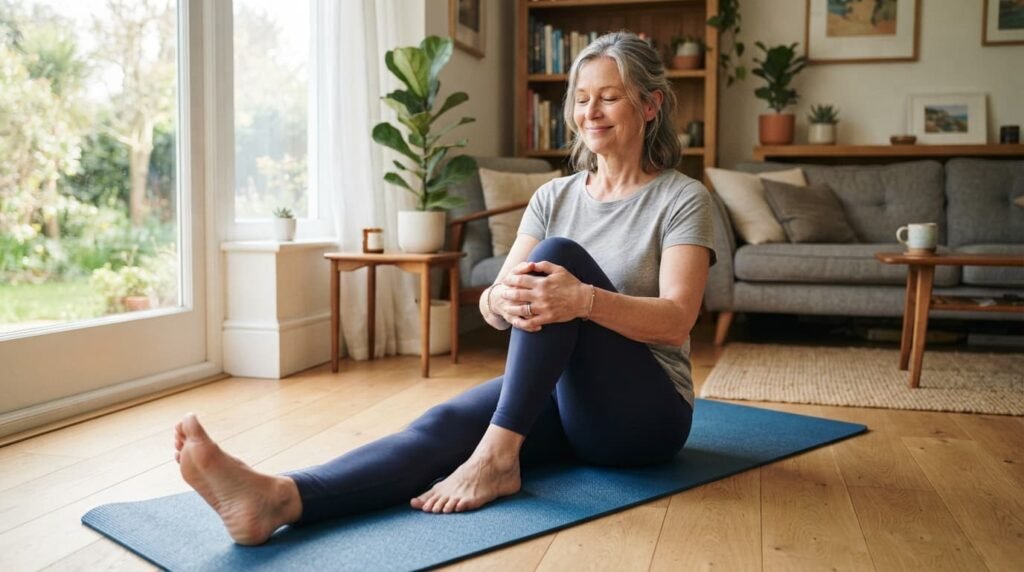
Low-impact cross-training protects joints while still maintaining overall fitness levels. Stretching regularly keeps surrounding muscles flexible and reduces tension on the patella. Balanced strength across the whole leg, not just the thigh, matters considerably. These combined habits support long-term knee health, comfort, and everyday mobility.
Frequently Asked Questions
What causes kneecap pain without an obvious injury?
Overuse, muscle weakness, and poor kneecap tracking often cause pain without any injury. This particular syndrome is a common example of this gradual pattern.
Is knee pain when kneeling serious?
Kneecap pain when kneeling is often linked to soft tissue irritation at the front of the joint. Persistent or worsening symptoms should be reviewed by a healthcare professional.
Can kneecap pain treatment work without surgery?
Most kneecap pain treatment involves rest, physiotherapy, and carefully targeted exercise. Surgery is generally reserved for severe or unresponsive cases.
Why does kneecap pain occur when bending the knee?
Kneecap pain when bending often relates to cartilage stress building behind the patella. Weak thigh muscles can increase this pressure considerably.
When should someone see a doctor for knee pain?
Anyone experiencing severe swelling, visible deformity, or an inability to walk needs prompt assessment. This guidance on when to see a doctor for knee pain applies equally to sudden injuries and gradually worsening symptoms.
Does age affect recovery from kneecap pain?
Older adults often heal more slowly due to reduced cartilage thickness and circulation. A recovery plan matched to individual needs considers age, activity level, and overall joint health.
Kneecap pain stems from many possible causes, ranging from overuse to acute injury. Overuse patterns and cartilage-related changes remain among the most common contributors, alongside a handful of structural conditions covered earlier. Home treatment helps many mild cases, while persistent symptoms need professional evaluation. Recognising specific pain patterns supports faster, more accurate diagnosis and treatment planning. Prevention through strength, flexibility, and gradual training meaningfully reduces future risk.
Mr Syed Nadeem Abbas provides expert assessment and treatment for kneecap pain and related knee conditions.
Read more: How Patellofemoral Pain Syndrome Differs From Knee Osteoarthritis
Read more: How Ultrasound-Guided Knee Injections Improve Pain Relief


