Overweight Knee Pain Relief for Arthritis and Joint Health

Overweight knee pain relief becomes even more important when arthritis is part of the problem. Arthritis knee pain can make the joint feel stiff, swollen, and painful during everyday movement, while extra body weight increases the load the knee has to carry with every step. This combination can turn mild discomfort into ongoing pain and make walking, standing, or climbing stairs much harder.
Many people think knee pain is only about age. Age matters, but weight matters too. That is why Overweight and Knee Pain should never be treated as separate issues.
The knee is a weight-bearing joint. Every step sends force through cartilage, bone, ligaments, and surrounding soft tissue. Walking can place a force on the knees that is several times body weight. It also means that even a modest drop in body weight can reduce the load on the joint during daily movement. That is a big return from a small change.
For people with knee osteoarthritis, Arthrosamid injection london may also be discussed as a modern treatment option when symptoms continue despite lifestyle changes and non-surgical care. It is used as a long-lasting, non-surgical approach for selected patients, while weight management, joint support, and safe exercise still remain important parts of overall knee pain relief.
Arthritis Makes Knee Pain Worse
Arthritis adds another layer. Knee osteoarthritis happens when joint structures wear down over time, often with stiffness, swelling, and pain. Official Arthrosamid patient resources describe knee osteoarthritis as a symptomatic condition in adults for which injection-based treatment may be considered.
When you add weight to an already irritated joint, the cycle can speed up. Weight gain and knee pain often sit in the same story, and the story usually gets worse when movement drops. Less movement can mean weaker muscles. Weaker muscles can mean less support. Less support can mean more pain. Knees really do enjoy making their point.
Many patients also look into arthrosamid injection cost uk while considering non-surgical treatment options for knee osteoarthritis.
How Weight and Knee Pain Affect Daily Movement
Weight and Knee Pain show up most clearly during normal tasks. Walking to the shop. Standing in the kitchen. Getting out of a chair. Climbing stairs. None of these feel dramatic until they start hurting.
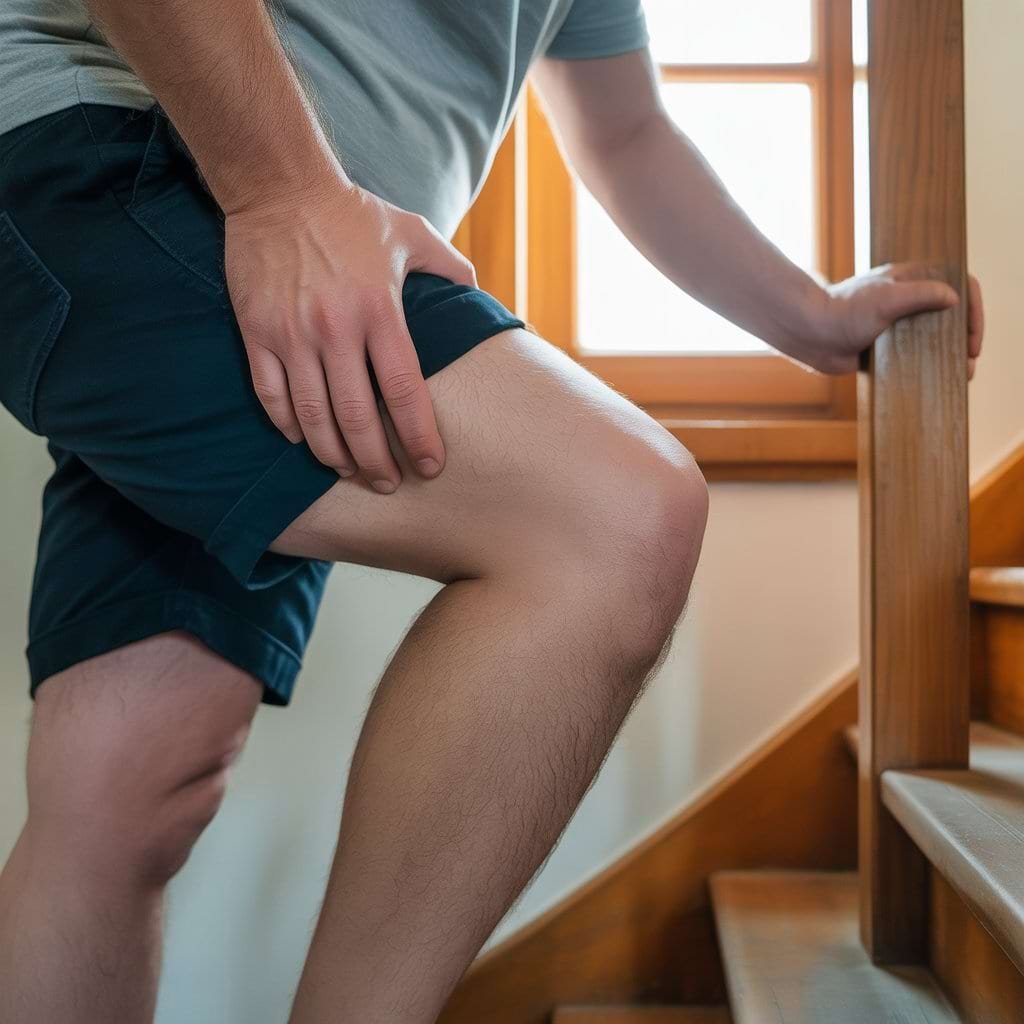
That same practical view matters here. How Weight Affects Your Knees becomes obvious during repeated daily movement, not only during sport or gym sessions.
Body Weight and Knee Health Are Closely Linked
When clinicians talk about body weight and knee health, they are looking at both mechanics and inflammation. Obesity can increase inflammation throughout the body and may raise the risk of osteoarthritis and knee symptoms.
That is why obesity and knee pain do not come only from carrying more mass. Chemical signals linked to body fat may also affect inflammation. This is part of how extra weight affects knee joints beyond simple wear and tear.
This also explains why overweight and joint pain may not stay limited to one knee forever. The body works as a system. If one area hurts, movement patterns change. Then other joints start complaining too.
Signs Your Knee Symptoms May Be Linked to Arthritis
Knee pain does not always mean arthritis, but some warning signs deserve attention. If the joint feels stiff after rest, hurts more with stairs, swells after activity, or makes you move less, arthritis becomes more likely. Knee osteoarthritis can leave the joint stiff, swollen, and painful over time.
If that sounds familiar, knee pain from being overweight may be part of a bigger arthritis picture rather than a simple strain.
Common Signs People Brush Off
Some people ignore early symptoms because they can still manage. That usually means limping a bit, pausing more often, or avoiding certain movements and pretending this is strategy rather than surrender.
Watch for these patterns in daily life:
- pain after walking short distances
- stiffness first thing in the morning
- discomfort when getting up from a sofa
- pain that flares with stairs or bending
- a growing sense of weight-related knee problems
These signs may point to knee pain caused by weight gain, especially if symptoms appeared gradually as activity dropped and body weight rose.
Losing Weight for Knee Pain Relief Without Making Things Worse
Overweight knee pain relief does not mean chasing perfection. It means reducing stress on the joint in a realistic way.
Moderate exercise, better food choices, and realistic goals can make a clear difference. Even a modest reduction in body weight may improve knee health and reduce pain.
Movement That Helps Instead of Hurts
If the knee already hurts, high-impact exercise can feel like bad advice wrapped in good intentions. Start lower. Brisk walking on flat ground, cycling, swimming, and guided strengthening work are usually more joint-friendly than jumping or deep twisting drills.
For many readers, losing weight for knee pain relief works best when the plan protects the joint while building confidence. Small wins matter. One extra walk this week is better than one heroic workout followed by three days of regret.
Food Habits Matter Too
Food affects weight, and weight affects knees. That link sounds obvious, but it becomes easier to act on when the goal is pain reduction rather than just appearance. Better eating supports Being Overweight and Knee Health in a direct way. Less excess body fat may help reduce load and may also support lower inflammation over time.
Key Strategies That Support Overweight Knee Pain Relief
Lifestyle changes work best when they are practical enough to repeat. The goal is not to win one perfect day. The goal is to make the knees deal with less strain, more support, and better daily habits.
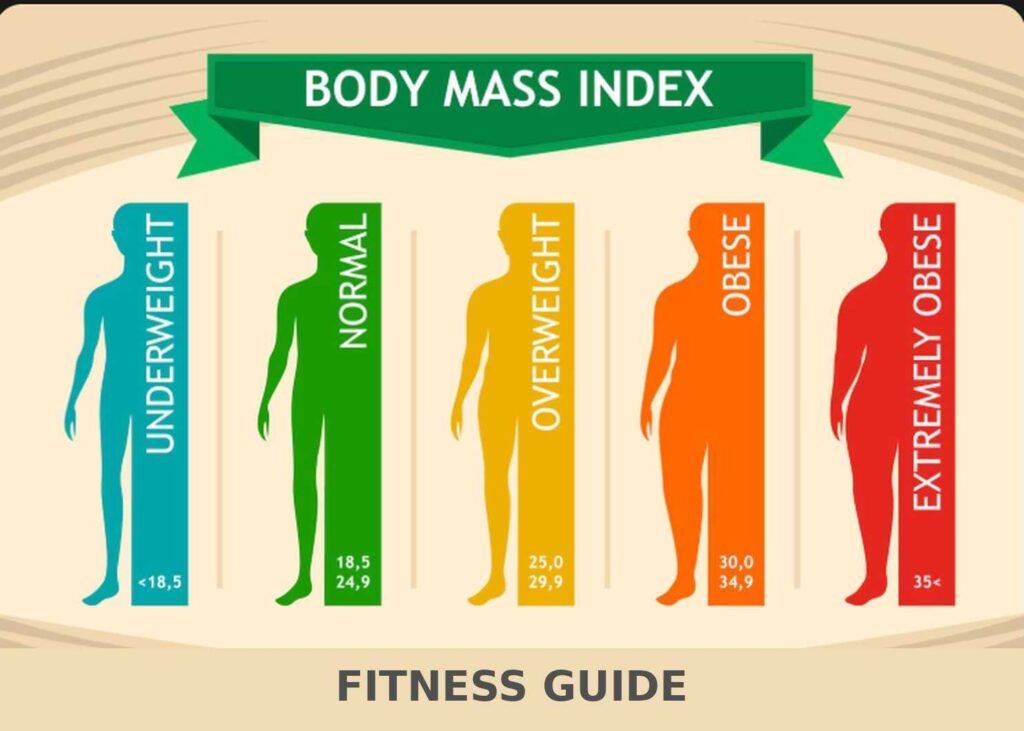
Weight Management Reduces Pressure on the Joint
One of the strongest ways to improve Overweight and Knee Pain is to lower the load placed on the knees. Extra pounds increase force through the joint during walking and standing, which is why pressure on knees from weight often builds over time. A meaningful drop in body weight may improve mobility, reduce pain, and make daily activity feel less draining.
Low-Impact Exercise Helps Without Adding Joint Stress
When people think of exercise, they often picture hard workouts. Sore knees usually disagree. Low-impact movement is often a better fit for overweight knee pain relief because it supports fitness without adding too much strain.
Walking and Water-Based Activity
Gentle walking can help keep the joint moving, while water-based exercise may feel even easier for painful knees. Swimming, water aerobics, and walking in water support cardiovascular health while lowering the load on the joint. This can be especially useful for people dealing with excess weight and knee pain.
Cycling for Safer Knee Movement
Cycling, whether on a stationary bike or outdoors, helps strengthen the muscles around the knee without heavy impact. It can be a good option for people affected by weight gain and knee pain, especially when walking long distances still feels difficult.
Flexibility Work and Gentle Yoga
Gentle stretching and simple flexibility exercises can improve range of motion and reduce stiffness. These movements may help people understand How Weight Affects Your Knees in a very practical way, because better flexibility often makes daily movement smoother and less guarded.
Muscle Strengthening Gives the Knee More Support
The knee does not work alone. It relies on strong surrounding muscles to control movement and reduce strain. That matters even more when overweight and knee osteoarthritis are both part of the picture.
Leg Lifts
Leg lifts are a simple way to activate and strengthen the thigh muscles without putting too much pressure through the knee. This can help support the joint in a controlled way.
Hamstring Curls
Hamstring curls work the muscles at the back of the thigh, helping the knee stay more stable during everyday movement such as walking and standing. Stronger hamstrings can reduce some of the joint stress from excess weight.
Wall Sits
Wall sits can help build quadriceps strength without repeated joint bending. For some people, they are a useful part of managing knee pain caused by weight gain while improving control and endurance.
Joint Support and Protection Can Make Daily Life Easier
Sometimes small support tools make a noticeable difference.
Knee Braces and Sleeves
Knee braces or sleeves may improve stability and reduce discomfort, especially for people dealing with overweight and knee osteoarthritis. They do not remove the cause, but they can make movement feel more secure.
Supportive Footwear
Soft, cushioned shoes can reduce impact while walking. Good footwear is an easy but often overlooked part of body weight and knee health because it helps lower repeated stress through the knee.
Simple Pain Relief Steps Can Help Control Flare-Ups
Pain relief does not always have to begin with stronger treatment.
Dietary Changes
An eating plan that supports healthy weight loss and includes anti-inflammatory foods may help with obesity and knee pain over time. Better food choices can support both joint comfort and weight control.
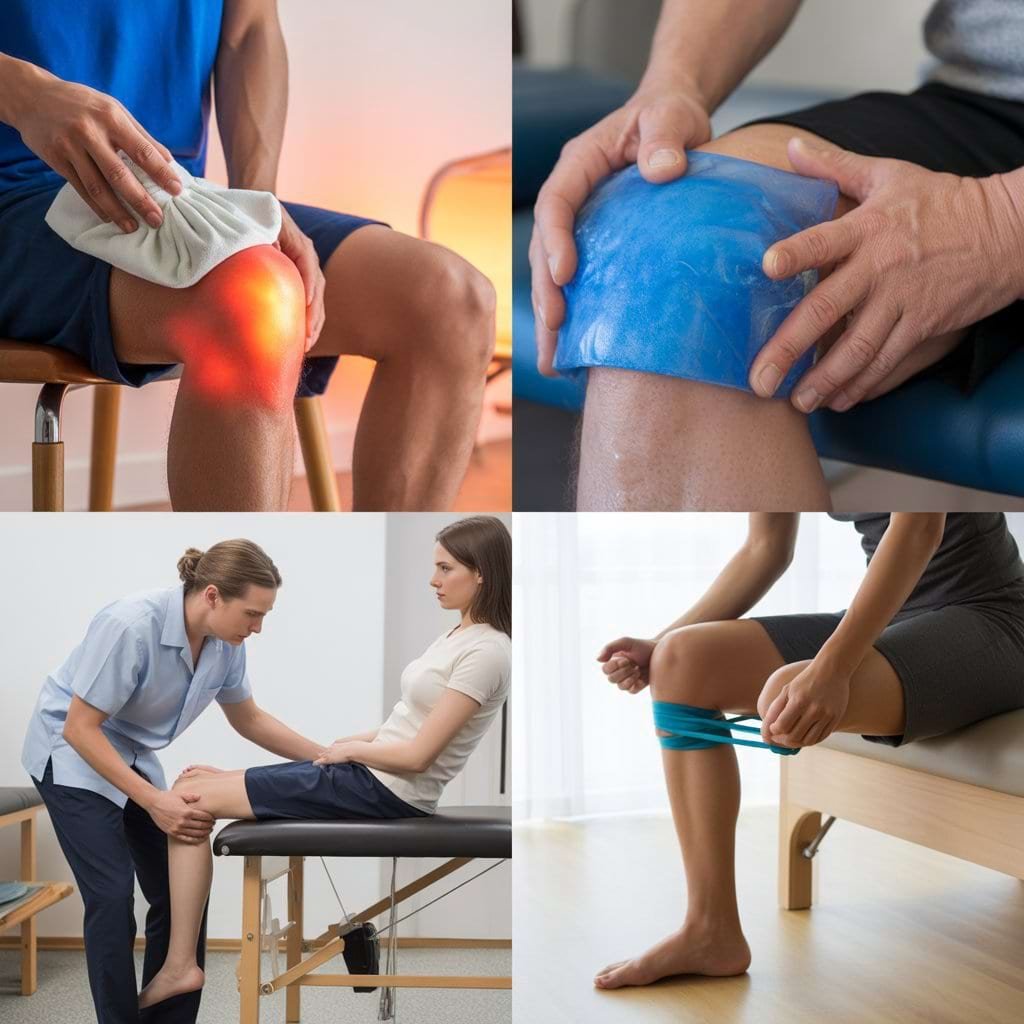
Heat and Ice
Ice may help calm swelling after activity, while heat can ease stiffness before movement. These simple methods can make weight-related knee problems easier to manage day to day.
Professional Guidance Adds Safety and Structure
If pain becomes severe, swelling stays persistent, or walking becomes difficult, professional support matters. A GP or physiotherapist can help build a safe exercise and treatment plan, especially when symptoms suggest arthritis rather than a short-term flare-up.
Knee Pain Needs More Than Lifestyle Changes
Sometimes people do many things right and still hurt. That does not mean they failed. It means the joint may need more help.
This is often the stage where overweight and knee osteoarthritis becomes a treatment discussion rather than just a lifestyle discussion. Medical review may be worth considering if pain keeps limiting sleep, stairs, work, walking, or normal activity.
Treatment Options for Arthritis-Related Pain
A clinician may suggest a mix of exercise therapy, weight management, pain relief, bracing, imaging, or injections depending on symptoms and severity. Arthrosamid is intended for symptomatic treatment of adult patients with knee osteoarthritis and is described as a minimally invasive, long-lasting option for selected patients.
That does not make it the first step for everyone. It does make it relevant when the impact of obesity on knees and arthritis symptoms continue despite conservative care.
Where Arthrosamid Injection May Fit
If knee osteoarthritis is confirmed, a patient may ask whether injection treatment could help reduce pain and improve function. Arthrosamid is described as a non-absorbable biocompatible hydrogel that remains in the knee as part of the synovial tissue and is intended to help with symptomatic knee osteoarthritis.
That is why some clinicians may discuss it when joint stress from excess weight has become part of a broader arthritis problem. It may be especially relevant for patients trying to delay more invasive treatment, though suitability depends on individual assessment and contraindications.

For internal linking on your site, this section could naturally link to your existing articles on injection comparison, recognition of knee osteoarthritis, and non-surgical knee pain treatments.
FAQ
Can excess weight and knee pain improve with modest weight loss?
Yes. Even a modest reduction in body weight can reduce the load through the knees during walking, which is why small changes can still matter.
Is knee pain caused by weight gain always arthritis?
No. Knee pain caused by weight gain may come from overload, soft tissue strain, or arthritis. Persistent stiffness, swelling, or pain with daily movement makes arthritis more likely and should be assessed by a clinician.
What is the impact of obesity on knees over time?
The impact of obesity on knees includes higher joint load, more inflammation, and a higher risk of osteoarthritis progression.
Can losing weight for knee pain relief reduce the need for injections?
Sometimes. Some patients improve enough with movement, strengthening, and weight reduction. Others still need medical treatment. The right next step depends on symptoms, arthritis severity, and clinical review.
Does knee damage from obesity mean surgery is the only answer?
No. Knee damage from obesity does not automatically lead to surgery. Conservative care, rehabilitation, and in some cases injection-based treatment may still be discussed first. Arthrosamid may be one non-surgical option for selected adult patients with knee osteoarthritis.
Overweight knee pain relief works best when readers understand the real problem: load, inflammation, and arthritis often act together. If symptoms are mild, steady lifestyle changes may help a lot. If the pain is persistent, swelling grows, or movement keeps shrinking, medical review matters. For some people with confirmed osteoarthritis, treatment discussions may eventually include injection-based options such as Arthrosamid alongside broader joint care.
Read more: Arthosamid vs Hyaluronic Acid Injection: Which One Works Better?
Read more: Modern Osteoarthritis Treatment Alternative to Knee Replacement Injection