
Joint pain causes more disruption to daily life than most people anticipate. One morning the alarm goes off, and within minutes of getting up, the knees are stiff, the fingers ache, and the first few steps feel like a negotiation. Whether it is a dull throb after a long walk or a sharp stab when climbing stairs, joint pain is the body’s way of signalling that something inside needs attention.
It affects people of every age, every activity level, and almost every joint in the body. Millions of adults in the UK experience some form of joint pain each year, with the knees, hips, hands, and shoulders most commonly affected. What makes it particularly complex is that the same symptom of an aching, swollen, or stiff joint can have dozens of different underlying causes. Arthritis is the most well-known, but infection, injury, hormonal changes, and viral illness can all produce identical symptoms. Getting the cause right is what determines whether the treatment actually works.
Why Do Joints Hurt?
Understanding causes of joint pain starts with understanding what a joint actually does. Joints connect bones, absorb impact, and allow movement. When anything disrupts that system — inflammation, cartilage wear, infection, injury — pain follows.
Arthritis: The Most Common Culprit
If I had a pound for every time someone assumed their joint pain was “just aging,” I would have retired by now. Osteoarthritis is the leading cause of joint pain and stiffness in adults over 45. The cartilage that cushions your bones gradually wears down, leaving bones grinding against each other. Pain that is worse when walking and stiffness after sitting are classic signs.
Rheumatoid arthritis is different — it is an autoimmune condition where the immune system attacks the joint lining. It typically causes joint pain on both sides of the body, particularly the hands and wrists, and is noticeably worse after long periods of not moving.
Joint Pain After Injury
Joint pain after injury is straightforward in most cases a fall, a twist, or overuse during sport. Sprains and strains cause pain and swelling around the affected area, usually improving with rest within a couple of weeks. If it does not, that is a signal worth acting on.
Joint Pain After Illness
This one surprises people. Joint pain after illness — particularly following viral infections like flu, COVID-19, or glandular fever — is well documented. The immune response that fights off the virus can trigger inflammation that settles into joints, sometimes for weeks.

Gout: The Unexpected Offender
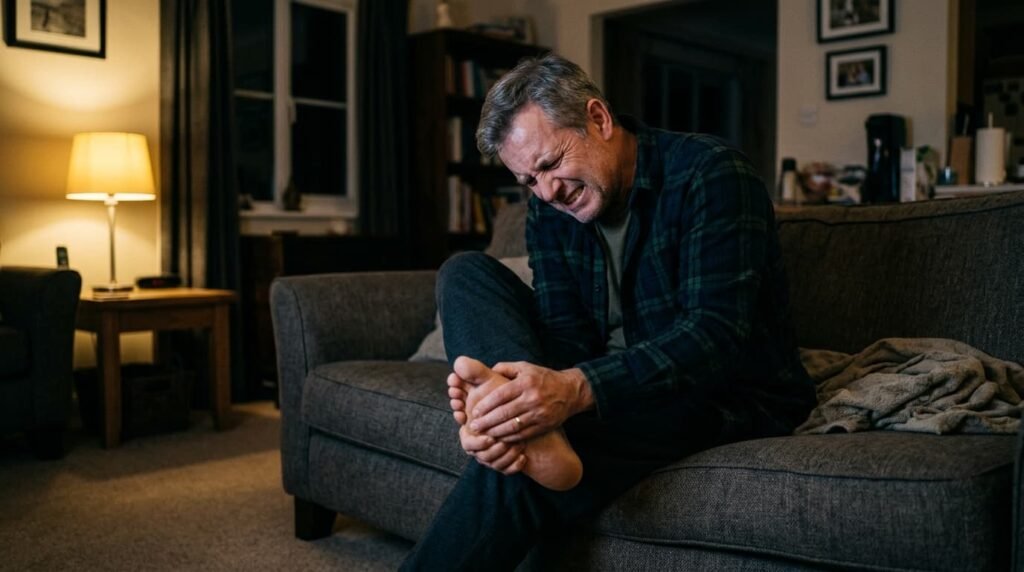
Gout symptoms toe pain is one of the most recognisable presentations in clinical settings — a sudden, intensely painful hot and swollen big toe, usually arriving overnight. Gout is caused by uric acid crystals forming inside the joint. Diet, alcohol, and dehydration all contribute.
Bursitis and Tendinitis
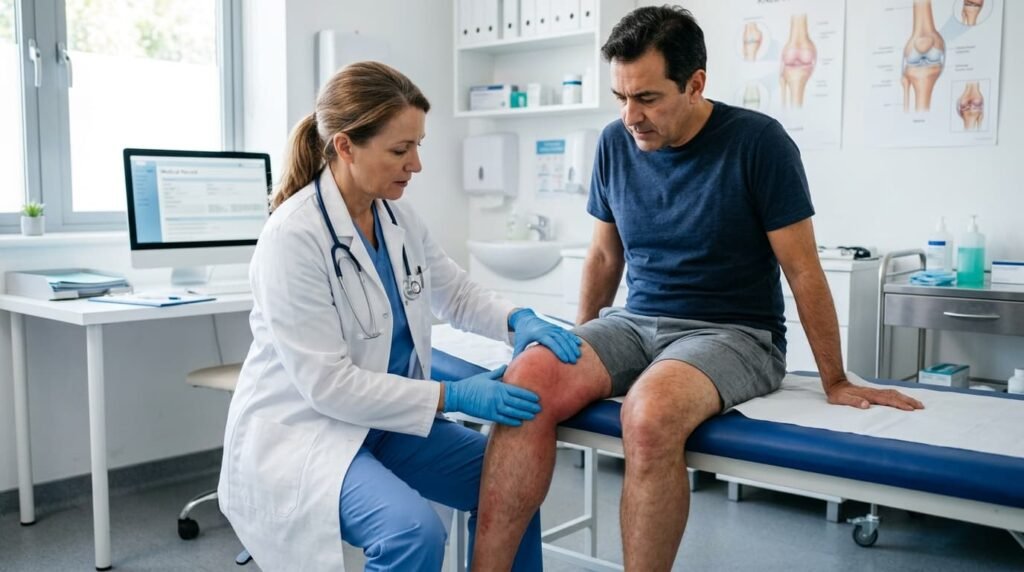
Bursitis symptoms include a warm, swollen joint — most commonly the hip, knee, elbow, or shoulder — that is painful to move or press. It develops from repetitive movement or overuse. Tendinitis follows a similar pattern, affecting the tendons connecting bone to muscle at the elbow, heel, or shoulder.
Joint Pain Symptoms That Deserve Attention
Not every aching joint sends the same message. Recognising the specific pattern of your joint pain symptoms helps determine the likely cause and the best course of action.
Joint Stiffness in the Morning
Waking up stiff is one of the most reported symptoms across all age groups. Joint stiffness in the morning that loosens up within 30 minutes usually points toward osteoarthritis. Stiffness lasting longer than 30 minutes, particularly affecting both sides of the body, is more commonly associated with rheumatoid arthritis and warrants a GP assessment.
Swollen, Hot, or Clicking Joints
Swollen painful joints that feel warm to touch — a hot swollen joint — alongside a high temperature may indicate joint infection, known as septic arthritis. This needs urgent medical attention. Clicking joints pain on its own, without swelling or significant discomfort, is usually harmless. When clicking is accompanied by pain and restricted movement, it is worth investigating further.
Joint Pain and Fatigue Together
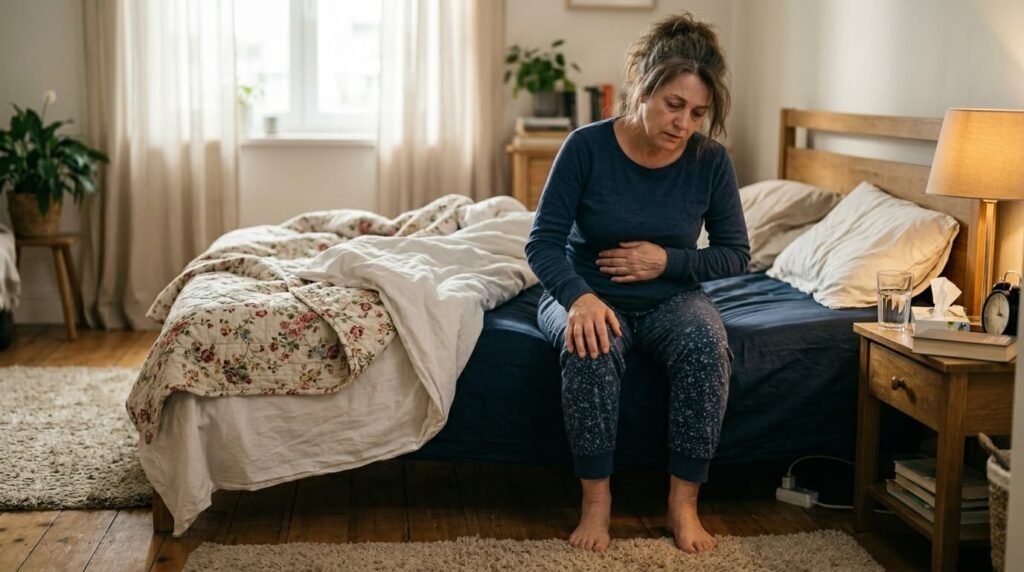
Joint pain and fatigue occurring together is a combination I see flagged frequently. It can suggest an underlying autoimmune condition such as rheumatoid arthritis, lupus, or fibromyalgia. Neither symptom alone is enough to reach a conclusion — but together, they represent a pattern that needs professional evaluation.

Sudden Joint Pain
Sudden joint pain with no clear cause — particularly in a single joint with redness and heat — should not be dismissed. Gout, septic arthritis, and reactive arthritis can all present this way. Sudden onset in a previously healthy joint deserves same-day medical review.
Who Gets Joint Pain and Why
Joint pain causes affect different groups in different ways. Age, gender, activity level, and underlying conditions all play a role.
Joint Pain in Young Adults
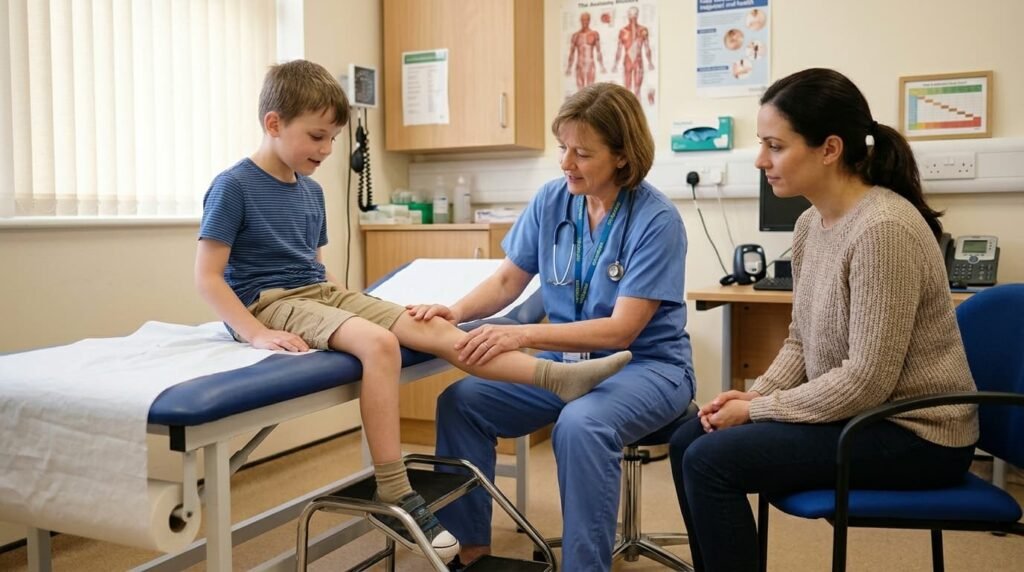
Joint pain in young adults is more common than many expect. Overuse injuries from sport, reactive arthritis following infection, and inflammatory conditions like ankylosing spondylitis can all present before the age of 35. If a young person is experiencing persistent joint pain in multiple joints, early investigation is genuinely important — catching inflammatory conditions early makes a significant difference to long-term outcomes.
Joint Pain in Older Adults
Joint pain in older adults is largely driven by osteoarthritis, with the knees, hips, and hands most commonly affected. Years of use do accumulate — but that does not mean the pain is inevitable or untreatable. Many older adults see meaningful improvement through physiotherapy, weight management, and targeted exercise.
Joint Pain Menopause
Joint pain menopause is an underreported and often misunderstood issue. The drop in oestrogen that accompanies perimenopause and menopause directly affects joint and cartilage health, leading to widespread aching joints all over — particularly in the hands, knees, and hips. Many women are surprised to learn that hormonal changes, not arthritis, are behind their symptoms.
The Less Obvious Joint Pain Causes Worth Knowing
Some joint pain causes do not fit the usual arthritis-or-injury explanation, and these are the ones most likely to be missed.
Joint Pain Without Swelling
Joint pain without swelling can be just as significant as the visibly inflamed variety. Fibromyalgia, early osteoarthritis, and hypermobility conditions can all cause persistent pain with no obvious external sign of inflammation.
Joint Pain Without Arthritis
Joint pain without arthritis is more common than the headlines suggest. Bursitis, tendinitis, hypothyroidism, Lyme disease, and even vitamin D deficiency have all been linked to joint pain in people with no arthritis diagnosis.
Joint Pain Worse in Cold Weather
Joint pain worse in cold weather is widely reported and scientifically plausible. Cold temperatures cause soft tissue to contract and joint fluid to thicken, increasing stiffness and discomfort. Keeping warm and staying active during winter months helps significantly.
Joint Pain After Exercise
Joint pain after exercise in the short term — especially after a new activity — is usually normal muscle response. Persistent or worsening pain following exercise, particularly with swelling or warmth, suggests the joint is being overloaded and needs rest and assessment.
Joint Pain and High Temperature
Joint pain and high temperature together indicate something more serious than standard osteoarthritis. Septic arthritis, reactive arthritis, and some viral infections can all produce this combination. Do not wait this one out.
Location Matters: Where Is Your Pain?
Joint pain causes can often be narrowed down by location.
Knee pain NHS guidance highlights osteoarthritis, bursitis, and ligament injuries as the top causes of knee problems in the UK. Hip pain NHS resources most commonly reference arthritis, bursitis, and referred pain from the lower back. Shoulder pain NHS pages point toward rotator cuff issues, frozen shoulder, and bursitis as frequent culprits.
Joint pain in hands and fingers — particularly in the morning, or with visible nodules forming at the knuckles — often signals osteoarthritis or rheumatoid arthritis. Joint pain when bending the knee or hip is one of the most common early osteoarthritis presentations, as the joint is loaded most heavily in flexion.
Joint pain when walking that worsens over a day and improves with rest typically points toward mechanical joint wear. Pain that is worse in the morning and improves with movement is more likely inflammatory in origin.
Joint Pain Home Remedies That Actually Help
Before reaching for medication, there are joint pain home remedies worth trying — and some have solid evidence behind them.
Simple Steps for Relief at Home
- Ice pack for joint pain: Applying a wrapped ice pack for up to 20 minutes every two to three hours reduces acute swelling and pain effectively. Do not apply ice directly to skin.
- Gentle movement: Complete rest sounds appealing but is not always beneficial. Gentle, low-impact movement — short walks, swimming, stretching — keeps the joint lubricated and reduces stiffness.
- Weight management: Every kilogram of extra body weight places approximately four kilograms of additional force on the knees. Even modest weight loss makes a measurable difference.
- Anti-inflammatory foods: Oily fish, turmeric, ginger, and leafy greens support reduced inflammation over time.
- Warm soaking: A warm bath or heat pad applied to stiff joints can ease discomfort, particularly in the morning.
Consistency matters more than any single remedy. Small, regular habits outperform one-off interventions every time.
When to See a Doctor for Joint Pain
Knowing when to seek medical advice for joint pain is something many people are uncertain about — and the answer is often clearer than it seems.
Is Joint Pain Serious?
Not always. But it becomes a medical concern when it interferes with daily activities, does not improve after two weeks of home management, or is accompanied by swelling, fever, or unexplained weight loss.
Joint Pain Not Improving After 2 Weeks
Joint pain not improving after 2 weeks of rest and home treatment warrants a GP appointment. Do not assume it will eventually go away on its own early diagnosis consistently leads to better outcomes.
NHS Physiotherapy and Referral
NHS physiotherapy referral joint pain is available without a GP referral in many UK areas through NHS community musculoskeletal services. If your GP recommends physiotherapy, take it seriously — a structured programme makes a real, measurable difference to both pain and function.
Joint Pain in Children NHS
Joint pain in children NHS guidance is clear: any child experiencing persistent joint pain, swelling, or a limp should be assessed by a GP without delay. Juvenile idiopathic arthritis and reactive arthritis both present in childhood and respond well to early treatment.
When to Go to A&E for Joint Pain
When to go to A&E for joint pain — go immediately if the joint has been seriously injured, is visibly deformed, cannot bear weight, or you have joint pain alongside a high fever and feel generally unwell. These situations require same-day emergency care.
FAQ
What are the most common joint pain causes in adults?
The most common joint pain causes include osteoarthritis, rheumatoid arthritis, gout, bursitis, tendinitis, injury, and viral illness. Osteoarthritis is the leading cause in adults over 45, while joint pain after illness is increasingly recognised as a significant trigger in all age groups.
Can joint pain occur without swelling?
Yes. Joint pain without swelling is common in conditions like fibromyalgia, early osteoarthritis, and vitamin D deficiency. The absence of visible swelling does not mean the pain is insignificant — it simply points toward different underlying joint pain causes.
Is joint pain a serious condition?
It depends on the cause. Most joint pain causes are manageable with appropriate treatment. However, hot swollen joint with fever, sudden joint pain in a single joint, or joint pain and high temperature together can indicate a medical emergency and require prompt attention.
Why is joint stiffness worse in the morning?
Joint stiffness in the morning occurs because the joint fluid thickens and soft tissues stiffen during periods of inactivity overnight. In osteoarthritis, this usually clears within 30 minutes of movement. In rheumatoid arthritis, it tends to last longer.
When should I go to A&E for joint pain?
When to go to A&E for joint pain if the joint is severely injured, visibly deformed, unable to bear weight, or accompanied by fever and general illness, seek emergency care immediately. For less urgent but persistent symptoms, joint pain not improving after 2 weeks is the threshold for a GP visit.
Can menopause cause joint pain?
Yes. Joint pain menopause is caused by declining oestrogen levels, which reduce the joint’s natural cushioning and anti-inflammatory protection. It most commonly affects the hands, knees, and hips, and is frequently mistaken for early-onset arthritis.
Is joint pain in young adults common?
More common than most people realise. Joint pain in young adults can stem from overuse injuries, reactive arthritis following infection, ankylosing spondylitis, and inflammatory bowel disease-related arthritis. Early assessment is always worthwhile.
How can I relieve joint pain naturally at home?
How to relieve joint pain naturally starts with applying an ice pack for joint pain to reduce acute inflammation, followed by gentle movement, warm soaking for stiffness, anti-inflammatory foods, and maintaining a healthy weight. These joint pain home remedies are most effective when practised consistently rather than occasionally.
Joint pain causes range from the entirely mechanical to the autoimmune, the hormonal to the infectious. Some resolve with rest and time. Others need medical attention. And a few are urgent. The key is knowing the difference.
I always say, your body is a pretty good communicator; it is just that most of us are reluctant listeners. If your joints have been sending signals for more than two weeks, it is time to respond. Start with your GP, follow the joint pain NHS pathway, and if physiotherapy is recommended, commit to it. The earlier you act, the better your long-term outcome.
Read more: Arthrosamid Knee Injection Long Lasting Relief or a Permanent Solution
Read more: Knee Pain in Men Over 60 – Exploring the Condition and Available Treatments


