Gout in the Knee Causes, Symptoms and Effective Treatment

✅ Medically reviewed | Updated July 2026
Gout in the knee joints develops when uric acid crystals build up inside the joint capsule. This build-up triggers sudden pain, swelling, and heat around the joint. The condition often starts in the big toe but frequently spreads to larger joints. Patients dealing with gout in knee flare-ups sometimes mistake early symptoms for an injury. Understanding what causes this build-up helps patients recognise symptoms early. Recognising the pattern also supports faster, more appropriate treatment.
What Is Gout in the Knee
Gout is a form of inflammatory arthritis caused by excess uric acid in the bloodstream. When levels rise too high, the acid forms sharp crystals instead of staying dissolved in joint fluid. These crystals settle inside the joint lining. The immune system then reacts, sparking sudden and severe inflammation.
Gout in knee joints tends to appear suddenly, often overnight, catching patients off guard. Unlike gradual wear-related conditions, gout attacks can peak within twenty-four hours. The knee becomes hot, swollen, and painful almost immediately once a flare begins. Some patients describe the pain as a burning or throbbing sensation. Even bedsheets brushing against the joint can feel unbearable during a severe attack.
Gout in the knee cases differ from person to person. Some patients experience one isolated episode in a lifetime. Others face repeated flares that gradually become more frequent without proper management.
Gout Knee Symptoms to Recognise
Recognising gout knee symptoms early can prevent complications and speed up treatment. The most common signs include:
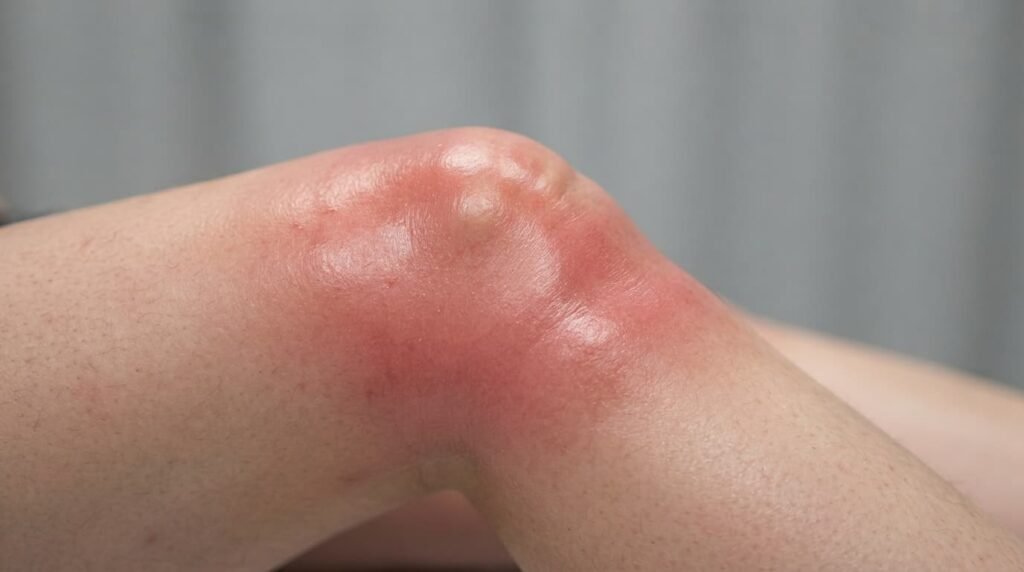
- Suddenly, intense pain in one knee
- Swelling and visible redness around the joint
- Warmth to the touch
- Stiffness that limits movement
- Skin that appears shiny or tight over the affected area
- Sensitivity so severe that even light pressure feels painful
Early Warning Signs
Many patients report a tingling or burning sensation hours before a full attack begins. This early stage offers a brief window where medication can sometimes reduce the severity of a flare-up. Catching gout symptoms during this window makes a genuine difference to recovery time. Keeping a small symptom log can help. Noting timing, diet, and activity often reveals personal warning patterns over several months.
Gout Symptoms Versus Knee Osteoarthritis Symptoms
Distinguishing gout from knee osteoarthritis symptoms matters, since treatment approaches differ significantly. Symptoms of the wear-related condition develop gradually over months or years. Gout, in contrast, appears within hours.
Pain from cartilage wear typically worsens with activity and eases with rest. Gout pain can occur even when the knee remains completely still. Morning stiffness from cartilage-related joint problems often lasts under thirty minutes after waking. Gout stiffness, by comparison, can persist throughout an active flare.
A simple checklist can help separate the two conditions before seeing a specialist:
- Did the pain start suddenly overnight, or build slowly over months?
- Is the joint hot and red, or just achy and stiff?
- Does rest fully relieve the pain, or does discomfort persist regardless?
- Has uric acid been previously flagged in blood tests?
Gout Causes and the Role of Hyperuricemia
Hyperuricemia sits at the centre of every discussion about gout causes. This term describes abnormally high uric acid levels in the blood. Uric acid forms naturally when the body breaks down purines. Purines are compounds found in cells and certain foods.
Normally, kidneys filter out excess acid through urine. Problems arise when the kidneys cannot keep pace. They can also arise when the body produces more acid than usual. Genetics can play a role, too. Some people simply process purines less efficiently than others.
Uric Acid Build-Up and Joint Damage
Once uric acid crystals form, they behave like tiny shards inside the joint capsule. The immune system treats these crystals as foreign invaders. This response produces the redness, heat, and swelling associated with a flare-up.
Repeated crystal exposure gradually damages the surrounding cartilage and soft tissue. This is one reason untreated gout becomes harder to manage over time. Crystals that persist between flares can quietly erode bone near the joint surface. This erosion can occur even when a patient feels no active symptoms.
Gout Risk Factors
Several gout risk factors increase the likelihood of developing the condition:
- Diets rich in red meat, shellfish, and alcohol
- Being overweight or living with obesity
- Family history of the condition
- Certain medications, including diuretics
- Underlying conditions such as high blood pressure or kidney disease
- Dehydration, which reduces the body’s ability to flush excess acid
Men face a higher overall risk. Women’s risk, however, rises sharply after menopause due to shifting hormone levels. Oestrogen appears to support uric acid excretion. Its decline can leave women more exposed to flares later in life.

Gout VS Osteoarthritis: Key Differences
Understanding gout vs osteoarthritis helps patients seek the correct treatment pathway from the outset. Both conditions cause joint pain, but their origins and progression differ substantially.
| Feature | Gout | Knee Osteoarthritis |
| Onset | Suddenly, often overnight | Gradually, over the years |
| Cause | Uric acid build-up | Cartilage wear and tear |
| Common age group | Any adult age | Typically over fifty |
| Pain pattern | Comes in acute attacks | Worsens with activity |
| Joint appearance | Hot, red, swollen | Stiff, sometimes creaky |
Knowing the difference between gout and arthritis prevents months of misdirected treatment. The wear-related condition rarely causes redness or warmth around the joint. Instead, patients notice grinding sensations and reduced flexibility. These changes build slowly rather than striking without warning. A deeper look at cartilage-related joint pain, particularly in older patients, is available in this guide on knee pain in men over sixty.
Gout Diagnosis
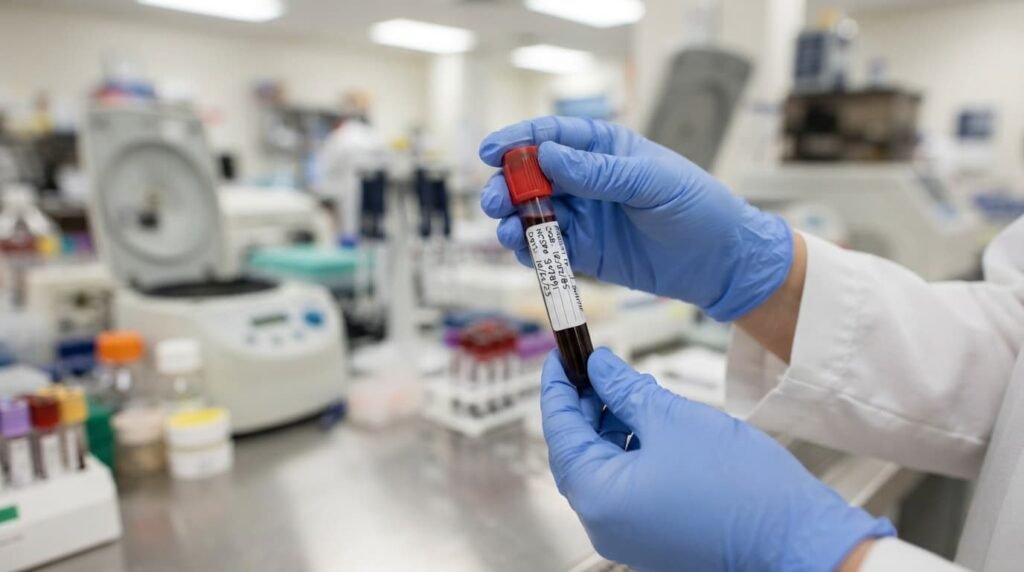
Gout diagnosis usually starts with a physical examination during an active flare. Symptoms are easier to identify at that stage. A blood test checks uric acid levels, though results alone cannot confirm the condition. Some patients with high uric acid never develop gout. Others with normal levels still experience flares.
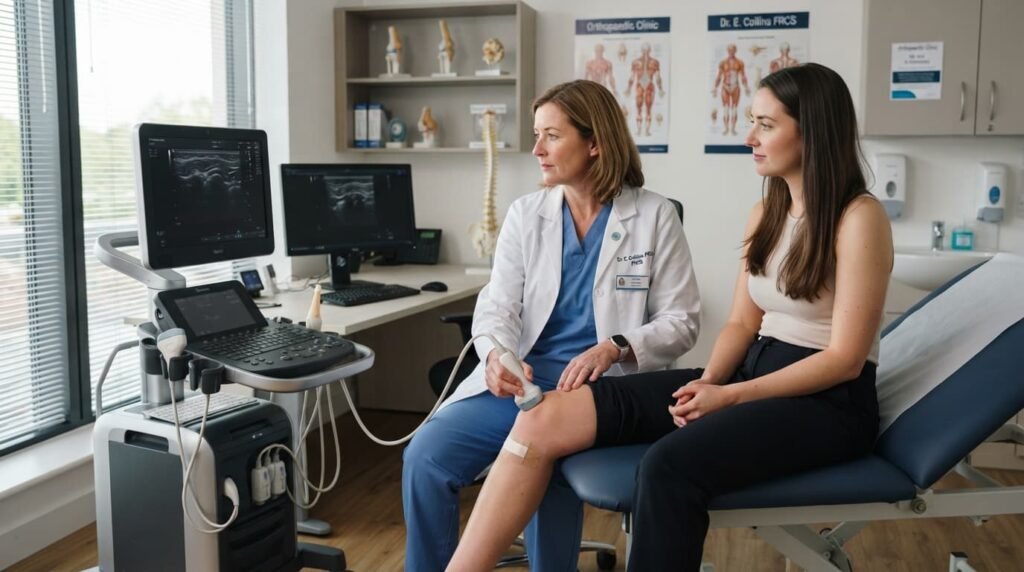
The most reliable method involves extracting joint fluid with a fine needle. A specialist then examines the sample under a microscope for crystals. Imaging, such as ultrasound or CT scans, can help too. These scans rule out other causes of joint pain, including infection or cartilage damage. A thorough diagnosis matters, since gout knee treatment differs meaningfully from knee osteoarthritis treatment.
Gout Treatment Options
Gout treatment typically combines medication with lifestyle adjustments. No permanent cure exists, but flare-ups can be managed effectively with the right approach.
Medication for Flare-Ups
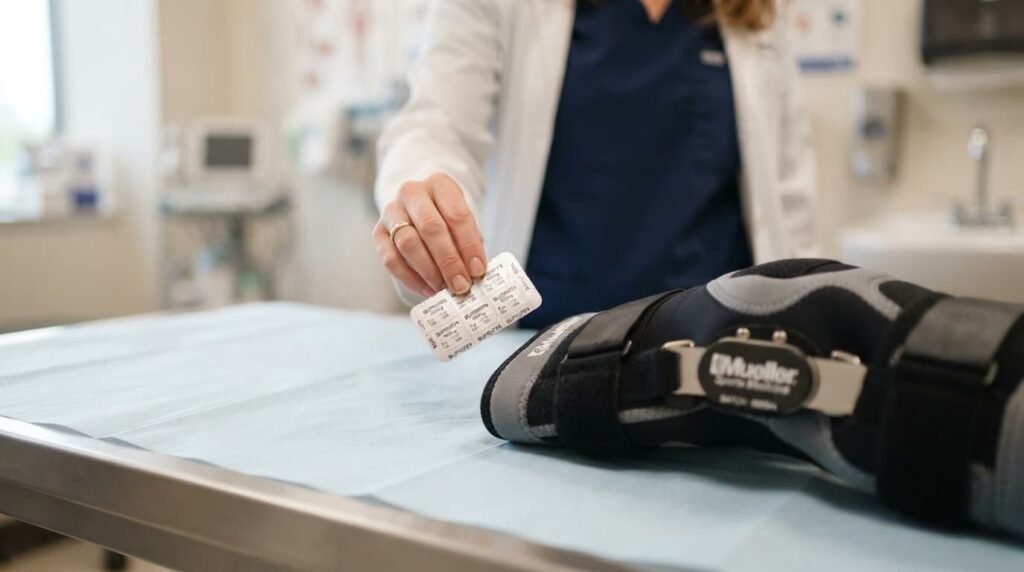
- Non-steroidal anti-inflammatory drugs to reduce pain and swelling
- Corticosteroids, taken orally or injected directly into the joint
- Colchicine, which targets gout-specific inflammation
Long-Term Medication
- Allopurinol, which lowers uric acid production
- Uricosuric drugs, which help the kidneys remove excess acid
Effective gout knee treatment often requires patience. Finding the right medication balance can take several months of adjustment alongside a specialist.
Knee Osteoarthritis Treatment Compared
Treatment for the wear-related condition often follows a different path. It focuses on joint preservation rather than acid reduction. Options include physiotherapy, weight management, and non-surgical injections. Arthrosamid is one such option, cushioning the joint and reducing friction over time. Patients exploring long-lasting, non-surgical options can read more about this Arthrosamid injection approach.
What Triggers a Gout Flare-Up Knee Episode
A gout flare-up in the knee rarely appears without warning signs building beforehand. Common triggers include:
- Sudden dietary changes, especially high purine intake
- Dehydration
- Excess alcohol consumption, particularly beer
- Rapid weight loss
- Physical stress, including injury or surgery
- Certain medications that raise uric acid levels
Identifying personal triggers remains one of the most effective ways to reduce future flare-ups. Keeping a simple food and symptom diary often reveals patterns patients had not noticed before. Noting meals and alcohol intake alongside pain scores can help. A pattern often emerges within just a few weeks.
Gout Self-Care and Best Diet for Gout
Alongside medication, gout self-care plays a significant role in long-term management. Simple daily habits reduce both frequency and severity of flares.
The best diet for gout limits purine-rich foods such as red meat, organ meats, and certain seafood. Replacing these with fruits, vegetables, whole grains, and lean proteins supports lower acid levels naturally.

Practical self-care steps include:
- Drinking water regularly throughout the day to support kidney function
- Limiting alcohol, particularly beer, which raises acid levels sharply
- Applying a cool compress during flares to ease swelling
- Elevating the knee when resting to reduce pressure
- Maintaining a steady, gradual approach to weight loss rather than rapid dieting
Patients managing weight through balanced nutrition often notice fewer, milder attacks over time. This principle also supports general joint health. Carrying less weight simply reduces pressure on the knee itself.
How Long Does Gout Last
How long gout lasts depends heavily on treatment timing and individual response. A single flare typically peaks within twenty-four hours. It then gradually eases over one to two weeks. Without treatment, attacks can last longer and occur more frequently.
Gout itself is a chronic condition, meaning ongoing management remains necessary even between flares. Between attacks, the joint often returns to feeling completely normal. This can make some patients delay long-term treatment until symptoms return.
Gout Complications and Tophi Gout
Left unmanaged, gout complications can extend well beyond joint pain. Repeated flares gradually damage cartilage and surrounding tissue. This damage sometimes leads to permanent joint changes.
Tophi gout refers to visible lumps of urate crystals that form under the skin. These lumps commonly appear around joints or ears. They are not painful themselves but often signal long-standing, poorly controlled gout. Left untreated, they can restrict movement and occasionally break through the skin.
Kidney stones represent another possible complication. Excess acid can crystallise within the urinary tract and the joints. Long-term, poorly managed gout has also been linked to higher kidney disease risk. Early treatment is therefore worthwhile beyond joint comfort alone.
Knee Pain Causes Beyond Gout
Not every case of knee discomfort stems from gout. Common knee pain causes include ligament injuries, meniscus tears, and general wear-related joint disease. Gout knee pain typically arrives suddenly with visible redness. Mechanical knee pain, by contrast, tends to build gradually with activity.
Distinguishing between these conditions requires proper assessment, since treatment approaches vary considerably. Patients uncertain about the source of their discomfort should seek professional evaluation. A short video overview of common knee conditions is available on the DrSNA Clinic YouTube channel. It offers a useful visual companion to this guide.
Diet plays a supporting role across most knee conditions, not gout alone. Patients interested in nutrition-focused joint support may find this guide to knee-friendly foods useful alongside gout-specific changes.
The Knee Pain Clinic UK offers a wider view of joint health resources. Specialist consultations can also be arranged there for patients wanting further assessment.
Living With Gout in Knee Joints Long Term
Managing gout in knee joints over the long term looks different from handling a single flare. Consistency matters more than intensity. Patients who stick with prescribed medication, even when symptoms feel absent, tend to experience fewer breakthrough attacks.
Regular check-ups allow specialists to adjust dosages as uric acid levels shift over time. Blood tests every few months help confirm whether the current treatment keeps levels within a safe range. Small lifestyle habits, built gradually rather than all at once, tend to stick better than sudden, dramatic changes.
Support from family members can also make daily management easier. Understanding what triggers a flare helps everyone around a patient avoid unhelpful comments during an active episode. Patience remains essential, since finding a stable long-term routine can take a year or more of adjustment.
Frequently Asked Questions
Can gout affect the knee as well as the toe?
Yes, gout in knee joints is common, particularly in patients with longstanding or poorly managed uric acid levels. While the big toe remains the most frequent site, larger joints can also be affected during a flare.
What is the main difference between gout and arthritis?
The difference between gout and arthritis lies mainly in cause and onset speed. Gout results from crystal build-up and appears suddenly. General arthritis, including osteoarthritis, develops gradually through joint wear.
How is hyperuricemia diagnosed?
Hyperuricemia is usually identified through a blood test measuring uric acid levels. Diagnosis of gout itself often requires joint fluid analysis, since some patients with high levels never develop symptoms.
What foods should be avoided with gout?
The best diet for gout avoids red meat, organ meats, shellfish, and alcohol, particularly beer. Replacing these with vegetables, whole grains, and lean proteins helps manage levels more effectively.
Are tophi dangerous?
Tophi gout lumps are not usually dangerous on their own, but they signal poorly controlled, long-term gout. Left unaddressed, they can contribute to joint damage over time.
How long does a gout flare-up typically last?
A flare generally peaks within a day, then eases over one to two weeks. Prompt treatment shortens this timeline considerably compared with leaving flares untreated.
Can gout knee pain be managed without medication?
Mild gout knee pain sometimes eases with rest, hydration, and dietary changes alone. Persistent or severe cases usually still need medical treatment to prevent complications.
Is gout in the knee joints a lifelong condition?
Gout in knee joints is generally lifelong, though flares can become rare with consistent treatment. Many patients manage the condition well and experience long stretches without symptoms.
This guide has walked through gout in knee joints, from early symptoms and hidden causes to practical treatment. It covered prevention, too. The wear-related knee condition shares some surface similarities with gout. Yet the two conditions demand different diagnostic paths. Long-term management strategies also differ considerably between them. Diet, hydration, and trigger awareness sit alongside medication as central pillars of lasting relief. Patients who track symptoms early and seek timely diagnosis generally experience shorter, less frequent flares.
Specialist input from Mr Syed Nadeem Abbas has helped shape the clinical accuracy of this guide. Consultations are available through Harley Street for patients seeking further assessment.
Read more: Iliotibial Band Syndrome Causes Sharp Pain on the Outside of the Knee
Read more: Knee Ligament Tear – ACL, MCL and Meniscus Differences