Knee Pain From Driving Causes Symptoms Prevention and Treatment

✅ Medically reviewed | Updated July 2026
Knee pain from driving affects commuters, delivery drivers, and anyone who spends long hours behind the wheel. It often builds slowly. Mild stiffness turns into a dull ache that lingers after the car is parked.
The knee is not designed to hold one bent position for hours at a time. Sitting still with the foot pressed on a pedal reduces movement through the joint. Reduced movement is one of the fastest routes to stiffness.
Vibration from the road plays a part too. So does the angle of the seat and even the height of the driver. All of these factors influence how much strain builds up during a journey.
Driver’s knee is one of the most common terms used to describe this discomfort. It can affect people of almost any age, from young commuters to retired drivers on long road trips. For some, the ache appears only after motorway trips of several hours. For others, even a short daily commute is enough to trigger symptoms over time.
What Causes Knee Pain From Driving?
Several factors combine to create causes of knee pain for regular drivers. Understanding them makes prevention far easier.
Prolonged Sitting and Bent Knee Position
Sitting with a bent knee for long stretches reduces blood flow to the joint. Muscles around the kneecap tighten, and the joint itself becomes stiff. This is a leading reason for knee pain from sitting too long, whether behind a desk or a steering wheel.
The right hip and knee stay locked in one position for the entire journey. Over time, this static posture places uneven pressure on the cartilage and surrounding soft tissue. Short trips rarely cause problems on their own. Repeated daily exposure is what tends to build discomfort.
Whole Body Vibration and Repetitive Pedal Movement
Whole body vibration knee pain develops from the constant low-level shaking transmitted through a car seat during long drives. Research on professional drivers has linked repeated vibration exposure to joint discomfort, particularly in the knees and lower back.
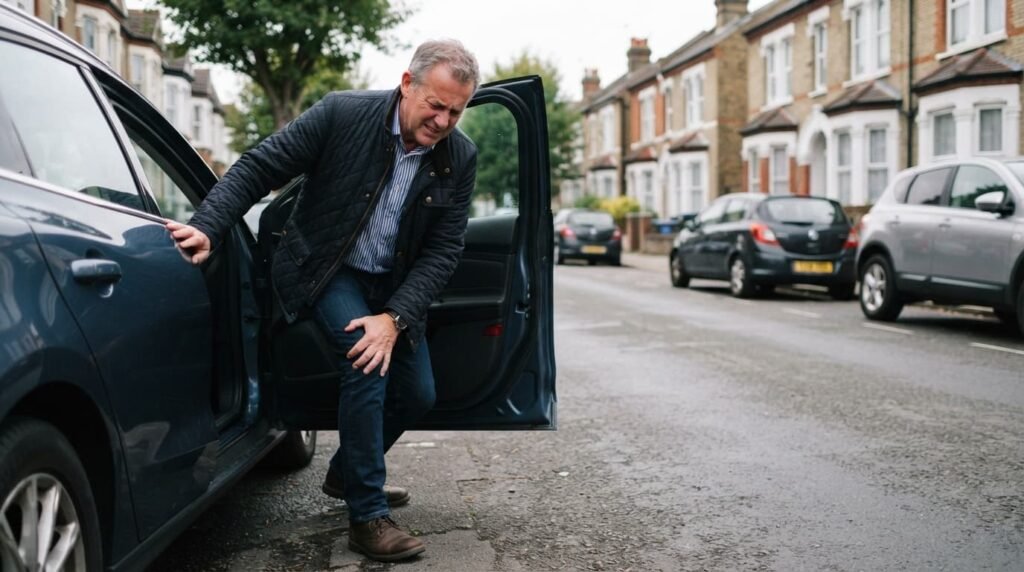
Repeatedly pressing the accelerator and brake pedals also strains the same small set of muscles. This repetitive motion adds up over months of regular driving, especially when combined with vibration from rougher road surfaces.
Car Ergonomics and Seat Position
Car ergonomics knee pain often stems from a seat set too low or too far from the pedals. A lack of proper lower back support makes the problem worse. When the seat does not distribute weight evenly, pressure builds directly on the knee joint.
Seat position knee pain is common among taller and shorter drivers alike. Most factory seat settings are designed for an average build. This leaves many drivers compensating with awkward posture over long journeys.
Driver’s Knee and Gas Pedal Knee Explained
What Is Driver’s Knee?
It leaves them with an ache at the front of the joint. Driver’s knee is not an official medical diagnosis. It is a descriptive term for discomfort that appears at the top or front of the knee after extended driving. Understanding the causes of knee pain while driving helps separate this everyday soreness from something more serious.
Gas pedal knee describes the same pattern but points specifically to strain from holding a foot on the accelerator. This happens over long periods without a break. Both terms refer to overworked muscles rather than a structural injury in most cases.
Patellofemoral Pain Syndrome vs Driver’s Knee
Healthcare professionals sometimes use the term patellofemoral pain syndrome for pain where the thigh muscles meet the kneecap. This clinical name overlaps closely with driver’s knee. Patellofemoral pain syndrome can also result from running, cycling, or squatting.
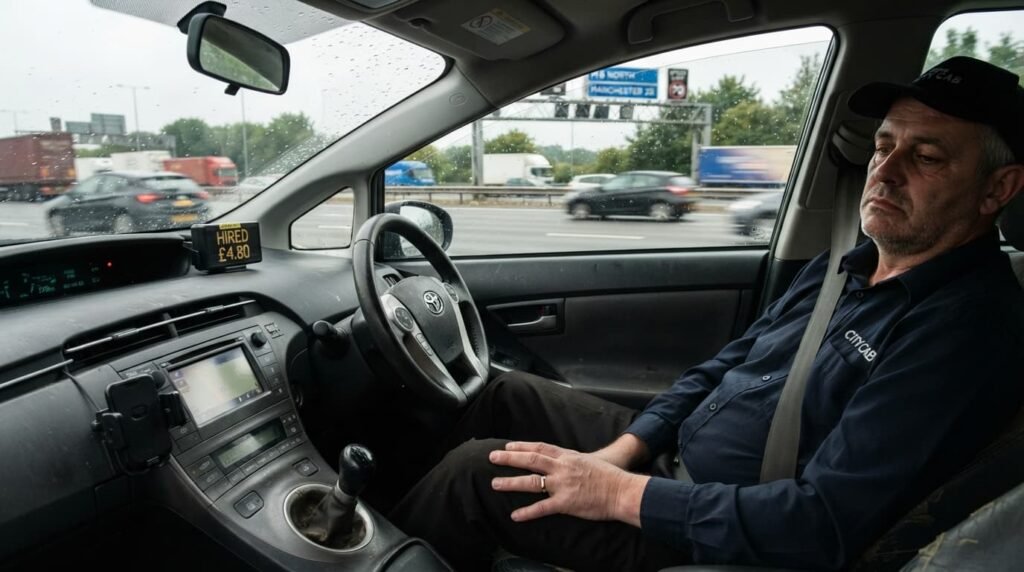
The distinguishing feature is the trigger. Driver’s knee flares up specifically after time spent in a driving position. Patellofemoral pain syndrome, by contrast, can appear after many different types of repetitive knee bending.
Jumper’s Knee and Patellar Tendinopathy From Driving
Jumper’s knee is usually associated with sports that involve repeated jumping, such as basketball or volleyball. However, the underlying condition, patellar tendinopathy, can also develop in drivers who spend years behind the wheel.
Patellar tendonitis happens when the tendon connecting the kneecap to the shin bone becomes irritated from repeated stress. Truck drivers and delivery workers sometimes report symptoms that closely resemble this sports injury, even without ever jumping at all.
Symptoms of Patellar Tendonitis Behind the Wheel
People with tendon irritation often notice:
- Tenderness just below the kneecap
- Pain that worsens with pedal pressure
- Mild swelling around the tendon
- Stiffness after sitting for an extended period
These symptoms tend to build gradually. A single incident rarely explains the pain, which makes early recognition difficult for many drivers.
Knee Osteoarthritis and Musculoskeletal Pain in Drivers
Musculoskeletal pain covers a wide range of conditions affecting bones, muscles, tendons, and ligaments. Long-distance drivers face a higher risk of this type of pain. Prolonged static posture and vibration exposure are the main contributing factors.
Knee Osteoarthritis Symptoms to Watch For
Knee osteoarthritis symptoms include a grinding or scraping sensation when bending the joint. Stiffness after rest and occasional swelling are also common. Knee osteoarthritis develops as cartilage gradually wears down between the bones. Driving does not cause the condition directly, but it can make existing symptoms more noticeable.
Research has shown that drivers with osteoarthritis may take slightly longer to apply the brakes. Braking times generally remain within safe limits despite this delay. Anyone managing joint pain in men over 60 often finds that driving comfort becomes a bigger concern. Symptoms tend to progress with age.
How Musculoskeletal Pain Builds Up Over Long Drives
A 2020 review of professional drivers found that roughly one in five experienced musculoskeletal knee pain. Risk factors identified included prolonged sitting, whole body vibration, and repetitive movement patterns repeated day after day on the road.
Cold conditions can also worsen joint stiffness for people already managing arthritis. This seasonal pattern is explored further in this piece on cold weather and increased knee pain.
Knee Pain After a Long Car Ride vs Long-Distance Driving
Knee pain after a long car ride typically fades within a few hours once movement resumes. Knee pain when driving long distances, on the other hand, describes an ongoing pattern. This pattern repeats trip after trip and rarely settles completely between drives.
The distinction matters for treatment. Occasional stiffness after a single road trip usually responds to rest and gentle stretching. Recurring pain from knee pain driving long-distance commutes often needs a structured plan. This plan should involve posture correction, targeted exercise, and sometimes professional assessment.
How to Prevent Knee Pain While Driving
Small, consistent changes make the biggest difference in preventing knee pain while driving over the long term.
Ergonomic Car Seat Adjustment and Knee Bend Angle
An ergonomic car seat adjustment starts with the knee bend angle, while the foot rests naturally on the pedal. Most physiotherapists recommend keeping the knee bent at roughly 120 degrees. This position avoids a tightly folded angle that increases joint pressure.
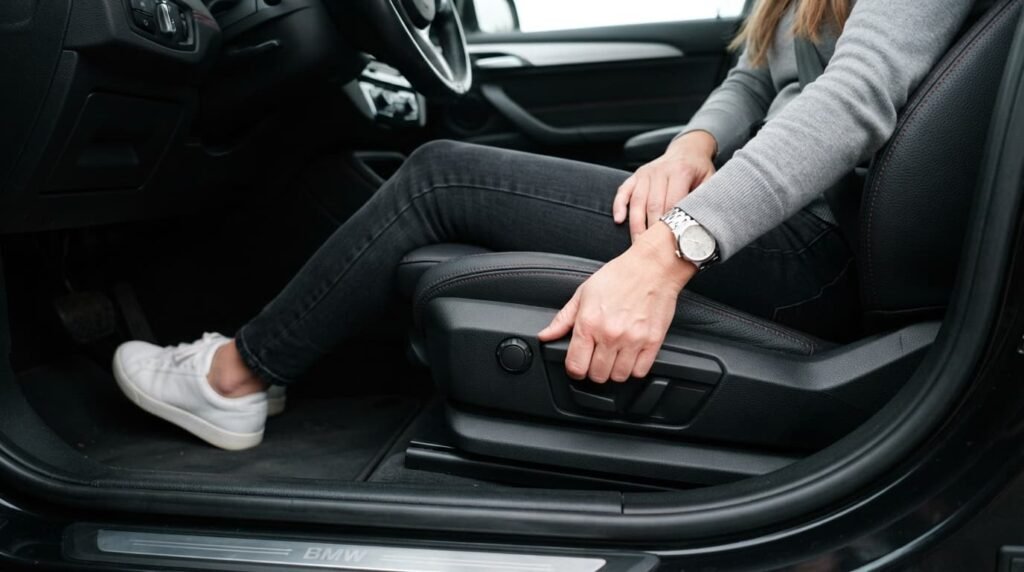
How to sit in a car to avoid knee pain comes down to three checks. Feet should rest flat without stretching. Knees should stay slightly bent rather than locked. Hips should sit level with or slightly above the knees.
Lower Back Support and Seat Position
Lower back support car seat setups help maintain the spine’s natural curve. This indirectly reduces strain on the knees by improving overall posture. A rolled towel or dedicated lumbar cushion works well in older vehicles without built-in support.
Adjusting the seat closer to the pedals keeps the knee within a comfortable range throughout the journey. Reclining excessively tends to push the knee into an awkward stretched position instead.
Quad Stretch and Knee Strengthening Exercises
A simple quad stretch for knee pain relief involves standing and pulling one heel toward the body. Holding the stretch for twenty to thirty seconds on each side helps loosen tight muscles. Regular stretching before and after driving reduces tightness that builds during the trip.
Driver’s Knee Exercises and At-Home Relief
Driver’s knee exercises focus on balancing strength between the front and back of the thigh. The quadriceps often work harder than the hamstrings during driving. Targeted knee strengthening exercises help correct this imbalance over time.
Useful movements include:
- Straight leg raises to build quad strength without joint strain
- Hamstring curls using a resistance band
- Gentle knee bends to restore mobility after sitting
- Calf raises to support overall leg circulation
Exercises for knee pain work best when performed consistently rather than only after symptoms appear. A short routine of five to ten minutes, done daily, often produces noticeable improvement within a few weeks. Consistency matters more than intensity for lasting results.
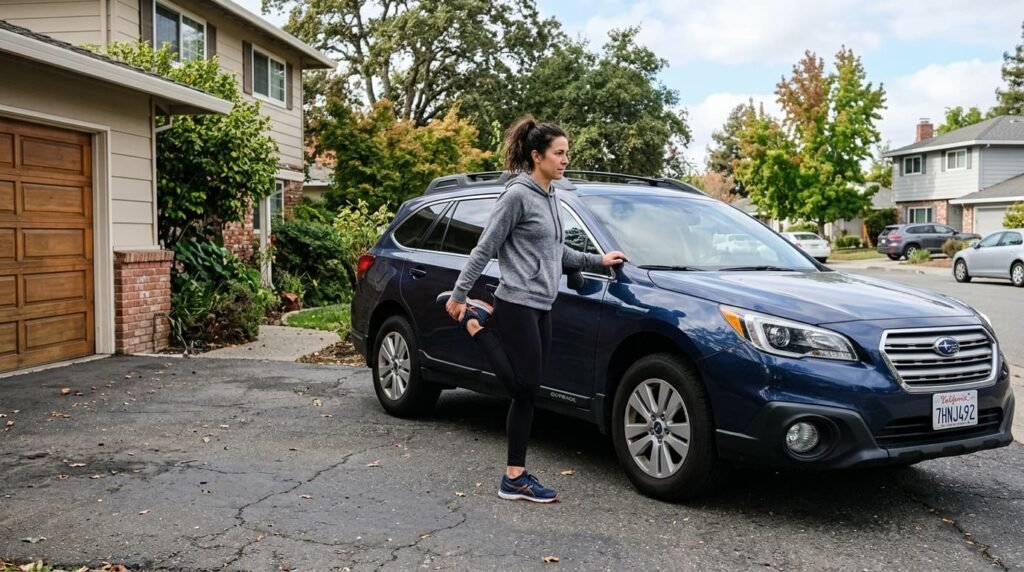
For visual guidance, a demonstration video from Dr SNA Clinic walks through several of these stretches step by step.
Who Is Most at Risk of Knee Pain From Driving?
Certain groups face a higher chance of developing knee pain from driving than others. Taxi drivers, delivery workers, and sales representatives spend most of their working day in a vehicle. They report symptoms more often than occasional drivers.
Older adults with existing joint wear are also more likely to notice discomfort during long trips. Younger drivers are not immune. Their symptoms tend to stem more from posture and muscle fatigue than from underlying joint disease.
Height plays a role, too. Very tall or very short drivers often struggle to find a comfortable seat position. Keeping the knee bend angle in a healthy range becomes harder for them.
This mismatch between body size and standard seat design raises the risk of driver’s knee. Longer-term musculoskeletal pain becomes more likely, too.
Knee Pain Treatment Options in London
Knee pain treatment ranges from simple home care to specialist medical intervention. The right approach depends on how severe and persistent the symptoms become. Over-the-counter pain relief, ice or heat therapy, and activity modification resolve many mild cases without further action.
Knee pain treatment London clinics also offer more advanced options for patients whose symptoms do not improve with conservative care. Regenerative treatments give patients a non-surgical route toward longer-lasting relief. A detailed comparison of PRP and Arthrosamid injections explains how these options differ.
A cartilage clinic in a London setting typically combines physiotherapy referrals with diagnostic imaging. This helps identify the exact source of pain before recommending treatment. Background on Arthrosamid as a treatment option is available for readers exploring non-surgical routes toward relief.
When Persistent Knee Pain Needs a Specialist
Persistent knee pain causes worth flagging to a doctor, including severe swelling and an inability to bear weight. A popping sensation during movement is another warning sign. Knee stiffness after driving that clears within an hour rarely signals anything serious. Stiffness lasting most of the day, however, deserves closer attention.
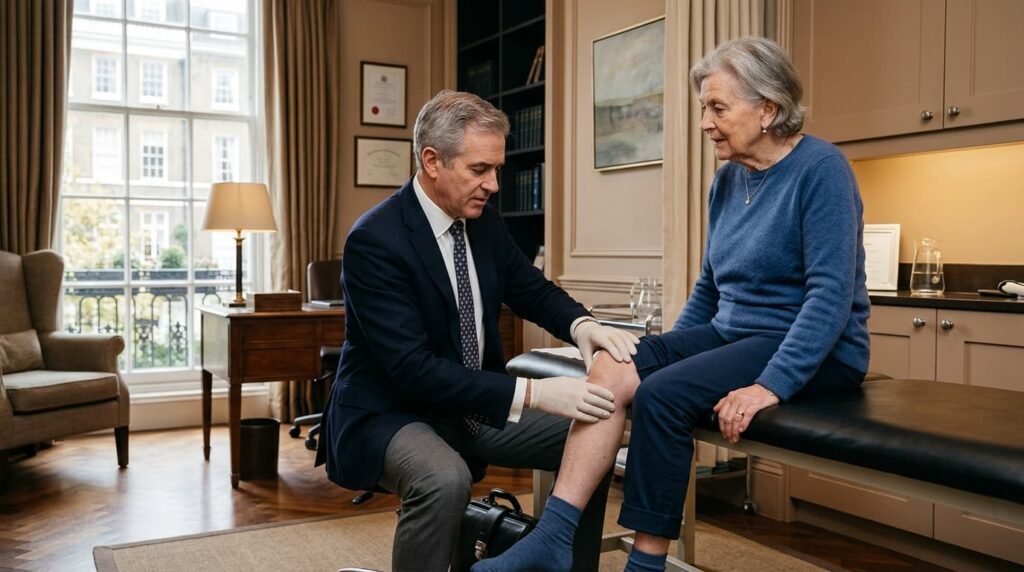
Anyone noticing these signs alongside long driving hours should book an assessment. Waiting for symptoms to escalate on their own rarely improves the outcome.
Frequently Asked Questions
How to prevent driver’s knee on long trips?
Adjusting seat position and taking regular breaks both help. Stretching the quadriceps before and after driving is one of the most effective steps for preventing driver’s knee. Alternating legs on automatic cars gives each knee a chance to rest during longer journeys. Building a short pre-drive stretch into the daily routine also reduces how quickly stiffness sets in.
Can whole-body vibration really cause knee pain?
Yes. Studies on professional drivers link prolonged vibration exposure to a higher rate of musculoskeletal knee symptoms. This is especially true for those driving several hours daily on rougher road surfaces. Vibration-damping seat cushions can reduce the amount of shaking transmitted to the joint. Newer vehicles with improved suspension tend to produce noticeably less vibration than older models.
Is knee pain while driving a sign of osteoarthritis?
Not always. Knee pain while driving car journeys can stem from posture or muscle fatigue alone. Existing osteoarthritis, though, can make the discomfort more noticeable. The pattern of pain offers a useful clue. Muscle fatigue tends to ease quickly with movement, while osteoarthritis-related pain often lingers and returns with each drive. Tracking when symptoms appear can help a clinician narrow down the likely cause.
When should knee pain after driving prompt a doctor’s visit?
Severe swelling, locking, or pain lasting several days after a drive are reasons to seek professional knee pain treatment. Home care alone is unlikely to resolve symptoms at that stage. A sudden inability to bear weight or a popping sensation during the journey also warrants prompt attention. Waiting too long before seeking help can allow a minor issue to develop into a more persistent problem.
Does knee pain from driving improve on its own?
Mild cases often improve with rest, stretching, and better seat positioning. Persistent knee pain from driving that continues despite these changes usually benefits from a proper assessment. Most people notice a difference within one to two weeks. This happens once ergonomic adjustments and stretching become part of the daily routine. Symptoms that show no improvement after this period are worth discussing with a specialist.
Why does the knee hurt after a road trip?
Knee pain after long car journeys usually points to muscle fatigue and joint stiffness from sitting still. It typically eases within a few hours once normal movement resumes. Standing, walking, and gentle stretching immediately after parking speed up this recovery considerably. Skipping this step and moving straight from the car to a sofa often makes the stiffness feel worse.
Does seat height really affect knee pain while driving?
Yes. A seat set too low or too far from the pedals forces the knee into an awkward angle. Small adjustments to height and distance often bring noticeable relief within days. Raising the seat slightly can shorten the reach to the pedals and reduce strain on the front of the knee. Many modern cars allow this adjustment without needing any tools or professional help.
Can knee osteoarthritis get worse from regular driving?
Driving does not cause knee osteoarthritis, but prolonged sitting can make existing symptoms more noticeable. Drivers with diagnosed osteoarthritis may benefit from more frequent breaks and gentle in-seat movement. Warming up the joint with light movement before setting off can also help. This reduces stiffness during the first part of a journey. Regular strengthening exercises support the muscles around the knee, which helps offset some of the added joint strain from sitting.
How long does driver’s knee usually last?
Most cases settle within a few days once the triggering activity reduces and gentle stretching begins. Symptoms lasting several weeks or worsening over time warrant a specialist opinion. Recovery time depends partly on how much driving continues during the recovery period itself. Reducing long trips temporarily, where possible, often speeds up how quickly the discomfort resolves.
Knee pain from driving rarely comes from a single cause. Prolonged sitting, whole body vibration, poor seat ergonomics, and existing joint conditions all combine in different ways for different drivers. Recognising which factor applies matters more than treating every case the same way.
For most people, the fix starts small. An adjusted seat, a stretch before and after long trips, and a short strengthening routine make the biggest difference. These changes rarely take more than a few minutes a day. Yet they address the root causes covered throughout this guide. This includes gas pedal knee, patellofemoral pain syndrome, and broader musculoskeletal pain.
Persistent stiffness, swelling, or pain that does not settle with rest is a different matter. At that point, home strategies have usually been tried and have not been enough. A proper assessment can identify whether the issue is muscular, tendon-related, or linked to osteoarthritis. It can then point toward the right knee pain treatment for the underlying cause rather than just the symptoms.
Read more: Knee Brace for Osteoarthritis Find the Right Type for Lasting Pain Relief
Read more: Hydrotherapy for Knee Pain Could Be Your Best Treatment Option