
Knee pain treatment decisions usually start with understanding why the joint hurts. Around six million adults in the UK live with painful knee osteoarthritis, the most common underlying cause. Prevalence rises sharply with age, affecting roughly one in five adults aged 50 to 59. That figure climbs to nearly one in two adults aged 80 and over. Osteoarthritis alone accounts for more than one million GP consultations in the UK each year. Musculoskeletal problems are the second most common reason people visit UK primary care overall. Understanding the cause of knee pain is the first step toward real relief.
What Causes Knee Pain
Knee pain causes range from sudden injuries to slow degenerative wear. Identifying the category changes the entire treatment plan.
Injury-Related Causes
Osteoarthritis is the most frequent cause in adults over 45. It develops gradually as cartilage cushioning wears down. Ligament injuries, including tears to the ACL, often happen suddenly. They typically occur during sport or a twisting movement. Tendon problems such as patellar tendinopathy affect people who jump often. Meniscal tears damage the shock-absorbing cartilage inside the joint.
Age and Inflammation-Related Causes
Weight, posture, and repetitive movement all add stress to the knee. Bursitis, gout, and inflammatory arthritis can also trigger knee pain. These tend to bring different patterns of swelling and stiffness. Previous injuries can also leave the joint more vulnerable later on. Scar tissue and altered movement patterns sometimes change how weight loads the knee. Working out what causes knee pain often needs proper clinical assessment.
Recognising Knee Pain Symptoms
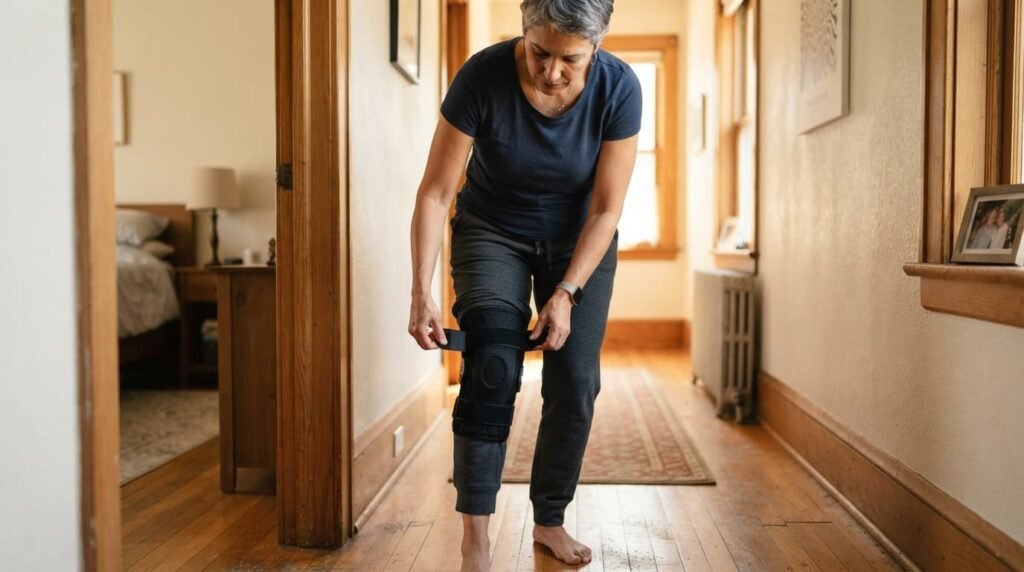
Knee pain symptoms vary depending on the underlying cause. Several patterns still tend to repeat across most conditions. Swelling, stiffness, warmth, and a grinding sensation are common indicators. Pain that worsens with activity usually points to mechanical causes. Pain that flares suddenly often signals inflammation or fresh injury.
Instability, or a feeling the knee might give way, matters greatly. Persistent swelling with reduced movement is a clear sign of serious knee injury. Redness and fever alongside knee pain can indicate infection. This needs urgent attention rather than home management. Tracking when symptoms appear helps a clinician find the cause faster.
Acute Versus Chronic Knee Pain
Acute knee pain causes are usually linked to one specific incident. A fall, a twist during sport, or a direct blow can trigger it. This pain tends to appear suddenly and peak within a day or two. It generally settles with proper first aid and rest.
Chronic knee pain treatment addresses pain lasting weeks or months instead. Often there is no single obvious trigger behind it. Chronic pain frequently links to osteoarthritis or long-standing overuse. Chronic knee pain treatment usually combines several strategies. Acute injuries respond well to short-term protection and rest. Chronic pain tends to need exercise, weight control, and ongoing care.
The RICE Method for Acute Knee Pain
What RICE Stands For
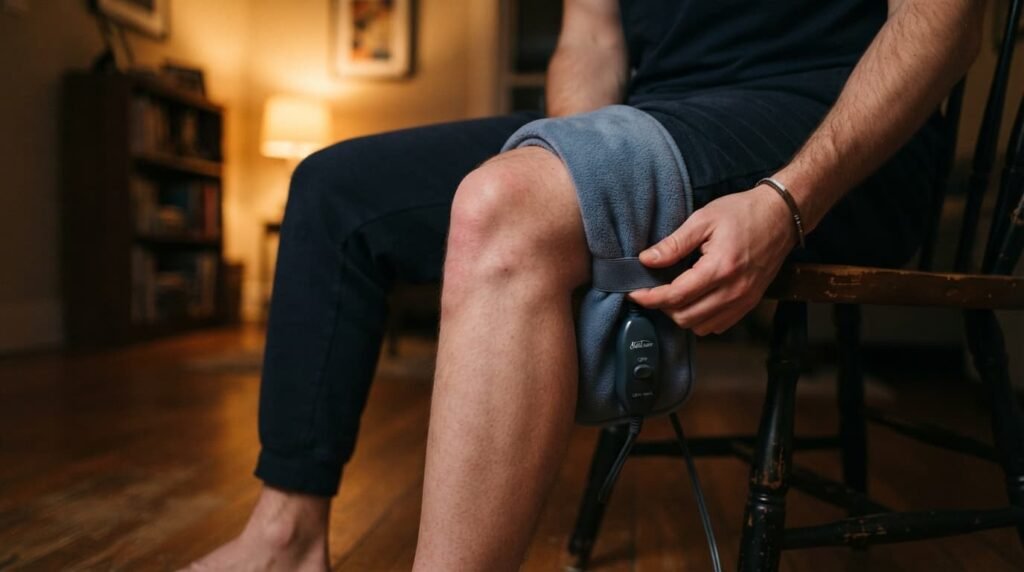
The RICE method for knee pain stands for four simple steps. Rest, Ice, Compression, and Elevation form the standard first-aid response. Resting the joint prevents further tissue damage from occurring. Applying an ice pack wrapped in a towel calms swelling quickly. Compression with an elastic bandage supports the joint without restricting blood flow. Elevating the leg above heart level reduces fluid build-up.
The POLICE Principle Alternative
Some clinicians now favour the POLICE principle injury protocol instead. This stands for Protection, Optimal Loading, Ice, Compression, and Elevation. It recognises that gentle, controlled movement often supports healing well. Either method suits the first 48 to 72 hours after injury. A gradual return to normal movement usually follows after that.
Home Remedies and Self-Help for Knee Pain
Home remedies for knee pain work well for mild discomfort. Consistency matters more than treating it as a one-off fix. How to treat knee pain at home starts with spotting trigger activities. Adjusting those activities helps rather than pushing through the pain. Low-impact activity such as swimming or cycling keeps the joint moving.
Self-help for knee pain also includes knee sleeves or shoe inserts. These can change how weight is distributed across the joint. Small, consistent daily habits often help more than any single treatment. Avoiding prolonged sitting and taking regular movement breaks both help. Good, supportive footwear also reduces strain on the knee over time.
Hot and Cold Therapy for Knee Swelling
Hot and cold therapy for knee treatment works through two different mechanisms. Cold narrows blood vessels, which limits swelling and numbs sharp pain. This makes it most useful in the first few days after injury. Heat, applied later, relaxes tight muscles and boosts blood flow. This can ease stiffness in longer-standing knee pain over time.
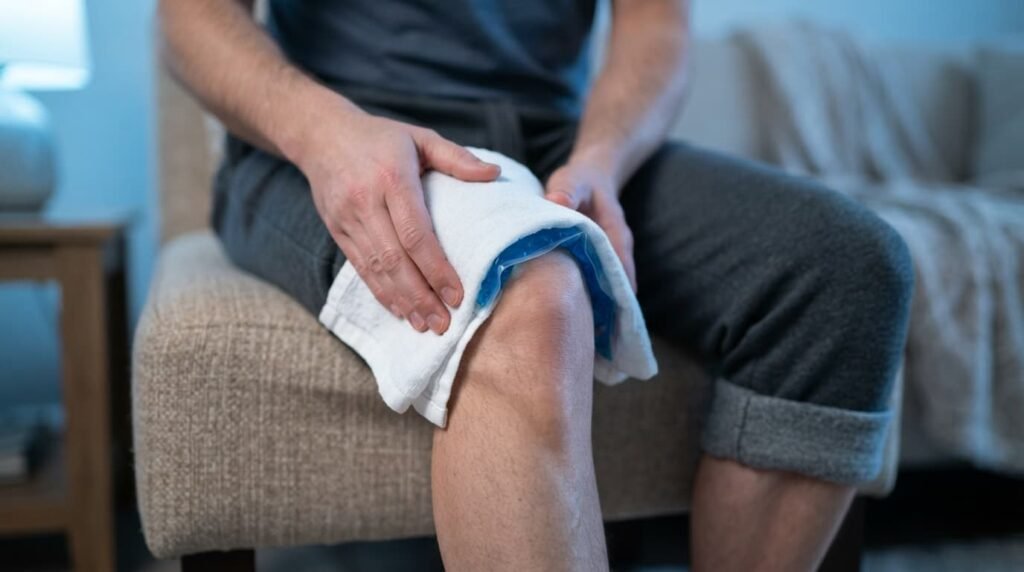
How to reduce knee swelling effectively often comes down to timing. Use cold in the early, inflamed stage of an injury. Switch to heat once the sharpest pain has settled down. A warm morning shower and an evening cold pack suit many people. Never apply either treatment directly onto bare skin.
Diet and Knee Pain
Knee pain and diet are more closely linked than many realise. Certain foods actively influence inflammation levels throughout the body. Omega-3-rich foods, including oily fish and walnuts, may lower inflammation. Fruits and vegetables high in antioxidants support the body’s repair processes too.
Reducing processed foods and refined sugar may ease the inflammatory response. Maintaining a healthy weight through diet takes pressure off the knee joint. Even modest weight loss meaningfully reduces knee pain for many people. It works by easing mechanical load and lowering inflammation together. Small, repeatable meal changes tend to stick better than strict short-term diets.
Knee Pain Exercises and Physiotherapy
Knee pain exercises play a central role in recovery and prevention. Strengthening the muscles supporting the joint reduces strain considerably. Quadriceps and hamstring work share the load away from the knee. Gentle range-of-motion exercises maintain flexibility without aggravating a sensitive joint.
Useful starting exercises include straight leg raises, wall sits, and step-ups. Stationary cycling with low resistance also builds strength gently. Each should feel challenging but never sharply painful during the movement.
Physiotherapy for knee pain combines strengthening, stretching, and manual therapy. This mix gets adjusted gradually as symptoms improve over time. A physiotherapist can also assess walking or running gait patterns. Subtle movement habits sometimes place unnecessary stress on the knee. Working with a professional targets the right muscle groups correctly. Progress tends to be steadier with a structured, supervised programme.
Medication for Knee Pain Relief
Knee pain medication generally falls into two broad categories.
Oral and Topical Options
Oral painkillers and topical treatments are applied directly to the skin. Paracetamol and anti-inflammatory medicines ease pain and reduce swelling well. Anti-inflammatories are often best avoided in the very early injury stage. They may slow initial tissue healing during that window. Painkillers for knee pain provide short-term relief only. They do not address the underlying cause of the pain.
When Medication Isn’t Enough
Knee pain relief from medication works best as part of a wider plan. For pain that resists standard medication, further options exist. These are designed to ease friction and stiffness long-term.
Common Knee Conditions Behind Persistent Pain
Knee Bursitis Symptoms
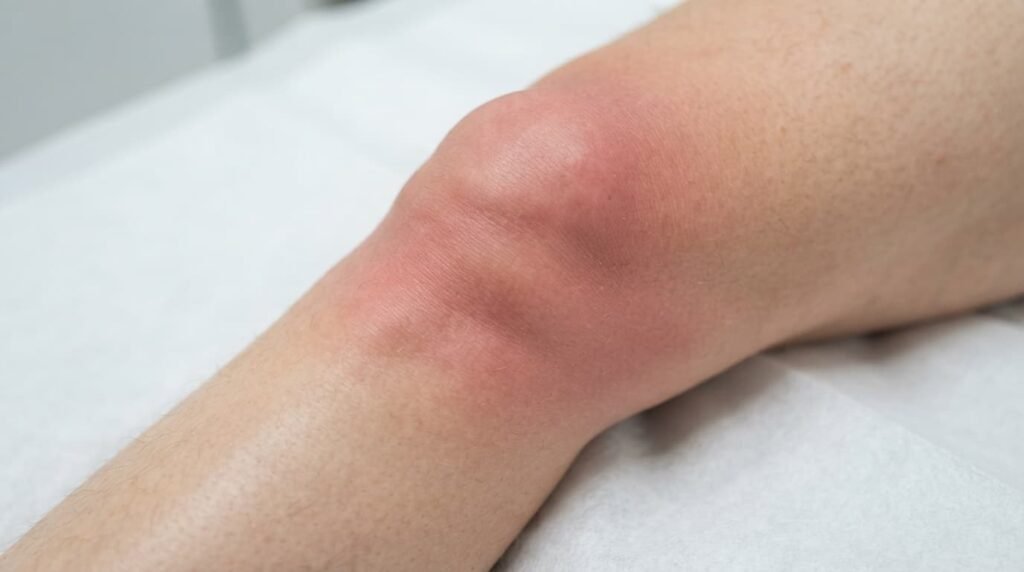
Knee bursitis symptoms include swelling, warmth, and tenderness near the joint. This comes from inflamed fluid-filled sacs that cushion the knee. It often develops from repeated kneeling or direct impact. Rest, ice, and reduced pressure ease mild cases within weeks. Persistent or worsening swelling should still be checked by a clinician.
Ilio-Tibial Band Syndrome
Ilio-tibial band syndrome causes pain along the outer side of the knee. It is common in runners and cyclists due to repetitive friction. Stretching, foam rolling, and adjusting training load usually help. Persistent cases may need a physiotherapy assessment of running technique. Reducing weekly mileage temporarily often speeds up recovery too.
Patellofemoral Pain Syndrome and Runner’s Knee Treatment
Patellofemoral pain syndrome, often called runner’s knee, causes aching around the kneecap. It tends to worsen during squatting, running, or climbing stairs. Runner’s knee treatment centres on strengthening the muscles stabilising the kneecap. Most people recover well with a structured, gradual return to sport. Supportive taping can also ease discomfort during the early recovery phase.
Meniscal Tear Symptoms
Meniscal tear symptoms include a popping sensation at the moment of injury. Swelling and stiffness usually follow within hours. Some people notice a catching or locking feeling during movement. Small tears often heal with rest and physiotherapy alone. Larger tears affecting stability sometimes need further specialist investigation.
Gout Knee Symptoms
Gout knee symptoms typically appear suddenly and intensely. Redness, warmth, and marked swelling can develop within hours. Unlike gradual osteoarthritis pain, a gout flare peaks quickly. It can be severe enough to disturb sleep. Managing uric acid levels through diet reduces future flare frequency. A GP can advise on medication if flares keep recurring.
Knee Pain Over 45
Knee pain over 45 is particularly common for several reasons. Cartilage naturally thins with age and decades of joint use. Hormonal changes and reduced bone density both add to sensitivity. Staying active and maintaining a healthy weight both help. Addressing symptoms early slows further wear and preserves mobility longer. Layering warm clothing and staying active indoors both help through colder months.
Knee Pain: When to See a Doctor
Knee pain becomes pressing when to see a doctor once symptoms worsen.
Warning Signs to Watch For
Inability to bear weight is one clear signal to act. A knee that gives way without warning is another. Redness, warmth, and fever alongside knee pain may indicate infection. This needs prompt assessment rather than continued home monitoring.
Who to Contact First
Who to see for knee pain depends on the suspected cause. A GP is usually the first point of contact. They can refer to physiotherapy or a specialist as needed. When I need knee surgery is best answered by a specialist. Surgery is generally considered once conservative treatments have not worked. Pain limiting daily activities for weeks is a reasonable trigger to seek help.
Best Treatment Options for Knee Pain
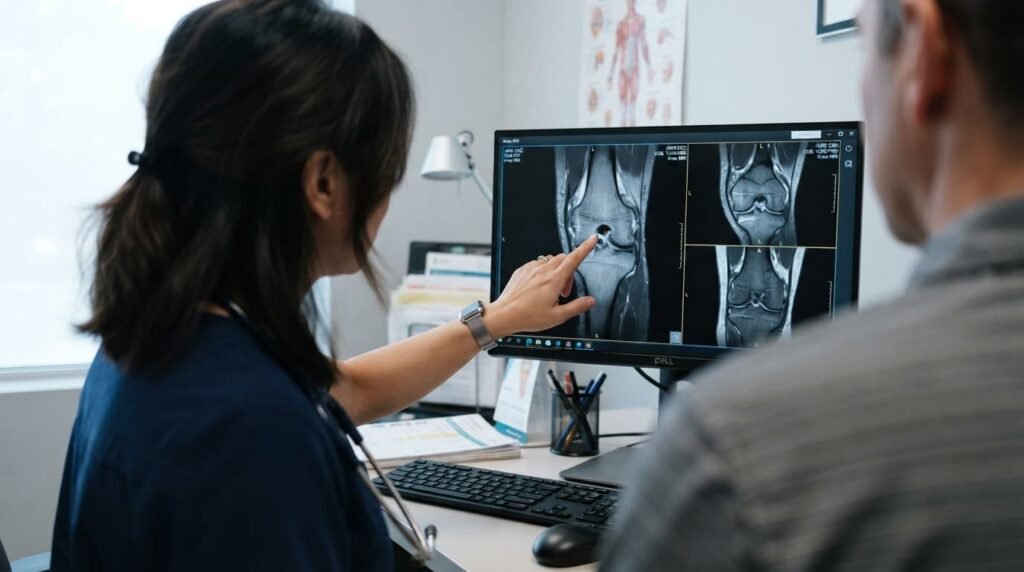
Best treatment for knee pain is rarely a single approach. Two people with the same diagnosis can respond very differently. Treatment options for knee pain typically progress through clear stages. Self-help and lifestyle changes usually come first in that order. Physiotherapy, medication, and specialist procedures follow if needed.
For chronic pain that has not improved, other options exist. Both aim to delay or reduce the need for surgery in suitable patients. Understanding the full range of treatment options helps build the right plan. Age, activity level, and the specific diagnosis all shape that decision.
Frequently Asked Questions
What is the fastest way to treat acute knee pain?
The RICE method for knee pain gives the fastest initial relief. Applying it within 48 hours limits swelling and reduces pain. Most acute injuries start improving within a few days when you follow it correctly.
Are home remedies for knee pain effective for chronic conditions?
Home remedies for knee pain can meaningfully reduce chronic symptoms too. They work best combined with exercise and diet changes. Chronic knee pain treatment usually needs an ongoing, combined strategy rather than one fix.
What are the warning signs of a serious knee injury?
Signs of serious knee injury include an inability to bear weight. Visible deformity or a knee giving way unexpectedly also count. Any of these signs warrant prompt medical assessment rather than home treatment.
Can diet really make a difference to knee pain?
Knee pain and diet are genuinely connected in several ways. Omega-3-rich foods and reduced sugar intake lower joint inflammation. Weight management through diet also reduces mechanical pressure on the knee.
Is gout knee pain different from arthritis pain?
Gout knee symptoms usually appear suddenly and peak within hours. This differs from the gradual onset typical of osteoarthritis. Managing uric acid levels helps reduce how often flares recur.
When should surgery be considered for knee pain?
Whether you need knee surgery is usually decided after other treatments. Physiotherapy and medication are tried first in most cases. Surgery tends to be considered for significant structural damage or limited function.
What exercises help most with early-stage knee pain?
Knee pain exercises such as straight leg raises tend to help early on. Low-impact options like cycling build strength without adding joint stress. A physiotherapist can tailor a plan around specific symptoms and goals.
Effective knee pain treatment depends on identifying the underlying cause first. The right combination of rest, exercise, diet, and medication follows from that. Acute injuries respond well to prompt first aid in most cases. Chronic pain benefits from a sustained, multi-part strategy instead. Recognising warning signs early prevents minor issues from becoming long-term limitations. Mr Syed Nadeem Abbas is a Consultant specialising in non-surgical knee osteoarthritis treatment. Anyone whose knee pain persists despite these measures may benefit from booking a consultation to discuss further options.
Read more: The Best Knee Specialist London Delivers Lasting Knee Pain Relief
Read more: Losing Weight Reduces Knee Osteoarthritis Pain and Protects the Joint?


