
An ACL injury affects thousands of people across the UK each year, most commonly during sport. The anterior cruciate ligament sits deep inside the knee, connecting the thigh bone to the shin bone. It works alongside three other ligaments to keep the joint stable during twisting and pivoting movements. Sudden stops, sharp pivots, and awkward landings place enormous strain on this ligament. Around 30 people per 100,000 sustain this type of ligament injury annually, with football, skiing, and netball among the leading causes. Roughly half of all cases involve additional damage to the meniscus or other knee structures at the same time. Recovery depends heavily on severity, treatment choice, and how quickly a diagnosis is confirmed. Delayed treatment can allow instability to persist, raising the risk of further joint damage over time.
ACL Injury Symptoms and Causes Explained
Most people notice a sudden pop inside the knee at the moment of injury. Swelling typically follows within a few hours. Pain ranges from moderate discomfort to severe, weight-bearing difficulty. Recognising torn ACL symptoms early makes a real difference to recovery speed. A prompt assessment also reduces the risk of further joint damage.
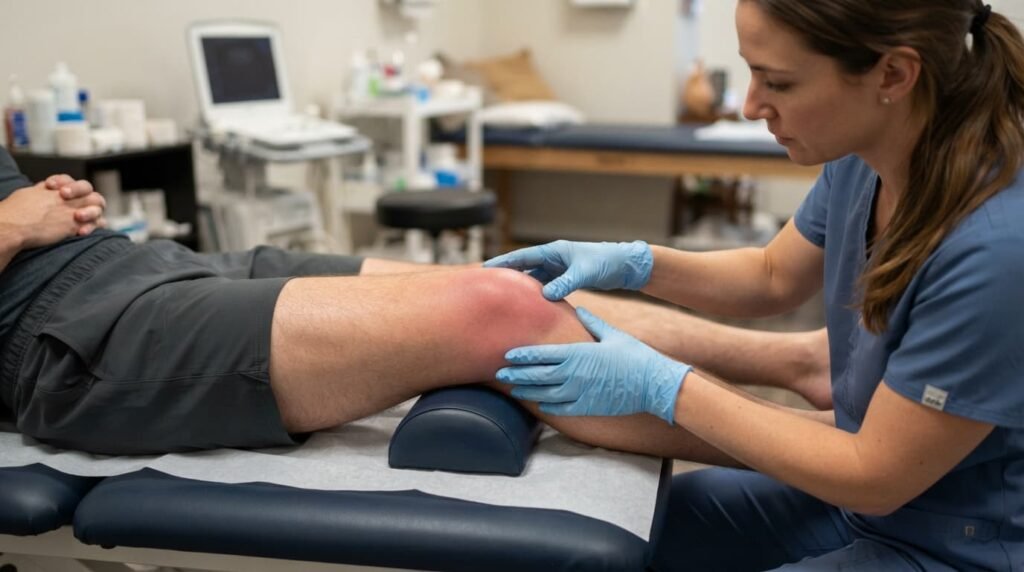
Recognising Torn ACL Symptoms
These symptoms overlap with several other knee conditions, so professional assessment remains essential. Symptom severity does not always match the extent of internal damage, which can be misleading.
- Rapid swelling within a few hours of injury
- A feeling of instability or the knee giving way
- Reduced range of motion in the joint
- Difficulty fully straightening the leg afterwards
- A distinct grinding or catching sensation during movement
Delaying assessment sometimes allows secondary swelling to mask the true extent of the injury.
Common ACL Tear Causes
Sudden direction changes cause the majority of cases seen in clinical practice.
- Landing awkwardly from a jump, causing rotational stress
- A direct blow to the knee during contact sport
- Quick pivoting with the foot firmly planted on the ground
- Poor landing technique during high-intensity training
- Inadequate warm-up before intense activity
Skiing accidents, football tackles, and netball pivots feature heavily in case studies. Uneven playing surfaces occasionally contribute as well, particularly in outdoor winter sport.
Understanding ACL Injury Types and Severity Grades
Ligament damage is graded by severity, ranging from a mild stretch to a full rupture. Understanding these ACL injury types helps guide the right treatment path from the outset.
- Grade one: slight stretching with no measurable instability
- Grade two: partial tearing alongside noticeable looseness in the joint
- Grade three: a complete tear with significant instability, the most severe type
Grading also shapes expectations around recovery time and rehabilitation intensity.
ACL Tear Vs Sprain
The terms ACL tear vs sprain often cause confusion among patients researching their symptoms. An ACL sprain involves stretching without a full break in the ligament fibres. A complete tear separates the ligament entirely, often requiring surgical repair. Symptoms overlap heavily between the two, so imaging remains essential for accuracy. Grading also determines whether bracing alone might prove sufficient for recovery.
Assessing Severity in Clinic
Specialists combine physical testing with patient-reported instability to confirm the grade. Movement range, swelling levels, and joint laxity all feed into this assessment. A clear grade helps set realistic expectations for both rehabilitation length and likely outcome.
ACL Injury Risk Factors
Certain groups face a higher likelihood of ligament damage during sport. Contact and pivoting sports carry the greatest overall risk. Poor landing technique and weak stabilising muscles also contribute significantly. Worn or unsuitable footwear increases strain on the joint during rapid movement. Fatigue late in a match tends to worsen movement control and raises injury risk further.
ACL Injury in Female Athletes
Female athletes experience this type of injury at a notably higher rate than male counterparts. Differences in pelvic anatomy, hormonal fluctuations, and muscle activation patterns all play a role. Training programmes focused on landing mechanics show measurable benefit in reducing this gap. Coaches increasingly build prevention drills into standard training sessions for younger female players. Early intervention during adolescence appears particularly effective at lowering long-term risk.
How Is ACL Injury Diagnosis Confirmed?
A physical examination usually forms the first step in confirming a diagnosis. Specialists test knee stability using manual movement assessments, including the Lachman test. Persistent swelling or instability typically leads to a magnetic resonance imaging scan. Accurate ACL injury diagnosis prevents unnecessary delays in starting appropriate treatment. Imaging also reveals associated damage, since ligament tears often accompany cartilage injuries. A thorough diagnosis shapes every decision that follows, from bracing to surgical planning.
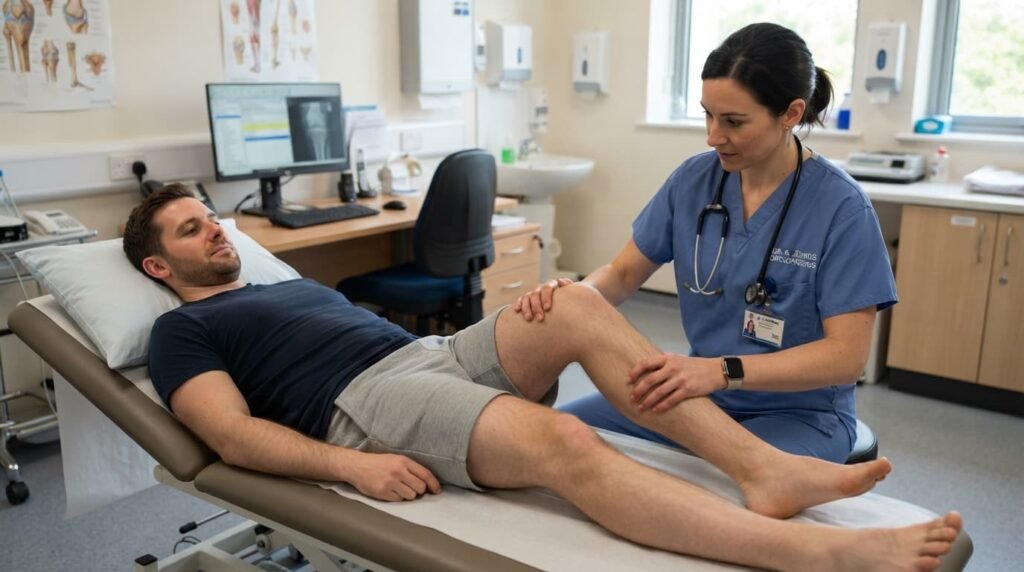
ACL Vs Meniscus Tear: Spotting the Difference
Both injuries share overlapping symptoms, which often causes confusion during self-assessment. A ligament tear typically causes instability, while cartilage damage tends to cause catching or locking. Around half of all ligament injuries involve some form of accompanying cartilage damage. Distinguishing an ACL vs meniscus tear requires professional assessment rather than guesswork.
Meniscus Tear Symptoms Compared
Meniscus tear symptoms include joint locking, clicking, and localised pain along the joint line. Swelling develops more gradually compared with the sudden swelling seen after a ligament tear. Pain often worsens with twisting or deep squatting movements. Combined injuries occur often enough that specialists routinely check both structures during examination. Physiotherapists sometimes adjust rehabilitation plans once both structures are confirmed as damaged.
Immediate Self-Help: The POLICE Method Injury Protocol
Early management focuses on limiting further damage while reducing pain and swelling. The POLICE method injury protocol has replaced older advice favouring complete rest. It stands for protection, optimal loading, ice, compression, and elevation. Gentle, controlled movement is now favoured over total immobility wherever safely possible. Applying ice for short intervals during the first two days helps control swelling. Avoiding heat, alcohol, running, and massage during this period supports safer healing. Following this structured approach in the early days often shortens overall recovery time.
ACL Injury Treatment Options
Treatment depends on severity, activity level, and personal recovery goals. Not every ligament injury requires surgical intervention. Some patients recover well through structured rehabilitation alone. Others need surgical reconstruction to restore full joint stability. A specialist consultation typically clarifies which pathway suits each individual case. Age, sporting ambitions, and overall joint health all influence this shared decision. Discussing expectations openly with a specialist helps avoid disappointment later in recovery.
Managing ACL Injury Without Surgery
Choosing ACL injury without surgery suits patients with partial tears or lower activity demands. Structured physiotherapy strengthens surrounding muscles, compensating for reduced ligament support. Many patients return to daily activities successfully using this conservative route. Ongoing monitoring ensures instability does not gradually worsen over time. Athletes returning to pivoting sports still need careful, staged evaluation before full clearance.
ACL Reconstruction Surgery
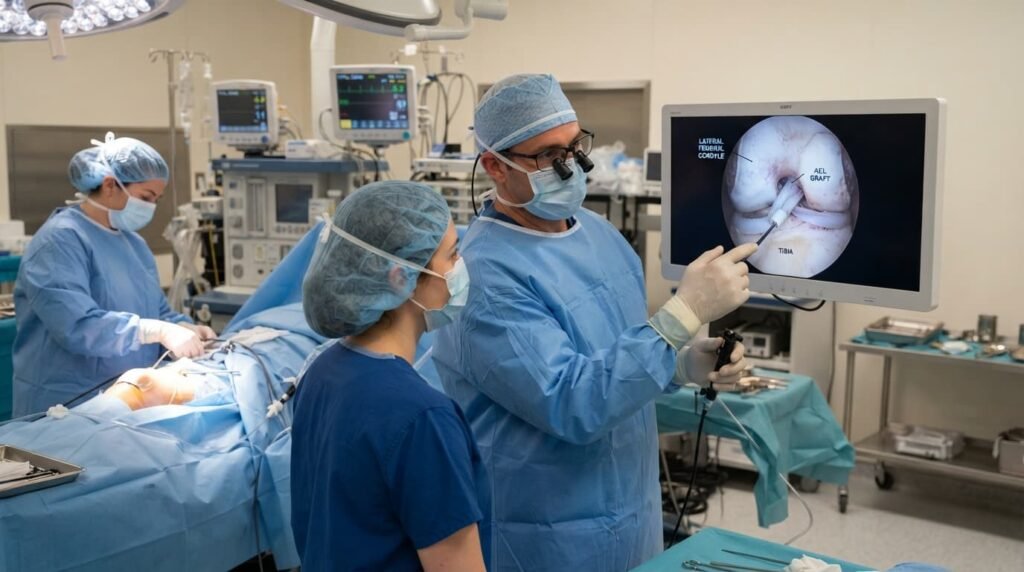
Surgical reconstruction replaces the torn ligament using a tissue graft. Surgeons usually source this graft from the hamstring or patellar tendon. Most surgeons recommend waiting until swelling subsides before scheduling the procedure. Younger, more active patients often benefit most from this surgical route. A structured rehabilitation programme follows every reconstruction procedure without exception.
Supportive Role of an ACL Knee Brace
An ACL knee brace provides external support during the early recovery phase. Bracing helps limit excessive movement while surrounding muscles regain strength. Evidence on long-term prevention benefits remains mixed among orthopaedic specialists. Most clinicians view bracing as a supportive tool rather than a standalone treatment. Custom-fitted braces tend to offer better comfort than generic, off-the-shelf versions.
Patients exploring non-surgical joint support may also find value in broader treatments used for chronic knee conditions. One example is the hydrogel-based approach used in Arthrosamid therapy. This treatment supports joint cushioning in a different, longer-term context.
ACL Physiotherapy Exercises for Recovery
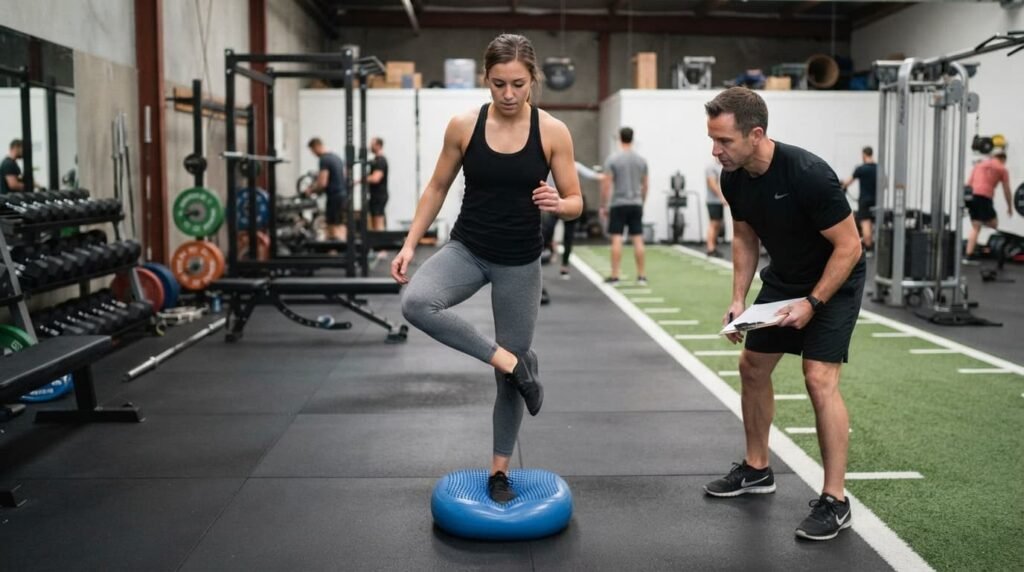
Structured rehabilitation forms the backbone of recovery, regardless of treatment route. ACL physiotherapy exercises typically progress through several distinct stages. Early work focuses on gentle range-of-motion drills once swelling settles. Strength training follows once pain and swelling reduce sufficiently. Balance and proprioception drills then prepare the joint for a safe return to activity. These ACL injury exercises are usually adjusted weekly based on progress and comfort levels. Return-to-sport testing, including hop and agility assessments, confirms readiness before full clearance. Skipping this final stage remains one of the most common causes of repeat injury.
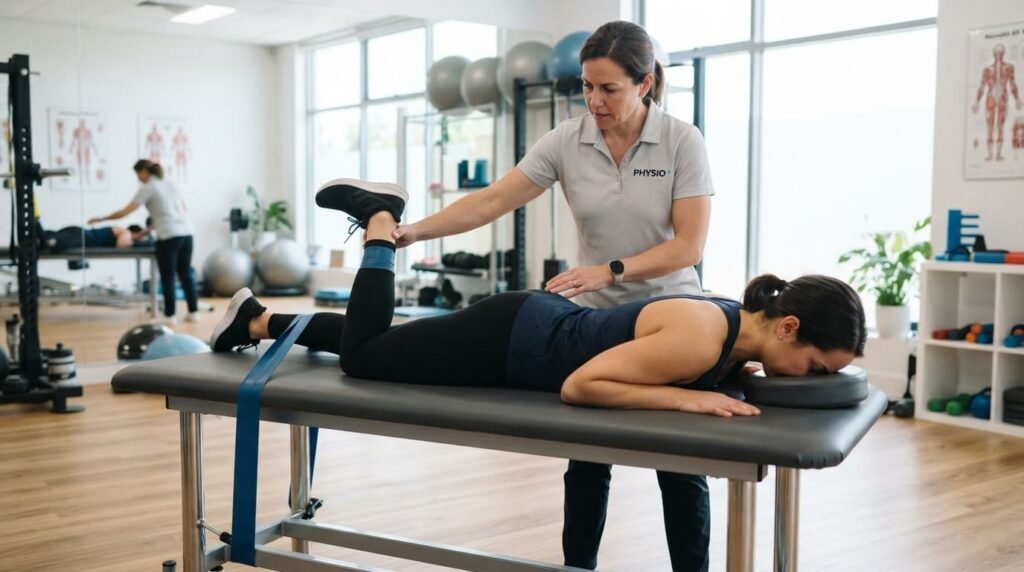
Hamstring Exercises ACL Prevention
Hamstring exercises ACL prevention plans reduce strain on the ligament during dynamic movement. Strengthening this muscle group balances the pull exerted by the quadriceps. Bridges, curls, and controlled lunges feature commonly in rehabilitation plans. Consistency across several months tends to produce the strongest long-term results. Many physiotherapists recommend continuing these exercises well after formal rehabilitation ends.
For wider context on non-surgical joint care, the Dr SNA Clinic YouTube channel offers further guidance. The channel focuses specifically on conservative management of joint and arthritis conditions, helping patients understand options beyond surgery.
ACL Surgery Recovery Time and Healing Timeline
Recovery speed varies considerably between individuals and treatment types. ACL surgery recovery time typically spans six to twelve months before full return to sport. Early weeks focus on swelling control and regaining basic movement. Later stages introduce strength work, agility drills, and sport-specific training. Patience through each stage significantly reduces the risk of setbacks.
How Long Does an ACL Injury Take to Heal?
Minor sprains often settle within a matter of weeks with focused rehabilitation. More severe tears requiring surgery follow a longer, staged recovery pathway. Full ligament strength typically returns closer to the nine-month mark. Rushing a return to sport significantly increases the risk of re-injury. Specialists generally advise against skipping any stage of the structured programme.
Can You Walk With a Torn ACL?
Walking on a torn ligament is often possible, though instability makes it uncomfortable. Some patients manage daily activities cautiously while awaiting specialist assessment. Sport and pivoting movements remain far riskier without proper stabilisation. Crutches or bracing frequently support safer movement during the initial weeks after injury.
ACL Injury Complications and Long-Term Risks
Untreated or poorly rehabilitated injuries carry meaningful long-term risk. Recurrent instability can lead to further cartilage damage over time. These ACL injury complications extend well beyond the initial recovery period. Persistent muscle weakness sometimes develops without consistent rehabilitation follow-through. Repeated instability episodes also raise the chance of needing later surgery.
The Link Between ACL Injury and Osteoarthritis
Research consistently links ACL injury and osteoarthritis, even among patients who undergo reconstruction. Joint surface damage sustained during the original injury contributes to this elevated risk. Studies suggest osteoarthritis can develop within ten to fifteen years following a significant tear. Patients managing early joint changes sometimes explore non-surgical options once symptoms begin affecting daily comfort.
ACL Injury Prevention Strategies
Prevention programmes have shown measurable success across amateur and professional sport. ACL injury prevention typically combines strength training, balance work, and landing technique coaching. Neuromuscular training reduces inward knee movement during jumps and pivots. Coaches now integrate these drills into regular warm-up routines across many sports. Consistent practice, rather than occasional sessions, produces the most reliable results. Screening tools now help identify athletes with movement patterns linked to higher risk. Early correction of these patterns often prevents injury before it happens.
Does Knee Brace ACL Prevention Actually Work?
Evidence supporting knee brace ACL prevention claims remains limited among healthy, uninjured athletes. Bracing appears more useful for supporting recovery than preventing an initial injury. Strength and technique training deliver more consistent preventive results overall. Specialists generally recommend structured training programmes over reliance on bracing alone.
Frequently Asked Questions
Can a torn ACL heal without surgery?
Minor sprains sometimes heal well with structured physiotherapy alone. Complete tears usually require surgical reconstruction for full stability. Activity level and personal goals influence this decision significantly. A specialist assessment determines the most suitable pathway for each patient.
How long does an ACL injury take to heal after surgery?
Recovery typically spans six to twelve months following reconstruction surgery. Early rehabilitation focuses on swelling reduction and gentle movement work. Strength and agility training follow during later stages of recovery. Full return to competitive sport requires careful, staged progression throughout.
What is the difference between an ACL tear and a meniscus tear?
An ACL tear affects the ligament connecting the thigh and shin bones. A meniscus tear instead damages the cartilage cushioning the knee joint. Locking sensations point more strongly toward cartilage damage than ligament damage. Many patients experience both injuries at the same time.
Are women more likely to experience this type of ligament injury?
Yes, female athletes face a notably higher injury rate overall. Anatomical and hormonal differences contribute to this increased risk profile. Targeted training programmes have shown real success in narrowing this gap. Coaches increasingly prioritise prevention drills within female sport programmes today.
Can a knee brace prevent this type of injury?
Evidence for prevention in previously uninjured knees remains fairly limited. Bracing offers more benefit during structured recovery after an injury occurs. Strength and landing technique training deliver stronger preventive results overall. Most specialists view bracing as supportive rather than protective equipment.
Which sports carry the highest risk of a ligament tear?
Football, netball, basketball, and skiing report the highest case numbers. Sports involving quick pivots and sudden landings place the greatest strain on the knee. Proper training and conditioning meaningfully reduce this elevated risk. Younger athletes benefit most from early, structured prevention coaching.
This kind of ligament injury often feels distressing at first. Most patients recover well with the right treatment pathway. Early diagnosis, appropriate rehabilitation, and patience through recovery all shape long-term outcomes significantly. Surgical and non-surgical routes both offer strong results when matched correctly to the individual case. Understanding symptoms, risk factors, and prevention strategies helps reduce the likelihood of repeat injury.
Mr Syed Nadeem Abbas provides specialist consultant-led knee assessment in London. Patients seeking expert guidance on ligament injuries can benefit from a thorough, personalised evaluation.
Read more: Meniscus Tear Explained From Symptoms to Surgery Options
Read more: Knee Ligament Tear – ACL, MCL and Meniscus Differences


