
A meniscus tear ranks among the most common knee injuries seen in both active adults and older patients. The meniscus is a crescent-shaped piece of cartilage that cushions the knee joint. It sits between the thighbone and shinbone, absorbing shock with every step. Damage to this cartilage can happen suddenly during sport or gradually through years of wear. Recognising the signs early helps patients seek appropriate care before the problem worsens and joint function declines further.
What Is a Meniscus Tear
Each knee contains two menisci, positioned on the inner and outer sides of the joint. These crescent-shaped pads distribute body weight evenly across the joint during walking, running and standing. A healthy meniscus keeps the knee stable and protects the cartilage underneath from excess pressure. When fibres within this tissue split or fray, the result is a tear.
Severity depends on size, shape and location within the meniscus. Some tears sit in the outer third, where the blood supply is richer and natural healing is more likely. Others occur deeper inside, where circulation is poor, and repair becomes far more difficult. This location often determines whether rehabilitation alone will succeed or whether surgery becomes the better path.
Age plays a significant role in how the injury presents. Younger patients often tear the meniscus through a specific twisting incident during sport. Older adults, by contrast, frequently develop damage gradually as cartilage weakens over the years. Both groups benefit from an accurate diagnosis before deciding on treatment.
Meniscus Tear Symptoms
Recognising meniscus tear symptoms early can prevent further joint damage and speed recovery. Most patients notice pain along the joint line, particularly when twisting or pivoting the leg. Swelling often develops within the first twenty-four hours after injury, though it can build more slowly with degenerative damage. A catching or locking sensation may also appear during movement, especially when straightening the leg fully.
Torn Meniscus Symptoms in Daily Activity
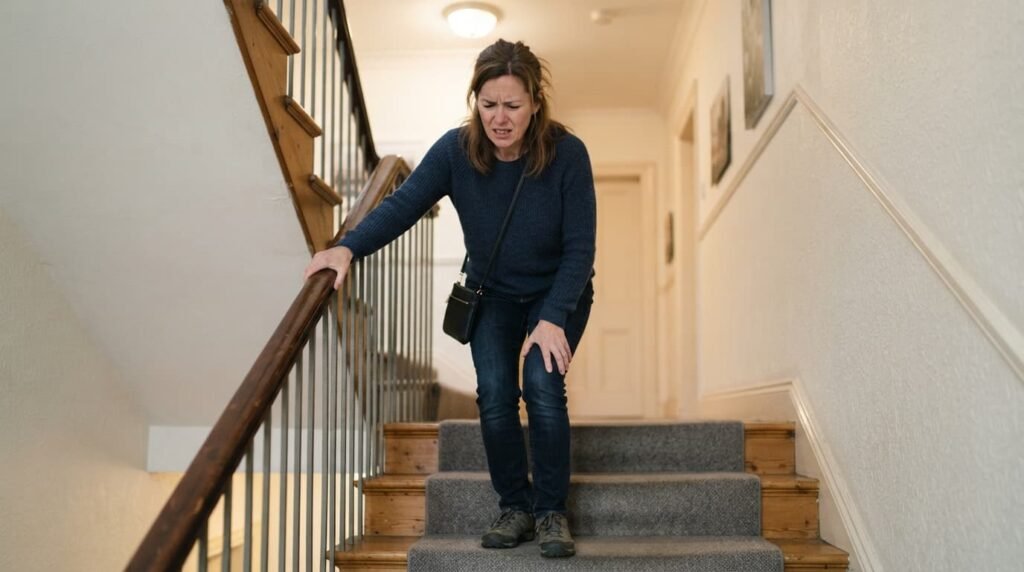
Torn meniscus symptoms frequently interfere with ordinary tasks rather than only sporting activities. Climbing stairs, squatting or rising from a low chair can trigger sharp discomfort. Some patients describe a feeling that the knee might buckle under load, particularly on uneven ground. Stiffness after sitting for long periods is another common complaint, easing gradually once movement resumes.
Pain intensity varies considerably between individuals and tear types. Smaller tears may only cause mild aching after activity, while larger tears can produce constant discomfort. Bruising is uncommon unless the injury involved direct impact to the knee.
Bucket Handle Meniscus Tear Signs
A bucket handle meniscus tear is a specific pattern where a long fragment flips into the joint space. This type frequently causes the knee to lock in a bent position, preventing full extension. Sudden locking after a twisting injury should prompt urgent medical assessment. Left untreated, this pattern can restrict movement significantly and increase the risk of further cartilage damage within the joint.
Meniscus Tear Grades and Diagnosis
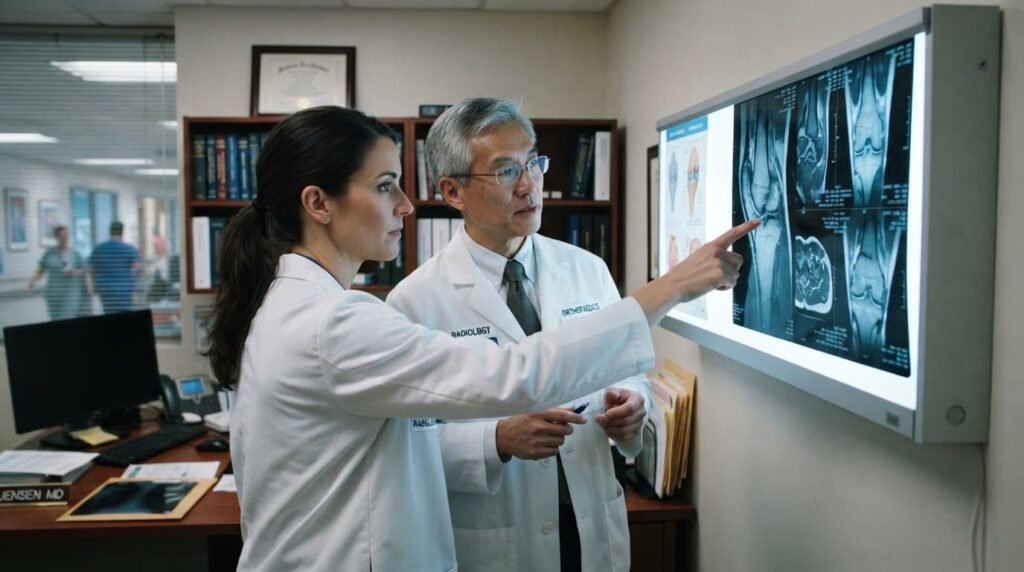
Meniscus tear diagnosis usually begins with a thorough physical examination. A clinician checks for tenderness along the joint line. Knee stability gets tested through specific manoeuvres, such as the McMurray test. Imaging then confirms the extent of damage and guides the treatment discussion that follows.
Tears are commonly graded from one to three based on MRI appearance. Grade one and two changes reflect early degeneration within the cartilage, without a complete tear through the tissue. Grade three indicates a full tear that extends through the meniscus. This grading system guides treatment planning and helps set realistic expectations for recovery.
How Doctors Diagnose a Torn Meniscus
MRI scanning remains the gold standard for confirming damage of this kind. It reveals the pattern, exact location and any associated ligament involvement within the same scan. X-rays cannot show soft tissue directly, but they help rule out fractures or advanced arthritis affecting the joint. Combining a careful clinical examination with imaging gives the clearest possible picture before treatment begins.
What Causes a Meniscus Tear
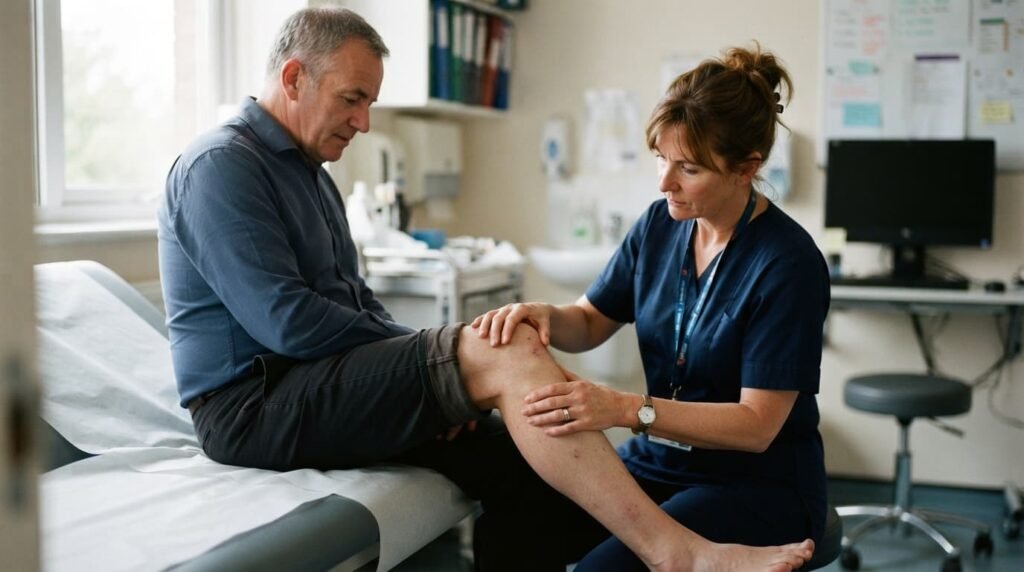
Injuries of this kind generally fall into two categories: traumatic and degenerative. Traumatic tears usually result from sudden twisting while the foot stays planted on the ground. This mechanism is common in football, skiing and racquet sports involving quick direction changes. Direct impact to the knee can also cause damage during contact sports or a heavy fall.
Degenerative Meniscus Tear vs Traumatic Tear
A degenerative meniscus tear develops slowly as cartilage weakens with age. No single incident triggers the damage; instead, years of repetitive stress gradually wear down the tissue. These tears are more frequent in patients over forty and often occur alongside early osteoarthritis within the same joint. Traumatic tears, by contrast, strike suddenly and affect younger, physically active individuals more often.
Certain factors raise the likelihood of either pattern developing. Excess body weight increases pressure on the joint during everyday movement. Occupations requiring frequent squatting or kneeling also carry a higher risk over time. Previous knee injuries, including ligament damage, can weaken the joint. This pattern is also noted among older patients dealing with long-term knee pain. Understanding meniscus tear grades and personal risk factors together helps set realistic expectations for recovery.
Meniscus Tear vs ACL Tear — Key Differences
Comparing a meniscal tear vs an ACL tear helps clarify diagnosis, since symptoms can overlap considerably. Both injuries can cause swelling and pain during twisting movements on the sports field. However, an ACL tear typically produces an audible pop and immediate instability when weight-bearing. A meniscus injury more often causes catching, locking or a dull ache concentrated along the joint line.
Combined injuries are also possible, particularly in high-impact sports involving sudden pivots. A thorough assessment distinguishes between ligament and cartilage damage before treatment begins. Misdiagnosis can delay proper rehabilitation and increase the risk of re-injury during a premature return to activity.
Meniscus Tear Treatment Without Surgery
Meniscus tear treatment without surgery suits many smaller or degenerative tears effectively. This approach focuses on reducing pain, controlling swelling and rebuilding strength around the joint. Older patients with degenerative changes frequently respond well to a non-surgical route, particularly when combined with consistent, structured rehabilitation.
RICE Method for Knee Injury
The RICE method for knee injury remains the first line of self-care immediately after symptoms begin. Rest limits further strain on the damaged cartilage during the initial healing period. Ice reduces swelling when applied for short intervals during the first few days. Compression with an elastic bandage supports the joint during light movement. Elevating the leg above heart level helps drain excess fluid and ease discomfort.
Most patients notice meaningful improvement within the first week when following this approach consistently. Persistent swelling beyond this point warrants further clinical review.
Meniscus Tear Physiotherapy and Rehabilitation Exercises
Meniscus tear physiotherapy strengthens the muscles that stabilise the knee joint over time. Knee physiotherapy programmes typically include several progressive stages:
- Quadriceps and hamstring strengthening exercises
- Balance and proprioception drills to improve control
- Gentle range-of-motion stretching to restore flexibility
- Low-impact cardiovascular work, such as cycling or swimming
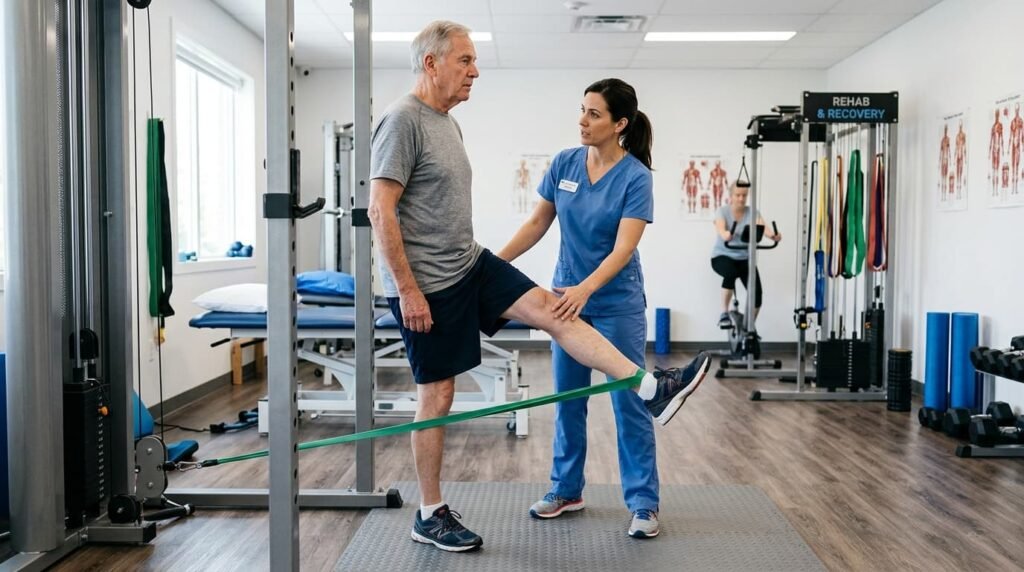
Rehabilitation exercises for this injury progress gradually as pain and swelling settle over successive weeks. Rushing this process can aggravate the injury and delay recovery further, particularly for degenerative tears. A qualified physiotherapist adjusts the programme according to individual progress and tolerance.
Physical therapy for knee stability also addresses movement patterns that may have contributed to the original injury. Correcting posture and gait during rehabilitation reduces the chance of future strain on the joint.
Pain Relief Options
Meniscus tear pain relief often starts with over-the-counter anti-inflammatory medication taken as directed. Ibuprofen and naproxen reduce swelling alongside general discomfort during flare-ups. Persistent pain despite conservative care may signal a tear that requires further intervention. Some patients also explore broader non-surgical treatment for related joint conditions. Some patients with wider cartilage wear also consider hydrogel injection therapy alongside standard meniscus care.
Meniscus Tear Surgery Options
Meniscus tear surgery becomes necessary when conservative treatment fails or the tear is severe. Surgeons choose an approach based on tear location, pattern and the patient’s age and activity level. Three main procedures address the majority of cases seen in clinical practice.
Meniscectomy and Partial Meniscectomy
Meniscectomy removes the damaged section of cartilage entirely from the joint. Partial meniscectomy trims only the torn portion, preserving as much healthy tissue as possible. This procedure suits tears in areas with poor blood supply, where natural healing is unlikely to occur. Recovery following this procedure is typically faster than recovery from repair surgery, allowing an earlier return to light activity.
Meniscal Repair
Meniscal repair stitches the torn edges back together rather than removing tissue from the joint. Surgeons favour this option for younger patients with tears located in the outer, blood-rich zone of the meniscus. Choosing between meniscus repair vs removal depends heavily on tear location, pattern and long-term activity goals. Repair preserves natural joint function over time but demands a longer, more cautious rehabilitation period afterwards.
Knee Arthroscopy Recovery
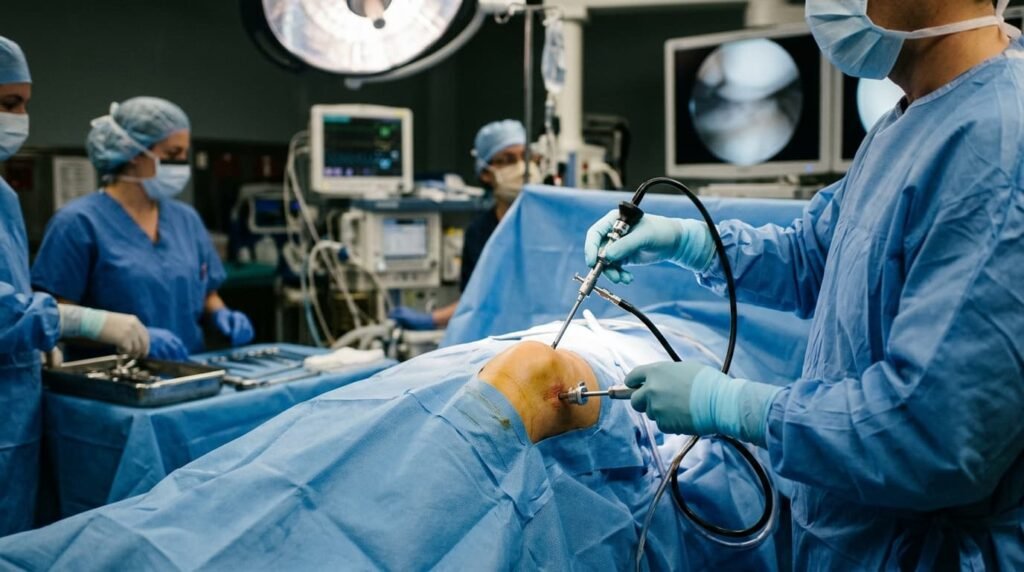
Arthroscopic surgery uses small incisions and a camera to access the joint without a large opening. This minimally invasive approach reduces scarring and shortens hospital stays considerably compared with open surgery. Knee arthroscopy recovery generally involves crutches for a short period, followed by supervised physiotherapy sessions. Most patients resume light daily activity within a few weeks, though full sports participation takes considerably longer.
Torn Meniscus Recovery Time
Torn meniscus recovery time varies widely depending on treatment type and tear severity. Partial meniscectomy patients often return to normal activity within three to four weeks. Meniscal repair requires a longer, more protected recovery, typically spanning three to six months in total. Recovery from meniscus surgery also depends on age, general fitness and strict adherence to the rehabilitation plan.
Non-surgical recovery timelines differ from surgical ones in several respects. Mild tears managed through structured physiotherapy may improve within six to eight weeks of consistent treatment. Patience during rehabilitation directly influences long-term knee stability and function. Skipping stages of recovery increases the risk of re-injury and prolonged discomfort.
Living With a Meniscus Tear — Prevention Tips
Reducing future risk starts with building knee stability exercises into a regular weekly routine. Strengthening the surrounding muscles protects cartilage from excess strain during daily movement and sport. Maintaining a healthy body weight also lowers pressure on the joint significantly over time. Warming up properly before exercise considerably reduces the likelihood of sudden twisting injuries.
Athletes returning to high-impact activity benefit from structured sports injury recovery programmes supervised by professionals. These programmes rebuild strength gradually while monitoring for early warning signs of recurring damage. Footwear and training surfaces also matter, since uneven ground increases stress on the knee joint. Nutrition plays a supporting role, too and anti-inflammatory foods can complement a movement-focused recovery plan.
How Related Terms Connect to a Meniscus Tear
- Knee pain treatment covers a wider range of approaches across knee conditions, not just meniscus care.
- Non-surgical treatment means physiotherapy, medication and lifestyle changes that avoid the operating theatre.
- Arthroscopic meniscus repair is the minimally invasive stitching technique described earlier.
- Partial meniscectomy recovery describes healing after tissue removal, shorter than repair recovery.
- Knee joint stability remains the overall goal, whether treatment is surgical or conservative.
PRP versus hydrogel injections provide a useful context for cartilage damage overlapping with early osteoarthritis. Mr Syed Nadeem Abbas also breaks down knee assessment steps on the DrSNA Clinic YouTube channel.
Frequently Asked Questions
How long does this cartilage injury take to heal without surgery?
Small tears managed with rest, physiotherapy and activity modification often improve within six to eight weeks. Degenerative tears may take longer, since underlying cartilage wear continues alongside the injury. Regular review with a clinician tracks progress accurately throughout this period.
Can a bucket handle tear heal on its own?
This displaced-fragment pattern rarely heals without intervention, since the flipped tissue blocks normal joint movement. Locking symptoms typically require surgical repair or removal of the fragment. Delaying treatment can lead to further cartilage damage over time.
What is the difference between meniscectomy and meniscal repair?
This tissue-removal procedure clears damaged cartilage, while the repair option stitches torn edges back together instead. Repair preserves more natural cartilage but requires a longer recovery period. The choice depends on tear location, pattern and patient age.
Is knee arthroscopy recovery painful?
Mild discomfort and swelling are common in the first few days after arthroscopic surgery. Pain typically settles within one to two weeks with appropriate care and rest. Following physiotherapy guidance closely speeds overall recovery considerably.
How is a torn meniscus distinguished from an ACL tear?
An ACL tear often causes an audible pop and immediate knee instability during the injury. A meniscal tear more commonly produces catching, locking or joint-line pain without sudden instability. Clinical examination and MRI together confirm the correct diagnosis.
Does physiotherapy help every case of this cartilage damage?
Physiotherapy benefits most smaller and degenerative tears effectively when started early. Larger or complex tears, particularly those causing locking, often need surgical assessment first. A personalised rehabilitation plan supports recovery either way, before or after surgery.
What happens if a torn meniscus is left untreated?
An untreated tear can worsen over time, particularly if locking or instability persists during daily activity. Ongoing strain on the joint may accelerate cartilage wear and raise the risk of early osteoarthritis. Early assessment prevents these longer-term complications in most cases.
Can discomfort from this injury return after treatment?
Some discomfort can recur if rehabilitation stops too early or strength never fully returns. Following a complete recovery programme substantially reduces this risk. Ongoing knee stability exercises help maintain results well beyond the initial recovery period.
Conclusion
This injury can range from a minor, manageable problem to a significant cause of knee instability. Early recognition of symptoms, accurate diagnosis and the right treatment path all influence long-term outcomes considerably. Both non-surgical rehabilitation and surgical options offer effective routes to recovery, depending on severity, location and individual patient goals. Consistent rehabilitation remains central to restoring full, lasting knee function.
Mr Syed Nadeem Abbas brings extensive orthopaedic expertise to the assessment and treatment of knee injuries.
Read more: Modern Osteoarthritis Treatment Alternative to Knee Replacement Injection
Read more: New non-surgical knee pain treatments in UK 2026 with Arthrosamid injection


