Losing Weight Reduces Knee Osteoarthritis Pain and Protects the Joint?

✅ Medically reviewed | Updated August 2026
Knee osteoarthritis weight loss ranks among the most effective non-surgical strategies for reducing joint pain in the UK. Around one in five adults in England reports a long-term musculoskeletal problem. Knee osteoarthritis remains one of the leading causes of that burden.
Every extra pound of body weight adds several pounds of mechanical load to the knee with each step. Shedding even a modest amount of weight can lower that load sharply. It can also slow further joint damage over time.
What Knee Osteoarthritis Weight Loss Means for the Joint
The knee joint sits between the thigh bone, shin bone, and kneecap. Cartilage and a thin layer of synovial fluid cushion these bones during movement. Knee osteoarthritis develops when cartilage wears down faster than the body can repair it. Bones then grind closer together, causing pain, stiffness, and swelling.
Weight plays a direct role in how fast this wear happens. Carrying extra weight increases the load passing through the joint during standing, walking, and climbing stairs. Reducing that load through structured weight loss gives cartilage a better chance to cope with daily movement. Understanding basic knee joint anatomy helps explain why even small weight changes produce noticeable relief.
Why Doctors Recommend Weight Loss First
Clinicians often describe knee osteoarthritis weight loss as one of the few interventions patients can control largely through lifestyle choices. It requires no medication and no surgery to begin. Many patients notice reduced stiffness within weeks of steady progress. This happens long before reaching a final target weight. GPs across the UK increasingly discuss weight alongside pain scores during routine osteoarthritis check-ups. This reflects growing clinical confidence in weight as a genuine treatment lever, not simply general health advice.
How Much Pressure Extra Weight Puts on the Knee
Research estimates that each step multiplies bodyweight-related force on the knee several times over. Losing just one pound can remove multiple pounds of pressure on the knees during ordinary walking. Multiply that reduction across thousands of daily steps, and the numbers grow quickly.
A person taking 5,000 steps daily who loses ten pounds removes a substantial load from both knees across a single year. This single fact explains why doctors so often recommend weight management before considering injections or surgery.
How the Pressure Builds Over Time
Pressure on knees does not build gradually in a straight line. It compounds with every movement, every day, for years. Reducing bodyweight even modestly interrupts that cycle early. This happens before structural damage becomes severe. The ratio of pressure to bodyweight varies by individual gait, footwear, and anatomy. The general pattern still holds true across most published research.

Losing weight for knee pain therefore delivers benefits well beyond the number shown on a set of bathroom scales. Stair climbing and squatting generate even higher forces than flat walking. This means household activities like gardening or carrying shopping also benefit noticeably once excess weight comes off.
Knee Osteoarthritis Symptoms Linked to Excess Weight
Common knee osteoarthritis symptoms include morning stiffness, swelling after activity, and a grinding sensation during movement. Pain that worsens with stairs or prolonged standing is also typical. Excess weight tends to intensify each of these symptoms. Higher mechanical load accelerates cartilage breakdown. This increases friction and inflammation within the joint capsule.
Knee joint pain rarely appears overnight; it builds slowly through repeated microtrauma. Patients carrying additional weight often report faster symptom progression compared with those at a healthy weight. Recognising early symptoms allows for earlier lifestyle intervention. Earlier action tends to produce better long-term outcomes than waiting until pain becomes severe.
Bone marrow lesions in knee osteoarthritis research links these MRI findings directly to pain intensity in several studies. These lesions often improve as pressure on the joint reduces through sustained weight loss. Swelling around the joint capsule frequently reduces in parallel, giving many patients earlier confirmation that their efforts are working.
Common Knee Pain Causes Beyond Weight
Knee pain causes extend beyond body weight alone. Previous injury, repetitive strain from certain occupations, and joint misalignment all contribute independently. Excess weight still consistently ranks among the strongest modifiable factors across most clinical research on knee pain and weight relationships.
Risk Factors for Knee Osteoarthritis Beyond Body Weight
Several risk factors for knee osteoarthritis exist alongside body weight. Age remains the strongest non-modifiable factor, since cartilage naturally thins over decades. Genetics influence cartilage quality and joint alignment from birth.
Previous knee injuries, including ligament tears, raise long-term osteoarthritis risk considerably. Occupations involving frequent kneeling, squatting, or heavy lifting place repeated strain on the joint. Sex also plays a role. Research consistently shows higher osteoarthritis rates in women after midlife. This pattern likely links to hormonal changes affecting cartilage and bone density.
None of these factors can be reversed through diet alone. Managing weight remains the one lever within most patients’ direct control. Combining weight management with awareness of these other risk factors gives the clearest overall picture of long-term knee health.
Tracking Progress During a Knee Osteoarthritis Weight Loss Plan
Measuring more than body weight alone helps patients stay motivated during a longer treatment plan. Pain scores, stiffness duration, and walking distance all shift gradually as weight drops.

Many patients find a simple weekly log more useful than daily scale checks. Knee-related fluid retention can otherwise mask short-term progress. Photographs and mobility notes, such as how many stairs feel manageable, often reveal improvement before the scales do.
Small, measurable wins early on tend to keep motivation high during the slower middle stages of any weight loss plan. Clinicians reviewing progress typically look for steady, gradual trends rather than dramatic weekly changes.
How Weight Loss Reduces Inflammation and Slows Cartilage Loss
Fat tissue behaves as an active endocrine organ rather than simple storage. It releases pro-inflammatory chemicals that circulate throughout the body, including within joint tissue. This connection between fat tissue inflammation and joint health explains why obesity- related knee osteoarthritis rates run higher. The pattern holds even in joints that bear little direct mechanical load, such as finger joints.
What the Cartilage Research Shows
Reducing body fat lowers circulating inflammatory markers system-wide. Imaging studies tracking cartilage degeneration in the knee over several years produced encouraging findings. Participants who lost weight showed significantly slower cartilage thinning than those who maintained higher weight.
Greater weight loss produced greater protection, suggesting a clear dose-response relationship. Weight loss in cartilage OA research increasingly points toward sustained, moderate weight reduction. Rapid crash dieting tends to produce weaker, less durable results by comparison. Patients who lose weight gradually tend to maintain the benefit for longer. This holds true across studies spanning several months of monitored follow-up.
Practical Tips for Losing Weight to Treat Knee Pain
Sustainable results usually beat quick fixes for joint-friendly weight management. The following tips for losing weight to treat knee pain focus on gradual, joint-safe changes. None require extreme restriction or unrealistic daily routines.

Diet Changes That Support the Knee
- Prioritise whole foods over processed options to reduce added sugar and refined fat intake
- Increase vegetables, legumes, and oily fish to support an anti-inflammatory diet for arthritis
- Try a partial plant-based diet arthritis approach to reduce reliance on strict calorie counting
- Reduce portion sizes gradually rather than switching to restrictive diets overnight
- Stay well hydrated, since thirst is often mistaken for hunger
Choosing knee pain relief foods consistently, rather than following short-term diet plans, tends to produce steadier long-term results. Steady change tends to outperform short-term diet plans over the course of a year.
How to Lose Weight With Knee Pain Safely
Painful joints can make traditional exercise routines difficult. This often creates a frustrating cycle of inactivity and further weight gain. Low-impact activity remains the safest starting point for anyone learning how to lose weight with knee pain. Swimming, cycling, and water aerobics allow calorie burning without excessive joint loading.
Building activity gradually, rather than attempting sudden intense workouts, reduces flare-up risk. It also supports long-term adherence, which matters more than short bursts of intensity.
The Sleep and Stress Connection
Sleep quality and stress levels also influence weight loss success more than many people expect. Poor sleep raises hunger hormones and lowers motivation for daily movement. Addressing sleep alongside diet and activity often removes a hidden barrier that stalls otherwise well-planned weight loss efforts.
Setting Realistic Timelines for Knee Osteoarthritis Weight Loss
Realistic pacing prevents the discouragement that often derails longer weight loss efforts. A steady rate of roughly half a kilogram to one kilogram per week suits most people managing joint pain safely. Faster loss can trigger muscle wastage, which weakens the support structures around the knee itself. Slower, steadier loss preserves muscle mass while still reducing joint load month by month. Many patients notice the clearest improvements between three and six months into a consistent plan. Patience during the early weeks pays off considerably once cumulative pressure reduction reaches a noticeable threshold. Setting monthly targets, rather than a single distant goal, tends to keep motivation steadier across a full year of change.
Knee Exercises for Arthritis That Support Weight Loss
Structured knee exercises for arthritis serve two purposes at once. They burn calories, and they strengthen the muscles surrounding the joint. Stronger quadriceps and hamstrings absorb more force during movement. This reduces direct pressure through the joint itself.
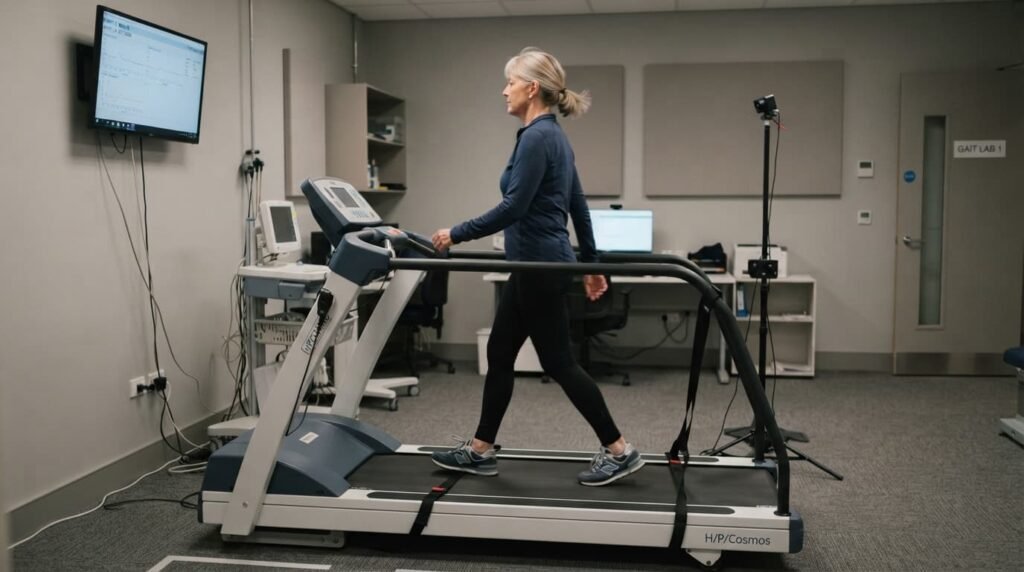
Consistency matters more than intensity for anyone managing painful joints. Gentle strength training, combined with low-impact cardio, tends to produce the best combination of weight loss and pain relief. Short daily sessions, gradually increasing in duration, generally outperform occasional intense workouts. This holds for both weight control and symptom management over time.
The DrSNA Clinic YouTube channel covers non-surgical approaches to joint pain and arthritis management. It offers further detail for anyone wanting safer movement strategies explained step by step.
Knee Osteoarthritis Treatment Options Alongside Weight Management
Weight loss works best alongside proven knee osteoarthritis treatment options, rather than as a standalone solution for advanced cases. Physiotherapy strengthens supporting muscles while weight loss progresses in parallel. Anti-inflammatory medication can manage flare-ups during the early stages of a weight loss programme. For persistent symptoms that resist lifestyle changes alone, several non-surgical injectable options exist.
Non-Surgical Treatment Choices
Specialist clinics increasingly offer Arthrosamid injection treatment as a longer-lasting cushioning option. It suits patients wanting to delay surgical intervention while continuing weight management. Others compare PRP against Arthrosamid before choosing a treatment pathway, since each option suits different patient profiles.
Combining Approaches for Better Results
These treatments work well alongside continued weight management rather than replacing it entirely. A specialist assessment usually clarifies which combination of weight loss, physiotherapy, and injection-based support suits an individual joint best. Patients often find that combining approaches produces steadier results than relying on any single option in isolation.
Everyday Habits That Support Long-Term Joint Health
Small daily habits often matter more than occasional big efforts. Choosing stairs over lifts, where knee pain allows, keeps muscles active without a formal workout. Standing up and moving briefly every hour reduces stiffness for anyone with a desk-based routine.
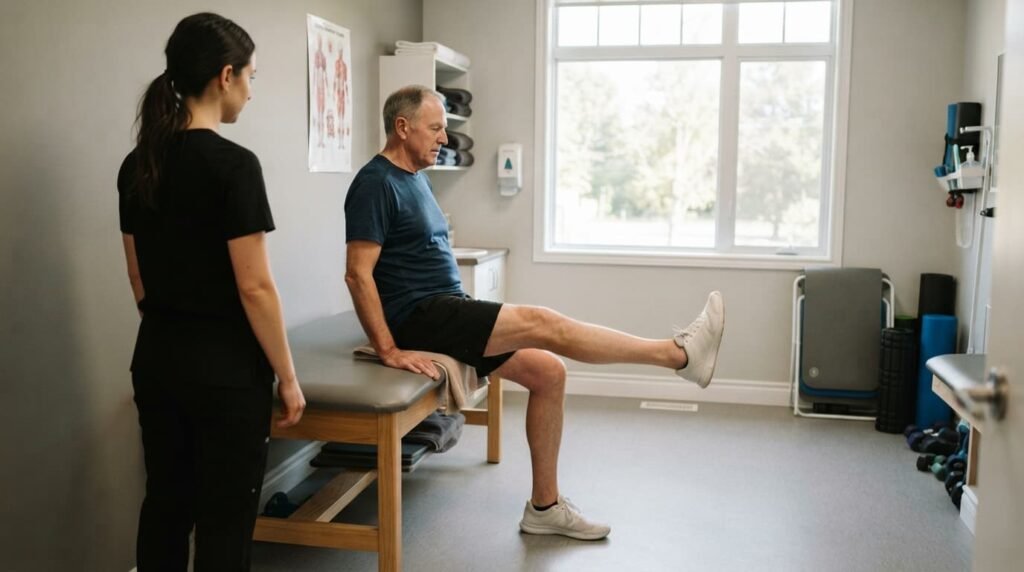
Supportive footwear with proper cushioning reduces peak impact forces during walking. Carrying shopping bags evenly, rather than favouring one side, avoids uneven strain on either knee.
None of these habits replaces structured weight loss, but each one supports the wider effort. Over months, small consistent choices add up to meaningful protection for the joint.
When Knee Replacement Surgery Becomes Necessary
Knee replacement surgery typically becomes necessary only after conservative options fail to control symptoms. This includes weight loss, physiotherapy, and injection-based treatment. Surgeons generally recommend achieving a healthier weight before surgery where possible. Higher weight increases surgical risk and slows post-operative recovery considerably.
Delaying surgery through effective weight management often improves eventual surgical outcomes, should surgery become unavoidable. Balancing earlier intervention against continued conservative management remains a personal decision made with specialist input.
Frequently Asked Questions
Does losing weight really help knee osteoarthritis?
Yes. Research consistently links weight loss in knee arthritis outcomes to reduced pain, slower cartilage loss, and improved joint function.
How much weight loss is needed to notice a difference in knee pain?
Many studies show meaningful relief starting around five to ten per cent of starting body weight. Greater loss tends to produce greater benefit.
What is the fastest way to reduce pressure on knees?
Combining gradual weight loss with low-impact exercise reduces mechanical load faster than diet or activity alone.
Can knee exercises for arthritis be done with existing joint pain?
Yes, provided movements stay low-impact. Swimming, cycling, and guided strength work rarely aggravate symptoms when introduced gradually.
Is an anti-inflammatory diet for arthritis enough on its own?
Diet alone rarely resolves advanced osteoarthritis. It supports weight loss and reduces systemic inflammation alongside other treatments.
When should knee replacement surgery be considered instead of weight loss?
Surgery becomes relevant once pain persists despite sustained weight loss, physiotherapy, and non-surgical treatment options.
For knee osteoarthritis, weight loss remains one of the most effective, evidence-backed strategies available for protecting joint health. Reducing body weight lowers mechanical pressure, calms systemic inflammation, and slows cartilage degeneration over time. Combined with targeted exercise and, where needed, non-surgical treatment, sustainable weight management offers a realistic path toward lasting relief. Mr Syed Nadeem Abbas specialises in non-surgical knee pain and arthritis management for patients exploring these options further.
Read more: Knee Injection for Arthritis Provides Lasting Pain Relief
Read more: Physical Examination Of The Knee Reveals The Cause Of Pain