Is Osteoarthritis Genetic in Nature or Driven by Everyday Habits?

✅ Medically reviewed | Updated August 2026
Is osteoarthritis genetic, or does lifestyle carry more weight in its development? Genes play a measurable role in osteoarthritis risk, alongside age, joint mechanics, and daily habits. Research over recent decades has identified specific gene variants that influence cartilage strength and joint inflammation. These inherited traits interact closely with factors such as body weight and previous joint injuries.
Family history often raises personal risk, but it rarely acts as the sole determining factor. Clinicians increasingly view osteoarthritis as a condition shaped by both nature and everyday circumstance. Understanding this balance helps patients make informed choices about prevention and long-term joint care.
What Is Osteoarthritis?
Osteoarthritis is a joint condition caused by the gradual breakdown of cartilage. Cartilage cushions the ends of bones, allowing smooth, pain-free movement. As it wears down, bones begin to rub against each other. This friction leads to pain, stiffness, and swelling around the joint.
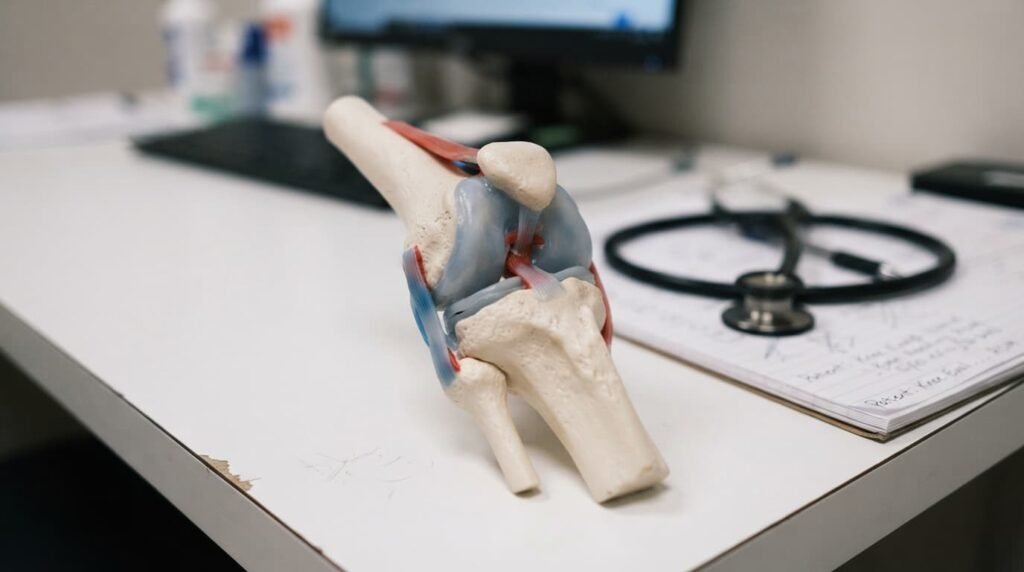
Common Symptoms and Types of Osteoarthritis
Symptoms of osteoarthritis often develop slowly and worsen over months or years. Common signs include morning stiffness, joint pain during activity, and swelling after exertion. Many patients also notice a grinding sensation during movement, known as crepitus. The knees, hips, hands, and spine are affected most frequently, though any synovial joint can develop the condition.
Clinicians sometimes separate cases into primary and secondary osteoarthritis. Primary osteoarthritis develops without a clear single cause, often linked to age and inherited susceptibility. Secondary osteoarthritis follows a specific event, such as a joint injury or another underlying disease.
Osteoarthritis affects millions of adults across the UK, particularly those over 45. Prevalence continues to rise alongside an ageing population and increasing rates of obesity. It remains one of the leading causes of joint pain and reduced mobility in later life. Early recognition of symptoms often allows for gentler, more effective management before joint damage advances further.
Is Osteoarthritis Genetic?
Is osteoarthritis genetic in a meaningful sense, or is heredity overstated? Research consistently shows a genetic component behind the disease. Studies estimate genetics account for roughly 40 to 70 per cent of osteoarthritis risk. This proportion varies depending on which joint is affected. Hip and hand osteoarthritis tend to show a stronger genetic link than the knee.
A person’s inherited genes can influence how strong and resilient their cartilage remains throughout life. Genes also shape how the body responds to inflammation within a joint. This does not guarantee the disease will develop. It simply raises the likelihood compared with someone without that genetic background. Genetics influence osteoarthritis risk alongside age, weight, and daily activity levels.
Osteoarthritis Genetic Factors and Key Genes Involved
Several osteoarthritis genetic factors have been identified through research over the past two decades. Scientists have linked more than 100 gene variants to osteoarthritis susceptibility across different populations worldwide.
The COL2A1 gene osteoarthritis connection is among the most studied relationships in this field. COL2A1 helps produce type II collagen, a protein essential for strong cartilage structure. Variations in this gene may weaken cartilage and accelerate its breakdown over time. Some rare COL2A1 mutations cause early-onset joint disease alongside other skeletal changes.
Other osteoarthritis DNA variants affect bone density, inflammation, and cartilage-forming cells called chondrocytes. Genes involved in inflammatory response, such as those regulating certain interleukins, can influence how joints react to everyday wear. Researchers have also identified genes linked to bone growth signalling that appear to affect cartilage maintenance.
The GDF5 gene is another frequently studied example within this field of research. Variants in GDF5 have been linked to both hip and knee osteoarthritis across several populations. This gene influences how cartilage-forming cells develop during early joint formation. Reduced GDF5 activity may leave cartilage less able to withstand years of mechanical stress. These genetics of joint pain findings continue to expand as genome-wide studies grow larger and more detailed.

Twin Study Osteoarthritis Evidence
Twin study osteoarthritis research offers some of the clearest evidence for a genetic link. Identical twins share nearly all their DNA. They develop osteoarthritis at notably similar rates compared with fraternal twins. One well-known UK study followed female twins over several years. It found genetic influence on hand and knee osteoarthritis ranged between 39 and 65 per cent. This estimate remained independent of lifestyle factors such as weight and activity. Such findings support the case that genetic predisposition to arthritis is real, even after accounting for environment.
Can Genetic Testing Predict Osteoarthritis Risk?
Genetic testing for osteoarthritis remains largely a research tool rather than routine clinical practice. No single gene test can currently confirm or rule out future disease. This limitation exists because osteoarthritis results from many small genetic contributions working together, not one dominant variant. Each identified gene typically raises risk only slightly on its own.
Clinicians generally rely on family history, joint examination, and imaging rather than DNA testing. This approach reflects current evidence better than genetic screening alone. Research into more predictive genetic panels continues, and testing may become more clinically useful over time.
Is Knee Osteoarthritis Hereditary?
Is knee osteoarthritis hereditary in the same way as hip or hand osteoarthritis? The knee shows a somewhat weaker genetic link overall. Heritability estimates for the knee sit closer to 40 per cent. Environmental and mechanical factors play a larger relative role at this joint. This happens partly because the knee carries substantial body weight daily.
Even so, genetic factors that affect knee osteoarthritis remain relevant. They become particularly important when combined with other risks such as age and previous injury.
Does Osteoarthritis Run in Families?
Does osteoarthritis run in families in a way patients should genuinely worry about? Family history of osteoarthritis is one of the strongest predictors clinicians consider. If a parent or sibling has been diagnosed, personal risk increases noticeably. This does not mean the disease is inevitable. It means extra attention to joint health becomes worthwhile early on.
Understanding a personal osteoarthritis family history can guide earlier screening and lifestyle adjustments. Patients aware of this background often benefit from proactive management. Waiting for symptoms to appear before taking action is rarely the best approach.

What Are the Main Knee Osteoarthritis Causes?
Knee osteoarthritis causes extend well beyond inherited genetics alone. Multiple environmental and mechanical factors contribute alongside family history. These lifestyle factors knee osteoarthritis patients face daily often carry as much weight as genetic background.
Obesity and Osteoarthritis
Obesity and osteoarthritis are closely linked, particularly at weight-bearing joints such as the knee. Extra body weight increases mechanical stress on cartilage with every step taken. Research suggests individuals with a body mass index above 30 face a substantially higher risk. This risk is notably greater than for those within a healthy weight range.
Does obesity cause osteoarthritis entirely on its own? Weight is rarely the sole cause of the condition. It accelerates cartilage breakdown considerably, especially alongside a genetic predisposition. Fat tissue also produces inflammatory compounds that may worsen joint damage. This effect goes beyond mechanical load alone, adding a biochemical dimension to the risk.
Osteoarthritis Knee Hip Risk Factors
Several osteoarthritis knee hip risk factors extend beyond weight and genetics. Previous joint injuries, including ligament tears or fractures, significantly raise long-term risk. Repetitive strain from certain occupations or sports can wear cartilage prematurely. Jobs involving frequent kneeling, squatting, or heavy lifting are particularly associated with knee wear.
Occupations such as flooring, construction, and farming carry noticeably higher rates of knee osteoarthritis. Athletes involved in high-impact sports face similar elevated risk from repeated joint loading over years.
Age, Gender, and Lifestyle Risk Factors
Age remains one of the strongest risk factors overall, with most cases appearing after 50. Gender also plays a role, as women tend to develop knee osteoarthritis more often than men. This difference becomes more pronounced after menopause, likely linked to hormonal changes. Simple dietary adjustments may support joint health alongside these considerations, particularly when combined with weight management.
Cold weather is often reported to worsen existing symptoms rather than cause new disease. Patients managing seasonal flare-ups sometimes look for practical, everyday guidance.
Osteoarthritis Genetics vs Lifestyle
Osteoarthritis genetics vs lifestyle is not truly an either-or debate in clinical practice. Most experts describe osteoarthritis as a multifactorial condition shaped by both inherited and environmental influences. A person with high genetic risk who maintains a healthy weight may never develop symptomatic disease. Staying active throughout life appears to offer meaningful protection even against inherited susceptibility. Conversely, someone without family history can still develop osteoarthritis after a serious injury. Years of repetitive joint strain can produce similar outcomes without any genetic contribution at all.
This interaction explains why two people with similar genetics can experience very different outcomes. Environmental habits often determine whether genetic risk translates into an actual diagnosis. Neither genetics nor lifestyle alone provides a complete picture of individual risk.
Focusing on What Can Be Controlled
Clinicians increasingly encourage patients to focus on the factors within their control. Genetics cannot currently be altered, but daily habits remain adjustable at any age. This practical mindset tends to produce better long-term outcomes than concern over inherited risk alone.
Can Osteoarthritis Be Prevented?
Can osteoarthritis be prevented entirely, particularly for patients with a strong family history? A guaranteed prevention method does not currently exist for this condition. However, several strategies may reduce risk or delay onset considerably over time.
Weight Management and Joint Load
Maintaining a healthy body weight reduces mechanical stress on the knees and hips. Low-impact activities such as swimming, cycling, and walking support joint mobility. These activities achieve this without placing excessive strain on vulnerable joints. Protecting joints during sport and physical work lowers the chance of injury-related osteoarthritis later.
Building Strength and Staying Active
Building muscle strength around the knee also helps distribute load more evenly across the joint. Stronger surrounding muscles can reduce the pressure placed directly on cartilage during daily movement. Even modest weight loss appears to bring measurable benefit for patients carrying excess weight. Losing around five to ten per cent of body weight can noticeably ease pressure on the knees. Combining strength work with low-impact cardiovascular activity tends to produce the most consistent long-term results. Patients seeking further guidance on non-surgical management often explore these options. These options tend to become relevant once symptoms begin affecting daily life.

Monitoring Joint Health Over Time
Regular check-ups become particularly valuable for patients with a known family history of osteoarthritis. Early monitoring allows clinicians to track joint changes before symptoms significantly limit daily activity. Small adjustments made early often prove more effective than major interventions introduced later.
Patients wanting a clearer explanation of joint-cushioning treatments have another option available. The educational videos on the Dr SNA Clinic YouTube channel walk through non-surgical treatment approaches for osteoarthritis. The channel covers treatment mechanisms in accessible, patient-friendly detail, without requiring a prior medical background.
How Is Osteoarthritis Diagnosed?
Diagnosis typically begins with a physical examination of the affected joint. Clinicians assess swelling, range of motion, and areas of tenderness around the knee. X-rays often confirm the diagnosis by showing narrowed joint space and bone changes. In some cases, an MRI scan provides more detailed images of cartilage and soft tissue.
A thorough medical history, including family history of osteoarthritis, supports accurate diagnosis alongside imaging. Patients are often asked about previous joint injuries, occupation, and typical activity levels. This combined approach helps clinicians distinguish osteoarthritis from other joint conditions with similar symptoms.
Frequently Asked Questions
Is osteoarthritis genetic or caused by ageing alone?
Both factors contribute meaningfully to disease development. Genetics influence cartilage strength and inflammatory response throughout life. Ageing naturally reduces cartilage’s ability to repair itself over time. Most cases result from a combination of inherited risk and years of joint use.
Does osteoarthritis run in families even without a specific gene test?
Yes, family history alone is considered a meaningful risk indicator by clinicians. A parent or sibling with osteoarthritis increases personal risk noticeably. This holds true even without formal genetic testing confirming a specific variant.
Can osteoarthritis be prevented if genetic predisposition to arthritis is confirmed?
Prevention cannot be guaranteed, but risk can often be reduced. Maintaining a healthy weight, staying active, and protecting joints from injury all help. These steps lower the practical impact of inherited risk considerably over time.
What causes osteoarthritis to progress faster in some patients than others?
Progression speed varies with genetics, joint injury history, and body weight. Activity levels and occupation also influence how quickly symptoms worsen. Patients with a stronger genetic predisposition combined with obesity often experience faster cartilage loss.
Are knee osteoarthritis causes different from those affecting the hip or hand?
The underlying process is similar across joints, though contributing factors shift slightly. The knee is more strongly influenced by mechanical load and injury history. Hip and hand osteoarthritis show a comparatively stronger genetic component in research studies.
Does a family history of osteoarthritis mean genetic testing is worthwhile?
Routine genetic testing is not currently recommended for most patients. Family history alone already provides clinicians with useful, actionable information. Discussing joint health proactively with a specialist offers more practical value than genetic screening today.

Osteoarthritis develops through a combination of genetic and lifestyle factors. Family history and specific gene variants raise baseline risk, while weight, activity, and joint injuries shape how that risk unfolds in practice. Mr Syed Nadeem Abbas specialises in non-surgical management of knee pain.
Read more: Overweight Knee Pain Relief for Arthritis and Joint Health
Read more: Arthrosamid vs Hyaluronic Acid Injection: Which One Works Better?