
Stiff joints fall into a few clear groups, and each group leaves its own pattern. Some causes are harmless, such as a long spell in one position. Others point to arthritis, gout or ongoing inflammation.
Timing, duration, and the joints involved all offer clues. Knees, hips and hands respond differently to each condition. Spotting the pattern speeds up diagnosis, and many causes respond well to early care. Each section below links a pattern to its likely cause and a sensible next step.
Why Joints Stiffen in the First Place
Healthy joints glide on smooth cartilage and a thin layer of lubricating fluid. Stiffness appears when that system slows, thickens or swells. The stiff joints causes below all disrupt it in different ways.
How Joint Fluid and Cartilage Work
Cartilage caps the end of each bone like a smooth, slippery coating. Synovial fluid fills the gap and cuts friction. Movement pumps that fluid around the joint and keeps the surfaces gliding.
Cartilage may thin, the fluid may thicken, or the joint lining may swell. Even a small change in this balance makes movement feel tight. The result is a joint that moves late, moves less or moves with a protest.
Why Mornings Feel the Worst
Joints stay still for hours overnight. Fluid settles, and the tissues around the joint tighten. Stiff joints in the morning therefore ease only after a few minutes of movement.
Duration matters here. Morning stiffness that fades within half an hour usually points to wear and tear. A longer spell often signals inflammation. That single clue helps doctors decide which tests to order.
How Inflammation Tightens a Joint
Inflammation is the body’s repair response. Blood flow rises, fluid leaks into the joint and the lining thickens. The joint then feels warm, puffy and tight.
Short bursts of inflammation help healing. Long-running inflammation does the opposite. It irritates the cartilage and stiffens the capsule around the joint. Persistent swelling signals that the underlying cause needs treatment, not just rest.
Age, Genes and Previous Injury
Age is the strongest single risk factor. Cartilage repairs itself slowly, and decades of use add up. Genes also matter, because arthritis often runs in families.
Women develop osteoarthritis and rheumatoid arthritis more often than men, especially after the menopause. Jobs that involve repeated kneeling, lifting or gripping add further strain. Earlier fractures and ligament tears leave lasting changes in the joint.
Stiff Joints Causes Linked to Arthritis
Arthritis explains most long-term cases. The word covers more than a hundred conditions. Four types account for the most common causes of stiff joints.
Osteoarthritis and Wear and Tear
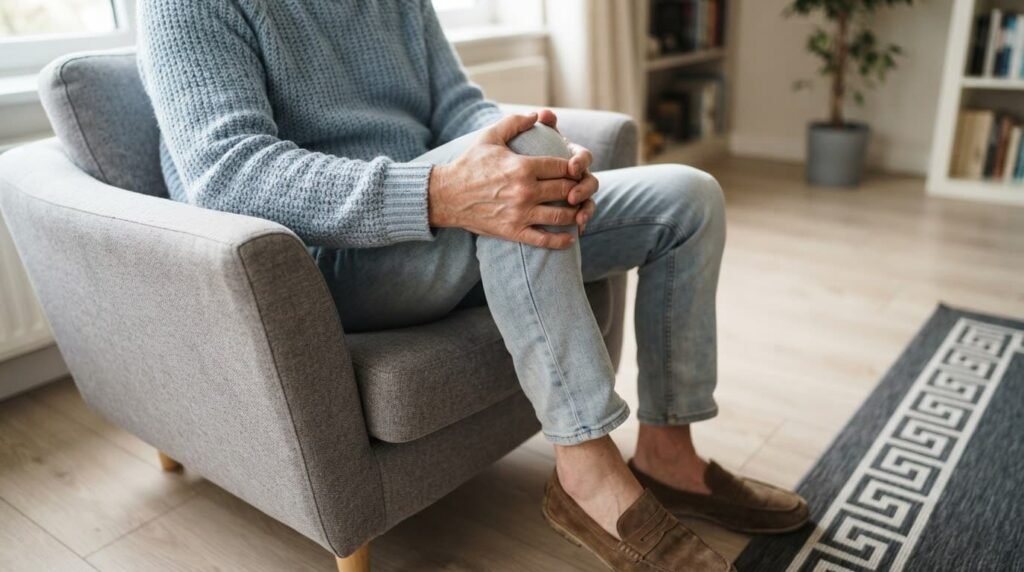
Osteoarthritis is the most common form of arthritis. Cartilage thins with years of use, and the bone surfaces roughen. Knees, hips, hands and the spine suffer most.
Osteoarthritis stiffness usually eases within 30 minutes of movement. It returns after rest and builds through the day. Swelling, clicking and aching often follow. Pain usually worsens with stairs, kneeling and long walks. Rest brings relief, though only for a while.
Risk rises with age, old injuries, family history and extra weight. Muscle loss and knee osteoarthritis also develop side by side in later life. Cartilage cannot regrow once it wears away, so early management protects movement.
Rheumatoid Arthritis and Immune Attacks
Rheumatoid arthritis starts when the immune system attacks the joint lining. The lining swells and produces pain. Small joints in the hands and feet often go first. Both sides of the body usually react together. Affected joints may look puffy and feel warm to the touch.
Rheumatoid arthritis joint stiffness lasts longer than 30 minutes after waking. Fatigue, warmth and swelling commonly join it. Blood tests and scans confirm the condition. Early treatment slows joint damage, so a prompt diagnosis pays off.
Gout and Uric Acid Crystals
Gout develops when uric acid crystals build up inside a joint. The big toe is the classic target. Knees, ankles and wrists also suffer. Attacks bring sudden pain, redness and heat. Untreated flares can last several days. The affected joint often feels too tender to touch.
Gout in the morning is common because attacks often build overnight. Cooler joints during sleep encourage crystal formation. Gout has a cruel sense of timing, often striking after a rich dinner. Alcohol, red meat, sugary drinks and some medicines raise the risk.
Lupus and Other Autoimmune Conditions
Lupus is another autoimmune condition. The immune system attacks healthy tissue, including the joint lining. Lupus joint pain often affects both sides of the body. Fatigue, rashes and fevers usually accompany it. Flares come and go, so symptoms may vanish for weeks.
Psoriatic arthritis and ankylosing spondylitis also stiffen joints. A rheumatologist diagnoses these conditions after an examination and blood tests. Treatment aims to calm the immune system and protect the joints.
Soft Tissue and Injury Causes
Not every case involves arthritis. Several other causes of stiff joints sit in the tissues around the joint.
Bursitis and Irritated Cushioning Sacs
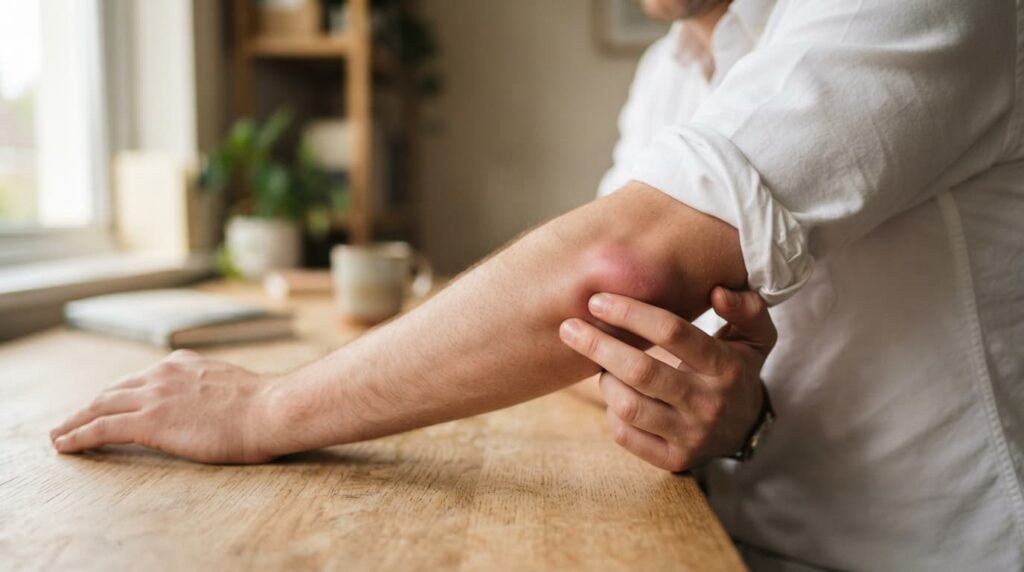
Bursae are small fluid-filled sacs that cushion bones, tendons and muscles. Repetitive movement or prolonged pressure irritates them. Bursitis joint pain typically sits over the shoulder, elbow, hip or knee.
The joint feels warm, tender and tight. Rest, ice and gentle stretching usually settle the problem within weeks. Persistent cases may need a clinical review.
Old Injuries and Tight Tendons
Past ligament tears, fractures and meniscal injuries change how a joint moves. Cartilage then wears unevenly, and scar tissue limits range. Stiffness may appear years after the original injury.
Tendons also shorten when a limb stays still for long periods. A cast or a spell of bed rest after surgery shows this clearly.
Rare but Serious Causes
Joint infection and bone tumours can also stiffen joints. These causes are uncommon. Fever, severe pain or unexplained weight loss needs urgent review.
Medicines and Other Health Conditions
Some medicines can stiffen joints or muscles. Aromatase inhibitors used in breast cancer care and certain cholesterol drugs are examples. A doctor should review any new stiffness that starts after a medicine change. Prescribed medicine must never be stopped without medical advice.
Thyroid disease and diabetes also affect connective tissue. Blood tests check for both quickly. Treating the underlying condition often eases the stiffness too.
Which Joints Stiffen Most Often
Knees and Hips
Knees and hips carry the body’s weight, so they stiffen early. Osteoarthritis usually targets them first. Stairs, standing from a chair and the first steps after rest reveal the problem.
Hip problems can also refer pain into the knee, which complicates the picture. Hip problems therefore deserve a check whenever knee stiffness has no clear cause.
Hands, Neck and Spine
Hand stiffness often reflects osteoarthritis in the finger joints or rheumatoid arthritis in the knuckles. Neck and spine stiffness commonly follows disc wear and posture strain. Shoulders tighten with bursitis, tendon trouble or frozen shoulder.
Daily Habits That Tighten Joints
Lifestyle choices add to the list of stiff joint causes. Most of them sit within a person’s control.
Long Hours of Sitting
Muscles weaken without regular use. Weak muscles pass more load into the joint. Stiff joints after sitting are the usual result. Desk workers often rise from a meeting creaking like a bowl of breakfast cereal.
Short movement breaks every 30 minutes keep joints lubricated. Gentle yoga for arthritis also suits tight joints, because it builds flexibility without heavy impact.
Extra Body Weight
Each step through the knee carries several times body weight. Extra weight raises that load and also fuels inflammation. Does weight loss help joint pain? Research suggests it does. Even modest loss eases knee pain and stiffness.
Poor Sleep and Diet
Poor sleep raises pain sensitivity. Broken nights leave joints feeling worse the next day. A diet heavy in processed food and sugar may fuel inflammation. Oily fish, nuts, vegetables and olive oil support a healthier pattern.
Coffee and arthritis share a mixed relationship, so individual response varies. Tracking symptoms after meals and drinks reveals personal triggers.
Cold Weather and Damp Days
Many people report tighter joints in cold, damp weather. Research on this link remains mixed. Lower temperatures may thicken joint fluid and tighten muscles, which could explain the sensation. Staying warm and keeping active remains the simplest defence. Layered clothing and indoor movement help on grim winter mornings.
Smoking and Alcohol
Smoking raises the risk of rheumatoid arthritis and slows tissue repair. Heavy alcohol use raises uric acid and triggers gout flares. Cutting back on either habit protects the joints and improves general health.
Reading the Pattern Behind the Stiffness
Comparing patterns narrows the causes of stiff joints quickly. The table below summarises typical differences.
| Likely cause | Typical stiffness | Common joints |
| Osteoarthritis | Under 30 minutes, returns after rest | Knees, hips, hands |
| Rheumatoid arthritis | Over 30 minutes after waking | Small joints on both sides |
| Gout | Sudden, severe flare | Big toe, knee, ankle |
| Lupus | Variable, with fatigue and rashes | Hands, wrists, knees |
| Bursitis | Local and activity-related | Shoulder, hip, knee |
| Inactivity | Brief, eases quickly | Any weight-bearing joint |
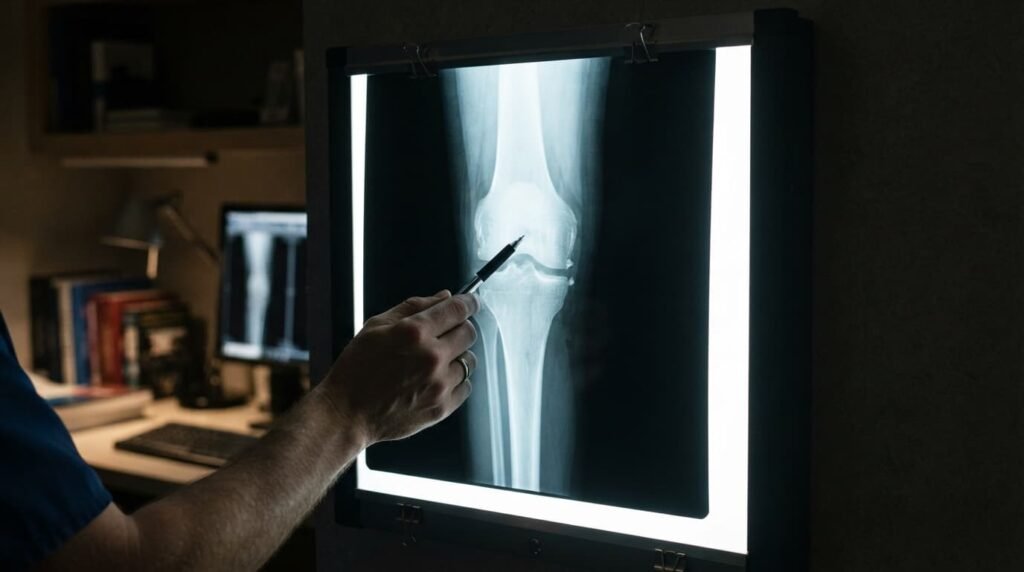
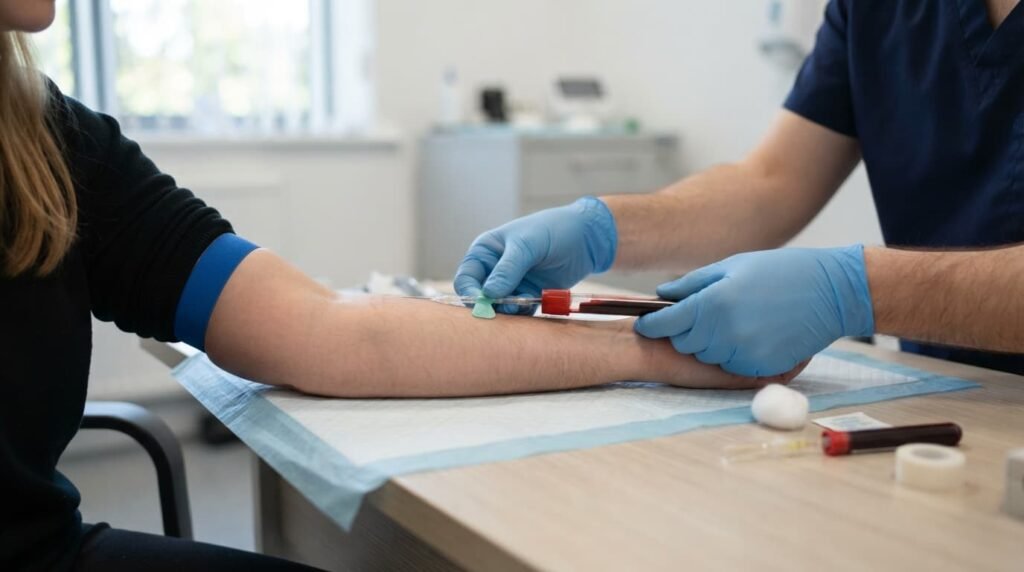
These patterns guide a diagnosis rather than replace one. A clinician confirms the cause after an examination and tests. Scans, blood tests and joint fluid analysis each answer different questions.
Keeping a Symptom Diary
A simple diary makes appointments far more productive. Notes on timing, duration, affected joints and triggers reveal patterns quickly. Weather, activity, meals and sleep belong in the log as well.
Two weeks of consistent notes often tell a clinician more than a vague memory does. Photos of swollen joints also help, since swelling can fade before an appointment.
Common Myths About Stiffness
Myth: stiffness is just part of getting older. Age raises the risk, but many older adults move freely. Persistent stiffness always deserves an explanation.
Myth: rest is the best medicine. Short rest helps during a flare. Long rest weakens muscles and tightens joints further.
Myth: cracking knuckles causes arthritis. Studies have found no clear link. The popping sound comes from gas bubbles in the joint fluid. Neighbours may disagree, but the evidence does not.
Myth: supplements cure arthritis. Evidence for most supplements remains thin. A doctor should approve any new supplement before it joins the daily routine.
Easing Stiffness at Home and in Clinic
Heat, Ice and Gentle Movement
Heat relaxes tight muscles and suits long-standing stiffness. Ice suits fresh injuries and swollen joints. The choice of heat or ice for stiff joints depends on the stage of the problem. A warm shower before getting up helps many people.
Walking, swimming and cycling keep joints moving without heavy impact. The Dr SNA Clinic YouTube channel offers video education on non-surgical joint pain care.
Strength and Stretching Routines
Strong muscles absorb shock and share the load with the joint. Gentle stretching keeps tendons supple. A physiotherapist can design a routine around the affected joint and the underlying cause.
Sessions should feel challenging but never sharp. Mild aching that settles within a day is acceptable. Pain that lingers or worsens signals that the routine needs adjusting. Regular, modest sessions beat occasional heroic ones.
Over-the-Counter Options
Paracetamol and anti-inflammatory gels give short-term relief. Oral anti-inflammatories suit some people but carry stomach and kidney risks. A pharmacist can advise on safe use. OTC medication for joint pain should always follow label dosing.
Medical Treatment Options
Stiff joints treatment depends entirely on the cause. Physiotherapy builds strength and range of movement. Disease-modifying drugs control rheumatoid arthritis, and urate-lowering medicine controls gout.
A steroid injection for joint stiffness reduces inflammation for several weeks. Hydrogel injections offer another non-surgical route for knee osteoarthritis. Clinicians judge each Arthrosamid injection against strict criteria. Arthritis stiffness relief usually combines exercise, medicine and weight management.
When to See a Doctor
Knowing when to see a doctor for joint stiffness prevents lasting damage. A GP appointment makes sense when stiffness lasts several weeks or keeps returning. A doctor can also separate harmless stiff joints from conditions that need treatment.
Prompt assessment is wise in these situations:
- Stiffness lasting longer than 30 minutes after waking
- A hot, red or rapidly swollen joint
- Fever alongside joint pain
- Inability to move or bear weight through the joint
- Stiffness that keeps worsening
A hot, swollen joint with fever needs same-day medical attention.
FAQs
Is morning stiffness always a sign of arthritis?
No. Fluid settles overnight, so brief tightness is normal. Osteoarthritis usually eases within 30 minutes of movement. Longer episodes may signal inflammatory arthritis and deserve assessment.
Does weight loss help joint pain?
Yes, in most cases. Less body weight reduces the load on knees and hips. Lower body fat also reduces inflammation. Even modest loss often eases pain and stiffness.
Is heat or ice better for stiff joints?
Heat suits long-standing stiffness, while ice suits recent injuries and swelling. A cloth barrier protects the skin from either. Ten to fifteen minutes per session is a sensible limit.
How long does a steroid injection for joint stiffness last?
Relief usually lasts several weeks, although the length varies by person and joint. Repeated injections give diminishing benefit, so clinicians limit their number. Non-surgical alternatives exist for knee osteoarthritis.
Can cold weather make joints stiffer?
Many people report more stiffness in cold, damp weather. Evidence is mixed, but cold can tighten muscles and thicken joint fluid. Warm clothing and regular movement reduce the effect.
Can a blood test explain stiffness?
Blood tests check for inflammation, rheumatoid factor, uric acid and thyroid problems. They support a diagnosis rather than make one alone. Examination and scans complete the picture.
When should someone seek medical help for stiff joints?
Persistent stiffness, swelling, warmth or fever all justify a review. Inability to move a joint also needs prompt attention. Early diagnosis protects the joint and widens treatment options.
Stiffness has many causes, from simple inactivity to arthritis, gout and soft tissue injury. Understanding stiff joints causes gives a clear starting point for treatment. Timing, duration and location reveal the likely culprit. Lifestyle changes and early treatment protect movement, and persistent symptoms deserve a medical review.
Mr Syed Nadeem Abbas, a non-surgical knee and joint pain specialist, assesses knee stiffness and treats osteoarthritis without surgery.
Read more: Knee Injection Not Working After The First Attempt Signals A Fresh Treatment Plan
Read more: Knee Injections Fail In Advanced Arthritis For Several Clear Reasons


