
✅ Medically reviewed
Alcohol and knee pain overlap more often than most drinkers realise. Arthritis UK estimates that about 10 million people in the UK live with osteoarthritis. Around 5.4 million of them have it in the knee. A further 1.6 million people have a recorded gout diagnosis. Alcohol touches both conditions in ways that rarely make headlines.
Many people blame a sore knee after a heavy weekend on standing too long. Sometimes that explanation holds. Often the cause sits deeper, in joint chemistry rather than joint mechanics. Drinking rarely wrecks a knee on its own, yet it can nudge several pain pathways at once. Inflammation, fluid balance, uric acid and medication safety all shift after a few drinks. People searching for an Arthrosamid injection near me often first need to confirm what is driving the pain.
The sections below separate solid evidence from pub-table folklore. They also explain what to change and when a specialist visit makes sense.
Can Drinking Alcohol Cause Knee Pain?
Alcohol rarely injures the knee directly. It usually acts as an amplifier instead. A joint that already aches tends to ache more after heavy drinking. Alcohol and joint pain follow a similar pattern in the hips, hands and spine. The knee simply bears more weight, so symptoms show up there first.
What Research Says About Alcohol and Knee Pain
The link between alcohol and knee pain looks real but modest in most studies. Population surveys connect regular heavy drinking with more persistent joint complaints. Results differ by joint, sex and drinking pattern. Observational studies also cannot prove cause and effect. Heavy drinkers often share other habits that load the knee, such as broken sleep and extra weight.
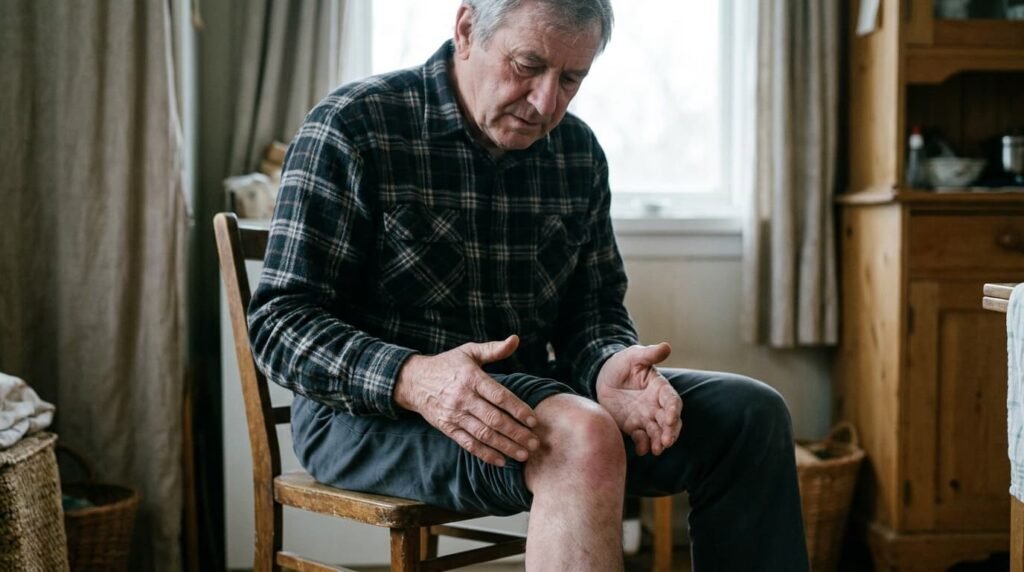
Moderate drinking produces a muddier picture. Some studies show little joint effect at low intake. Others suggest benefits for certain arthritis types. That finding does not turn alcohol into a treatment. The overall evidence favours less alcohol for sore joints, not more.
Direct Damage Versus Indirect Triggers
Direct damage means alcohol harming joint tissue itself. Evidence for that remains thin. Indirect triggers carry far stronger evidence. They include gout flares, falls, weight gain, broken sleep and painkiller clashes.
Falls deserve a special mention. Intoxicated twisting injuries can tear a meniscus or strain a ligament. A single stumble on a wet pub step can cause months of knee trouble. Gravity, sadly, never takes the evening off.
How Alcohol and Inflammation Feed Sore Joints
Inflammation is the immune system’s alarm response. In a healthy knee, it switches on after injury and then settles. In an arthritic knee, the alarm often rings far too long.
Alcohol and inflammation connect through several routes. Heavy drinking raises inflammatory markers in the blood. It can also loosen the gut lining. Bacterial fragments then leak into the bloodstream and prompt an immune reaction. That reaction does not stay local, so joints feel the effects.
A knee already inflamed by arthritis has little spare tolerance for extra immune noise. Hangover aches often reflect the same process. Muscles feel stiff, and tender spots feel sharper.
Light drinking has a less clear effect on inflammation. Researchers still debate that point. Regular heavy sessions clearly tip the balance in the wrong direction. Persistent swelling after drinking therefore deserves attention rather than another ice pack.
Inflammation also explains why swelling can linger after a drinking session. Fluid collects inside an irritated knee. The joint then feels tight, warm and slow to bend. Rest and time usually settle mild flare-ups. Repeated flare-ups point to an underlying problem that needs a clinician’s eye.
Dehydration, Synovial Fluid and Aching Knees
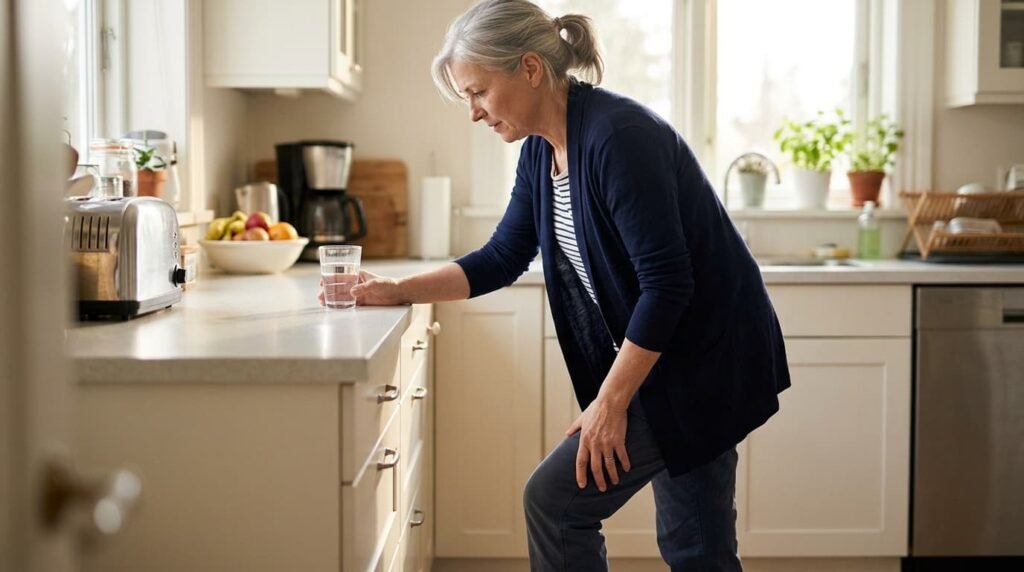
Every knee contains a thin film of lubricating liquid. This synovial fluid cushions the joint and carries nutrients to the cartilage. Water makes up most of it. That fact fuels the popular claim that a hangover dries out the knees.
How an Alcohol Diuretic Effect Drains Fluid
Drinking triggers a clear alcohol diuretic effect. Alcohol suppresses a hormone that tells the kidneys to hold water. Urine output then rises beyond the amount of fluid consumed. Thirst, headache and muscle cramps follow. Cramping thigh muscles can drag on the knee and make walking uncomfortable.
Dehydration and Joint Pain: What the Evidence Shows
Dehydration and joint pain connect through muscle tension and pain sensitivity. Direct proof that one night of drinking thins the lubricating liquid in a knee remains limited. Mild fluid loss is more likely to sharpen existing aches. An arthritic knee has less tolerance for that extra sensitivity.
Water remains the cheapest fix. Other drinks muddy the picture too, and coffee shows a similarly mixed record for joints. Alternating each alcoholic drink with a glass of water costs little and helps.
Gout: The Clearest Link Between Drinking and Knee Flares
Alcohol and gout appear together in decades of research. Gout is a form of inflammatory arthritis. Needle-shaped urate crystals build up inside a joint and trigger sudden, intense inflammation. The first attack often arrives overnight and wakes the sleeper with throbbing pain.
Uric Acid and Alcohol
Uric acid and alcohol share a troublesome relationship. Alcohol increases uric acid production. It also reduces how much the kidneys remove. Blood levels climb, and crystals form more easily in cooler joints.
Gout usually strikes the big toe first. The knee is a common second site. Studies show attacks often hit joints already affected by osteoarthritis. A knee that turns hot, red and swollen overnight needs prompt assessment. Stiff joints have many other causes, so guessing at home wastes time.
Beer and Gout
Beer and gout make an especially poor pairing. Spirits also raise gout risk. A pint of average-strength lager holds about two units, so a long evening adds up quickly.
Gout flares love a celebration, and a celebration usually involves beer. People with a gout diagnosis commonly receive advice to cut back on beer first.
Red Wine and Gout
Red wine and gout show a more mixed record. Moderate wine intake appears to carry a weaker link than beer or spirits. Even so, some people report flares after a glass of red. Heavy intake raises risk, whatever the colour in the glass. Wine earns no free pass, however sophisticated the label looks.
How Drinking Interacts With Common Arthritis Types
Alcohol and knee pain look different depending on the underlying diagnosis. Osteoarthritis, rheumatoid arthritis and crystal arthritis each respond to drinking in their own way. Separating them helps explain why two people with sore knees can get different advice.
Alcohol and Osteoarthritis
Alcohol and osteoarthritis show a mixed research record. Some studies link heavier drinking with more knee osteoarthritis. Others find no link, or even a lower risk at light intake. Study design, age and body weight all complicate the results.
Weight deserves attention here. Alcohol adds hidden calories, and extra body weight loads the knee. A commonly cited estimate suggests each extra kilogram adds about four kilograms of force across the knee during walking. The way osteoarthritis affects the knee depends heavily on that load.
Knee Osteoarthritis and Alcohol: Everyday Effects
Knee osteoarthritis and alcohol interact in ordinary, practical ways. Drinking fragments sleep, and poor sleep lowers pain tolerance. Fluid loss tightens muscles. Clumsiness raises fall risk. Together, these effects explain why many people notice stiffer, sorer knees the morning after.
Alcohol and Rheumatoid Arthritis
Alcohol and rheumatoid arthritis show an odd research pattern. Some studies link moderate drinking with a lower risk of developing the disease. That finding does not justify starting to drink for joint health. The wider health costs of alcohol outweigh any possible benefit.
People who take methotrexate should follow their rheumatology team’s advice on alcohol. The liver carries extra risk with that medicine.
Alcohol and Painkillers: Ibuprofen, Naproxen and Beyond

Sore knees often lead straight to the medicine cabinet. Mixing drinks and painkillers needs care.
Alcohol and ibuprofen both irritate the stomach lining. Together they raise the risk of stomach upset, ulcers and bleeding. Naproxen and alcohol carry the same warning, and naproxen stays in the body longer. Other anti-inflammatory tablets follow the same pattern. Pharmacists commonly advise keeping alcohol low or avoiding it during a course.
Paracetamol brings a different risk. Heavy drinking increases liver strain, so the label limits matter even more. Topical gels deliver less medicine to the bloodstream. A pharmacist can confirm whether a gel suits a given person. Timing matters too, because tablets taken before an evening out still linger in the body. Reading the leaflet takes two minutes and prevents avoidable hospital visits.
Painkillers also add another layer to alcohol and knee pain. Many people therefore pair medication with drug-free knee pain relief habits such as strengthening, pacing and weight management. Medication decisions still belong with a pharmacist or GP.
Nerve Damage and Nutrient Gaps That Mimic Joint Trouble
Alcoholic Neuropathy
Alcoholic neuropathy damages peripheral nerves after years of heavy drinking. Numbness, tingling and burning pain usually start in the feet and lower legs. Some people read these sensations as knee or joint trouble. A specialist separates nerve pain from joint pain through history and examination.
Nerve problems can also hide inside alcohol and knee pain complaints. Burning or electric sensations point to nerves rather than joints.
Alcohol and Nutrient Absorption
Alcohol and nutrient absorption interact in the gut. Long-term heavy drinking is linked with low levels of B vitamins, folate and vitamin D. These nutrients support nerves, muscles and bone. Strong thigh muscles protect the knee, and weak ones leave it exposed. Poor nutrition therefore adds yet another indirect route to sore knees.
Practical Ways to Cut the Risk Without Banning Every Drink
Cutting back remains the simplest lever for alcohol and knee pain. Small, steady changes work better than dramatic pledges that fade by February. A weekly limit saved in a phone note beats judging each round. Smaller measures and lower-strength drinks cut units without ruining the evening.
Count Units Honestly
UK Chief Medical Officers advise no more than 14 units a week. They recommend spreading that amount over three or more days. A pint of average-strength beer holds about two units. A large glass of wine holds about three. Several drink-free days each week give the body time to recover.
Hydrate and Eat Before Drinking
Water between drinks slows intake and limits fluid loss. A proper meal beforehand slows alcohol absorption. People with gout should discuss alcohol openly with their GP, because medicines and drinking habits interact.
Keep Joints Moving
Regular gentle movement helps circulate joint fluid and keeps muscles strong. Cycling, swimming and strength work all help. Gentle yoga for arthritis adds flexibility without heavy impact. Consistency beats intensity every time. A steady body weight also reduces load on the knee.
When to See a Knee Specialist
Some signs should not wait for Dry January. A hot, red, swollen knee with fever needs same-day medical attention. So do sudden swelling after a fall, a knee that locks, and an inability to bear weight.
Persistent alcohol and knee pain deserves a proper assessment too. Chronic knee pain that lasts beyond about three months should not rely on guesswork. A specialist starts with a detailed conversation and a hands-on clinical assessment. Scans follow only when they change the plan. Specialists also ask about drinking habits without judgement. Honest answers separate gout, arthritis and other causes faster, so treatment plans fit real life.
Identifying the real driver, whether gout, arthritis or nerve damage, shapes every treatment decision. Video content from the Dr SNA Clinic YouTube channel adds background on the clinic’s non-surgical approach to joint care.
FAQs
Does alcohol cause joint pain after a single night out?
One night rarely causes lasting joint damage. Dehydration, poor sleep and inflammation can still make existing aches feel sharper the next day. Gout is the main exception, because one heavy session can trigger a flare in susceptible people.
Is red wine safer than beer for gout?
Beer shows the stronger link in studies. Wine carries a weaker association at moderate intake, yet some people still flare after drinking it. Heavy drinking raises risk, whatever the drink. A GP can advise on individual limits.
Is it safe to take painkillers after drinking?
Painkillers and alcohol need caution. Anti-inflammatory tablets irritate the stomach, and drinking adds to that irritation. Paracetamol strains the liver more in heavy drinkers. A pharmacist can confirm the safest option for each medicine and drinking pattern.
Can alcohol cause nerve pain that feels like knee pain?
Yes, long-term heavy drinking can damage peripheral nerves. This produces numbness, tingling or burning, usually in the feet and lower legs. These sensations sometimes spread upward and mimic joint pain. A clinical examination separates nerve problems from knee problems.
Can a specialist help with sore knees linked to drinking?
A specialist can identify whether gout, osteoarthritis or nerve damage drives the pain. Treatment then targets that cause. For suitable patients with mild to moderate knee osteoarthritis, an Arthrosamid injection offers a non-surgical option after consultation. Lifestyle changes around drinking still matter alongside any treatment.
Alcohol and knee pain rarely share a single cause. Drinking feeds gout, inflammation, poor sleep and painkiller risks. Lower weekly units, steady hydration and an honest look at triggers protect joints. Persistent swelling or aching deserves a proper assessment rather than another round of guesswork.
Mr Syed Nadeem Abbas is a non-surgical knee and joint pain specialist who medically reviewed this content. Book a consultation to find the real cause of persistent knee discomfort.
Read more: Knee Arthritis Exercises to Avoid That Increase Knee Pain
Read more: Recognizing Knee Osteoarthritis and How Arthrosamid Injection London Help


