Heat or Ice for Arthritis Explained for Better Joint Relief

✅ Medically reviewed | Updated August 2026
Heat or ice for arthritis is one of the most common questions asked by anyone dealing with a stiff, aching joint. Over 10 million people in the UK live with arthritis, according to Versus Arthritis. Knee osteoarthritis alone affects an estimated 5.4 million adults across the country. Choosing between warmth and cold can feel confusing without clear guidance. Both therapies work through different biological mechanisms. Knowing when to reach for each makes a genuine difference to comfort. It also supports better daily mobility over time.
How Heat and Cold Therapy Work on Arthritic Joints
Arthritis causes arthritis inflammation and swelling inside the joint capsule. Cartilage wear, autoimmune activity, or old injury can all trigger this response. Heat and cold interrupt that process in different ways. This is why heat and cold therapy for pain management is often recommended together, rather than as a single fix. Neither approach cures arthritis. Both simply calm the joint enough to allow easier, more comfortable movement.
Vasodilation and Vasoconstriction Explained
Vasodilation and vasoconstriction in joint pain responses sit at the centre of thermotherapy. Heat widens blood vessels, a process called vasodilation. Wider vessels carry more oxygen and nutrients to stiff tissue. This relaxes the muscles surrounding the joint. Cold narrows blood vessels through vasoconstriction. Narrower vessels limit blood flow to the area. That drop in blood flow reduces swelling. It also dulls pain signals travelling to the brain.
Thermotherapy and Arthritis Symptoms
Thermotherapy for arthritis is the clinical term covering both heat and cold applications. Rheumatologists often describe it as a first-line, low-risk tool. It will not slow joint damage. It cannot change the underlying disease process either. It does, however, ease day-to-day discomfort. That relief helps keep patients moving. Regular gentle movement supports longer-term joint health, particularly around the knee.
Heat Therapy for Arthritis Joint Pain Relief
Heat therapy for arthritis loosens stiff tissue and increases flexibility before activity. It works best on joints that feel tight rather than visibly swollen. Consistent use supports better arthritis joint pain relief across the week. Mornings tend to bring the greatest benefit, since joints are typically stiffest after rest.
Benefits of a Heating Pad for Arthritis
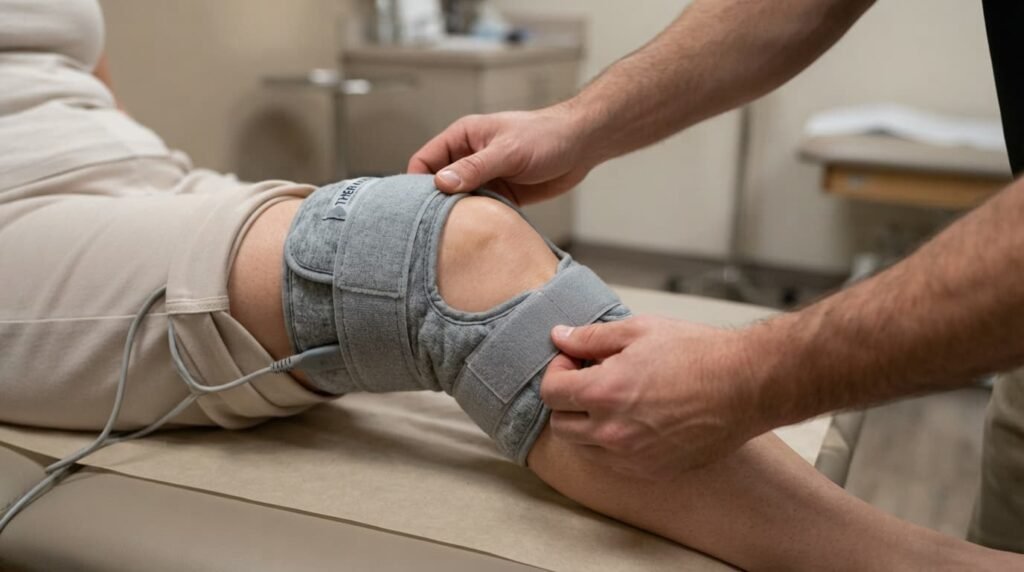
A heating pad for arthritis offers one of the simplest home treatments available. Electric pads, microwaveable wheat bags, and moist heat packs all work well. Moist heat tends to penetrate tissue faster than dry heat. Wrapping a damp towel around a warmed pad often improves comfort within minutes. Placement matters too. Positioning the pad directly over the affected joint, rather than nearby muscle, brings faster relief.
Homemade Heat Pack for Joints and Other DIY Options
A homemade heat pack for joints costs very little. It works almost as well as shop-bought versions. A clean sock filled with dry rice, knotted and microwaved briefly, holds heat evenly. A damp flannel warmed in the microwave works just as well for smaller joints. Testing the temperature against the wrist first avoids any risk of burns.
Warm Bath for Joint Stiffness and Paraffin Wax Options
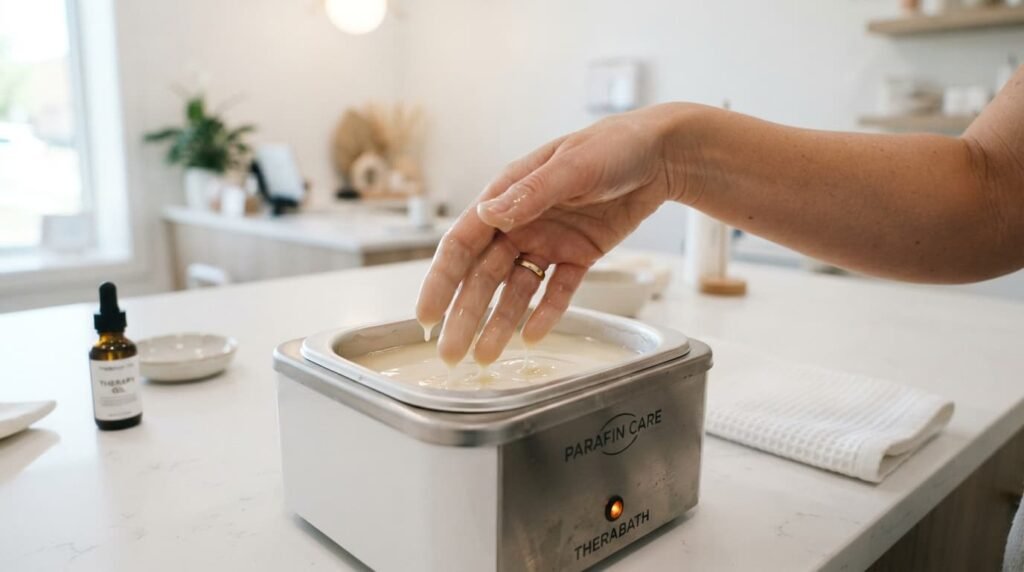
A warm bath for joint stiffness remains a favourite among people managing several joints at once. Twenty minutes in warm water loosens hips, knees, and shoulders together. A paraffin wax bath for arthritis suits smaller joints such as fingers and toes especially well. Melted wax coats the skin evenly. It holds heat across knuckles that pads cannot reach easily.
Best Temperature for Heat Therapy Joints and Safe Duration
The best temperature for heat therapy joints feels warm, never hot enough to sting. A test on the inner forearm before application prevents accidental burns. Sessions should answer the common question of how long to apply heat for arthritis. Around 15 to 20 minutes works well. Repeating this up to three times daily gives a good balance of comfort and safety.
When Not to Use Heat on Swollen Joint Symptoms
Knowing when not to use heat on swollen joint flare-ups prevents worsened symptoms. Heat increases blood flow to the area. That extra blood flow can intensify swelling in an already inflamed joint. A joint that looks red, feels hot, or has swollen suddenly needs cold therapy first, not warmth.
Cold Therapy for Arthritis and Ice Pack Use
Cold therapy for arthritis calms an acute flare far more effectively than heat. Reduced blood flow limits fluid build-up around the joint capsule. Many patients keep a supply ready for sudden flare-ups. This matters especially in winter, since cold weather often increases knee arthritis pain and stiffness.
Types of Cold Packs for Arthritis: Gel Ice Pack vs Frozen Peas
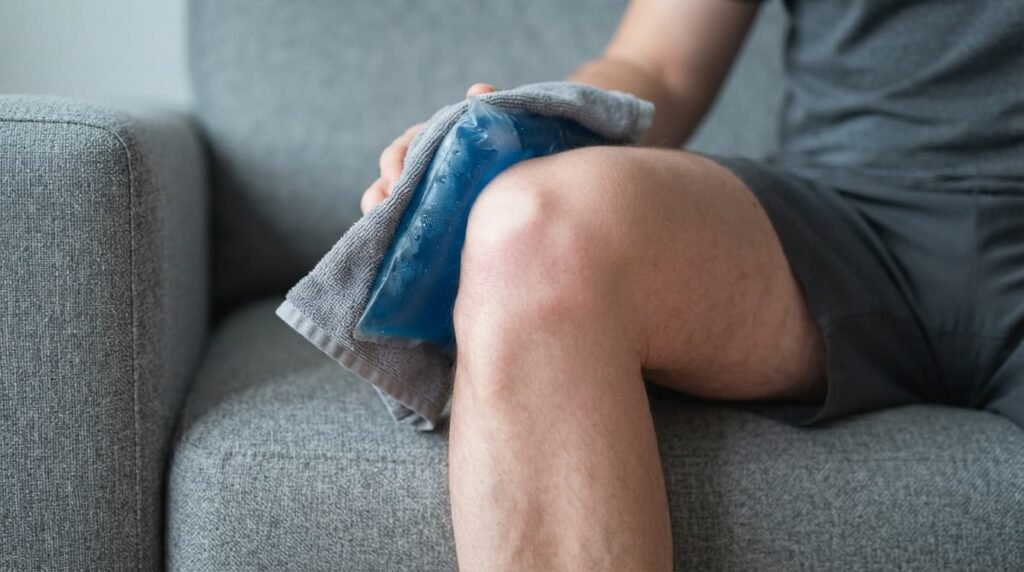
Several types of cold packs for arthritis suit different budgets and situations. Reusable gel packs mould around curved joints such as knees and elbows. The classic gel ice pack vs frozen peas debate usually comes down to convenience. Whichever option stays ready in the freezer tends to win. A cold pack vs frozen peas comparison shows both perform similarly once wrapped correctly. Gel packs simply hold their shape for longer sessions.
How Long to Apply Ice for Arthritis Safely
How long to apply ice for arthritis depends on skin sensitivity and joint size. Twenty minutes is the standard upper limit for a single session. Skin should return to normal temperature before starting another round. Rushing repeated sessions raises the risk of tissue damage. It will not speed up relief either.
Frostbite Risk From Ice Pack and Raynaud’s Syndrome
The frostbite risk from ice pack use rises sharply without a protective barrier. A thin towel between skin and pack prevents this almost entirely. Raynaud’s syndrome cold therapy warning applies to anyone with circulation conditions affecting fingers or toes. Cold exposure in these cases can trigger painful colour changes. Heat becomes the safer default option instead.
Heat vs Ice for Arthritis Pain: Which Works Better
Heat vs ice for arthritis pain does not have a single universal answer. The right choice depends on the type of arthritis. It also depends on the current state of the joint. A heat vs cold therapy for arthritis decision should always start with one question. Is the joint swollen, or simply stiff? Answering that question correctly is the real skill behind choosing heat or ice for arthritis on any given day.
Osteoarthritis Pain Relief With Heat or Cold
Osteoarthritis pain relief generally responds better to heat. Stiffness, rather than active swelling, drives most osteoarthritis symptoms. Morning heat sessions loosen cartilage-affected joints before the first steps of the day. Cold still helps after unusually strenuous activity. A joint that feels hot or puffy by evening benefits more from ice.
Rheumatoid Arthritis Flare-Up Relief Strategies
Rheumatoid arthritis flare-up relief usually starts with cold rather than warmth. Autoimmune flares bring visible swelling that heat can worsen. Heat and cold therapy for rheumatoid arthritis works best as a staged approach. Cold suits the acute flare. Heat suits the joint once swelling settles. Cold therapy for rheumatoid arthritis flare management typically continues for two to three days. Gentle warmth can then follow once symptoms ease. Several rheumatoid arthritis flare-up remedies combine this staged approach with prescribed medication and rest.
Deciding whether heat or ice is better for arthritis ultimately comes down to one signal. A swollen, warm joint favours ice. A stiff, cool joint favours heat.
Can You Alternate Heat and Ice for Arthritis
Can you alternate heat and ice for lasting relief? Many patients find contrast therapy brings faster comfort than either method alone. Contrast therapy simply means switching between the two. A typical pattern involves three minutes of heat, followed by one minute of cold, repeated several times.
Heat Before or After Exercise for Arthritis
Heat before or after exercise arthritis guidance is straightforward. Apply warmth beforehand to loosen muscles. This widens range of motion before movement begins. Apply cold afterwards to settle any inflammation triggered by activity. This sequence supports safer, more comfortable movement for people managing chronic joint pain. It also pairs well with low-impact routines that protect cartilage over time, such as swimming or gentle cycling.
Building a Daily Heat and Cold Therapy for Pain Routine
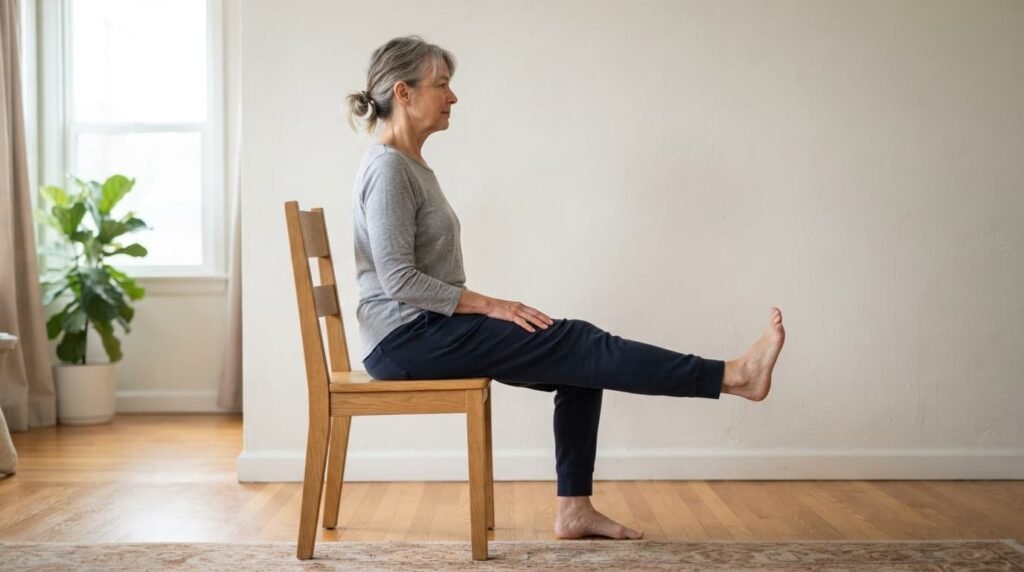
A consistent heat and cold therapy for pain routine outperforms occasional, reactive use. Morning heat prepares joints for the day ahead. Evening cold settles any swelling built up through activity. Tracking which pattern suits a particular joint over a fortnight helps refine the approach. A simple notebook or phone app works well for this.
Swollen Joint Treatment at Home and When to Seek Advice
Swollen joint treatment at home starts with rest, elevation, and cold therapy. This approach suits the first 48 hours of a flare. Gentle movement, once swelling eases, prevents the joint from stiffening further. Persistent swelling, fever, or a sudden inability to bear weight all warrant prompt medical review. Continued home care is not appropriate once these signs appear.
For patients whose knee symptoms persist despite consistent thermotherapy, Arthrosamid injections provide a longer-lasting non-surgical option. This treatment supports ongoing management of knee osteoarthritis. Diet plays a supporting role too. Anti-inflammatory foods for joint health can complement heat and cold routines over the longer term. Further non-surgical joint pain and arthritis education is available through DrSNAClinic on YouTube.
Chronic knee discomfort is not limited to older adults. It does, however, become more common with age. Knee pain in men over 60 often responds to the same staged heat-and-cold approach outlined above. A wider treatment plan, built around individual needs, usually brings the best long-term result.
Why Knee Joints Respond Differently to Heat and Cold
The knee sits closer to the skin surface than deeper joints such as the hip. This means both heat and cold reach the joint capsule faster. It also means burns and cold injury develop more quickly if temperature guidance is ignored. The large surface area of the knee also holds heat or cold longer than smaller joints like the fingers. This makes the knee particularly well suited to structured thermotherapy routines, provided sessions stay within safe time limits.
Practical Tips for Managing Arthritis Pain Day to Day
Small daily habits often matter as much as the therapy chosen. A short walk after applying heat helps joints settle into easier movement. Supportive, cushioned footwear reduces extra strain on the knees during that walk. Keeping a consistent sleep routine also supports lower overall inflammation levels.
- Store gel packs and heating pads in the same place for quick access during a flare
- Keep a small towel nearby for both hot and cold applications
- Note which joints respond better to heat and which respond better to cold
- Avoid falling asleep with a heating pad or ice pack still in place
- Pair thermotherapy with gentle stretching once acute pain has settled
Weight management also plays a meaningful role in knee comfort. Every extra kilogram carried adds measurable pressure through the knee joint with each step. A gradual, sustainable approach to weight tends to outperform rapid changes for long-term joint health. Combining this with the staged heat and cold approach above builds a rounded, practical routine.
Frequently Asked Questions
Is heat or ice better for arthritis pain?
Heat generally suits stiff, non-swollen joints, while ice suits active swelling or a fresh flare. Alternating both often gives the most complete relief.
What is the difference between heat or ice for arthritis?
Heat dilates blood vessels and relaxes muscle; ice constricts vessels and numbs pain signals. Each targets a different stage of joint discomfort.
How long should ice or heat be applied to an arthritic joint?
Around 15 to 20 minutes per session works for both, with a break before reapplying either method.
Can heat make arthritis swelling worse?
Yes, applying warmth to an actively swollen joint can increase fluid build-up. Cold therapy suits that stage better.
Is cold therapy safe for everyone with arthritis?
Not always. Anyone with Raynaud’s syndrome or poor circulation should check with a GP before regular ice pack use.
Should heat or ice come first after exercise?
Cold usually comes first after exercise to settle any swelling triggered by movement. Heat can follow later to ease residual stiffness.
Does thermotherapy replace medical treatment for arthritis?
No. Heat and cold therapy manage symptoms rather than the underlying condition. A specialist assessment remains important for lasting, structured treatment.
Choosing heat or ice for arthritis depends mainly on one factor. Does the joint feel stiff, or does it look swollen? Heat suits morning stiffness, warm-up routines, and chronic osteoarthritis discomfort. Cold suits fresh flares, post-exercise swelling, and active rheumatoid arthritis symptoms. Alternating both, used correctly and safely, often gives the most consistent relief. That consistency supports long-term joint comfort and steadier daily movement.
Mr Syed Nadeem Abbas specialises in advanced, non-surgical treatment for knee pain and osteoarthritis. Patients seeking a thorough joint assessment alongside home-management advice can benefit from his consultant-led approach. That approach supports long-term knee health beyond simple heat and cold routines.
Read more: Recognising Knee Replacement Infection Warning Signs And Treatment
Read more: Knee Injection for Arthritis Provides Lasting Pain Relief