Recognising Knee Replacement Infection Warning Signs And Treatment

✅ Medically reviewed | Updated August 2026
A knee replacement infection develops when bacteria reach the artificial joint after surgery, triggering pain, swelling and sometimes serious complications. Most knee replacements heal without incident, yet infection remains a recognised risk that patients and clinicians take seriously. Recognising early warning signs, understanding risk factors, and knowing which treatments exist can make a genuine difference to outcomes.
What Is Knee Replacement Infection
This complication occurs when bacteria colonise the metal and plastic components fitted during surgery. Surgeons sometimes refer to this as periprosthetic joint infection PJI, a more precise clinical term. Because implants receive no blood supply, the immune system struggles to fight bacteria that attach to their surface. This single fact explains why joint infections behave so differently from ordinary skin infections.
Periprosthetic Joint Infection Explained
PJI describes bacterial colonisation specifically at the implant site, rather than in surrounding skin alone. The distinction matters clinically. A skin infection near the wound may resolve with a short course of antibiotics. Infection reaching the implant itself demands a far more involved response, often stretching across months rather than weeks.
Knee Replacement Infection Symptoms To Recognise
Symptoms vary depending on how deep the infection sits and how long ago surgery took place. Some patients notice obvious changes within days; others develop subtle signs months or years later.
Signs Of Infection After Knee Replacement
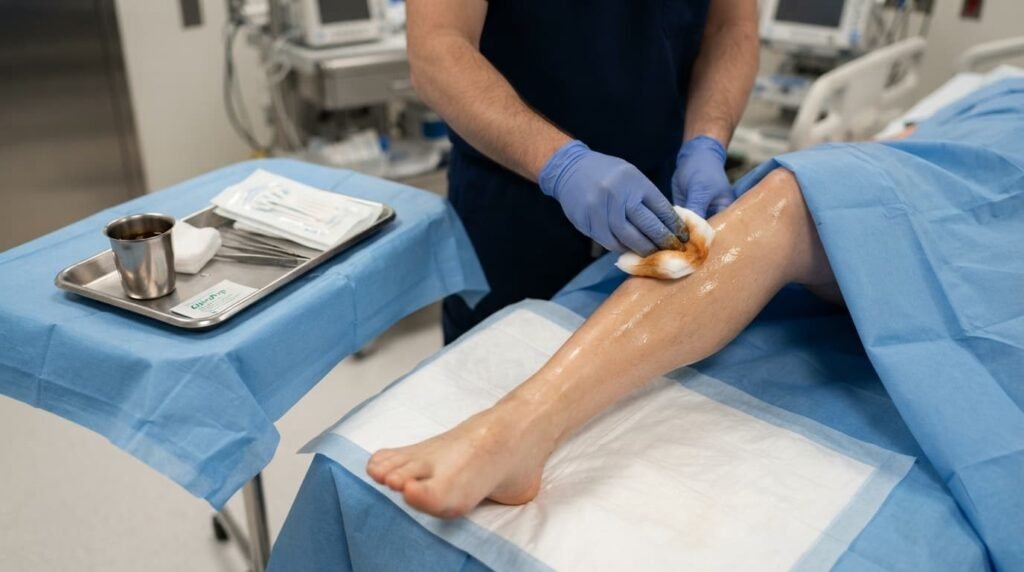
Common signs of infection after knee replacement include persistent redness, warmth and swelling that worsens rather than improves. Fluid draining from the wound, particularly beyond ten days post-surgery, is another red flag. Pain that fails to ease with activity, unlike ordinary post-surgical soreness, often points toward a deeper problem. Fatigue that lingers without an obvious cause deserves attention too, since it frequently accompanies infection.
- Redness or warmth spreading around the joint
- Swelling that increases rather than settles
- Wound drainage, especially foul-smelling fluid
- Pain unrelated to activity level
- Stiffness in a joint that previously moved well
Hip Replacement Infection Symptoms Compared
Hip replacement infection symptoms closely mirror those seen in the knee, including drainage, swelling and unexplained pain. The main difference lies in location rather than underlying biology, since both joints share similar implant materials and infection pathways. Clinicians assess both joints using broadly the same diagnostic criteria.
What Causes Infection After Knee Replacement Surgery
Infection after knee replacement surgery typically originates from bacteria already living on a patient’s own skin. The operating theatre itself is rarely to blame in modern practice. Research increasingly points toward the natural skin microbiome as the primary source. This finding has reshaped prevention strategy in recent years. Bacteria enter through the surgical wound and, once inside, seek out the artificial implant. Occasionally, bacteria travel from a distant site instead, such as the gut or the mouth. These reach the joint through the bloodstream rather than the original wound.
Biofilm Bacteria Implant Interaction
Biofilm bacteria implant interaction explains much of why these infections prove so stubborn. Bacteria attach to metal surfaces and secrete a protective layer called biofilm. This coating blocks antibiotics and shields bacteria from immune cells. No current surgical technique removes biofilm completely, which is precisely why surgery alone rarely cures a deep infection.
Knee Replacement Risk Factors
Certain groups face elevated exposure to infection following surgery. Understanding knee replacement risk factors helps patients and surgeons plan preventive steps together. None of these factors guarantees infection will develop. Each simply raises the odds enough to warrant closer monitoring, and sometimes extra pre-surgical preparation.
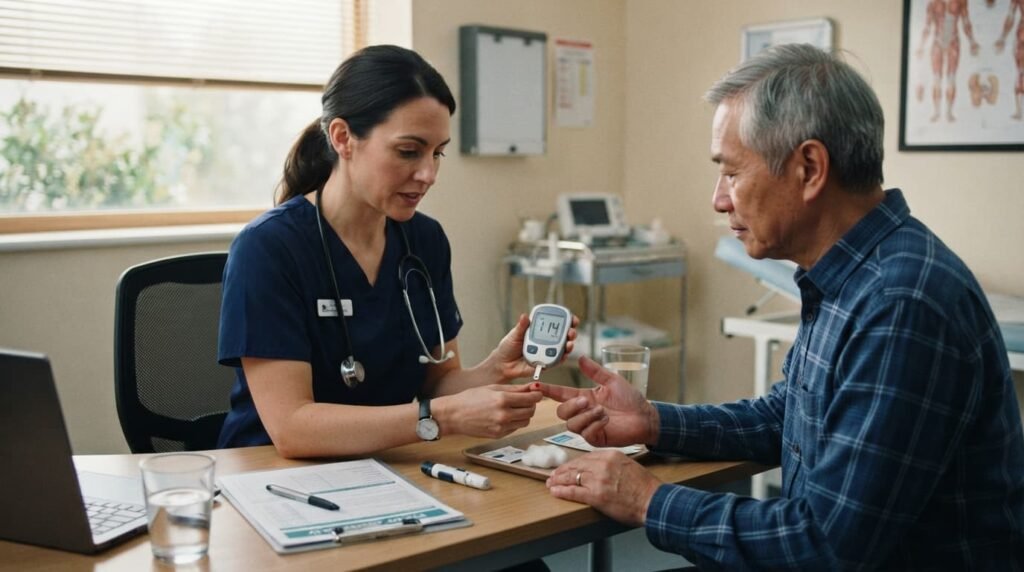
- Diabetes or poorly controlled blood sugar
- Smoking, which impairs wound healing
- Obesity, particularly a very high body mass index
- Rheumatoid arthritis or other autoimmune conditions
- Previous joint surgery or prior infection in the same joint
- Weakened immunity from illness or certain medications
Superficial Knee Infection Versus Deep Infection
A superficial knee infection affects only the skin and tissue surrounding the incision, leaving the implant untouched. This type generally responds well to oral or intravenous antibiotics, usually clearing within one to two weeks. Deep infection, by contrast, reaches the artificial joint itself and rarely resolves with medication alone. Distinguishing between the two guides every subsequent treatment decision. Applying superficial-level treatment to a deep infection often allows bacteria to persist unnoticed beneath the surface. Surgeons rely on clinical examination, blood markers and fluid analysis together, rather than appearance alone, to make this distinction confidently.
Knee Replacement Infection Years Later: Why Timing Varies
Knee replacement infection years later remains possible, even when the original surgery healed perfectly at the time. Bacteria can travel to the joint through the bloodstream from an unrelated infection elsewhere in the body. A dental abscess or a urinary tract infection is a common culprit behind this route. A joint that felt entirely normal for years can still develop trouble without warning. This late-onset pattern explains why ongoing vigilance matters long after recovery ends. Routine dental check-ups and swift treatment of unrelated infections both play a quiet but genuine role in long-term joint protection.
How Doctors Diagnose Joint Replacement Infection
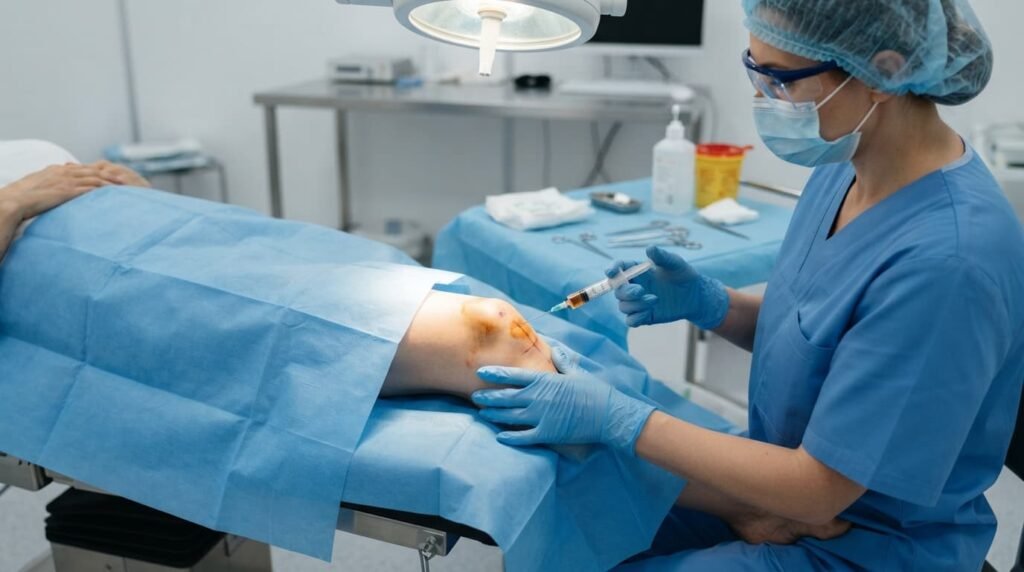
Diagnosing joint replacement infection usually begins with blood tests measuring inflammation markers, such as ESR and CRP. These markers are not specific to infection alone. A positive result simply prompts further investigation rather than a definite diagnosis. Elevated readings typically lead to a needle aspiration of joint fluid, performed under sterile conditions. Laboratory analysis of that fluid identifies the responsible bacteria. This guides antibiotic selection with far greater precision than blood tests alone. Imaging, including X-rays, CT scans or bone scans, may reveal loosening consistent with infection. Surgeons often combine several results before confirming a diagnosis. No single test proves entirely reliable on its own.
Knee Replacement Infection Treatment Options
Knee replacement infection treatment depends heavily on how deep the infection sits and how quickly it was caught. Options range from straightforward antibiotics through to multi-stage surgical procedures.
Knee Replacement Infection Antibiotics
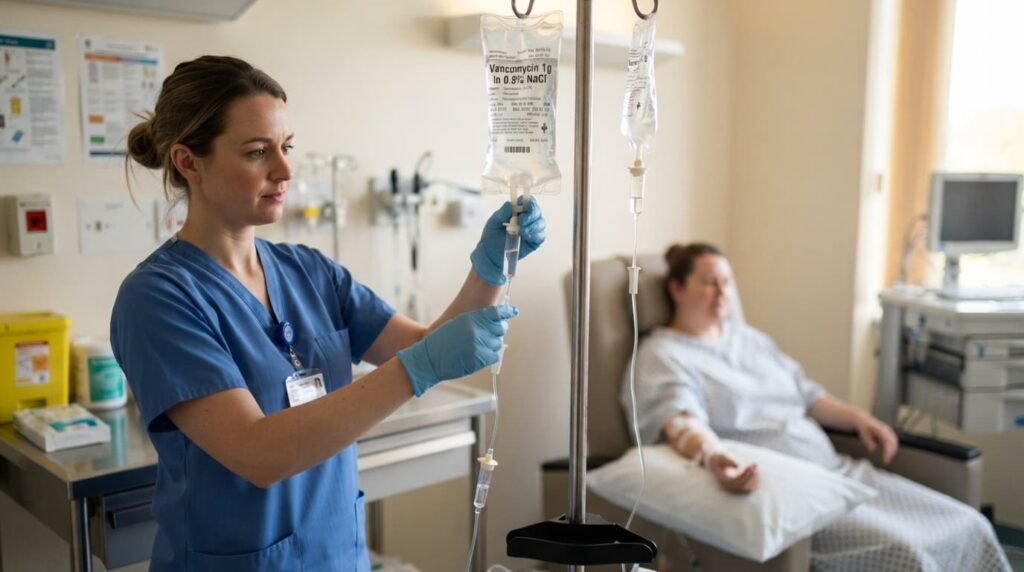
Knee replacement infection antibiotics form the backbone of treatment for superficial cases caught early. Oral courses may suffice for mild presentations, while intravenous antibiotics tackle more established infections. Antibiotics alone, however, rarely cure infection once biofilm has formed on the implant surface.
Antibiotic Spacer Knee Procedure
An antibiotic spacer knee procedure involves removing the infected implant and inserting a temporary cement spacer loaded with high-dose antibiotics. The spacer maintains joint space and releases medication directly into surrounding tissue for several weeks. This approach typically precedes a second surgery once infection markers normalise.
DAIR Procedure Infection Treatment
DAIR procedure infection treatment stands for debridement, antibiotics and implant retention. Surgeons clean the joint thoroughly and exchange removable parts, such as plastic liners, while keeping the main implant in place. This option suits infections caught within days or weeks of the original surgery, before bacteria establish deep biofilm.
Two-Stage Revision Knee Replacement
Two-stage revision knee replacement remains the most established approach for established, deep infection. The first stage removes the infected implant entirely and places an antibiotic spacer. Roughly six weeks of targeted antibiotics typically follow before a new implant goes in. The second stage, once infection markers return to normal, restores a functioning joint.
Staged Knee Revision Surgery Infection Recovery
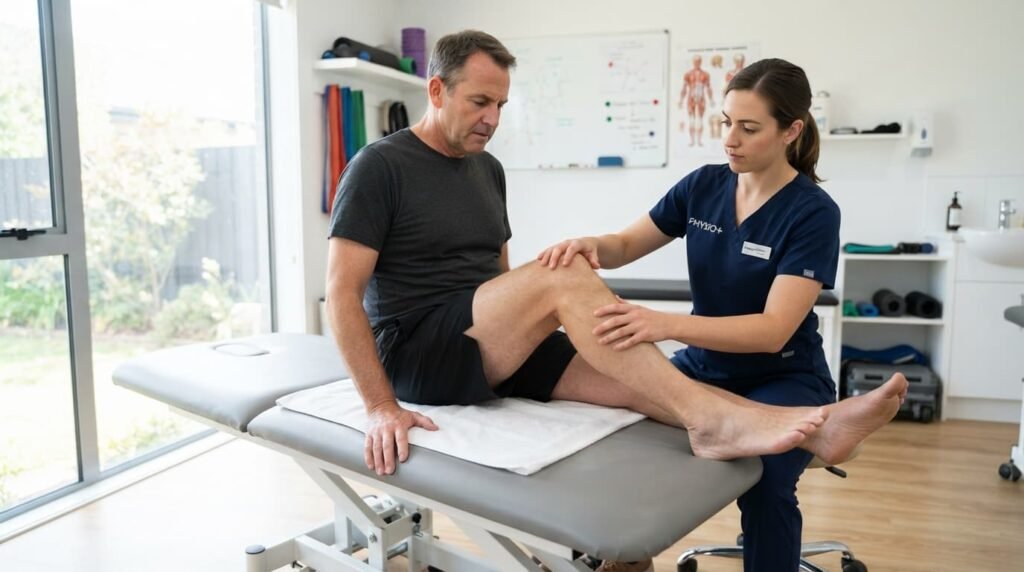
Staged knee revision surgery infection recovery tends to be longer and more demanding than recovery from a first-time replacement. Patients often spend weeks managing a spacer with limited mobility before the second procedure. Physiotherapy support and realistic expectations both help through this extended process.
Revision Total Knee Replacement After Infection
Revision total knee replacement after infection carries higher complexity than standard surgery. Scar tissue and altered bone structure both add to the technical challenge. Surgeons plan these procedures carefully, often coordinating with infectious disease specialists throughout. Success rates remain favourable for carefully selected patients, though recovery timelines usually extend beyond those of an original replacement. A structured rehabilitation programme afterwards supports strength and confidence in the rebuilt joint.
Dormant Infection Joint Replacement Long-Term Risk
Dormant infection joint replacement cases involve bacteria that persist at low levels without producing obvious symptoms. Emerging research suggests dormant bacteria may reactivate later, sometimes years after apparent recovery. This possibility partly explains why patients who have had one infection face a higher chance of future problems. Long-term monitoring, rather than a single all-clear result, offers the safest path forward.
Outlook After Treatment For Infection
Outlook after treatment depends heavily on how early the infection was caught and how closely the treatment plan was followed. Superficial cases treated promptly with antibiotics often resolve completely, with no lasting effect on joint function. Deep infections requiring staged surgery involve a longer road, though most patients eventually regain a stable, functioning joint. Patience matters enormously during this period, since progress rarely follows a straight line. Ongoing follow-up appointments allow surgeons to catch early signs of recurrence before they become established. This meaningfully improves long-term results. Support from physiotherapists and, where relevant, infectious disease specialists tends to produce the smoothest recovery overall. Broader joint health context is available through the Dr SNA Clinic YouTube channel, covering non-surgical education.
How To Prevent Infection After Knee Replacement
Understanding how to prevent infection after knee replacement starts well before the operating theatre and continues long into recovery.
Preventing Infection After Joint Replacement Surgery Steps
Preventing infection after joint replacement surgery relies on measures taken by both the surgical team and the patient. Effective steps include:
- Antibiotics given shortly before and briefly after surgery
- Skin cleansing with chlorhexidine in the days beforehand
- Nasal screening for bacteria that raise infection risk
- Short operating times and minimal theatre traffic
- Prompt attention to any cuts, scrapes or skin breaks near the joint
- Good dental hygiene, since mouth infections can spread through the bloodstream
Consistent wound care after discharge matters equally. Keeping the area clean, watching for early changes, and attending follow-up appointments all support a smoother recovery. Some patients weigh surgery against non-surgical routes first. Arthrosamid injections sometimes offer a useful bridge for delaying replacement.
When To Seek Medical Advice
Prompt review matters whenever symptoms escalate rather than settle, at any point after surgery. Waiting rarely helps, and early treatment consistently produces better outcomes than delayed action. Seek medical advice for:
- Redness or swelling that spreads rather than shrinks
- Fever above 38°C or persistent chills
- Wound drainage beyond the first ten days
- Pain that worsens weeks after surgery instead of easing
- Sudden instability alongside warmth or tenderness
Ordinary post-surgical soreness generally improves week by week. Genuine infection tends to move in the opposite direction instead. A broader look at normal recovery stages sits within the clinic’s recovery timeline.
Frequently Asked Questions
What are the first knee replacement infection symptoms to watch for?
Redness, warmth and swelling that worsen rather than settle are typically the earliest knee replacement infection symptoms. Wound drainage and unusual fatigue often accompany these changes.
Can infection develop years after knee replacement surgery?
Yes, knee replacement infection years later is a recognised pattern. Bacteria from an unrelated infection elsewhere in the body can occasionally reach the joint through the bloodstream.
What is the standard knee replacement infection treatment?
Treatment for knee replacement infection ranges from antibiotics for superficial cases to staged surgery for deep infection. The exact plan depends on how far bacteria have spread and how quickly the problem was caught.
How is PJI different from a normal wound infection?
PJI specifically involves the implant itself, protected by biofilm that resists standard antibiotics. A normal wound infection stays within the skin and soft tissue and usually responds to a short antibiotic course.
What factors increase the risk of infection after knee replacement?
Diabetes, smoking, obesity and autoimmune conditions all sit among the recognised knee replacement risk factors. Previous joint infection also increases the chance of a repeat episode, which is why history matters during assessment.
Does a staged revision always follow infection?
Not always. Early infections caught through the DAIR procedure may avoid a full staged revision. Established, deep infections generally require the two-part approach for the best long-term outcome.
Is a shallow wound infection less serious than a deep implant infection?
Generally, yes. Cases limited to skin and soft tissue typically clear with a short antibiotic course. Deep infection reaching the implant carries far greater complexity and usually requires surgical intervention alongside prolonged antibiotics.
Can the risk of a low-grade, dormant infection be reduced through lifestyle changes?
Managing diabetes well, avoiding smoking, maintaining a healthy weight and treating unrelated infections promptly all help lower long-term risk. None of these steps guarantees complete protection, but each meaningfully improves the odds of a trouble-free joint over many years.
What should be discussed with a surgeon before knee replacement surgery regarding infection risk?
Useful questions include personal risk factors, planned antibiotic protocols, and how symptoms of infection will be monitored during follow-up. A frank conversation beforehand helps set realistic expectations and encourages prompt reporting of any concerning changes afterwards.
Knee replacement infection, though uncommon, remains a recognised risk that benefits from early recognition and prompt action. Understanding symptoms, risk factors and treatment pathways equips patients to act quickly rather than second-guess ordinary healing. Mr Syed Nadeem Abbas supports patients through every stage of knee assessment and treatment planning.
Read more: What Happens During Knee Replacement Recovery Week by Week
Read more: Private Healthcare Vs NHS: Which Option Should Patients Choose