Physical Therapy For Arthritis Improves Movement And Reduces Pain

✅ Medically reviewed | Updated August 2026
Physical therapy for arthritis focuses on restoring movement and reducing pain. It also helps people manage daily activities with greater confidence. Arthritis affects an estimated 10 million people in the UK. Joint pain remains one of the leading causes of long-term disability across the country. A structured, professional programme can slow symptom progression and reduce dependence on medication over time.
What Is Physical Therapy for Arthritis?
Physical therapy for arthritis is a structured treatment approach. It is delivered by licensed clinicians trained to assess and treat movement problems. Sessions typically begin with an assessment of joint function, strength and flexibility. From there, a personalised plan takes shape. Goals might include climbing stairs without pain. They might also involve returning to a regular walking routine.
Arthritis is not a single condition. More than 100 types exist, and each affects joints differently. Osteoarthritis develops from cartilage wear. Rheumatoid arthritis stems from an autoimmune response instead. Physical therapy adapts to both conditions. The focus stays on movement quality rather than the underlying cause alone.
Benefits of Physical Therapy for Arthritis Explained
The benefits of physical therapy for arthritis extend well beyond short-term pain relief. Regular sessions can improve joint mobility and reduce stiffness. They can also build strength around affected joints to ease pressure. Better balance often follows, which lowers fall risk considerably. Many patients reduce reliance on pain medication over time. Independence with daily tasks becomes easier to maintain as well.
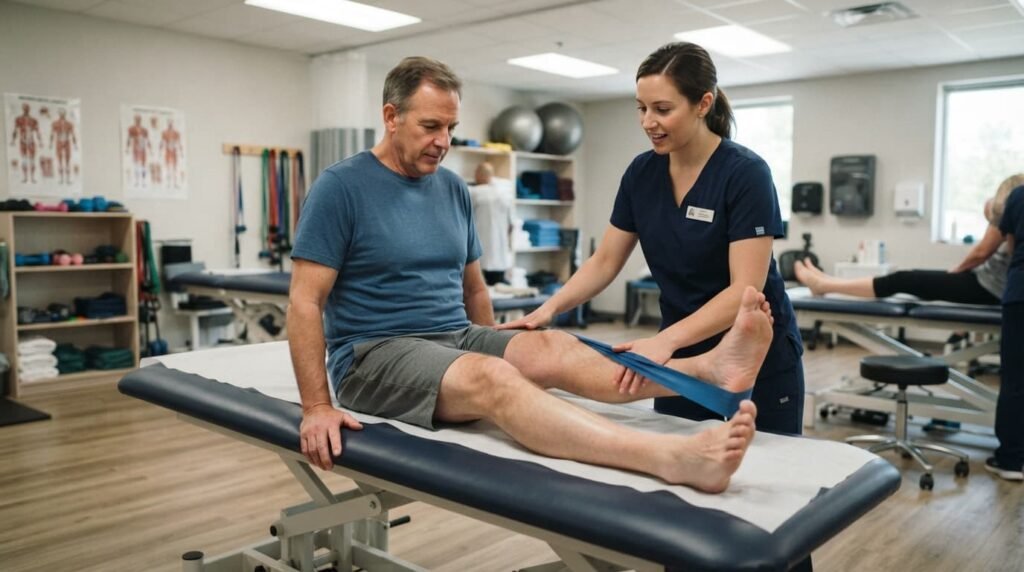
Consistent, guided movement often achieves more than rest alone. Joints that stay mobile tend to retain function longer than those left inactive.
Physical Therapy Goals for Arthritis
Physical therapy goals for arthritis are typically set collaboratively. Patient and clinician agree on priorities together from the outset. Common goals include restoring range of motion and increasing muscle strength. Preserving the ability to complete everyday tasks matters too, such as dressing or cooking.
Goals shift as treatment progresses over several weeks. Early sessions may prioritise pain reduction above all else. Later stages often focus on building endurance instead. Preventing further joint deterioration becomes the main aim by that point. Progress is usually reviewed every few months rather than weekly. Improvement tends to be gradual rather than sudden.
What to Expect at a First Physical Therapy Appointment
A first appointment usually opens with a detailed conversation about symptoms. Duration, location and daily impact all get discussed early on. A physical examination follows, checking strength, flexibility and joint alignment. Some clinics also review walking patterns and posture during this stage. By the end of the visit, a written plan is usually provided. This plan outlines exercises, expected milestones and a rough treatment timeline.
Sessions are often shorter than patients expect, lasting around an hour at most. Frequent weekly visits are rarely necessary for most arthritis cases. Many programmes shift toward periodic check-ins once the exercise routine feels familiar.
Arthritis-Focused Exercise Routines That Support Joint Health
Arthritis physical therapy exercises form the core of most treatment plans. These typically fall into three categories. Range-of-motion work comes first, followed by strengthening exercises. Low-impact aerobic activity rounds out a balanced programme.
Range-of-Motion Exercises for Arthritis
Range of motion exercises arthritis programmes usually begin with gentle stretching. This maintains flexibility without placing excess strain on the joint. Slow, controlled movements through a joint’s full range help prevent stiffness. Range of motion exercises for knee OA often follow a similar pattern, starting seated before progressing further. These exercises are often taught first, since they carry low risk. They can also be practised safely at home between sessions.
Strengthening and Low-Impact Aerobic Work
Physical therapy exercises for arthritis also include resistance training. This targets muscles that support the affected joint directly. Stronger muscles reduce the load placed on cartilage and ligaments. Low-impact aerobic activity complements strengthening work well. Swimming and stationary cycling are common choices for many patients. Both add cardiovascular benefit without excessive joint stress.
Physical Therapy for Osteoarthritis and Rheumatoid Arthritis
Physical therapy for osteoarthritis generally targets gradual cartilage breakdown. This breakdown is often linked to ageing, injury or repetitive joint stress. Sessions often combine manual therapy with a home exercise programme. The aim is to slow progression and preserve daily function.
Physical therapy for rheumatoid arthritis differs slightly, since inflammation levels can fluctuate. Programmes are adjusted during flares, with gentler movement prioritised until swelling reduces. Strengthening work resumes between flares to protect joint stability. An approach shaped this way helps manage unpredictable symptoms more effectively.
Physical Therapy for Knee Osteoarthritis
Physical therapy for knee osteoarthritis is among the most researched areas of joint rehabilitation. The knee bears significant weight during walking, climbing and standing. This makes it particularly vulnerable to cartilage wear over time. Can physical therapy help knee osteoarthritis in more advanced cases? Evidence suggests meaningful benefit even at later stages, though results vary by severity.
Knee OA Symptoms and Diagnosis
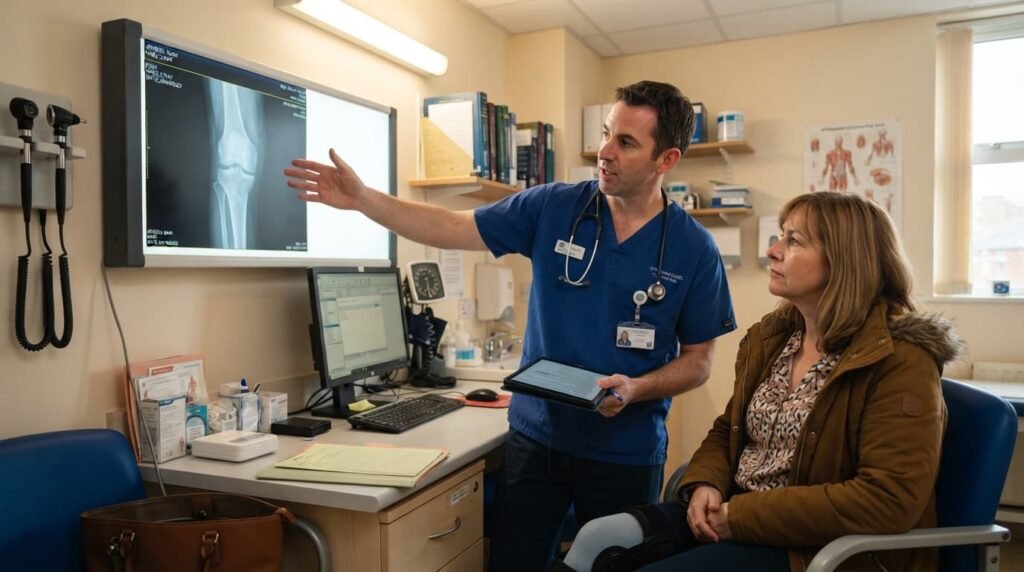
Knee OA symptoms often include stiffness lasting under thirty minutes after waking. Discomfort during stair use is another common complaint among patients. Occasional grinding sensations during movement may also occur. How is knee osteoarthritis diagnosed is a common question among newly affected patients. Diagnosis usually combines a physical examination with imaging such as X-ray. A review of symptom history rounds out the assessment process.
Knee Osteoarthritis Exercise Program
A knee osteoarthritis exercise program typically blends flexibility work with strengthening. Quadriceps strengthening and balance training feature prominently in most plans. Knee osteoarthritis physical therapy exercises are adjusted based on severity. Patients with more advanced wear may start with seated or water-based movements. Standing exercises follow once tolerance improves.
Arthritis pain can also intensify during colder months. This is worth factoring into a home routine planned across winter. Arthritis pain during colder months can also intensify, which is worth factoring into a home routine planned across winter.
What Does a Physical Therapist Do for Arthritis?
What does a physical therapist do for arthritis beyond prescribing exercise? Sessions often include manual therapy for knee osteoarthritis. A clinician manually mobilises the joint to loosen tight tissue. This helps improve flexibility that exercise alone may not achieve. Muscle strengthening for knee osteoarthritis is layered in gradually. The quadriceps, hamstrings and hip muscles all receive targeted attention.
Posture and body mechanics arthritis training forms another core component. Clinicians teach proper technique for common daily movements. Rising from a chair or lifting objects safely are typical examples covered. This reduces unnecessary joint strain during everyday activity.
Assistive Devices, Braces and Hot and Cold Therapy
Assistive devices for arthritis, including canes and walkers, can reduce joint pressure. A physical therapist typically demonstrates correct use during sessions. This helps avoid creating new strain elsewhere in the body.
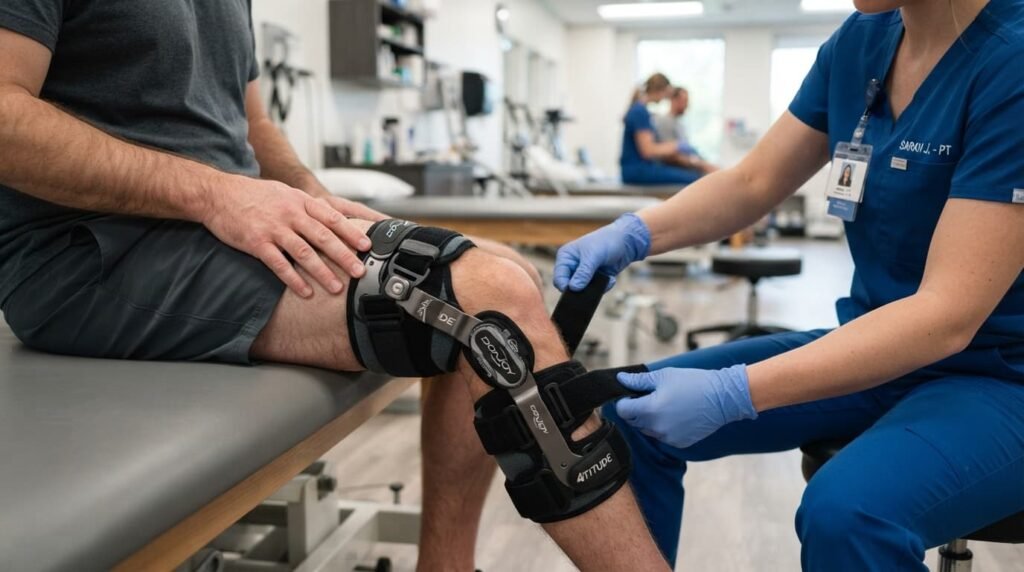
Braces and splints for arthritis provide additional joint support during activity. Knee bracing for osteoarthritis can redistribute weight away from damaged areas. This eases discomfort during weight-bearing tasks such as walking or standing.
Hot and cold therapy for arthritis remains a simple, accessible option. Ice and heat therapy for knee osteoarthritis is often recommended around exercise sessions. Heat relaxes tight muscles beforehand. Ice then helps control any swelling that follows activity.
Physical Therapy Versus Occupational Therapy and Other Treatments
Physical therapy vs occupational therapy arthritis comparisons come up frequently among patients. Physical therapy focuses primarily on movement, strength and mobility. Occupational therapy centres on adapting daily tasks and environments instead. Many treatment plans combine both disciplines for comprehensive support.
Physical therapy vs steroid injections knee decisions depend on severity and preference. Steroid injections offer short-term relief without addressing strength deficits, while structured therapy targets those underlying issues directly. Some patients explore alternative injection options as well. Comparing injection treatments for knee pain can help clarify how these approaches differ from rehabilitation-based care.
Meniscus tear physical therapy vs surgery is another common decision point. Research suggests many meniscus tear patients avoid surgery entirely. This applies particularly when tears are degenerative rather than traumatic, and therapy is tried first.
Physical Therapy Before and After Knee Surgery
Physical therapy before knee replacement, often called prehab for knee surgery, prepares muscles ahead of the procedure. Stronger surrounding muscles before surgery are linked with smoother recovery. Post-operative healing tends to progress faster as a result.
Total knee replacement pain relief physical therapy continues well after surgery. The focus shifts toward regaining range of motion and rebuilding strength. Whether physical therapy prevents knee OA entirely remains a debated question. Therapy cannot reverse existing cartilage damage, but consistent strengthening may still slow further deterioration considerably. This can delay the need for surgical intervention in many cases. Patients exploring non-surgical alternatives sometimes research a non-surgical hydrogel treatment for knee arthritis. Combining that option with a structured therapy programme is common practice.
Supporting Recovery Through Weight Management and Aquatic Therapy
Weight loss and knee osteoarthritis are closely linked conditions. Additional body weight increases pressure on the joint with every step. A physical therapist can design an exercise programme suited to weight goals. This avoids overloading a painful knee during the process. Dietary changes focused on anti-inflammatory choices often complement an exercise-based plan. Dietary changes focused on anti-inflammatory foods for joint health often complement an exercise-based plan.
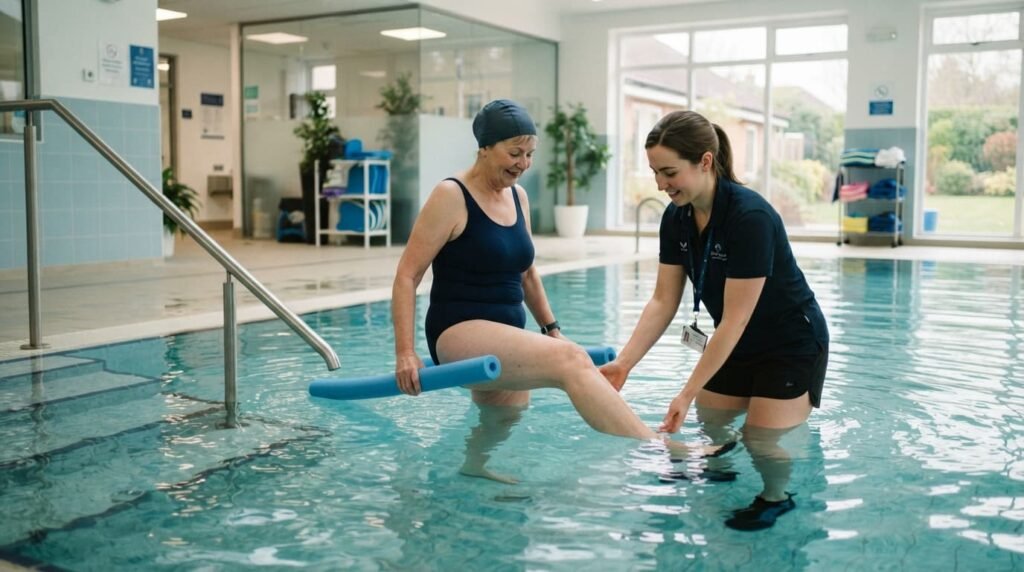
Aquatic therapy for knee osteoarthritis offers another useful option for many patients. Water buoyancy reduces joint loading significantly during movement. This allows strengthening exercises with far less discomfort than land-based alternatives. Many clinics offer pool-based sessions specifically for advanced joint wear.
Can Physical Therapy Help Arthritis and Joint Pain?
Can physical therapy help arthritis symptoms across most joint types? Evidence strongly supports its use for hips, shoulders and hands. Not just the knee benefits from a structured approach. Does physical therapy help arthritis long-term, or only during active treatment? Studies suggest that continuing home exercises maintains benefits considerably longer than stopping entirely.
Physical therapy for joint pain more broadly addresses stiffness and weakness. Reduced function responds well regardless of the specific diagnosis involved. Knee pain affecting older adults often benefits from this same structured approach.
Patients wanting a visual explanation of non-surgical arthritis treatment options have another resource available. The clinic’s educational video channel at youtube.com/@DrSNAClinic covers several relevant topics in more depth.
Physical Therapy for Hip and Shoulder Arthritis
Knee joints attract most of the attention in arthritis discussions, yet hips and shoulders face similar wear. Hip osteoarthritis often causes groin or thigh pain, and treatment follows a similar path to knee care. Strengthening the surrounding muscles reduces pressure on the joint capsule directly. Range-of-motion work helps preserve rotation, which tends to reduce first as hip arthritis progresses.
Shoulder arthritis behaves somewhat differently, since the joint relies heavily on soft tissue for stability. Manual therapy and targeted strengthening usually form the bulk of a treatment plan here. Overhead reaching often becomes difficult first, so early sessions frequently prioritise that specific movement. Progress tends to be slower in the shoulder compared with larger, weight-bearing joints such as the hip or knee. Consistency still matters most, regardless of which joint is involved.
How to Find a Physical Therapist for Arthritis
How to find a physical therapist for arthritis usually starts with a referral. A general practitioner or consultant typically provides this first step. An orthopaedic physical therapist for knee OA often achieves better outcomes. Experience treating similar cases makes a measurable difference in results.
How to find a physical therapist for knee OA specifically may involve checking professional registers. The Health and Care Professions Council maintains one such register in the UK. Internationally, tools such as the APTA physical therapist locator serve a similar purpose. Physical therapist for arthritis searches should always confirm relevant clinical experience. This should happen before booking an initial assessment.
Frequently Asked Questions
Does physical therapy help arthritis symptoms in every joint?
Physical therapy tends to help most joints affected by arthritis. This includes hips, knees, shoulders and hands alike. Results vary depending on severity, joint involved and consistency with home exercises. Structured programmes generally outperform occasional, unguided activity.
Can physical therapy help arthritis without medication?
Many patients reduce medication reliance through consistent therapy over time. This depends on individual severity and clinical advice, of course. Therapy addresses strength and mobility directly, which medication alone cannot achieve. A gradual, monitored approach tends to work best for most patients.
What does a physical therapist do for arthritis during a typical session?
Sessions usually combine manual therapy, targeted exercise and movement coaching. Clinicians assess progress regularly and adjust the plan as needed. Strength and mobility improvements guide each adjustment made. Home exercises are typically assigned between visits for continued progress.
Is physical therapy for knee osteoarthritis effective before considering surgery?
Research consistently shows meaningful improvement in pain and function for many patients. Some delay or avoid surgery entirely through consistent strengthening work. Outcomes depend heavily on the severity of joint damage present at the outset.
How is knee osteoarthritis diagnosed before starting treatment?
Diagnosis typically combines a physical examination with symptom history review. Imaging such as X-ray often supports the clinical picture. Blood tests occasionally rule out other arthritis types with similar symptoms. A clear diagnosis helps shape an appropriate exercise programme from the start.
How many sessions does physical therapy for arthritis usually involve?
Session numbers vary widely depending on severity and treatment goals. Many patients attend weekly sessions initially, tapering to monthly reviews later. A clinician can provide a clearer estimate after the first assessment.
Physical therapy for arthritis brings together targeted exercise, manual therapy, posture training and practical support such as braces and hot or cold treatment. From knee osteoarthritis to hip and shoulder involvement, a structured, personalised programme helps preserve mobility and reduce reliance on medication over time. Whether the goal is delaying surgery, recovering from a knee replacement or simply moving more comfortably day to day, consistent guided therapy remains one of the most reliable long-term strategies available.
Mr Syed Nadeem Abbas, a consultant specialising in knee pain and joint health, provides expert guidance on non-surgical arthritis treatment for patients seeking lasting relief and improved mobility.
Read more: Knee Pain Exercises for Women: Your Guide to Stronger, Healthier Knees
Read more: What Happens If Knee Pain Is Left Untreated