
✅ Medically reviewed
Arthritis prevention matters because more than 10 million people in the UK live with arthritis, according to Arthritis UK. An estimated 5.4 million of them have knee osteoarthritis. Arthritis is an umbrella term for more than 100 conditions, and osteoarthritis is the most common type.
Age, sex and family history raise risk, and none of them can change. Weight, activity, injury, smoking and blood sugar can change, and each one shifts the odds. No habit guarantees healthy joints, but steady choices can lower risk and may delay symptoms. The advice below follows UK guidance and current evidence, with honest notes on what does not work.
Can You Prevent Arthritis?
Complete protection is not possible, and honest advice starts there. Risk still shifts a great deal through everyday choices. Some factors sit beyond control, while others respond well to effort. Arthritis prevention therefore means lowering the odds, not buying a guarantee.
Osteoarthritis develops gradually, often over 10 to 20 years, and cartilage wear usually begins long before symptoms appear. Earlier habits therefore carry more weight than late rescue attempts. Starting at 40 beats starting at 70, though starting at 70 still beats not starting.
Risk Factors That Cannot Change
Risk rises steadily after 50, and osteoarthritis affects women more often than men. Inherited joint shape and autoimmune conditions, such as rheumatoid arthritis, also raise the odds. Nobody gets a vote on this list, so energy belongs on the next one.
Risk Factors That Can Change
Body weight, muscle strength, joint injury, smoking and blood sugar all respond to action. Repetitive heavy loading at work, without enough recovery time, adds further strain. Even knee pain without any injury deserves early attention.
How to Prevent Arthritis by Keeping a Healthy Weight
Body weight is one of the strongest personal risk factors for knee and hip osteoarthritis. Each kilogram lost removes about four kilograms of load from each knee with every step. A 5 kg loss therefore cuts roughly 20 kg of force per step. Thousands of daily steps turn that saving into a major joint benefit.

Weight acts through chemistry as well as mechanics. Fat tissue releases inflammatory signals, which may explain why excess weight raises the risk of hand arthritis too. Hands carry no body weight, so mechanics alone cannot explain it.
Preventing osteoarthritis in the knees and hips starts with steady, realistic weight loss. Aim for 0.5 to 1 kg a week through portion control and regular movement. Strength work protects muscle during weight loss. Crash diets rarely outlast a New Year’s resolution. Many people notice easier stairs within a couple of months of losing 5 to 10 per cent of body weight.
Rules on BMI and surgery eligibility in the UK give another reason to act early.
Low Impact Exercise for Arthritis Keeps Cartilage Nourished
Cartilage has no blood supply of its own. Joint fluid delivers nutrients, and movement pumps that fluid around the joint. A joint that never moves is a joint that slowly starves. Arthritis prevention works best when movement happens most days.
Walking, Cycling and Swimming
UK guidelines recommend at least 150 minutes of moderate activity each week for adults. Walking, cycling and swimming spare the joints while lifting the heart rate. Swimming removes impact entirely, which suits stiff or sore joints. Brisk walking needs no equipment and fits into most working days.
Recreational running does not appear to cause knee arthritis, so sensible runners can keep lacing up.
Strength Training for Joint Support
Thigh and hip muscles act as shock absorbers for the knee. Weak muscles pass that job to the cartilage. Muscle loss in later life often runs alongside knee osteoarthritis, so strength work pays off at every age.
Two sessions weekly build useful protection. Squats to a chair, step-ups and glute bridges suit most beginners. Warm-ups matter too, because cold joints dislike surprises.
Balance training deserves a place as well. Better balance lowers the risk of falls and the joint injuries that follow. Standing on one leg while brushing teeth costs nothing and takes two minutes.
Joint Injury Protection Lowers Long-Term Risk
Joint injuries raise osteoarthritis risk, sometimes many years after the original damage. Torn ACLs and meniscus injuries carry particular risk for the knee. Warm up before sport, learn sound landing technique and wear suitable protective gear.
Finishing rehabilitation, not just the first six weeks, gives the joint its best chance. Persistent swelling after activity means the joint needs rest and assessment, not another match.
Anti-Inflammatory Diet for Arthritis and Joint Health
No food rebuilds cartilage, and miracle-diet claims deserve scepticism. Arthritis prevention through food relies on patterns, not single ingredients. Diet helps mainly through weight control and lower body-wide inflammation.

Mediterranean Diet for Arthritis
The Mediterranean pattern has the most consistent evidence among eating plans. It centres on vegetables, fruit, pulses, wholegrains, olive oil, nuts and fish. Swap butter for olive oil and white bread for wholegrain. Tinned sardines on wholegrain toast count as a respectable Mediterranean lunch.
Omega 3 for Arthritis
Oily fish such as salmon, mackerel and sardines supply omega-3 fats. NHS advice suggests two portions of fish weekly, including one oily portion. Omega-3 may lower inflammation markers, though supplement evidence for joint pain stays modest. Whole fish also delivers protein and vitamin D, so food comes first.
Vitamin D and Arthritis
Vitamin D supports bone strength beneath the cartilage. From October to March, UK sunlight is too weak for skin to make enough. NHS guidance suggests considering a daily 10 microgram supplement during autumn and winter. People with darker skin or little time outdoors may need supplements all year.
Foods to Avoid With Arthritis
No single food causes osteoarthritis, but some patterns worsen inflammation and weight gain. Sugary drinks, ultra-processed snacks and frequent processed meats deserve the smallest place on the plate. Gout is the exception, because red meat, offal and beer can raise uric acid directly.
Balanced meals work better than banning favourite foods outright. Plenty of foods that support knee joints and ligaments keep the plan realistic.
Alcohol and Arthritis Need a Sensible Limit
UK guidelines advise no more than 14 units of alcohol weekly, spread over three or more days. Beer and spirits raise the risk of gout attacks. Heavy drinking also adds calories, which pushes weight and joint load upward.
Evidence that any alcohol protects the joints remains weak, so nobody needs to start drinking for them. Mixed findings on how coffee affects joints make moderation the sensible choice there too.
Sleep and Stress Influence Joint Pain
Poor sleep and chronic stress raise pain sensitivity, which makes existing joint symptoms feel worse. Stress also drives unhelpful habits, such as skipped exercise and comfort eating. Seven hours of sleep helps the body recover from daily joint loading.

Short walks, breathing exercises and social contact all lower stress without special equipment. Support groups offer practical advice from people facing similar symptoms, and a good laugh does no harm either.
Arthritis Prevention Tips for a Typical Week
Seven days rarely need a dramatic overhaul. A simple rhythm covers most of the evidence.
- Monday, Wednesday and Friday: 40 minutes of brisk walking or cycling
- Tuesday and Saturday: 20 minutes of leg and core strength work
- Thursday: a 30-minute swim or gentle yoga session
- Every workday: a movement break after every 30 minutes of sitting
- Weekly: two portions of fish and several alcohol-free days
- Sunday: rest, because joints also need recovery
Consistency beats intensity, and a plan that survives a busy month beats a perfect plan that survives a week.
Health Habits Outside the Gym That Still Reach the Joints
Arthritis prevention extends beyond exercise and food.
Smoking and Rheumatoid Arthritis
Smoking is a well-established risk factor for rheumatoid arthritis, an autoimmune joint disease. Tobacco also slows healing and raises complication rates after joint surgery. Quitting helps at any age, and the benefits start quickly. NHS Stop Smoking services offer free, structured support.
Gum Disease and Arthritis
Chronic gum inflammation links to rheumatoid arthritis in several studies. Brushing twice daily, cleaning between teeth and attending dental check-ups protect the gums. Dentists, it turns out, are quiet allies of orthopaedic care.
Diabetes and Arthritis Risk
High blood sugar stiffens collagen in cartilage and fuels low-grade inflammation. Studies link diabetes with a higher risk of osteoarthritis, even after accounting for weight. Regular blood sugar checks and good control therefore double as joint care.
Video education on the Dr SNA Clinic YouTube channel covers arthritis and non-surgical joint pain care.
Posture, Ergonomics and Footwear for Healthier Joints
Posture and Arthritis
Good alignment does not prevent arthritis on its own. Evidence on posture as a direct cause remains limited, but poor alignment loads joints unevenly. Stand tall with relaxed shoulders and keep weight even across both feet.
Core strength keeps that position easy. Gentle yoga builds balance and flexibility alongside it.
Ergonomics and Joint Health
Set the monitor at eye level and keep elbows at about 90 degrees. Feet should rest flat, with knees roughly level with the hips. A five-minute break every 30 minutes keeps joints from setting like cement. Lift with bent knees, carry loads close to the body and split heavy shopping between both hands.
Best Shoes for Arthritis
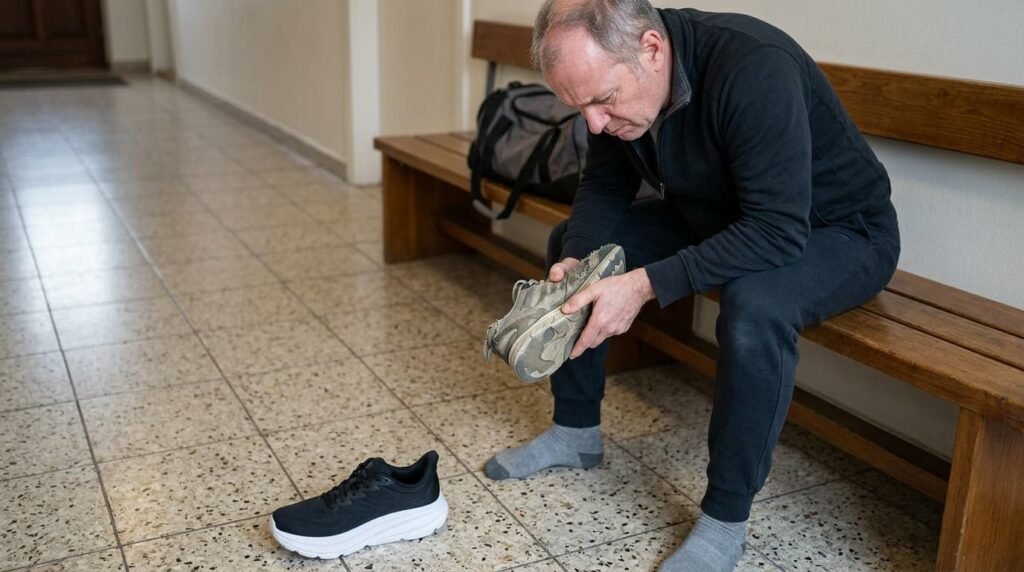
Evidence on footwear is mixed, so comfort and fit should lead every choice. Look for cushioned soles, a stable heel and a roomy toe box. Leave a thumb’s width between the longest toe and the shoe tip. Worn-out trainers lose cushioning long before they look old, so replace them regularly.
Common Joint Myths Worth Dropping
Cracking knuckles does not cause arthritis, despite decades of parental warnings. Cold weather does not cause it either, although damp, chilly days can make existing joints ache. Joint supplements deserve scepticism, because major guidelines recommend against glucosamine and chondroitin for knee and hip osteoarthritis.
Avoiding all exercise to spare the joints backfires, because inactivity weakens muscles and cartilage alike. Myths cost people years of useful movement.
Early Signs of Arthritis Worth a Medical Check
Persistent joint pain, swelling, warmth and reduced movement all deserve attention. A grinding or creaking sensation during movement can accompany early cartilage wear. In the legs, stiffness before swelling is a common early pattern. Earlier diagnosis opens more treatment options and protects joint function.
Morning Stiffness Arthritis Patterns Explained
Stiffness that eases within 30 minutes of moving usually fits osteoarthritis. Stiffness lasting beyond 30 minutes suggests inflammatory arthritis and needs prompt assessment. A hot, red, swollen joint with fever needs urgent medical care the same day. Pain or swelling lasting more than a few weeks justifies a GP visit.
What a Doctor Checks First
A GP starts with a history of symptoms, family background and daily activity. A physical examination tests movement, swelling, tenderness and joint alignment. Blood tests help detect inflammatory arthritis, while X-rays show joint space narrowing and bone changes in osteoarthritis.
Ultrasound or MRI may follow when the picture stays unclear. Most assessments end with a practical plan, and surgery rarely features in the first conversation.
Non-Surgical Care When Prevention Falls Short
Some joints still develop osteoarthritis despite excellent habits. Arthritis prevention and treatment work together, because the same habits support every stage of joint care. Non-surgical options usually come first, from physiotherapy and weight support to injections.

Arthrosamid injection is a hydrogel injection used for symptomatic knee osteoarthritis. The gel contains about 97.5 per cent water and 2.5 per cent polyacrylamide. A single injection goes into the knee joint under local anaesthetic, often with ultrasound guidance. The gel integrates with the joint lining and is thought to cushion the joint.
Cartilage does not regrow, so the aim is less pain and stiffness rather than repair. Follow-up studies report sustained pain relief for many patients, though responses vary.
Frequently Asked Questions
Can you prevent arthritis completely?
Complete prevention is not possible, because age, sex and genetics influence risk. Healthy weight, regular activity and not smoking still lower the odds meaningfully. Early checks catch problems before joints suffer lasting damage.
What are the early signs of arthritis?
Joint pain, stiffness, swelling and reduced movement are the usual early signals. Symptoms often start in the knees, hips or hands. Changes lasting several weeks justify a GP visit.
How long does morning stiffness last in osteoarthritis?
Wear-related stiffness usually settles within 30 minutes of getting moving. Longer stiffness, particularly with swelling, points to inflammatory arthritis. A GP can arrange blood tests and imaging to clarify the cause.
Which exercise is best for protecting the knees?
Walking, cycling and swimming protect knees through steady, low-load movement. Thigh strengthening twice weekly adds shock absorption. Gentle warm-ups lower injury risk before any activity.
Does weight loss help knee arthritis?
Yes, because each kilogram lost removes about four kilograms of load per knee with every step. Gradual loss of 0.5 to 1 kg weekly suits most adults. Medical advice helps when other conditions complicate dieting.
Do joint supplements prevent arthritis?
Evidence for joint supplements is weak, and guidelines recommend against glucosamine and chondroitin for knee and hip osteoarthritis. Vitamin D matters mainly for people who are deficient. Oily fish remains the most reliable source of omega-3. A pharmacist can check interactions before any new supplement starts.
At what age does arthritis usually start?
Osteoarthritis symptoms usually begin between ages 45 and 60, and risk climbs after 50. Rheumatoid arthritis often appears between 30 and 60. Injury-related arthritis can start much earlier, sometimes in the thirties.
Arthritis prevention offers no guarantee, yet healthy habits clearly lower the risk. Weight, movement, diet, smoking, blood sugar and early checks matter most. Small changes made now protect joints for decades.
Mr Syed Nadeem Abbas, a non-surgical knee and joint pain specialist, offers expert assessment for joint pain that persists. Book a consultation for a personalised joint health plan.
Read more: Coffee and Arthritis Can Affect Joints Differently in Each Person
Read more: Arthrosamid Patient Experiences Reveal What Knee Relief Actually Looks Like


