Food For Knee Joints And Ligaments Supports Better Long-Term Mobility

✅ Medically reviewed | Updated september 2026
Food for knee joints and ligaments plays a measurable role in how well the joint moves and absorbs shock. It also affects how quickly soft tissue heals after strain or overuse. Around 8.75 million people in the UK live with some form of knee osteoarthritis. Diet is one of the few daily factors patients can genuinely control. What sits on a plate each day either feeds inflammation or helps calm it down. Cartilage, tendons and ligaments all depend on a steady nutrient supply rather than a single dramatic change. This article breaks down which foods support joint tissue. It also covers which nutrients rebuild ligament strength, and which choices quietly worsen knee pain over months and years.
Why Diet Shapes Knee Joint And Ligament Health
Cartilage has no direct blood supply, so it relies on surrounding synovial fluid and nutrients to repair itself. This is one reason cartilage damage heals so slowly compared with skin or muscle. Ligaments and tendons also depend on a steady nutrient delivery to stay flexible, elastic and resistant to tearing. An anti-inflammatory diet for osteoarthritis directly influences how much swelling and stiffness a joint experiences day to day.
Low-grade inflammation, when chronic, is now recognised as a genuine driver of cartilage breakdown, not simply a symptom that follows it. Persistent inflammation gradually erodes cartilage thickness and weakens the ligaments that keep the knee stable during movement. Choosing food for knee joints and ligaments with intention can slow this gradual process considerably over time. Nutrition will not reverse structural damage that has already occurred in an arthritic joint. It does, however, change the internal biochemical environment the joint operates within every day.
Anti-Inflammatory Diet For Osteoarthritis And Joint Load
An anti-inflammatory diet for osteoarthritis typically favours plant-based foods, oily fish and healthy oils over processed meat and refined carbohydrates. Research consistently links this eating pattern to lower levels of C-reactive protein, a well-studied marker of systemic inflammation. Reduced inflammation generally translates into less swelling, less stiffness and noticeably improved joint function throughout the day. This dietary pattern also tends to support a lower and more stable body weight over time. A lower body weight directly reduces the mechanical load placed on the knee joint with every step. Even a modest reduction in inflammatory markers can meaningfully change how a joint feels during daily activity. Patients often report better morning mobility within a few weeks of adjusting their eating pattern consistently.
Best Foods For Joint Health And Inflammation Control
Certain foods consistently show up across nutrition research focused on joint pain reduction. Building daily meals around these options is one of the simplest, most sustainable ways to support long-term mobility. None of these foods works as a quick fix, but their combined effect builds steadily.
Oily Fish For Joints And Omega-3 For Joint Health
Salmon, mackerel and sardines are among the richest natural sources of omega-3 fatty acids. Omega-3 for joint health works largely by reducing the production of inflammatory compounds circulating in the bloodstream. Several studies suggest eating oily fish two to three times weekly measurably lowers joint stiffness scores over several months. Fish oil supplements offer a broadly similar benefit for people who dislike the taste of fish. Whole food sources are generally preferred, since fish also delivers protein, vitamin D and selenium alongside the fats. Oily fish for joints therefore supports bone health beneath the cartilage layer, not only the soft tissue itself. Sardines are an affordable, widely available option that fits easily into a weekly UK shopping list. Tinned varieties retain most of the beneficial fats and are a practical everyday choice for busy households.
Turmeric For Joint Pain And Other Anti-Inflammatory Foods For Knee Pain
Turmeric contains curcumin, a compound with well-documented anti-inflammatory properties studied extensively in clinical settings. Turmeric for joint pain has featured in several trials, with some showing effects broadly comparable to low-dose anti-inflammatory medication. Black pepper improves curcumin absorption significantly, which is why the two are often paired in supplements and recipes. Ginger, extra virgin olive oil and dark leafy greens round out the list of reliable anti-inflammatory foods for knee pain. Berries, particularly blueberries, contain antioxidant compounds linked to reduced pain scores in people with osteoarthritis.
Walnuts and other nuts provide healthy fats alongside plant compounds that support a calmer inflammatory response. Garlic and onions contain sulphur compounds that also sit among the more reliable foods that fight inflammation of joints. Combining several of these foods daily produces a noticeably stronger effect than relying on just one ingredient alone. A varied plate, rather than a single miracle food, tends to deliver the most consistent long-term results. Simple additions, such as stirring turmeric into soup or roasting vegetables in olive oil, make the habit easier to sustain.

Foods For Knee Cartilage And Diet For Cartilage Repair
Cartilage repair depends heavily on specific building blocks reaching the joint consistently through daily diet. Without these raw materials, the body simply lacks what it needs to maintain existing tissue.
Bone Broth And Collagen-Supporting Foods
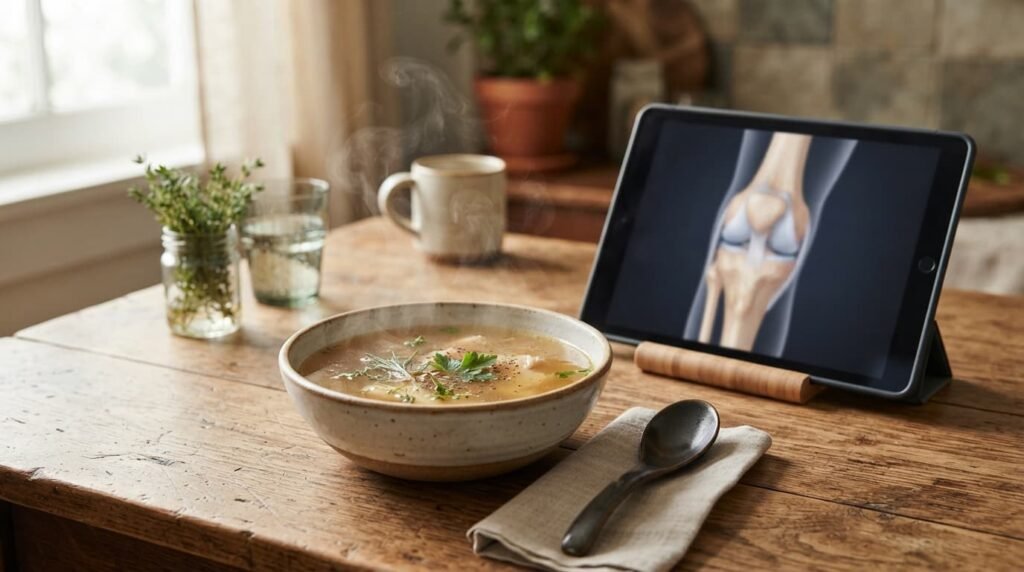
Bone broth for joints supplies collagen, gelatine and amino acids such as glycine and proline in useful amounts. These compounds form much of the structural framework that cartilage tissue is physically built from. Vitamin C-rich fruits, including citrus fruit and kiwi, support the body’s own natural collagen production process. Foods for knee cartilage tend to work best when paired together rather than eaten in isolation occasionally. A diet for cartilage repair typically includes bone broth, citrus fruit and zinc-rich foods like pumpkin seeds.
Combining these across the same week produces a steadier nutrient supply than relying on one food alone. Shellfish, though less common in everyday UK diets, also provides useful zinc and glucosamine-related compounds. Homemade broth simmered for several hours extracts the most collagen from bones and connective tissue. Shop-bought stock cubes rarely contain meaningful amounts of these compounds by comparison. Frozen bone broth cubes, kept ready in a freezer, make consistent use far more realistic on busy weeks. Root vegetables such as carrots and sweet potato also contribute useful antioxidants when cooked alongside broth-based meals.
Foods To Avoid For Cartilage Health
Ultra-processed foods, refined sugar and trans fats accelerate cartilage breakdown through a process called oxidative stress. Excess sugar intake has been linked to advanced glycation end-products, compounds that stiffen and weaken collagen fibres over time. Fried foods and heavily processed meats fall into a similar category and are worth limiting where possible. Foods to avoid for cartilage health overlap considerably with foods already linked to general systemic inflammation. Sugary drinks are a particularly easy target, since they offer little nutritional benefit alongside their inflammatory effect. Swapping fizzy drinks for water or herbal tea is a small change with a genuinely measurable impact. Reducing these foods gradually tends to work better long term than attempting to remove them overnight completely.
Foods That Strengthen Ligaments
Ligaments connect bone to bone and rely on dense, collagen-rich tissue to stay resilient under repeated load.
Vitamin C For Ligaments And Collagen For Ligaments
Vitamin C for ligaments is essential because collagen synthesis simply cannot occur properly without adequate intake. Peppers, strawberries and citrus fruit provide high concentrations of vitamin C in relatively small servings. Collagen for ligaments can also come directly from bone broth, egg whites and dedicated collagen peptide supplements. Protein intake overall matters greatly too, since amino acids are the raw material ligament tissue is rebuilt from. A diet consistently low in protein makes it harder for damaged ligament fibres to repair themselves efficiently. Lean meat, eggs, legumes and dairy all contribute usable protein alongside other joint-supportive nutrients.
Nutrients For Stronger Ligaments And Injury Prevention
Foods that strengthen ligaments generally combine protein, vitamin C, zinc and omega-3 fatty acids together. Nutrients for stronger ligaments become particularly relevant when following a structured ACL injury prevention diet strategy. Athletes recovering from ligament strain are frequently advised to increase protein intake temporarily during recovery. This supports faster tissue remodelling and collagen turnover during the critical early healing window. Prolotherapy for knee pain repairs ligaments naturally through a regenerative injection technique. It works alongside good nutrition rather than replacing it entirely. Neither approach substitutes fully for the other. Combining both tends to produce the most reliable, lasting outcome. Patients who improve their diet before treatment often notice a smoother recovery afterwards.
Vitamin D, Glucosamine And Chondroitin Foods For Joint Support
Vitamin D for joint health supports calcium absorption and maintains bone density beneath the cartilage layer. Low vitamin D levels have been associated with faster progression of knee osteoarthritis in several UK-based studies. Sunlight exposure and fortified foods, including eggs and dairy products, help maintain adequate levels through darker winter months. This matters particularly in the UK, where limited winter sunlight makes dietary sources genuinely important. Glucosamine and chondroitin foods, including shellfish and bone broth, provide compounds naturally found within healthy cartilage tissue. Supplemented forms are widely available over the counter across UK pharmacies and health shops. Evidence for dietary sources remains somewhat stronger for overall joint comfort than for measurable structural repair. Combining vitamin D-rich foods with regular, sensible sun exposure offers the most reliable route to adequate levels.
Mediterranean Diet For Joints And Weight Management

The Mediterranean diet for joints combines olive oil, vegetables, whole grains, legumes and oily fish consistently. Multiple large-scale population studies repeatedly associate this eating pattern with lower inflammatory markers. BMI closely connects to joint health, since extra body weight adds direct, constant mechanical stress to the knee. Every additional kilogram of body weight adds roughly four kilograms of pressure through the knee during walking. Losing weight reduces knee osteoarthritis pain noticeably, according to consistent clinical outcome data across studies.
Food for knee strength therefore includes sensible portion control alongside genuine nutrient quality, not restriction alone. Diet for healthy knees and joints is rarely about one single food choice made occasionally. It concerns a sustained, repeated pattern maintained across weeks, months and eventually years. Small, gradual changes to portion sizes and meal composition tend to produce lasting results without feeling punishing.
Hydration And Joint Health
Cartilage tissue is roughly seventy to eighty per cent water by overall composition and weight. Hydration and joint health are closely connected, since dehydrated cartilage loses some of its natural shock-absorbing capacity. Synovial fluid, which lubricates the joint surfaces, also depends heavily on adequate daily fluid intake. Drinking around six to eight glasses of water daily supports healthy joint lubrication for most adults. Herbal teas and water-rich foods, such as cucumber and watermelon, contribute usefully toward this daily total.
Dehydration is often overlooked as a contributing factor to stiffness, particularly during warmer weather or after exercise. Simple habits, like keeping a water bottle visible on a desk, can noticeably improve daily fluid intake. Consistent hydration is one of the cheapest, easiest tools available for supporting overall strategies for knee joints and ligaments. Caffeinated drinks count toward fluid intake too, though water remains the most reliable everyday choice.
Foods To Avoid With Knee Pain
Some foods actively work against joint health and are genuinely worth limiting on a consistent basis.
- Processed meats and fried foods, linked to elevated inflammatory markers in the blood
- Refined sugar and sugary drinks, associated with cartilage stiffening over time
- Excess alcohol, which disrupts hydration and impairs nutrient absorption generally
- White bread and other refined carbohydrates, tied to sharp blood sugar spikes
- Trans fats found in packaged snacks and commercially fried takeaway food
Foods to avoid with knee pain generally overlap closely with a typical highly processed Western diet. These same choices sit firmly among the wider foods to avoid for knee pain that specialists routinely mention. Inflammatory foods to avoid should be reduced gradually rather than eliminated overnight. This gradual approach improves long-term adherence considerably compared with sudden, strict elimination. Knee inflammation often causes persistent knee pain and swelling. Dietary triggers frequently make an existing inflammatory pattern noticeably worse over time. Small daily choices, repeated consistently, do more for joint comfort than occasional dramatic changes. Video demonstrations of joint-friendly stretching are available on the Dr SNA Clinic YouTube channel. These pair well with dietary adjustments for a fuller approach to daily joint care.

Practical Weekly Meal Ideas
Turning this information into daily habits is often the hardest part for many people. A simple weekly structure helps translate theory into consistent, repeatable meals. Breakfast options might include porridge topped with walnuts, blueberries and a drizzle of flaxseed oil. Lunches built around leafy greens, grilled salmon or sardines, and citrus-based dressings cover several nutrient groups at once. Dinners featuring turmeric-spiced vegetables, lean protein and a small portion of whole grains round out the day well. Batch-cooking bone broth or soup on a Sunday makes weekday meals considerably easier to manage. Snacks such as a handful of nuts or a piece of fruit avoid the blood sugar spikes linked to processed alternatives. None of these meals requires unusual ingredients or specialist shopping trips around London.
Frequently Asked Questions
What is the best diet for joint pain?
The best diet for joint pain emphasises oily fish, colourful vegetables, olive oil and whole grains consistently. Processed foods and added sugar should be minimised wherever practical. This pattern closely resembles the Mediterranean diet for joints recommended by most orthopaedic specialists.
Which foods for knee cartilage work fastest?
Bone broth, citrus fruit and oily fish tend to show measurable benefit within several weeks of consistent use. Results vary between individuals depending on the severity of existing cartilage wear and overall diet quality.
Can foods that strengthen ligaments prevent ACL injuries?
An ACL injury prevention diet supports tissue resilience but cannot fully replace structured strength training programmes. Nutrients for stronger ligaments work best alongside proper conditioning, warm-up routines and gradual load progression.
How much omega-3 for joint health is needed daily?
Most guidance suggests two to three portions of oily fish weekly, or an equivalent supplement dose. Omega-3 for joint health shows cumulative benefit over time rather than immediate, noticeable relief.
Do glucosamine and chondroitin foods actually help joint pain?
Evidence remains genuinely mixed, though many patients report reduced stiffness after consistent use. Glucosamine and chondroitin foods are best considered a reasonable addition rather than a standalone treatment.
Food for knee joints and ligaments works through several connected pathways. It reduces inflammation, supports cartilage repair and helps rebuild ligament collagen over time. Consistency across weeks and months matters considerably more than any single meal choice made occasionally. Mr Syed Nadeem Abbas, a non-surgical knee and joint pain specialist, recommends pairing sensible dietary changes with a wider, structured management plan.
Read more: ACL Injury Requires Early Diagnosis and the Right Treatment Choice
Read more: How a Rheumatoid Arthritis Diet Reduces Joint Pain and Inflammation