Arthrosamid Patient Experiences Reveal What Knee Relief Actually Looks Like

✅ Medically reviewed | Updated october 2026
Arthrosamid patient experiences paint a clearer picture of this knee injection than any brochure can. An estimated 8.5 million people in the UK live with osteoarthritis. Around one in five people over 45 in England live with the condition. The knee is among the joints hit hardest. Cartilage thins, the joint lining becomes irritated, and stairs start to hurt.
Arthrosamid is a hydrogel that clinicians inject into the knee under ultrasound guidance. UK clinics now offer it to adults who gained too little from physiotherapy, painkillers or standard injections. Studies follow patients for up to three years. Patient accounts add the human detail that trial tables leave out.
Arthrosamid Knee Osteoarthritis: How the Hydrogel Works
Arthrosamid is a synthetic gel made of 97.5 per cent water and 2.5 per cent cross-linked polyacrylamide. A clinician injects it into the joint space. The gel then integrates with the synovium, which is the joint lining. It forms a soft cushion that reduces friction and eases pain.
What the Gel Is Made Of
The polyacrylamide hydrogel knee injection is non-degradable, so the body does not absorb it over time. Clinics cite roughly 20 years of safety data on the material. European CE approval for knee osteoarthritis followed in 2021.
Who Usually Receives It
Clinicians usually offer treatment to adults with mild to moderate wear. Candidates still have symptoms despite physiotherapy, weight management and painkillers. Earlier hyaluronic acid injections do not rule out treatment. Inflammatory conditions such as rheumatoid arthritis and gout are not suitable targets. A specialist assessment confirms suitability.
What Happens During the Procedure
The injection is performed as an outpatient visit. The clinician cleans the knee and applies a local anaesthetic. Ultrasound then guides the needle into the joint space. The clinician injects the gel, removes the needle and covers the site with a plaster. Some hospitals give antibiotics beforehand to lower infection risk. Most patients go home the same day. Many describe very little discomfort and short downtime.
Arthrosamid Patient Experiences in the First Weeks and Months
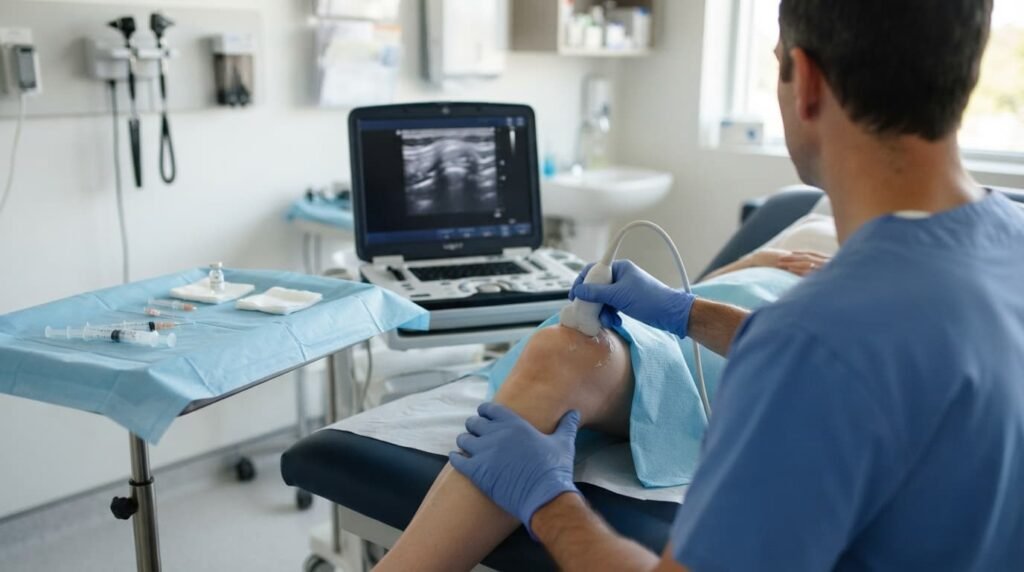
Early reports vary widely. Some patients notice a change within days. Most describe gradual gains over the first month. Clinics typically place the full effect between four and twelve weeks, as the gel settles into the joint lining.
One UK forum poster reported only marginal change four weeks after her injection. She stayed hopeful because the gel needs time to bind with the joint fluid. Patience is part of the treatment, even if knees prefer instant results. Together, these Arthrosamid patient experiences show a gradual pattern.
Arthrosamid Before and After: What Changes in Daily Life
Hospital-published stories show the change in practical terms. A 57-year-old from Stafford struggled to stand for long and could walk only short distances. Pain also drained her mood and motivation. After treatment, she described better mobility and renewed confidence.
A 69-year-old swimmer and gardener had relied on painkillers for years. A sudden decline in her knee pushed her to seek specialist advice. Her consultant judged the injection worth trying. The hospital later titled her story as reclaiming a pain-free life.
Slow Starts and Plateaus
Not every account reads as a triumph. Patient discussions on forums and review sites include modest early change. Others report meaningful benefit only after about three months. Some of those patients then needed fewer painkillers. A few describe relief that levelled off after several months.
Setting Realistic Expectations
The injection eases symptoms but does not regrow cartilage. Wear remains visible on scans. Goals should focus on function, such as walking further or sleeping better. Clear goals make progress easier to judge. A diary of pain scores and activity helps at review appointments.
Everyday Gains Patients Mention
Patient stories share a few common themes. Walking gets easier, and short trips stop feeling like a chore. Stairs hurt less. Sleep improves when the knee stops aching at night. Some patients cut back on painkillers. Emotional relief often follows the physical change. One patient described pain as emotionally draining. She said daily life felt easier afterwards. Others returned to swimming, gardening and light exercise. These gains rarely arrive overnight, but they build steadily.
The Emotional Side of Chronic Knee Pain
Knee pain rarely stays in the knee. Poor sleep, low energy and fewer social plans often follow. One hospital story described weight gain, low mood and lost motivation after activity dropped. Pain shrinks a person’s world long before it stops them walking. Patients often value regained confidence as much as lower pain scores. Review visits that cover mood, sleep and daily activity capture progress that a scan cannot.
How to Read Arthrosamid Reviews with Care
Online feedback sounds persuasive. It also carries bias. Satisfied patients tend to post first, and clinic-hosted pages rarely feature complaints. Useful feedback states the time since injection. It describes the starting level of pain. It mentions side effects honestly. Balanced Arthrosamid patient experiences include both gains and gaps.
Patterns in Arthrosamid Knee Injection Reviews
Trustpilot reviews of Dr SNA Clinic mention Arthrosamid injection treatment for the knee. One reviewer reported walking and sleeping without pain two weeks after the injection. Another praised a pleasant, professional team. These are individual opinions, not clinical outcomes.
Hospital groups publish similar accounts. The arc usually runs from long-standing pain through other options to gradual gain. Patients who prefer to watch rather than read can find clinic video material on the Dr SNA Clinic YouTube channel.
Who Benefits Most: Common Patient Profiles
Published studies and clinic reports describe a few typical groups. Each group has different goals.
Older Adults with Long-Standing Wear
The early study averaged 70 years of age. These patients often tried painkillers and physiotherapy for years first. Their main aim is steadier walking and better sleep. Realistic goals suit this group well.
Active Adults Protecting Their Hobbies
Swimmers, gardeners and recreational athletes appear in hospital stories. These patients want to keep moving without constant pain. A UK sports medicine clinic describes good response rates in patients under 70.
Patients Hoping to Postpone Surgery
Some patients prefer to delay a knee replacement. Mild to moderate wear gives the best chance of that outcome. Severe wear changes the conversation.
Patients Who Need a Different Plan
Inflammatory arthritis, active infection and very severe wear call for other routes. A specialist sorts these cases at consultation. Clear screening protects patients from disappointment.
Recovery Timeline: What Patients Notice Week by Week
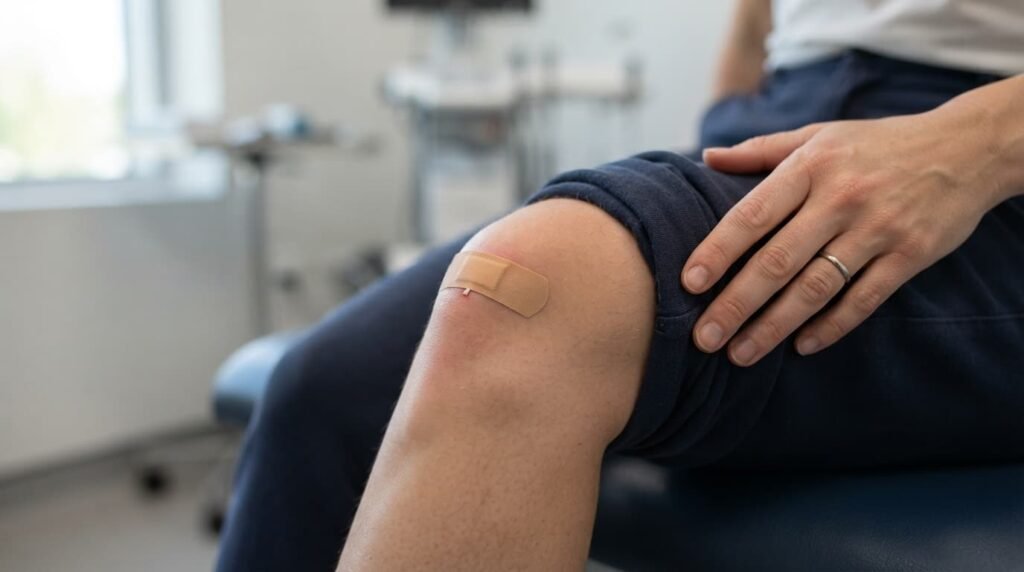
Recovery is gentle compared with surgery. Still, the knee needs some care in the early days.
The First Few Days
Mild to moderate swelling and soreness are common. Hospitals advise against driving for around 24 hours. Rest and gentle movement suit most patients. Some clinics allow strenuous activity such as running or tennis after a few days, subject to specialist advice.
Weeks Two to Four
Early relief appears for some patients in this window. Hospitals encourage low-impact exercise to strengthen the muscles around the knee. Swimming and cycling at a gentle pace fit well. Patience matters here, because the gel is still settling.
Weeks Four to Twelve
Clinics place the peak effect in this period. The synovium finishes adapting around week twelve. Patients who feel little change at week four often improve later. A review appointment helps judge progress.
After Three Months
Most patients know by now how the knee responds. Further steps depend on that response. A specialist can discuss options if relief falls short. Ongoing exercise protects the gains. Patients who respond well often keep a simple routine of regular walking, strengthening work and yearly reviews. Patients with limited response benefit from a fresh assessment rather than waiting indefinitely.
Work, Travel and Sleep in the Early Weeks
Daily routines need small adjustments rather than big ones. Many clinics allow a quick return to light duties. Long journeys call for regular movement breaks. A pillow between the knees can ease night-time aching. Specialist advice applies to physical jobs and demanding sport. Gentle consistency beats rushing back.
Arthrosamid Results after 3 Years: What the Research Shows
Short-term relief matters, but staying power matters more. An early study followed 49 patients, with an average age of 70. A single 6 ml injection still worked at one year, with no significant adverse events. That study helped secure European approval in 2021.
Later follow-up reached two years with significant improvement. A three-year prospective study then reported clinically relevant drops in pain, stiffness and function. Clinical data and Arthrosamid patient experiences point in the same direction.
Arthrosamid Long-Term Results in Context
Three-year data look promising. Most published studies remain small, though. Larger independent trials would strengthen the evidence further. Follow-up has since reached four years in some cohorts.
Arthrosamid: How Long Does It Last: What Studies Show
Documented benefit reaches three years in some patients. Individual duration varies. The gel itself is non-degradable, so it stays in the joint lining. Relief depends on the knee, activity levels and the stage of disease.
How Clinics Measure Progress
Clinics track outcomes with patient-reported questionnaires. These score pain, stiffness and daily function at set intervals. The Oxford Knee Score and the Lysholm Score appear in published UK series. Numbers turn personal impressions into comparable data. A rising score after twelve weeks supports a positive response. A flat score prompts a closer look at the knee and the plan.
Does Arthrosamid Work for Everyone?
No treatment works for everyone. Knees rarely read the trial protocol, so responses differ. Published results describe most patients improving, while some gain little. A UK sports medicine clinic reports a positive response close to 80 per cent in patients under 70. Arthrosamid patient experiences also show that outcomes depend on the knee.
Patients who respond best tend to share traits. Advanced wear and unrealistic goals often lower satisfaction. These factors do not rule out treatment. They simply shift expectations, and a specialist explains how.
Where Injections Fit among Non-Surgical Options
Non-surgical treatment for knee osteoarthritis includes exercise, weight management, painkillers and several injections. Each option suits a different stage of disease. A knee injection to delay knee replacement suits patients who prefer to postpone surgery. Arthrosamid does not replace a knee replacement where surgery is clinically needed.
Specialists often combine approaches. A patient may pair an injection with physiotherapy and weight loss. This mix targets pain, strength and joint load together. Combined plans suit most knees better than a single step.
Common Myths about Knee Hydrogel Treatment
Online chatter spreads several misunderstandings. Clear facts help patients judge claims.
Myth: Relief Arrives Overnight
Some patients feel change within days. Most wait several weeks. The gel needs time to integrate with the joint lining.
Myth: The Gel Rebuilds Cartilage
The gel cushions the joint. It does not grow new cartilage. Scans still show the original wear.
Myth: Exercise Becomes Optional
Strong muscles protect the knee after any injection. Hospitals actively encourage low-impact exercise. The injection supports exercise rather than replacing it.
Myth: One Injection Ends All Future Care
Review visits continue after treatment. Some patients later need further advice as the knee changes. Ongoing monitoring catches problems early.
Is Arthrosamid Safe? What Research Reports

A systematic review of PAAG hydrogel knee osteoarthritis treatment found no long-lasting adverse events. Most effects are mild and short-lived. Serious complications remain very rare in published studies. Three-year follow-up recorded some adverse events, such as Covid-19 infections, but none linked to the gel. Arthrosamid patient experiences on tolerance match the research.
Arthrosamid Side Effects Patients Report
Typical effects include soreness, swelling, bruising and a feeling of fullness around the knee. These usually settle within days. Some hospitals advise against driving for 24 hours after the injection. Rare complications such as infection need prompt medical attention.
When to Seek Medical Advice
Contact the treating clinic if pain worsens sharply after the first few days. Redness, heat, fever or rapidly increasing swelling also need prompt review. These signs may point to infection, which is rare but treatable. Early advice protects the joint.
How Arthrosamid Compares with Other Knee Injections
Arthrosamid vs Hyaluronic Acid: Staying Power against Familiarity
Hyaluronic acid breaks down over months and often needs repeating. Arthrosamid usually needs one injection. A 2025 retrospective cohort study found comparable short-term results and a modest advantage at six months. Differences faded by twelve months. That study also recorded the highest satisfaction with the hydrogel at three, six and twelve months. Arthrosamid patient experiences often mention the single-injection convenience.
Arthrosamid vs Corticosteroid Injection: Speed against Duration
Steroid injections act fast but fade. The same study found the hydrogel outperformed corticosteroids at six months. Steroids still suit short flare-ups. Clinicians usually space steroid injections out over time.
Supporting the Injection with Everyday Habits
The gel cushions the joint, but habits still shape the result. Strong thigh muscles take load off the knee. Weight management reduces pressure with every step. Small, steady changes often matter more than dramatic ones.
Exercise That Suits a Treated Knee
Low-impact activity works best. Swimming, cycling and gentle walking keep the joint moving without heavy impact. A physiotherapist can set a strengthening plan. Pacing prevents flare-ups on busy days.
Daily Choices That Protect the Joint
Supportive footwear helps absorb shock. Regular movement breaks ease stiffness after long sitting. Balanced meals support a healthy weight.
Sleep and Stress Matter Too
Poor sleep amplifies pain signals. Stress tightens muscles around the joint. Regular bedtimes and relaxation routines help many patients cope. Gentle stretching before bed eases stiffness.
Planning the Next Step
Arthrosamid UK access currently runs mainly through private clinics and hospitals. A consultation reviews symptoms, scans and previous treatments. The specialist examines the knee and checks imaging. Past injections and current medicines also matter. This history shapes both the dose and the follow-up plan. Useful topics to raise with a specialist include:
- Expected timeline for relief
- Effect of earlier injections
- Activity goals after treatment
- Follow-up arrangements
How to Prepare for the Appointment
Preparation makes the consultation more productive. Bring a list of previous treatments and current medicines. Pack any recent scan reports. Write down activity goals, such as climbing stairs or returning to the garden. Keep a short pain diary for two weeks beforehand. Arrange a lift home, because hospitals advise against driving for 24 hours.
Some people should wait or choose another route. An infection near the injection site delays treatment. Very severe joint damage may need surgery instead. A specialist assessment sorts these cases early.
Frequently Asked Questions
Does Arthrosamid work for every patient?
Responses differ. Most patients improve, while some gain little. Mild to moderate wear predicts a better response. A specialist assessment before treatment sets realistic expectations.
What are the common Arthrosamid side effects?
Soreness, swelling and bruising near the injection site are common. A feeling of fullness in the knee also occurs. These effects usually settle within days. Rare problems such as infection need urgent review.
Is Arthrosamid safe for long-term use?
A systematic review found no long-lasting adverse events. Follow-up studies reach three years and beyond. The gel is non-degradable, so it remains in the joint lining. Specialist follow-up still matters.
Is Arthrosamid UK treatment available on the NHS?
Access mainly runs through private clinics at the time of writing. NHS policy varies by region and changes over time. Local commissioning bodies hold the current position. A GP or specialist can confirm options.
What non-surgical treatment options exist for knee osteoarthritis besides injections?
Exercise therapy strengthens the muscles that support the joint. Weight management reduces load on the knee. Walking aids, bracing, and painkillers also help some patients. A clinician can combine these options with injections.
Can a knee injection to delay knee replacement really postpone surgery?
Evidence suggests some patients postpone surgery after treatment. Results depend on joint damage and activity levels. Severe wear may still need replacement. A surgeon can judge the likely timeline.
How soon do patients notice a difference?
Some notice change within days, but most report gradual gains over four weeks. Peak effect often arrives between four and twelve weeks. Patience matters, because the gel needs time to settle.
Does the injection hurt?
A local anaesthetic numbs the knee first. Many patients describe very little discomfort. Soreness and swelling may follow for a few days. Rest and gentle movement usually ease it.
Can both knees be treated?
Some patients receive injections in both knees. A specialist reviews each knee separately. Wear and symptoms often differ between sides. The plan follows those findings.
Who should avoid the injection?
An infection near the injection site delays treatment. Inflammatory arthritis, such as rheumatoid arthritis or gout, calls for a different approach. Very severe joint damage may need surgery instead. A specialist makes the final decision.
Arthrosamid patient experiences tell a consistent story. Relief builds gradually, often within weeks, and can last for years. Studies support that pattern, although responses differ between patients. Mild to moderate disease responds best.
Mr Syed Nadeem Abbas is a non-surgical knee and joint pain specialist. Book a consultation to discuss whether this injection fits individual goals.
Read more: Golf and Knee Health Facts: Every Golfer Should Know Before the Next Round
Read more: Food For Knee Joints And Ligaments Supports Better Long-Term Mobility