PRP For Knee Osteoarthritis Offers A Non-Surgical Route To Lasting Relief

✅ Medically reviewed | Updated september 2026
PRP for knee osteoarthritis has become one of the most searched non-surgical treatments among UK patients seeking pain relief. Knee osteoarthritis affects an estimated 5.4 million people across the UK, according to Versus Arthritis figures. The condition mainly affects adults over 45 and often worsens gradually over several years. Symptoms typically include stiffness, swelling, and reduced range of movement in the affected joint. Everyday activities such as climbing stairs or kneeling can become increasingly difficult over time. Many patients researching options for knee pain also compare arthrosamid injection London clinics before choosing a treatment path.
Platelet-rich plasma therapy uses a concentrated form of a patient’s own blood to support joint healing. Interest in regenerative treatments continues to grow among adults hoping to delay surgery. Enquiries about arthrosamid injection cost UK services have also risen alongside this trend. This piece explains what platelet-rich plasma therapy involves, how the procedure works, and what results patients can realistically expect.
What Is PRP Treatment For Knee Osteoarthritis
Patients often ask what PRP treatment is before booking a consultation. Platelet-rich plasma injection involves drawing blood, separating platelets, and reinjecting the concentrate into the knee joint. Blood contains four main components: red cells, white cells, plasma, and platelets. Platelets carry growth factors that trigger the body’s natural repair processes. PRP therapy targets damaged cartilage and inflamed joint tissue without surgical intervention.
Many orthopaedic specialists now consider platelet-rich plasma injection a genuine alternative for patients unsuitable for surgery. The approach appeals to patients who want to avoid general anaesthesia and lengthy hospital stays. Unlike surgery, the procedure requires no incisions and carries a shorter overall recovery window.
How Platelet Rich Plasma Injection Works
Platelet-rich plasma therapy concentrates the platelet component of blood before injection. A standard blood sample contains a relatively small proportion of platelets compared with other components. Processing the sample through a centrifuge increases platelet concentration several times over. Growth factors within platelets stimulate collagen production and reduce local inflammation.
This biological response supports gradual tissue repair rather than masking symptoms with medication. Researchers continue studying exactly how these growth factors interact with damaged cartilage cells. Laboratory technique and platelet concentration can both influence how well a patient responds.
The PRP Knee Injection Procedure Explained
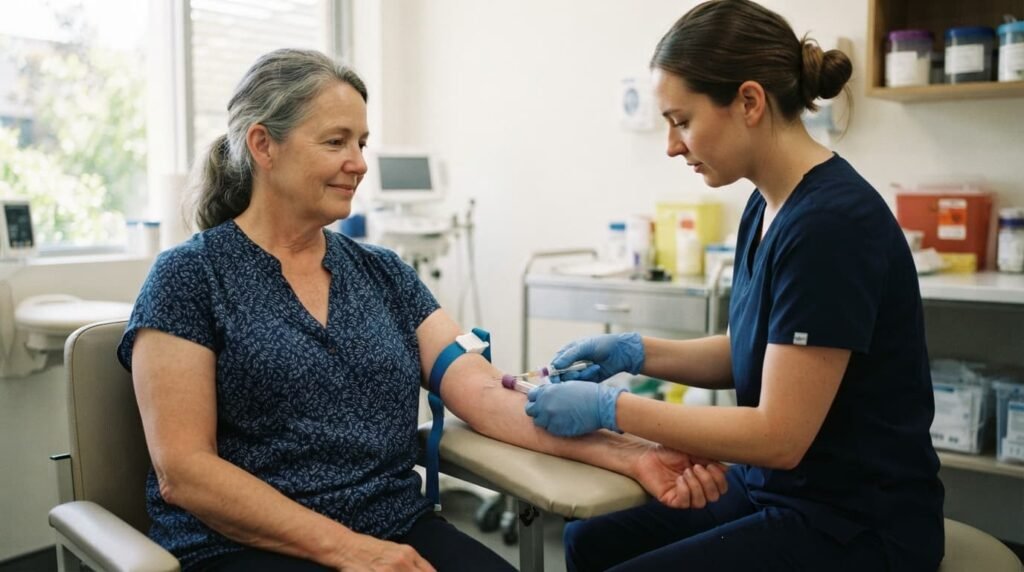
A PRP knee injection typically takes under an hour from start to finish. Consultants draw a small blood sample, usually from the arm, before processing it. Most patients describe the blood draw as similar to a routine test at a GP surgery. The entire appointment usually allows time for preparation, processing, and aftercare guidance. Clinics often schedule a brief consultation beforehand to confirm suitability for treatment.
Three Steps Involved In PRP Therapy
- Blood collection: a standard blood sample is taken, similar to a routine test.
- Centrifugation: the sample spins in a centrifuge to separate platelets from other blood components. This stage usually takes between ten and twenty minutes.
- PRP injection: the concentrated plasma is injected into the knee joint, often using ultrasound guidance for accuracy.
Most patients tolerate the PRP injection procedure well, with mild discomfort at the injection site. Local anaesthetic may be offered depending on individual sensitivity and clinic protocol. Patients can usually return home the same day without needing an overnight stay. Driving is generally discouraged immediately after the appointment as a precaution.
Benefits Of PRP For Knee Pain And Osteoarthritis
PRP for knee osteoarthritis offers several advantages over more invasive treatments. Reported benefits of PRP for knee pain include the following points.
- Reduced pain and stiffness in the affected joint.
- Improved mobility and daily function.
- A treatment sourced entirely from the patient’s own blood.
- Reduced reliance on long-term pain medication.
- A realistic option for patients wanting to delay or avoid knee replacement surgery.
PRP injection for osteoarthritis also carries a low risk profile, since no foreign substance enters the body. Many patients value the minimally invasive nature of the procedure compared with surgical alternatives. Recovery periods are generally shorter than those associated with knee replacement surgery. Some patients also report improved quality of life once swelling and stiffness begin easing. Daily tasks such as climbing stairs or walking longer distances can become more manageable.
PRP Injection Cost And Pricing Factors In The UK
PRP injection cost varies between clinics and depends on several factors. Pricing under PRP treatment cost UK guidelines typically reflects consultant expertise, clinic location, and the number of sessions required. Using ultrasound guidance during the procedure also affects PRP knee injection cost UK figures. Patients researching PRP injection cost knee treatments should request a personalised quote during consultation. PRP for knee osteoarthritis pricing depends heavily on individual clinical assessment. Clinics rarely publish exact figures online because assessment determines the treatment plan.
Additional factors influencing price include laboratory processing methods and aftercare provision. Some clinics offer package pricing covering a full course of injections, while others charge per session. Comparing quotes from more than one specialist clinic is generally a sensible approach. Private medical insurance rarely covers PRP treatment, since providers often classify it as experimental. Patients paying privately should ask whether the quoted price includes follow-up reviews. Finance options are sometimes available through clinics offering multiple regenerative treatments.
PRP Vs Steroid Injection And Other Treatment Comparisons
Choosing between regenerative and conventional injections depends on individual circumstances. Long-term goals and symptom severity often guide this decision alongside specialist advice.
PRP Vs Steroid Injection For Knee Arthritis
PRP vs steroid injection comparisons show different mechanisms entirely. Steroid injections reduce inflammation quickly but wear off within a few months. PRP vs steroid injection knee outcomes suggest platelet-rich plasma may offer more durable results for some patients. Repeated steroid use has also been linked to cartilage thinning over time. Patients with PRP knee arthritis symptoms often explore both options before deciding. Consultants generally weigh short-term relief against long-term joint health when advising patients. Steroid injections may still suit patients needing rapid relief before an important event.
PRP Vs Hyaluronic Acid For Knee Osteoarthritis
PRP vs hyaluronic acid treatments both aim to improve joint lubrication and reduce friction. Hyaluronic acid injections replace natural joint fluid directly, cushioning the joint. PRP instead stimulates the body’s own repair mechanisms rather than adding lubrication. Neither option is permanent, though effects can last several months. Some patients respond better to one treatment than the other, and individual trials sometimes help clarify this.
PRP Vs Arthrosamid For Long-Term Relief
PRP vs Arthrosamid comparisons highlight differences in longevity and mechanism. Arthrosamid uses a non-biodegradable hydrogel designed to remain within the joint for years. A single Arthrosamid injection can provide cushioning that lasts considerably longer than PRP. PRP relies on biological repair, meaning results can vary between individuals. Specialists familiar with both treatments can advise which suits a specific stage of osteoarthritis.
Patients with more advanced joint damage sometimes favour the longer-lasting Arthrosamid approach. Patients seeking a single-session solution rather than multiple appointments often lean toward Arthrosamid. Arthrosamid may also suit patients who see limited benefit from an earlier course of PRP. A related video on the Dr SNA Clinic YouTube channel explains how non-surgical knee treatments compare in more detail. Reviewing patient experiences alongside clinical evidence can help inform this decision further.
PRP Injection Side Effects And Risks
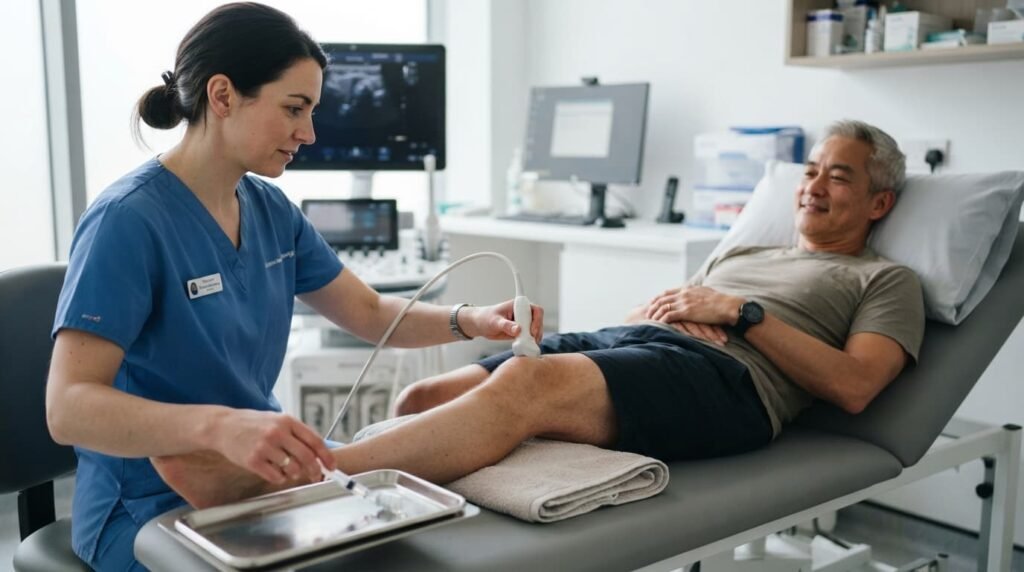
Side effects of PRP injection are generally mild and temporary. Common reactions include swelling, bruising, and soreness at the injection site. Some patients also report mild stiffness for a day or two after treatment. PRP injection risks remain low because the treatment uses the patient’s own blood.
This reduces the chance of allergic reaction or rejection compared with synthetic alternatives. Serious complications are rare but can include infection if aftercare instructions are not followed correctly. Patients on blood-thinning medication should discuss suitability carefully with their consultant beforehand.
Pregnant patients and those with certain blood disorders are usually advised against treatment. Patients with active infections or uncontrolled chronic conditions are also generally unsuitable. A pre-treatment assessment helps identify these factors before any injection takes place.
PRP Recovery Time And Aftercare
PRP recovery time varies, though most patients notice gradual improvement within six to twelve weeks. Recovery typically involves initial rest, followed by a slow return to normal activity. Ice and paracetamol are commonly recommended during the first few days after treatment. Patients often ask how long PRP lasts in knee joints once treatment is complete.
Effects can range from six months to two years depending on the severity of osteoarthritis. Following aftercare guidance closely often determines how long the benefits last. Gentle movement is usually encouraged before returning to more strenuous activity. High-impact exercise is typically avoided for several weeks following the injection. Swimming and cycling are often reintroduced gradually once initial soreness settles. Consultants may schedule a follow-up review around six weeks to assess early progress.
PRP Knee Injection Success Rate And Long-Term Outlook
PRP knee injection success rate figures vary across published studies. Some research reports improvement in a majority of treated patients within several months. Interest in PRP for knee osteoarthritis continues to grow despite these mixed research findings. Major medical bodies still recommend discussing evidence limitations openly before committing to treatment.
Does PRP Work For Knee Arthritis
Does PRP work for knee arthritis remains a common question among prospective patients. Some studies report meaningful pain reduction and improved mobility after treatment. Other research shows inconsistent results, meaning individual responses can differ significantly. Standardisation of PRP preparation methods remains an ongoing challenge across clinical research. Patient age, activity level, and osteoarthritis severity can all influence outcomes.
Can PRP Regenerate Cartilage
The idea that PRP can regenerate cartilage is a frequent misconception among patients researching treatment options. Current evidence suggests PRP reduces symptoms rather than regenerating lost cartilage tissue. Imaging studies have not confirmed cartilage regrowth following treatment. Platelet-rich plasma knee therapy instead focuses on symptom management and inflammation control.
Who Is A Good Candidate For PRP Knee Treatment
Good candidates typically have mild to moderate osteoarthritis rather than advanced joint damage. Patients who have already tried physiotherapy or oral pain relief without lasting benefit often qualify. General health, blood clotting ability, and lifestyle factors all form part of the assessment. Smokers and patients with poorly managed diabetes may see reduced treatment benefits. Younger, more active patients sometimes respond more consistently than those with long-standing joint degeneration.
A thorough consultation, often including imaging review, helps confirm whether treatment is appropriate. Patients unsuitable for injection-based treatment may instead be guided toward surgical options. Age alone rarely disqualifies a patient, though overall joint condition carries more weight. Weight management before treatment can also improve outcomes for patients carrying excess load on the knee.
Choosing A Specialist For PRP Knee Injection In The UK
Selecting an experienced consultant matters as much as the treatment itself. Orthopaedic specialists with specific training in regenerative joint treatments generally produce more consistent outcomes. Checking a clinic’s registration, patient reviews, and published outcome data helps inform this decision.
Asking about preparation technique, platelet concentration, and ultrasound guidance can clarify treatment quality. Patients should also confirm whether follow-up appointments and aftercare support are included. A clear written treatment plan before the first session helps set realistic expectations. Clinics offering both PRP and Arthrosamid can advise which suits a patient’s specific stage of osteoarthritis.
Knee Osteoarthritis Treatment Options Beyond PRP

Knee osteoarthritis treatment options extend well beyond platelet-rich plasma therapy. Physiotherapy, weight management, and anti-inflammatory medication often form a first-line approach. Structured exercise programmes can also strengthen surrounding muscles and reduce joint strain. Alternatives to knee replacement include Arthrosamid injections, hyaluronic acid, and targeted physiotherapy plans.
Considering PRP for knee osteoarthritis alongside other options helps build a balanced treatment plan. A specialist consultation helps determine which combination suits individual symptoms and lifestyle. Some patients combine PRP with physiotherapy to support longer-lasting results. Dietary adjustments and low-impact activity such as swimming can also support overall joint health.
Frequently Asked Questions
Is PRP for knee osteoarthritis suitable for everyone?
Not every patient qualifies for PRP for knee osteoarthritis treatment. Suitability depends on the severity of joint damage, general health, and blood clotting factors. A consultant assessment confirms candidacy before booking treatment.
What is PRP treatment expected to cost overall?
Pricing depends on the clinic and the number of sessions needed. PRP treatment cost UK figures are rarely fixed, since assessment shapes the final plan.
How many PRP injections are usually needed?
Most treatment plans involve 1 to 3 sessions spaced several weeks apart. A consultant determines the exact number based on symptom severity.
Does PRP injection carry serious risks?
Risks are generally low since the treatment uses autologous blood. Mild swelling and soreness are the most commonly reported reactions.
How does PRP compare with Arthrosamid for long-term relief?
PRP vs Arthrosamid comparisons often come down to how long results need to last. Arthrosamid tends to offer longer-lasting relief due to its hydrogel composition.
Can PRP knee injection success rate be guaranteed?
Success rate cannot be guaranteed for any individual patient. Response varies depending on osteoarthritis severity and overall joint health.
Is PRP available on the NHS for knee osteoarthritis?
PRP is rarely funded on the NHS due to limited standardisation across preparation methods. Most patients access treatment through private clinics instead.
Can PRP be repeated if symptoms return?
Some patients undergo repeat courses of PRP if initial benefits fade over time. A consultant will assess whether repeat treatment remains appropriate.
Should physiotherapy continue alongside PRP treatment?
Physiotherapy often continues alongside PRP treatment to support joint strength. Many consultants recommend a structured exercise plan during recovery. Combining approaches often produces steadier improvement than relying on a single treatment alone.
Knee osteoarthritis continues to affect millions of adults across the UK, often limiting mobility. PRP for knee osteoarthritis remains one option among several non-surgical pathways worth discussing with a specialist. Mr Syed Nadeem Abbas is a Harley Street-based specialist in Arthrosamid and non-surgical knee treatment.
Read more: Cysts Behind the Knee Can Signal Several Different Joint Conditions
Read more: Septic Arthritis Treatment Protects The Joint Through Antibiotics And Surgery