How Non-Surgical Orthopaedic Treatment Changes From Early to Advanced Joint Damage

✅ Medically reviewed | Updated september 2026
Surgery is rarely the first step in joint pain care. Most patients begin with a structured plan that matches treatment intensity to the stage of joint damage. Osteoarthritis is the most common form of arthritis in the UK. The knee is one of the joints affected most often.
Non-surgical orthopaedic treatments include exercise therapy, medication, supportive devices and joint injections. The best choice depends on diagnosis, severity and personal goals rather than pain alone. A decision-based approach saves time and avoids treatments that do not suit the joint.
Many patients with knee osteoarthritis search for an arthrosamid injection London clinic once exercise and medication stop giving enough relief. Others look for an arthrosamid injection near me option after short-acting injections fade. Both searches point to the same need, which is a clear next step.
What Non-Surgical Orthopaedic Treatment Includes
The range of care is stepped. Each step adds intensity only when the previous one no longer controls symptoms. Most plans combine several steps at once rather than using a single treatment.
Exercise and physiotherapy
Strengthening the muscles around the knee and hip reduces load on the joint. Therapeutic exercise remains the foundation of osteoarthritis management. Activity pacing and gradual progression matter more than intensity.
Physiotherapy adds supervision to that foundation. A therapist assesses strength, balance, walking pattern and movement control. A graded programme follows. Manual therapy, taping and gait re-education support the exercises. Hydrotherapy suits patients who find land-based exercise too painful at first.
Consistency decides the outcome. A calm, repeatable programme outperforms short bursts of effort followed by long gaps. Flare-ups call for temporary load reduction rather than complete rest.
Weight, footwear and daily habits
Body weight multiplies the force passing through the knee and hip with every step. Even modest weight loss often eases symptoms. Supportive footwear and cushioned insoles reduce repeated strain.

Low-impact activity keeps joints moving without heavy loading. Swimming, cycling and walking on flat ground are common choices. Long periods of sitting stiffen joints, so regular position changes help.
Medication and topical treatments
Paracetamol, topical anti-inflammatory gels and short courses of oral anti-inflammatory tablets can settle flare-ups. Suitability depends on age, kidney function, stomach health and other prescriptions. Stronger painkillers cause drowsiness and constipation, so specialists use them sparingly for joint pain.
These medicines support movement. They do not change the underlying joint.
Braces, supports and immobilisation
Knee sleeves, offloading braces and walking sticks reduce strain during daily tasks. A brace helps most when instability or uneven joint wear is the main problem. Poorly fitted devices add little benefit.
Short-term immobilisation with a splint or boot supports acute sprains and tendon injuries. Prolonged immobilisation weakens muscle and stiffens joints. Early controlled movement usually follows.
Shockwave and other physical therapies
Extracorporeal shockwave therapy uses sound waves to stimulate healing in chronic tendon problems. Plantar fasciitis and calcific shoulder tendinopathy are typical targets. Evidence is strongest for selected tendon conditions rather than advanced joint arthritis.
Injection therapies
Injections deliver treatment directly into the joint or around a tendon. Options include cortisone, hyaluronic acid, platelet-rich plasma and gel-based products. Each has a different purpose, evidence base and expected duration. Modern non-surgical knee pain treatments in the UK now include longer-lasting options alongside exercise-led care.
Decision One Is a Clear Diagnosis
Non-surgical orthopaedic treatments only work when aimed at the correct problem. Knee pain has many sources. Osteoarthritis, meniscal tears, bursitis, tendon irritation and pain referred from the hip or spine can look similar.
How a consultant weighs stage and goals
A consultant combines examination findings with the patient’s own priorities. Range of movement, stability and swelling show how the joint behaves. Walking distance, work demands and sleep quality show how symptoms affect daily life. Scans then confirm the picture rather than lead it.
Priorities and function shape the plan as much as the scan does. This weighting explains why identical X-rays can lead to different treatment routes.
Persistent swelling deserves separate attention. Sometimes knee aspiration for a swollen joint relieves pressure and allows the fluid to be tested.
Preparing for the first assessment
A short symptom diary makes the consultation more productive. Useful entries include the time of day pain peaks, the distance walked before symptoms start and the effect of stairs. Notes on previous treatments and their results are equally valuable. Existing scans and reports should be brought to the appointment.
Why the diagnosis changes the treatment
A tendon problem responds to load management and targeted rehabilitation. An inflamed joint lining may respond to an injection aimed at inflammation. Worn cartilage needs a different approach again. Treating every sore knee the same way wastes time and money.
Decision Two Is the Stage of Joint Damage
Severity shapes which non-surgical orthopaedic treatments are realistic. Joint damage sits on a spectrum, and treatment intensity rises along it.

Early osteoarthritis
Cartilage thinning is mild, and pain appears mainly after activity. Exercise, weight management and simple pain relief usually take priority. Injections are rarely needed at this point. Early signs are easy to dismiss, so timely assessment of early knee osteoarthritis matters.
How the stage is judged
X-ray severity is often described using grading systems that score joint space loss and bone spurs. A grade alone never tells the full story. Function questionnaires add context by recording pain, stiffness and difficulty with daily tasks. Together, imaging and function scores give a fairer picture of where the joint sits on the spectrum.
When symptoms and scans disagree
A knee with advanced X-ray changes but mild pain may need only exercise and monitoring. A knee with modest changes but severe pain needs a search for another cause. Tendon irritation, referred hip pain, and nerve problems are common examples. Matching the plan to the true source prevents unnecessary procedures.
Moderate osteoarthritis
Stiffness, swelling and reduced walking distance become regular problems. Exercise continues, but progress often stalls. This stage is where injection therapy is most commonly considered. The aim is to reduce pain enough for rehabilitation to work again.
Advanced osteoarthritis
Constant pain, night symptoms and visible deformity limit daily life. Non-operative options may still give temporary relief. A surgical opinion becomes appropriate when relief no longer lasts or function keeps declining.
Decision Three Is the Personal Goal
Two patients with identical scans can need different plans. Goals change the balance between speed, duration and recovery demands.
Return to work or sport
Physically demanding jobs and sport favour options with short recovery periods. Treatment timing around busy work periods or competition also matters. A plan that ignores the working calendar is unlikely to be followed.
Delaying surgery
Some patients want to postpone an operation because of age, caring duties or other health risks. Careful management can extend the period before surgery becomes necessary. It cannot restore worn cartilage, so honest expectations prevent disappointment.
Age and general fitness
Age alone does not rule treatments in or out. A fit patient in their eighties may tolerate a structured programme well. A younger patient with other health problems may need a gentler approach. Fitness, medication use and home support all influence which options are practical.
Home life and recovery support
Practical factors shape which plans succeed. Stairs at home, transport to appointments and caring duties all affect follow-through. A plan needing three clinic visits weekly fails for someone without transport. Realistic scheduling protects consistency more than any single treatment choice.
Longer-lasting relief with fewer repeat visits
Short-acting injections need repeating. Patients tired of repeat appointments often ask about more durable options. This is where durable injection options enter the discussion.
Health conditions that change the options
General health shapes safe choices. Kidney disease and stomach ulcers limit anti-inflammatory tablets. Blood-thinning medication changes the approach to injections. Steroid injections can raise blood sugar for several days, which matters in diabetes. A full medical history therefore comes before any prescription or procedure.
Where Injection Treatments Fit in the Pathway
Injection therapy sits between conservative care and surgery. Each type answers a different clinical question. Ultrasound guidance improves needle placement, especially when swelling or deep anatomy makes accuracy harder.

Short-acting options calm a flare and create a window for rehabilitation. Joint-fluid and biological options aim for gradual benefit, and evidence varies between products. Longer-acting gel implants suit patients whose symptoms keep returning. No single injection ranks best for every patient. Stage, previous response and practical goals decide the choice.
Arthrosamid hydrogel
Arthrosamid is a non-biodegradable polyacrylamide hydrogel designed for knee osteoarthritis. It stays in the joint and integrates with the synovial lining, creating a cushioning effect. The treatment is a single outpatient injection given under local anaesthetic.
Improvement builds over weeks, and clinical studies report benefit lasting several years, although outcomes vary. Suitability always depends on a specialist consultation. Arthrosamid fits best after exercise and medication have stopped giving enough relief. The mechanism is explained in detail in how a hydrogel injection works inside the knee joint.
What to expect after any joint injection
Most patients go home the same day. A day or two of reduced loading is common advice. Mild soreness or swelling at the injection site is expected. Increasing redness, heat, fever or severe pain needs same-day medical contact because infection is rare but serious.
Beyond the Knee and Into Other Joints
The same decision steps apply across the musculoskeletal system. Diagnosis comes first, then stage, then goals.
Hip osteoarthritis follows a pathway close to the knee. Exercise, weight management, walking aids and imaging-guided injections come before any operation discussion. Shoulder pain from subacromial irritation or frozen shoulder often improves with physiotherapy and a targeted steroid injection.
Soft tissue problems behave differently from joint wear. Tennis elbow, Achilles tendinopathy and plantar fasciitis respond to progressive loading, activity changes and sometimes shockwave. Bursitis is another example, and knee bursitis symptoms after repeated kneeling usually settle once the aggravating pressure is removed.
Smaller joints follow the same logic. Thumb-base osteoarthritis often responds to splints and hand exercises. Foot and ankle pain frequently improves with supportive footwear and custom insoles.
Signs That the Current Plan Needs to Change
A failing plan gives clear signals. Pain with no improvement after twelve weeks of regular exercise needs a fresh review. Walking distance that keeps shrinking is another signal. Night pain that steadily increases points to a different problem than simple wear. New numbness or weakness in the leg also needs prompt review.
Rarely, persistent bone pain with unexplained weight loss or a cancer history needs urgent imaging. Sudden severe change in a previously stable joint may signal infection. Septic arthritis needs hospital treatment because bacteria can damage the joint quickly.
Common Mistakes When Choosing Conservative Care
Skipping exercise is the most frequent error. Injections and medication work best alongside strengthening, not instead of it. Relying on repeated steroid injections is another. The benefit fades, and joint health may suffer.
Chasing scan results instead of function also misleads. A dramatic report does not always mean a dramatic problem. Expecting cartilage to regrow completes the list. Current options reduce symptoms and improve movement, but they do not rebuild worn surfaces.
Stopping too early is equally common. Strength programmes often need six to twelve weeks before change becomes noticeable. Abandoning exercise after two weeks means the treatment never had a fair trial.
Delaying assessment is the final mistake. Months of guessing with supplements and gadgets can hide a treatable diagnosis. Early specialist input shortens the route to a workable plan.
When Surgery Becomes the Better Decision
Non-surgical orthopaedic treatments have limits. Surgery is discussed when pain stays severe despite well-delivered conservative care. It is also discussed when function keeps falling. Mechanical damage, such as a displaced meniscal tear or advanced deformity, is another trigger.
Partial and total knee replacement are effective operations for advanced arthritis in suitable patients. Recovery still demands commitment, and awareness of common mistakes after knee replacement protects the result.
How Non-Surgical Orthopaedic Treatments Connect to Knee Pain Care
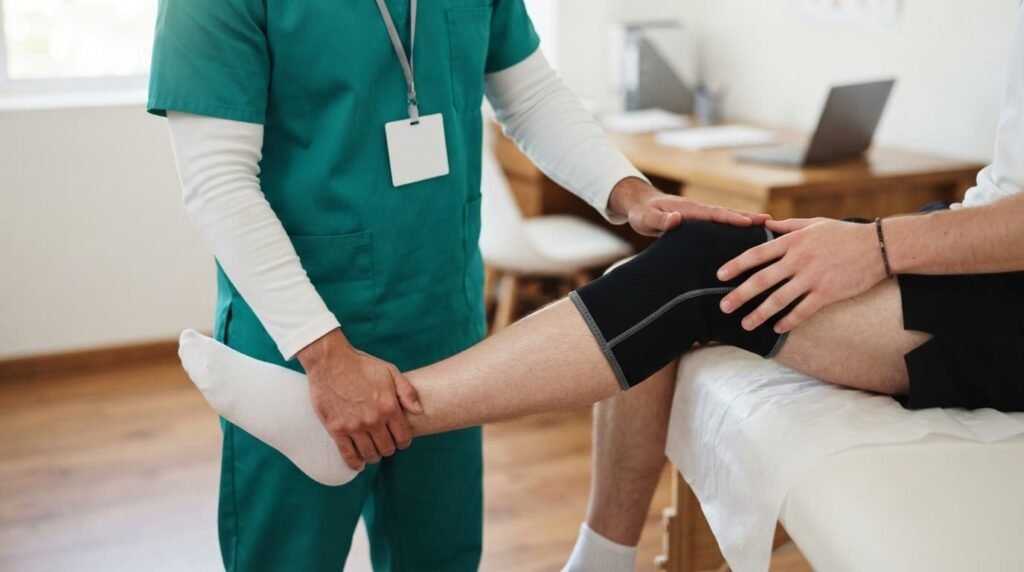
Orthopaedics covers bones, joints, ligaments, tendons and muscles. Knee pain is a frequent reason for orthopaedic referral. The knee follows the same stepped pathway described above, from exercise to injection therapy.
Reviewing the Decision Over Time
Treatment plans are not fixed. Symptoms, activity levels and joint condition change, so scheduled reviews keep the plan relevant. A review checks pain, walking distance, stairs, sleep and medication use.
Self-management between appointments
Daily habits keep the plan working between reviews. Heat eases morning stiffness for many patients, while cold packs suit swollen joints after activity. Sleep position matters too, and a pillow between the knees can reduce night discomfort. Pacing activity across the day prevents the cycle of overdoing it and then resting completely.
Realistic timelines
Timelines differ between treatments. Exercise programmes build slowly, and weight changes take longer still. Injections vary from days to weeks before benefit appears. Setting review dates in advance prevents frustration and keeps expectations honest.
If a step has not helped after a fair trial, the next step or a different diagnosis is considered. Progress is measured against the original goal, not only against pain scores. Educational video content on arthritis and joint pain care is available on the Dr SNA Clinic YouTube channel.
FAQ
What are non-surgical orthopaedic treatments?
Non-surgical orthopaedic treatments manage bone, joint and soft tissue problems without an operation. They include exercise therapy, medication, braces, injections and lifestyle changes. The choice depends on diagnosis, severity and personal goals. A specialist assessment decides which steps are appropriate.
Can non-operative care delay knee replacement?
In many patients, yes. Exercise, weight management and suitable injections can reduce symptoms for long periods. They do not reverse cartilage loss, so surgery may still become necessary later. Regular review shows when that point is approaching.
How long should a treatment plan run before review?
Most plans need six to twelve weeks of consistent effort before a fair judgement. Earlier review is needed if symptoms worsen or new warning signs appear. Injections are judged over a shorter window, often several weeks. The review date is best agreed at the first appointment.
Are joint injections painful?
Local anaesthetic numbs the skin before the joint is entered. Most patients describe pressure rather than sharp pain. Soreness for a day or two afterwards is common.
Is rest the best treatment for joint pain?
Short rest helps an acutely irritated joint. Long rest weakens muscle and stiffens the joint further. Most conditions improve faster with reduced but continued movement.
Do supplements help osteoarthritis?
Evidence for glucosamine and similar supplements is limited. NICE guidance does not recommend glucosamine for osteoarthritis. Fish oil and vitamin D are sometimes used for general health. Supplements should never replace exercise or specialist assessment.
Can several painful joints be treated at the same time?
Yes, in most cases. Exercise, weight management and pacing benefit every weight-bearing joint together. Injections are usually planned joint by joint according to the worst symptoms. A specialist prioritises the joint that limits daily life most.
Does a normal scan mean the pain is not real?
No. Scans show structure rather than pain. Some patients have pain with modest imaging changes because of muscle weakness, tendon irritation or referred pain. Treatment then targets function rather than the image.
What questions are worth asking at a consultation?
Useful questions cover the diagnosis, the expected timeline and the criteria for changing the plan. Asking about alternatives shows what happens if the first option fails. Questions about recovery demands help with work planning.
Non-surgical orthopaedic treatments succeed when the diagnosis is clear, and the goal is defined. Exercise remains the base, and injections extend that base when progress stalls. Stage, general health and personal goals decide how far each step should go. Surgery stays available once well-delivered care no longer controls symptoms, and regular review keeps the plan matched to the joint.
Assessment with Mr Syed Nadeem Abbas, a specialist in non-surgical knee and joint pain care, helps match treatment to symptoms.
Read more: Top Mistakes After Knee Replacement Often Go Unnoticed Until Too Late
Read more: Cysts Behind the Knee Can Signal Several Different Joint Conditions