Top Mistakes After Knee Replacement Often Go Unnoticed Until Too Late

✅ Medically reviewed | Updated september 2026
Top mistakes after knee replacement often turn a promising surgery into a frustrating recovery. Around 100,000 knee replacements take place across the UK each year, according to National Joint Registry figures. Most patients regain strength and mobility within months. Others struggle for much longer, usually because of avoidable errors during healing. A handful of small decisions in the weeks after surgery can determine whether recovery feels smooth or genuinely painful. Understanding the top mistakes after knee replacement helps protect the new joint. It can also speed your return to daily life.
Skipping Physical Therapy And Rehabilitation Exercises
Neglecting physical therapy knee replacement patients receive is one of the most damaging mistakes to avoid after knee replacement surgery. Rehabilitation exercises restore strength, flexibility, and range of motion in the new joint. Skipping physical therapy after knee replacement allows scar tissue to build up around the joint capsule. This scar tissue causes stiffness that becomes harder to reverse over time.
Post-surgery knee exercises are usually gentle at first. A physiotherapist gradually increases intensity as healing progresses. Consistency matters far more than intensity during the early weeks. Missing even a few sessions can slow overall knee replacement rehabilitation considerably. Patients who commit to their prescribed routine generally regain independence sooner.
Pain during early sessions feels uncomfortable but rarely signals damage. Genuine warning signs include sharp pain, joint instability, or sudden swelling. A physiotherapist or surgical team should be contacted promptly if any of these appear.
This particular error sits high on almost every list of top mistakes after knee replacement. Its effects tend to build up gradually rather than appear overnight. A patient may feel fine skipping one session, then notice stiffness creeping in weeks later. By that stage, catching up on lost progress takes considerably more effort than staying consistent from the start. Consistent attendance, week after week, remains the single most reliable predictor of a smooth outcome.
Overdoing Exercise Too Soon After Surgery
Overdoing exercise after knee replacement causes just as many problems as avoiding it altogether. Too much activity after knee replacement places excess strain on tissue that has not yet healed. High-impact movement, heavy lifting, or long walks too early can trigger swelling and setbacks.
Knee stiffness after replacement surgery sometimes results from overexertion rather than inactivity. The joint reacts to strain with inflammation, which then restricts movement further. Balancing rest with movement protects the implant far better than pushing through pain.
A structured plan set by the surgical team should guide every stage of activity. Gradual progression from gentle stretches to short walks reduces injury risk. Jumping ahead of this schedule rarely speeds up healing and often reverses progress instead.
Enthusiasm after surgery is understandable, especially once pain begins to ease. This same enthusiasm, however, often pushes patients toward overexertion. A cautious, staged return to normal activity protects the implant far better than ambition alone. Patience during these early weeks pays off considerably later in recovery.
Neglecting Wound Care And Signs Of Infection
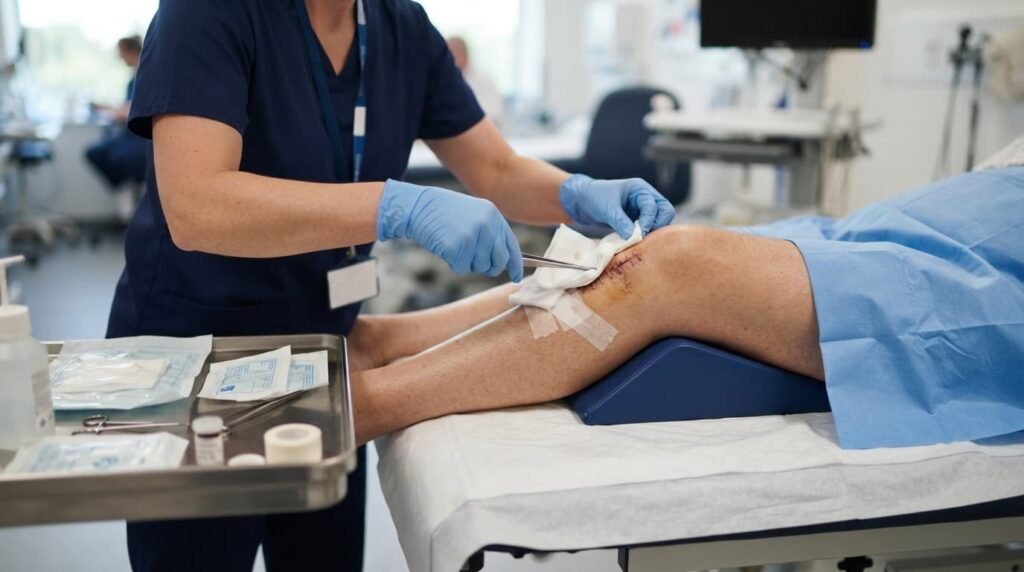
Wound care after knee replacement plays a direct role in preventing complications. The surgical incision typically measures between eight and ten inches. Bandages usually remain in place for two to three weeks following the operation. Daily cleaning and dressing changes, following the surgical team’s instructions, reduce infection risk considerably.
Showering after knee replacement surgery is generally possible within two to three days. Water should never be scrubbed directly onto the incision during this period. Baths, pools, and hot tubs should wait until the wound has fully closed, usually around four weeks.
Signs of infection after knee replacement include spreading redness, unusual warmth, fever, or discharge from the wound. Any of these symptoms warrants an urgent call to the surgical team rather than a wait-and-see approach. Early treatment prevents a minor issue from becoming a serious complication.
Wound neglect rarely happens deliberately. Most patients simply feel eager to move past the surgical stage and forget the ongoing attention the incision still needs. Treating wound care as seriously as rehabilitation exercises avoids one of the more physically damaging top mistakes after knee replacement.
Ignoring Diet And Nutrition During Recovery
Diet after knee replacement surgery has a measurable effect on healing speed. The body needs adequate protein, calcium, and vitamin D to rebuild tissue and bone strength. Fibre-rich foods also help counter the reduced mobility that often causes digestive sluggishness.
Sugary, heavily processed, or alcoholic foods and drinks slow the healing process. These choices strain digestion at a time when the body needs energy directed elsewhere. Hydration deserves equal attention, since water supports circulation and tissue repair throughout recovery.
A dietitian can tailor recommendations around age, build, and existing medical conditions. Small, consistent nutritional choices often matter more than any single dramatic change. Patients who eat well typically report smoother, faster progress through rehabilitation.
Nutrition rarely receives the same attention as exercise or wound care during recovery conversations. Yet poor eating habits belong firmly among the top mistakes after knee replacement. The body simply cannot rebuild tissue on empty reserves. A well-stocked kitchen matters just as much as a well-planned exercise routine.

Avoiding Proper Pain Management
Pain management after knee replacement is not something to endure silently.
Why Prescribed Medication Matters
Prescribed medication controls inflammation and allows patients to engage properly with rehabilitation exercises. Avoiding medication out of fear or stubbornness often backfires, making movement far more difficult.
How Untreated Pain Affects Healing
Untreated pain frequently disrupts sleep, which then slows the entire healing process. Poor sleep reduces the body’s capacity to repair tissue and manage inflammation effectively. Communicating openly with the surgical team about pain levels leads to better outcomes overall.
When Pain Signals A Bigger Problem
Persistent or worsening pain after the first few days should never be dismissed as normal. This pattern sometimes signals swelling, infection, or another complication requiring prompt review.
Building A Structured Pain Plan
A structured pain plan, agreed with the surgical team before discharge, removes much of the guesswork. Knowing exactly when and how to adjust medication reduces anxiety during an already difficult stretch of recovery.
Becoming Too Sedentary Between Sessions
Sedentary behaviour after knee surgery raises the risk of blood clots and prolonged stiffness. Sitting for long stretches without moving reduces circulation in the legs significantly. Early mobilisation after knee surgery, even gentle movement around the house, keeps blood flowing properly.
Alternating between rest and light activity throughout the day supports steady healing. Extended immobility, ironically, often causes more pain than careful, gradual movement does. Short, frequent walks tend to outperform long periods of complete rest.
Compression stockings or prescribed blood-thinning medication may also feature in a recovery plan. Following this guidance closely reduces the chance of clot-related complications considerably.
Excessive rest feels safe, which is precisely why it appears so often among the top mistakes after knee replacement. Movement, not stillness, drives circulation and tissue repair during the healing window.
How Long Does Knee Replacement Recovery Actually Take
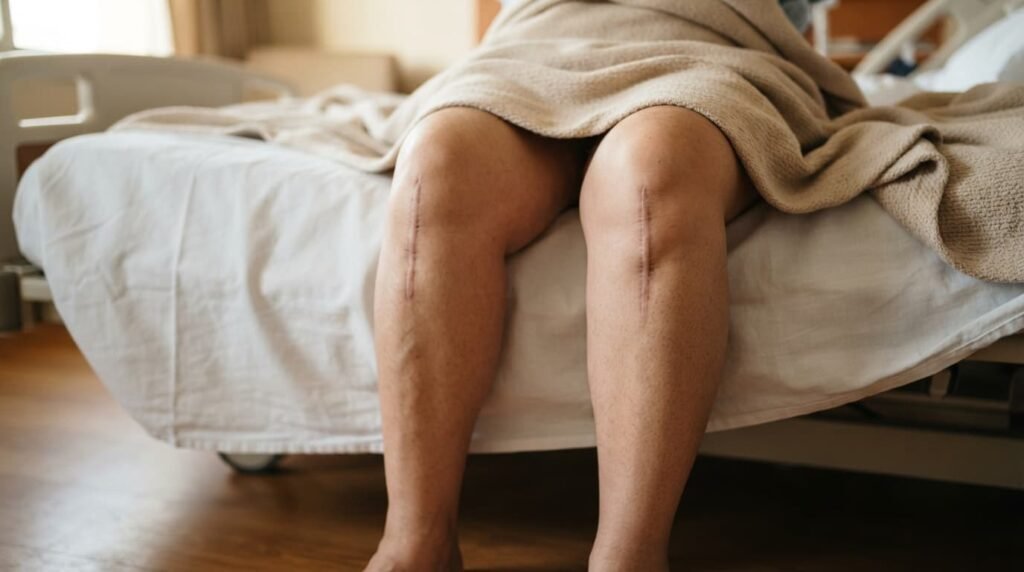
Knee replacement recovery time varies from person to person, though general patterns exist. Most patients return to light daily activity within three to six months following surgery. Full knee replacement surgery recovery, including higher-impact activity, can take closer to a year.
How long it takes to recover from knee replacement depends heavily on age, fitness, and commitment to rehabilitation. Younger, more active patients often progress faster than those with additional health conditions. The knee replacement recovery timeline typically starts with early mobility work. Strength training follows, then a gradual return to normal routines.
Patience during this process matters considerably. Rushing the timeline rarely produces a better outcome and often creates new setbacks instead. Realistic expectations reduce frustration and support steadier long-term progress.
The Role Of Convalescent Care And Aftercare Support
Knee replacement aftercare extends well beyond the hospital discharge date. Convalescent care after knee replacement offers structured support during the most demanding early weeks. Trained staff assist with medication schedules, wound checks, and therapy attendance during this period.
This kind of support smooths the transition from hospital to independent living. Many patients feel overwhelmed managing rehabilitation exercises, diet, and wound care simultaneously at home. Professional aftercare removes much of that pressure during a vulnerable stage of healing.
Several knee replacement rehabilitation tips apply regardless of where recovery takes place. Keeping a simple daily log of pain levels, exercises completed, and wound condition helps track progress. Sharing this log with the surgical team during follow-up appointments supports better decision-making. These knee replacement recovery tips work best when applied consistently rather than occasionally.
Families supporting a loved one through recovery often underestimate the workload involved. Coordinating appointments, meals, and medication alongside physiotherapy homework becomes demanding fast. Professional convalescent support fills these gaps without placing extra strain on family members already stretched thin.
Knee Replacement Precautions Worth Remembering
Several knee replacement precautions reduce the risk of complications during recovery:
- Avoid high-impact activity such as running or jumping until cleared by the surgical team
- Keep the incision clean and dry throughout the healing period
- Attend every scheduled physiotherapy session, even when progress feels slow
- Take prescribed medication as directed rather than skipping doses
- Report fever, spreading redness, or worsening pain without delay
Things to avoid after knee replacement generally fall into two categories: doing too little and doing too much. Both extremes carry genuine risk to the new joint. Mistakes to avoid after knee replacement surgery almost always trace back to ignoring professional guidance in favour of guesswork.
Reviewing this checklist regularly during the first few months keeps most complications at bay. A short daily habit of checking pain, wound condition, and exercise progress catches problems early.
When Non-Surgical Options Deserve Consideration First
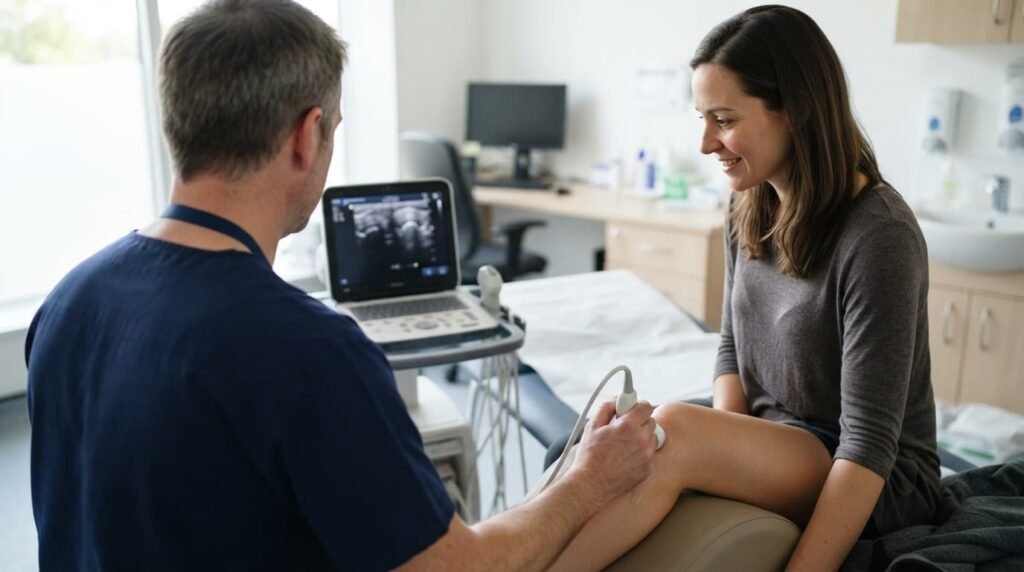
Not every painful knee reaches the point of needing replacement surgery. Conditions such as osteoarthritis sometimes respond well to non-surgical joint injections before surgery becomes necessary. Arthrosamid injections have shown strong success rates for suitable knee osteoarthritis patients seeking to delay or avoid surgery.
Hydrogel-based treatments work differently from surgical replacement, cushioning the joint rather than replacing it entirely. A closer look at how hydrogel injections work inside the knee joint explains this mechanism further. A video on the DrSNAClinic YouTube channel demonstrates the non-surgical Arthrosamid injection procedure performed in clinic.
Exploring these options with a specialist before committing to surgery can sometimes change the entire treatment path. A consultation helps determine whether injection-based treatment suits a particular case.
Frequently Asked Questions
What are the most common mistakes to avoid after knee replacement surgery?
Skipping physical therapy, overdoing activity too soon, and neglecting wound care rank among the most common mistakes. Poor diet choices and avoiding pain medication also slow recovery considerably. Addressing each of these areas early supports a smoother healing process overall.
How long does knee replacement recovery time typically take?
Most patients resume light daily activities within three to six months after surgery. Full recovery, including higher-impact movement, can take closer to a year. Age, fitness level, and rehabilitation commitment all influence this timeline.
What signs of infection after knee replacement should never be ignored?
Spreading redness, unusual warmth, fever, and discharge from the wound all warrant urgent attention. These symptoms suggest infection may be developing around the surgical site. Prompt contact with the surgical team prevents minor issues from becoming serious complications.
Is showering after knee replacement surgery safe straight away?
Showering is usually possible within two to three days following surgery. Direct water and scrubbing on the incision should still be avoided during this period. Baths, pools, and hot tubs should wait until the wound has fully healed.
Why does sedentary behaviour after knee surgery cause problems?
Prolonged sitting reduces circulation and raises the risk of blood clots. Sedentary behaviour after knee surgery also contributes to ongoing joint stiffness. Short, frequent movement throughout the day supports healthier circulation and steadier healing.
What role does convalescent care after knee replacement play in recovery?
Convalescent care after knee replacement provides structured support during the demanding early weeks of healing. Trained staff assist with medication, wound checks, and attendance at therapy sessions. This support often eases the transition from hospital to independent living.
Recovery after knee surgery depends far more on daily choices than most patients expect. Avoiding the top mistakes after knee replacement protects the joint and supports a faster, steadier return to normal life. Mr Syed Nadeem Abbas is a consultant specialising in knee conditions and non-surgical joint treatment.
Read more: Knee Inflammation Often Causes Persistent Knee Pain and Swelling
Read more: Arthrosamid Injection Success Rate Explained for UK Knee Osteoarthritis Patients