Knee Aspiration Removes Fluid to Ease a Swollen and Painful Knee

✅ Medically reviewed | Updated september 2026
Knee aspiration is a short clinical procedure that removes excess fluid from a swollen joint. An estimated 5.4 million people in the UK live with knee osteoarthritis. Joint swelling ranks among their most frequent complaints. A swollen knee often feels tight, heavy, and difficult to bend fully. Fluid trapped inside the joint capsule creates pressure that limits movement. Everyday tasks such as climbing stairs or standing from a chair become genuinely difficult. Removing this fluid brings rapid relief and helps identify exactly what caused the swelling in the first place.
What Is Knee Aspiration?
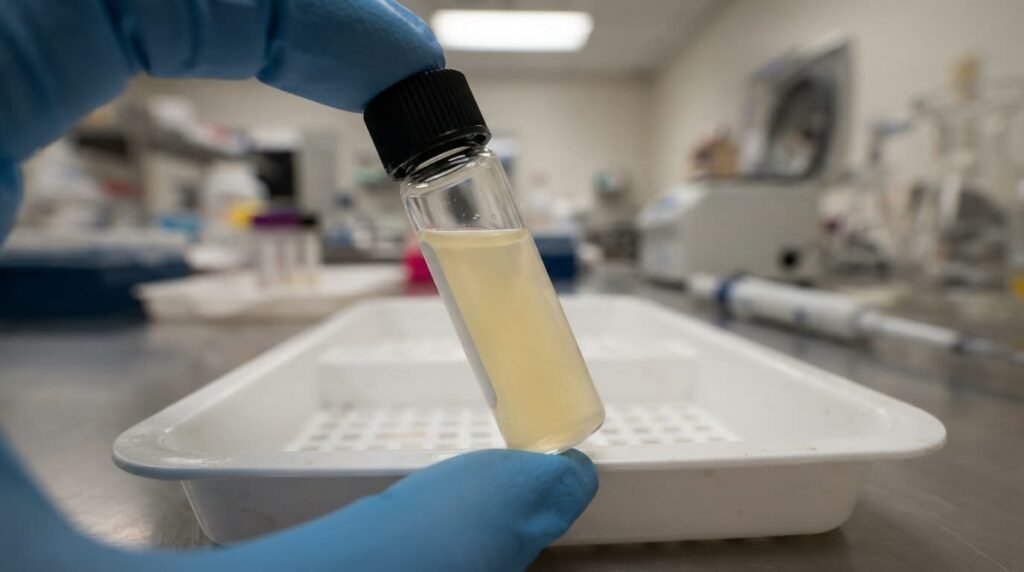
The clinical name for this process is arthrocentesis, a word built from Greek terms meaning joint and puncture. A thin needle passes through the skin into the joint space. A syringe then draws the excess fluid out slowly and steadily.
Healthy knees hold only a small amount of synovial fluid, usually a teaspoon or two at most. This fluid lubricates the joint surfaces and reduces friction between the bones during movement. When the joint becomes irritated or injured, the lining tissue produces far more fluid than the joint actually needs.
Knee Arthrocentesis Explained
Arthrocentesis is not limited to the knee. Clinicians can treat shoulders, ankles, and elbows the same way. The knee remains the joint most commonly affected because it bears weight with every step taken. A joint that will not fully straighten is often the clearest outward sign of trouble. Fluid has typically built up inside the capsule by this stage. Patients frequently describe the sensation as tightness rather than sharp pain at this point.
Who Should Consider This Procedure
Anyone with a knee that feels visibly swollen, tight, or difficult to bend is a reasonable candidate for assessment. People with sudden swelling following an injury benefit particularly from the diagnostic side of the process. Those with long-standing arthritis who experience repeated flares of fullness in the joint often find real value too. A GP or specialist can confirm suitability during an initial consultation. Certain situations may delay the procedure until resolved. Active skin infection over the knee or an unstable clotting disorder are two examples.
What Causes Water on the Knee?
Water on the knee describes fluid collecting inside or around the joint, a condition doctors call an effusion. Several distinct conditions can lead to this build-up, and identifying the exact cause shapes every decision made afterwards.
Fluid on the Knee Causes
Common fluid on the knee causes include several everyday and clinical factors:
- Osteoarthritis and general wear affecting the joint surfaces over time
- A twisting injury damaging ligaments, meniscus cartilage, or supporting tissue
- Gout or pseudogout, both caused by crystal deposits inside the joint
- Bacterial infection introduced into the joint space
- Repetitive overuse from kneeling, running, or contact sport
Each underlying cause produces a slightly different type of fluid, which explains why laboratory testing carries so much diagnostic weight.
Knee Effusion Compared With Normal Swelling
A mild knee effusion may settle on its own with rest, ice, and gentle elevation. Larger or repeatedly recurring swelling usually calls for a proper clinical assessment instead. Persistent fullness around the kneecap lasting beyond a few days should never simply be ignored. This kind of swelling often signals an underlying condition that genuinely needs treatment.
Diagnostic Value: What the Fluid Reveals
The knee aspiration procedure serves two distinct purposes within a single visit: diagnosis and immediate relief. A consultant can often answer the question of what is wrong while easing the pressure causing pain, all within minutes.
Diagnostic Value: What the Fluid Reveals
Laboratory analysis of the withdrawn fluid identifies several conditions with real accuracy. A raised white blood cell count paired with a positive culture confirms septic arthritis, a situation needing urgent surgical attention. Uric acid crystals under the microscope confirm gout, while calcium pyrophosphate crystals point to pseudogout instead. Blood present in the sample suggests ligament damage, a cartilage tear, or a fracture following recent trauma. Inflammatory markers help separate ordinary wear-and-tear arthritis from rheumatoid or other inflammatory forms of joint disease.
Knee Joint Fluid Colour Meanings
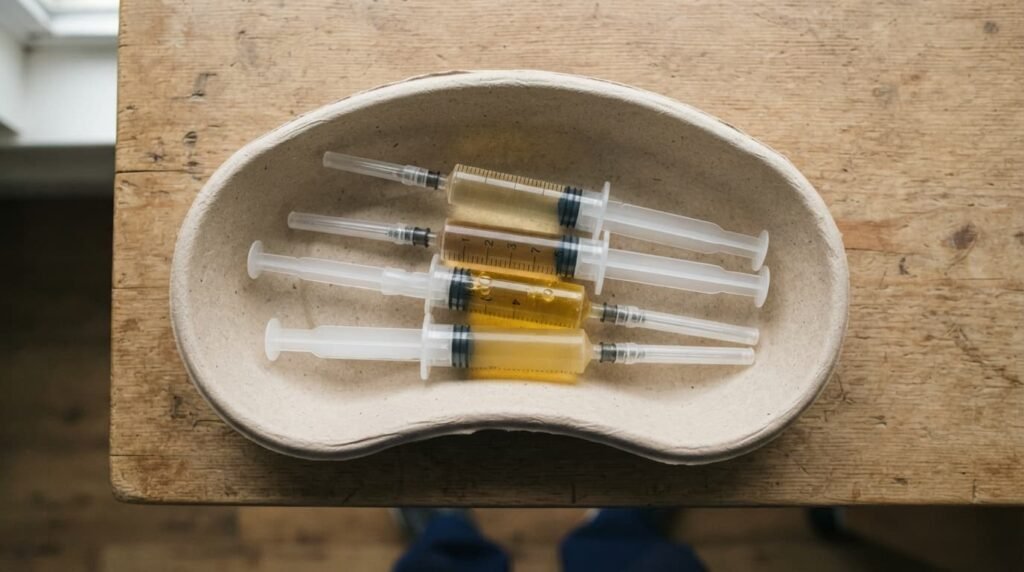
Knee joint fluid colour offers doctors an immediate clue long before laboratory results arrive. Clear, pale yellow fluid that feels thick and slippery typically points to normal or mildly irritated joint tissue. Cloudy yellow fluid often signals active inflammation, commonly linked to gout or an inflammatory arthritis flare. Thick, opaque, or pus-like fluid raises immediate suspicion of infection, and clinicians send it for urgent testing. Bright red fluid usually suggests recent bleeding inside the joint, often following a twisting injury or a fall.
Preparing for the Appointment
Very little preparation is required before a scheduled appointment of this kind. Loose-fitting trousers or shorts make examining and accessing the knee considerably easier for the clinician. Bringing a list of current medications helps the clinician assess bleeding risk accurately beforehand. Patients taking blood-thinning medication should mention this clearly during booking rather than waiting until arrival. Arranging a lift home is sensible if the knee feels unstable. Most patients, however, can drive themselves without any real difficulty.
How Is Knee Fluid Drainage Carried Out?
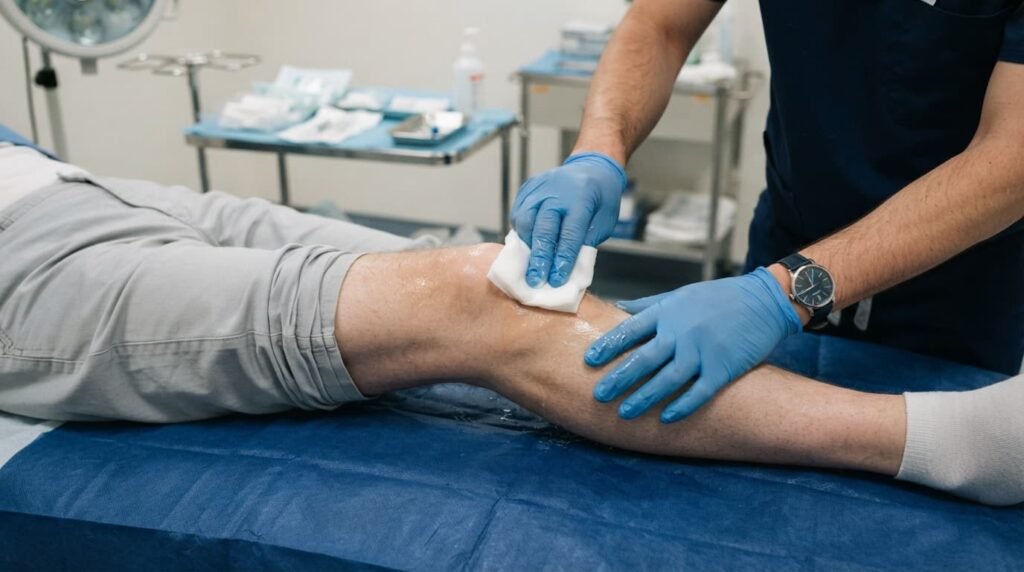
Clinicians complete knee fluid drainage in a clinic setting within roughly ten minutes. Patients need no special preparation beforehand. Most patients walk in and out on the same visit.
Step-by-Step Procedure
The following sequence describes what typically happens during an appointment:
- The patient lies back with the affected knee slightly bent or supported on a small roll
- The clinician identifies bony landmarks around the kneecap and marks them on the skin.
- A local anaesthetic numbs the skin and deeper tissue before the main needle enters
- A needle attached to a syringe draws the excess fluid out slowly and steadily
- A corticosteroid injection may follow through the same needle if clinically appropriate
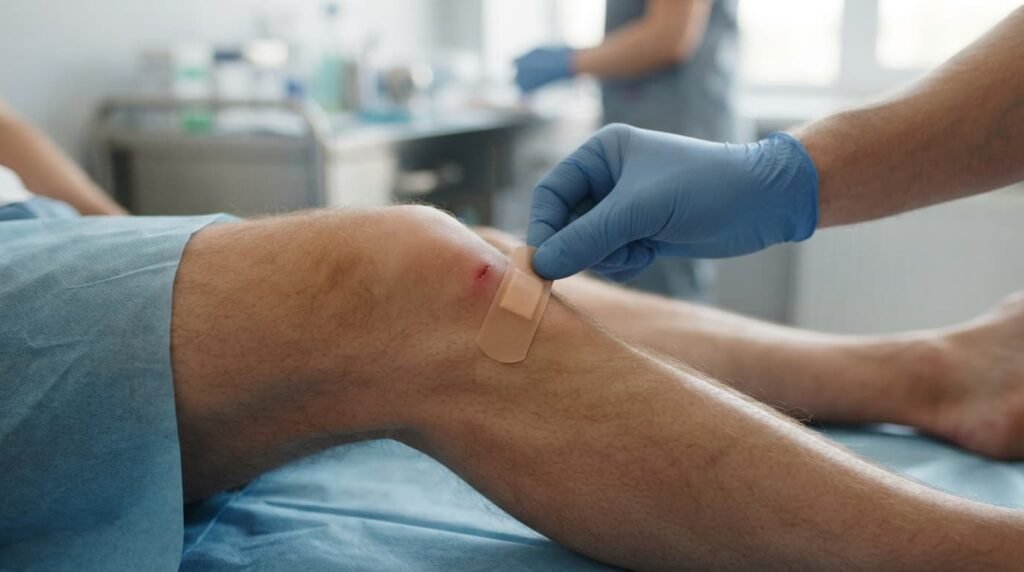
- A small adhesive dressing is applied, and the patient can leave shortly afterwards
Ultrasound guidance sometimes helps when swelling is small or difficult to feel by hand. For an obvious, large effusion, surface landmarks alone are usually reliable enough.
Does It Hurt?
Most patients describe brief stinging from the anaesthetic, followed by pressure rather than sharp pain. Many notice the tightness easing noticeably as the syringe steadily fills with fluid. Relief often begins before the short appointment has even finished. The overall experience tends to feel far less unpleasant than most patients originally expect.
Knee Aspiration Recovery
Knee aspiration recovery is usually quick and requires very little downtime afterwards. Mild soreness at the needle site is common for a day or two following the appointment.
Aftercare and When to Seek Help
Keeping the small dressing clean and dry for the first 24 hours reduces the risk of infection. Ice packs applied gently help manage any soreness during the first day at home. A clinician should be contacted promptly if any of the following develop:
- A fever or chills appearing after the appointment
- Pain that grows worse rather than better after the first day
- Spreading redness, unusual warmth, or new swelling around the knee
- Fluid or blood continuing to leak from the small puncture site
These symptoms remain uncommon overall, though they need prompt attention rather than being watched over a weekend.
Knee Aspiration Risks
Serious complications remain genuinely rare, though every invasive procedure carries some level of risk. Infection is the most important concern, though strict sterile technique keeps this outcome uncommon in practice. Minor bruising and temporary soreness at the injection site are far more typical than any serious complication. A brief flare of pain and swelling sometimes follows a steroid injection. This usually settles within a few days without any further treatment. A dry tap occasionally occurs when the swelling actually sits outside the joint capsule rather than inside it. Blood-thinning medication is a common worry among patients, though it rarely prevents the procedure from going ahead safely. Anyone with concerns about a specific medication should raise this directly during the initial consultation.
Comparing Aspiration With a Cortisone Injection
This comparison is a frequent question patients raise during consultation. Removing fluid reduces pressure and restores movement almost immediately after the appointment. A cortisone injection instead calms inflammation within the joint, helping prevent fluid from quickly returning. The two approaches are often combined during a single visit for longer-lasting comfort overall. Draining fluid alone treats the immediate symptom, while adding a corticosteroid targets the deeper inflammatory process driving the swelling.
Water on the Knee Treatment Options
Treatment for this type of swelling extends well beyond a single drainage session at the clinic. Addressing the underlying root cause prevents repeated swelling and repeated appointments over time.
Swollen Knee Treatment Beyond Drainage
Effective swollen knee treatment often combines several complementary approaches:
- Structured physiotherapy to strengthen the muscles supporting the joint
- Gradual weight management to reduce overall loading on the knee
- Targeted medication for gout or other inflammatory arthritis conditions
- Hyaluronic acid or Arthrosamid injection-type joint injections for lasting cushioning support
A visual walkthrough of these non-surgical treatment options is available on the DrSNAClinic YouTube channel. The videos there cover injection-based approaches used for persistent joint swelling and pain.
When Swelling Signals Something More Serious
A septic knee represents a genuine emergency, marked by intense pain, noticeable warmth, and fever alongside rapid swelling. Urgent surgical washout becomes necessary once infection inside the joint has been confirmed through testing. Gout knee fluid typically appears cloudy and contains sharp uric acid crystals visible clearly under a microscope. Both conditions can be identified rapidly through the same fluid-drawing and laboratory analysis process described earlier in this guide.
Fluid Keeps Coming Back: What It Usually Means
Repeated swelling after treatment generally means the underlying diagnosis remains active and untreated. Draining the same joint again and again without addressing the cause offers only temporary comfort each time. Persistent effusion linked to ongoing arthritis may call for a structured joint injection programme rather than repeated drainage sessions. Recurrent swelling following a twisting injury often points to cartilage or ligament damage needing further imaging and specialist review.
Knee Aspiration Access: NHS or Private Care
A knee aspiration NHS referral can involve longer waiting times, particularly when swelling is not considered a medical emergency. Some GP surgeries have a clinician trained in knee joint injection therapy who can perform the procedure directly. Referral to an orthopaedic specialist is another route, though waiting lists for non-urgent cases can extend considerably. A private knee aspiration appointment often allows same-week assessment, which suits patients keen to avoid prolonged discomfort.
Why the Procedure Is Worth Considering
This short procedure offers several clear benefits within a single brief appointment. Joint pressure and pain typically ease almost immediately once excess fluid has been removed. Diagnostic clarity follows quickly through laboratory analysis of the withdrawn sample. Range of motion often improves noticeably soon after the appointment concludes. The results also form a practical foundation for choosing the right follow-up treatment plan going forward. Many patients also gain reassurance simply from finally understanding why the knee had been swelling.
FAQs
How long does the procedure take?
The appointment typically takes around ten minutes from start to finish overall. Cleaning and numbing the skin account for most of that time. Drawing the fluid itself often takes under a minute to complete. Patients can usually leave shortly afterwards without any extended recovery period.
Is it normal for a swollen knee to return after drainage?
Yes, fluid returning afterwards is common when the underlying cause remains active. The process treats the symptom rather than the condition producing it in the first place. Ongoing arthritis or an untreated injury will simply continue producing excess fluid. Addressing the root cause directly reduces the overall chance of recurrence.
Does draining fluid from the knee cause any long-term damage?
No, removing joint fluid does not weaken the knee or damage the cartilage. The joint only refills if the underlying inflammation or injury continues unresolved. The process also carries genuine diagnostic value well beyond simple symptom relief. Laboratory testing of the sample can confirm infection, gout, or internal bleeding.
What does cloudy fluid from the knee usually mean?
Cloudy fluid generally points to active inflammation or an underlying gout flare. Thick, pus-like fluid raises concern for infection and needs urgent laboratory testing. Clear, pale yellow fluid is typically normal or indicates only mild irritation. Colour offers an early clue while formal laboratory results remain pending.
Can the procedure be combined with a steroid injection?
Yes, a corticosteroid injection often follows fluid removal through the very same needle. This combination reduces inflammation effectively once the excess fluid has been withdrawn. Many patients experience noticeably longer-lasting relief with this combined approach overall. The final decision depends heavily on the underlying cause identified during assessment.
What should be avoided immediately after the appointment?
Heavy activity and prolonged standing are best avoided for the remainder of the day. Keeping the small dressing clean and dry helps reduce the risk of infection. Driving is usually possible unless sedation or significant discomfort makes this unsafe. Following any specific aftercare advice given by the treating clinician remains important throughout recovery.
How many times can a knee be aspirated safely?
There is no fixed universal limit, though repeated sessions without treating the cause raise concern. Frequent steroid injections into the same joint carry a small risk of tissue damage over time. Clinicians generally look for the underlying reason once swelling returns more than once or twice. A personalised long-term plan usually replaces repeated drainage as the main strategy.
This procedure relieves pressure quickly and reveals the underlying cause of swelling within one short appointment. Recovery is generally straightforward, though recurring fluid signals that further treatment is genuinely needed. Understanding the drained fluid, from its colour through to laboratory results, guides the right next step. Mr Syed Nadeem Abbas is a consultant specialising in knee conditions. He assesses swelling and recommends appropriate joint injection therapy where needed.
Read more: Arthrosamid Injection Success Rate Explained for UK Knee Osteoarthritis Patients
Read more: How Hydrogel Injection for Knee Osteoarthritis Works Inside the Knee Joint