PCOS and Joint Pain Are More Connected Than Most Women Realise

PCOS and joint pain are connected through chronic inflammation, insulin resistance, and the hormonal shifts the condition causes a link that rarely gets the attention it deserves. Polycystic Ovary Syndrome already carries a long list of symptoms — irregular periods, acne, weight changes, fertility struggles — so it’s no surprise joint discomfort gets buried somewhere near the bottom of that list, if it gets mentioned at all.
Plenty of women living with this condition report stiff knees in the morning, aching hips after a long day, or a dull soreness in the hands that seems to come from nowhere. PCOS pain symptoms can also include general muscle soreness alongside joint discomfort, which makes the whole experience feel heavier than a single ache. The discomfort is real, even when it doesn’t show up in a standard symptom checklist.
Does PCOS Cause Joint Pain?
Not in the way doctors define a “core symptom.” Joint pain is not part of the standard diagnostic criteria for Polycystic Ovary Syndrome, which means a doctor won’t list it alongside irregular cycles or excess androgens when confirming a diagnosis.
That said, the absence of a formal listing doesn’t mean the link is imaginary. Research increasingly points to an indirect relationship, largely driven by the same underlying factors that define the condition: chronic inflammation, insulin resistance, and metabolic disruption. Several studies have found a noticeably higher rate of osteoarthritis among women with this hormonal disorder compared to age-matched peers without it. That gap suggests something beyond coincidence is happening beneath the surface, even if science hasn’t pinned down every detail yet.
Why Does PCOS Lead to Joint Pain?
Several overlapping mechanisms appear to drive joint discomfort in this population. None of them act alone — they tend to stack on top of each other, which is partly why the discomfort can feel so persistent.
Chronic Inflammation Behind PCOS Joint Pain
Low-grade, long-term inflammation is one of the most consistent findings in PCOS research, and it sits at the centre of most explanations for PCOS and joint pain. Blood markers like C-reactive protein tend to run higher in affected women, signalling that the immune system is in a near-constant state of low-level activation.

Inflammation doesn’t stay contained to one area. It circulates through soft tissue and joint linings, gradually making them more sensitive. Over months or years, this steady background inflammation can translate into stiffness that flares without an obvious trigger — a pattern many women associate with PCOS inflammation joint pain rather than a separate diagnosis. PCOS muscle pain often travels alongside this joint stiffness, since inflamed tissue rarely stays confined to the joint capsule alone. This overlap is part of why some women start wondering about a deeper connection between PCOS and arthritis long before any formal diagnosis enters the conversation.
Insulin Resistance and Joint Discomfort
A majority of women with this condition also deal with insulin resistance, where cells stop responding efficiently to insulin, and the body compensates by producing more of it. Elevated insulin levels don’t just affect blood sugar — they’re linked to heightened inflammatory activity throughout the body.
Left unmanaged, this resistance can progress towards metabolic syndrome, a cluster of conditions already associated with joint degeneration. Anyone wondering about PCOS insulin resistance and joint pain is essentially looking at a chain reaction: resistance feeds inflammation, and inflammation feeds joint strain.
Weight Changes and Pressure on the Joints
Weight gain shows up frequently among women managing this hormonal disorder, often as a direct result of insulin and androgen imbalances. Even modest increases in body weight translate into outsized pressure on weight-bearing joints. Every extra kilogram carried adds roughly four kilograms of additional force on the knees during walking.
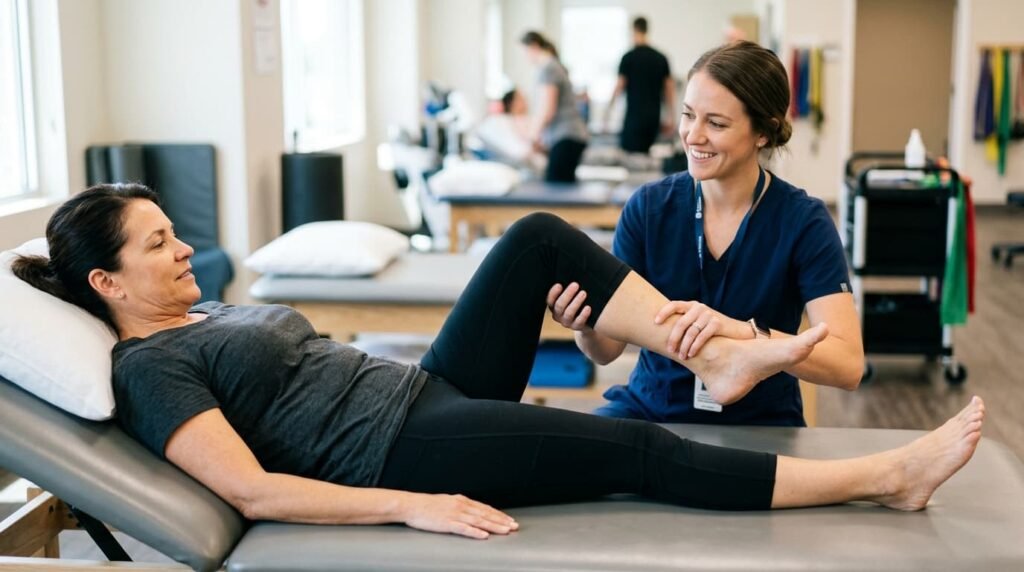
This mechanical strain compounds the inflammatory picture already at play. PCOS weight gain, joint pain isn’t purely about extra load — it’s extra load combined with tissue that’s already primed to react. Looking at PCOS weight and joint pain together makes the cause-and-effect chain easier to see: more weight means more force on cartilage that’s already dealing with a higher inflammatory baseline than average.
Hormonal Imbalance and Joint Health
Oestrogen plays a quiet but meaningful role in joint protection, helping maintain cartilage and regulating lubrication within the joint capsule. PCOS often disrupts the typical hormonal rhythm, shifting the balance towards higher androgens and, in some cases, lower functional oestrogen.
When that protective hormonal support weakens, cartilage may become more vulnerable to wear. This is one reason hormonal imbalance joint pain tends to surface or worsen as women approach midlife, when hormone shifts become more pronounced, regardless of PCOS status.
Related Conditions That Add to the Burden
PCOS rarely travels alone. It raises the likelihood of developing hypothyroidism, and an underactive thyroid is independently linked to muscle aches and joint stiffness. Some women also report overlapping symptoms with fibromyalgia, where widespread pain and fatigue compound whatever joint-specific discomfort already exists.
There’s ongoing discussion in medical circles about possible autoimmune connections as well, though PCOS autoimmune joint pain remains an area still being studied rather than a settled fact. PCOS fibromyalgia joint pain overlap deserves particular attention here, since fibromyalgia’s widespread tenderness can make it genuinely difficult to tell which symptoms trace back to PCOS and which belong to a separate condition entirely. What’s clear is that these associated conditions rarely improve joint comfort — they tend to add another layer to it.
Where PCOS Joint Pain Shows Up Most
Discomfort tends to concentrate in specific areas rather than spreading evenly across the body:
- Knees — among the most commonly affected joints, given how much weight-bearing stress they absorb. Can pcos cause knee pain specifically? Frequently, yes, especially alongside weight fluctuations.
- Hips — another major weight-bearing joint, often sore after standing or walking for extended periods. Pcos and hip pain frequently pairs with knee discomfort, since both joints share similar mechanical stress patterns.
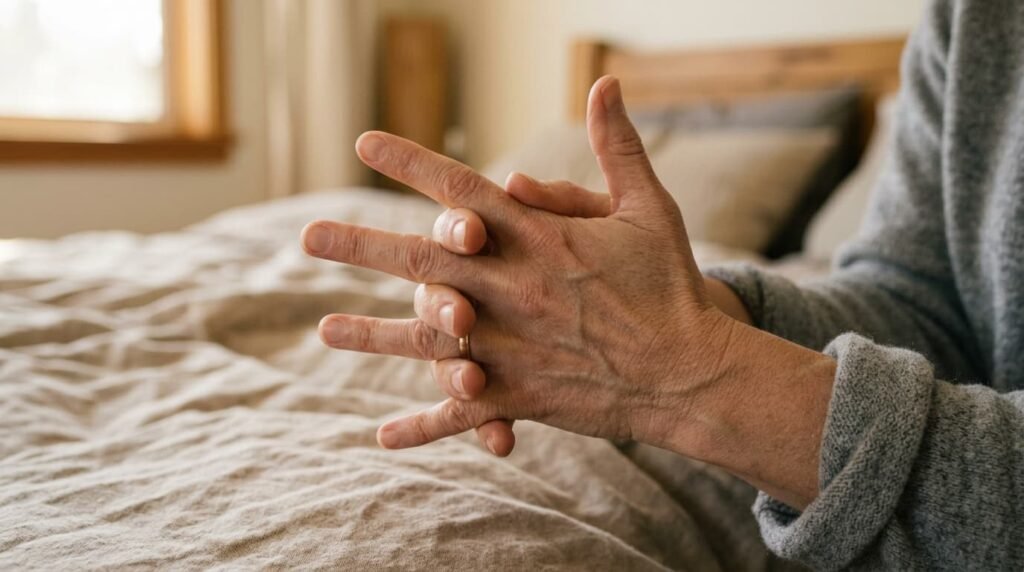
- Hands — smaller joints can stiffen or swell, sometimes mistaken for early arthritis. Together with the knees and hips, this pattern of pcos knee hip hand pain covers the three areas women report most often.
- Back — lower back discomfort is a common companion to pcos and back pain reports, particularly when posture shifts to compensate for hip or knee strain.
- Morning stiffness — many women describe pcos morning stiffness joints as the most noticeable pattern, with discomfort easing somewhat as the day progresses.
Swollen joints, warmth, or visible puffiness around a joint deserve closer attention, since PCOS and swollen joints can sometimes point towards an inflammatory process that benefits from medical evaluation rather than home management alone.
PCOS Joint Pain vs. Arthritis — Telling Them Apart
Confusion between these two is understandable, since symptoms overlap. A few distinctions help separate them.
Osteoarthritis
- Develops from cartilage breakdown over time, usually worsening with age and mechanical wear.
- PCOS and osteoarthritis research points to a meaningfully elevated risk in affected women, likely tied to the inflammatory and metabolic factors already discussed.
Rheumatoid Arthritis
- Autoimmune in nature — the immune system mistakenly attacks joint tissue.
- PCOS and rheumatoid arthritis don’t share a confirmed direct cause-and-effect relationship, though both conditions involve immune dysregulation, which keeps researchers curious about overlap.
Psoriatic Arthritis
- Follows a similar autoimmune pattern, often paired with skin symptoms.
- PCOS and psoriatic arthritis connections remain speculative at this stage, with no strong consensus yet.
The Practical Takeaway
- Joint pain tied to PCOS tends to ebb and flow with inflammation, weight, and hormone fluctuations.
- True arthritis typically follows its own independent progression that needs separate diagnosis and treatment.
- Tracking when discomfort worsens — after a heavy meal, a poor night’s sleep, or a stretch of inactivity — can offer useful clues about which category the pain falls into, though only a doctor can confirm a formal diagnosis through bloodwork or imaging.
Managing PCOS Joint Pain — What Actually Helps
PCOS joint pain management doesn’t require a single dramatic fix. Small, consistent adjustments tend to produce the most noticeable relief over time for anyone navigating PCOS and joint pain on a daily basis.
Anti-Inflammatory Eating for Joint Relief
A PCOS anti-inflammatory diet joint pain approach leans on whole foods — fatty fish, leafy greens, nuts, and olive oil while limiting ultra-processed snacks and added sugar. This pattern won’t reverse PCOS on its own, but it consistently shows up in research as a way to lower circulating inflammatory markers, which can translate into calmer, less reactive joints.
Low-Impact Exercise for Joint Support
Movement remains one of the more underrated tools here. Swimming, cycling, and yoga build mobility without hammering already-sensitive joints, and gentle strength training adds muscular support around the knees and hips. This combination addresses both the inflammatory side of the equation and the mechanical side, since stronger muscles absorb some of the load joints would otherwise bear alone.

PCOS exercise joint pain relief works best when intensity stays moderate and consistent rather than sporadic and intense. A short daily walk, paired with two or three strength sessions a week, tends to outperform occasional high-intensity workouts that can aggravate already-tender joints. Building the habit gradually also helps avoid the soreness that comes from doing too much, too soon.
Weight Management and Joint Pressure
Losing even five to ten per cent of body weight measurably reduces the force travelling through weight-bearing joints. PCOS weight loss, joint pain improvement is one of the more consistently reported outcomes among women who manage to shift their weight, even modestly, through sustainable dietary and activity changes rather than drastic short-term measures.
Supplements Worth Discussing With a Doctor
Several over-the-counter options come up repeatedly in PCOS supplements joint pain conversations:
- Omega-3 fatty acids, which may calm inflammatory activity (PCOS omega 3 joint pain)
- Turmeric, valued for its anti-inflammatory compound curcumin (PCOS turmeric joint inflammation)
- Glucosamine, sometimes used to support cartilage health (PCOS glucosamine joint supplement)
None of these replace medical care, and checking with a GP before starting any supplement avoids interactions with existing medications or conditions. Dosage matters too — more isn’t automatically better, and some supplements interact poorly with blood thinners or insulin-sensitising medications already prescribed for PCOS management.
Medical and Hormonal Treatment Options
For some women, addressing the underlying hormonal and metabolic picture brings the most relief. Insulin-sensitising medications like metformin are commonly prescribed for PCOS, and PCOS metformin joint pain improvement has been informally reported by some patients as insulin levels stabilise, though this isn’t a guaranteed or universal effect. Hormonal treatments aimed at rebalancing androgen levels may also indirectly ease joint symptoms by addressing one of the root contributors.
When Joint Pain Needs a Doctor’s Attention
Most PCOS-related joint discomfort responds reasonably well to the lifestyle adjustments above. Still, certain signs warrant a proper medical evaluation rather than continued self-management:

- Pain lasting longer than a few weeks without improvement
- Visible swelling, redness, or warmth around a joint
- Stiffness or pain severe enough to limit daily activities
- Symptoms that feel disproportionate to the activity level
A specialist can determine whether discomfort traces back to PCOS-related factors or signals something separate, like early arthritis or another musculoskeletal condition. Treating PCOS chronic pain as something to simply tolerate often delays care that could meaningfully improve quality of life. Bloodwork checking inflammatory markers, combined with a physical assessment of the affected joints, usually gives a clearer picture than guesswork alone, and it removes the uncertainty of wondering whether discomfort is “just PCOS” or something that needs a different treatment path entirely.
What to Track Before Seeing a Doctor
A short symptom log, kept for even two or three weeks, makes a doctor’s visit far more productive than trying to recall vague impressions on the spot. Tracking PCOS pain symptoms this way turns a fuzzy complaint into something concrete a doctor can actually act on. A few details are worth noting each time discomfort flares:
- Which joints hurt — knees, hips, hands, lower back, or a combination. Pain that moves between joints tells a different story than pain stuck in one spot.
- Time of day — morning stiffness that eases within an hour points towards one set of causes; pain that builds as the day goes on points towards another.
- What came before it — a poor night’s sleep, a high-sugar meal, a stretch of sitting still, or a hard workout. Patterns here often reveal a trigger that wasn’t obvious in the moment.
- Swelling or warmth — even mild puffiness around a joint is worth noting, since this detail changes how a doctor approaches the evaluation.
- What helped, even slightly — rest, movement, heat, or an over-the-counter pain reliever. This narrows down whether the issue responds to mechanical relief, anti-inflammatory approaches, or neither.
Bringing this kind of record to an appointment shifts the conversation from a vague complaint about ongoing joint discomfort to a specific, dated pattern a doctor can actually work with. It also makes it easier to notice if discomfort is genuinely tied to PCOS-related factors like inflammation and weight, or whether it’s behaving more like a separate condition that simply happens to overlap.
Frequently Asked Questions
Can PCOS cause knee pain?
Yes, knees are among the most frequently affected joints. Weight-bearing stress, combined with inflammation and insulin resistance, makes knees particularly vulnerable. PCOS knee pain often improves with weight management and low-impact movement.
Is joint pain a recognised symptom of PCOS?
Not officially. Joint pain doesn’t appear in standard diagnostic criteria, but a growing body of research links the condition’s inflammatory and metabolic effects to increased joint discomfort. Many specialists now consider it a recognised, if indirect, association.
What does PCOS joint pain feel like?
Most women describe a dull ache, stiffness — especially in the morning — or occasional swelling around affected joints. PCOS morning stiffness in joints tends to ease somewhat with gentle movement as the day progresses, unlike pain from acute injury.
Can losing weight reduce PCOS joint pain?
In many cases, yes. Even a modest five to ten per cent reduction in body weight lessens mechanical strain on weight-bearing joints. Combined with anti-inflammatory eating habits, weight loss frequently brings noticeable relief within a few months.
Does PCOS increase the risk of arthritis?
Research suggests an elevated risk of osteoarthritis, specifically, likely connected to chronic inflammation and metabolic disruption common in PCOS. A direct link to rheumatoid or psoriatic arthritis remains less established and continues to be studied.
Are supplements helpful for PCOS joint pain?
Some women find relief with omega-3 fatty acids, turmeric, or glucosamine, though results vary from person to person. Consulting a GP before starting any supplement remains the safest approach, particularly alongside existing PCOS medications.
PCOS and joint pain may not be officially linked in textbooks, but the lived experience of countless women tells a more nuanced story about how the two connect in practice. Chronic inflammation, insulin resistance, weight fluctuations, and hormonal shifts all play overlapping roles in making joints feel stiffer, sorer, or less reliable than they once did.
Relief usually comes through a combination of approaches rather than one single fix — better nutrition, consistent low-impact movement, thoughtful weight management, and medical guidance when symptoms persist. Anyone dealing with ongoing joint discomfort alongside PCOS deserves a proper conversation with a GP, since addressing the root hormonal and metabolic picture often brings the most lasting comfort. Joints that feel stiff today don’t have to stay that way indefinitely, especially once the underlying drivers get the attention they deserve.
Read more: Hydrotherapy for Knee Pain Could Be Your Best Treatment Option
Read more: Everything You Need to Know About Knee Osteoarthritis Pain