✅ Medically Reviewed
When to see a knee specialist depends on how long the pain lasts, how severe it feels and what it limits. Versus Arthritis estimates that 5.4 million people in the UK live with knee osteoarthritis. Many more have meniscus injuries, tendon problems or kneecap pain. Most people wait months, or even years, hoping the pain will fade.
Early assessment often changes the outcome. A clear diagnosis rules out serious causes, speeds up the right treatment and prevents unhelpful guesswork. Waiting rarely makes a persistent knee problem simpler. Knowing the warning signs, the right professional for each problem and the checks that matter makes the decision easier.
Signs That Show When to See a Knee Specialist
Some knee symptoms settle with rest. Others point to a structural or degenerative problem that needs expert assessment. Persistent symptoms are the clearest answer to when to see a knee specialist.
Pain lasting beyond a few weeks
Simple strains usually improve within days to a couple of weeks. Pain that lingers beyond that deserves proper assessment. Pain that returns every time activity resumes also counts.
Night pain and pain at rest carry extra weight. They suggest the joint is irritated even without load. Poor sleep because of knee pain is a useful marker worth noting.
Swelling, stiffness and warmth
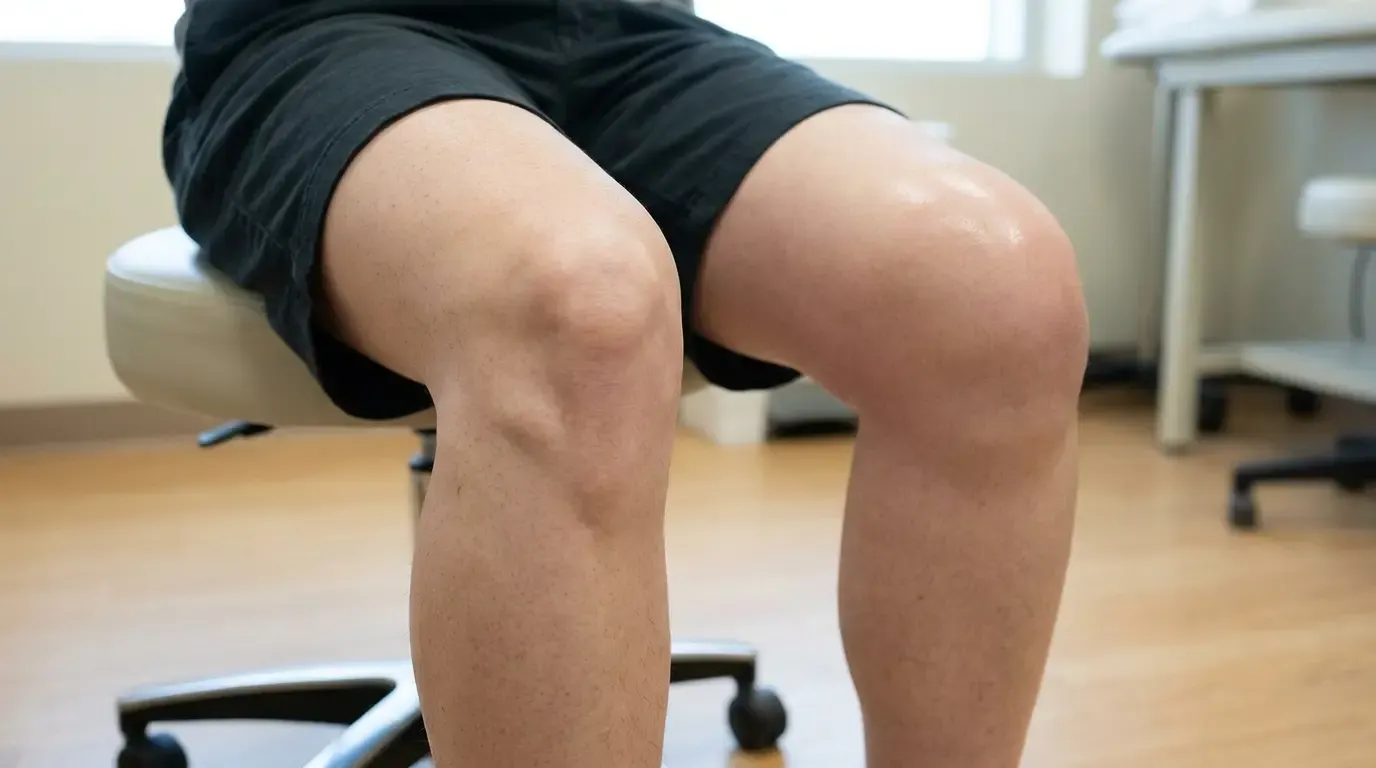
Recurrent swelling means the joint is producing extra fluid. Morning stiffness lasting more than a few minutes often points towards arthritis. Warmth with swelling needs prompt attention. Patients unsure about the cause can read about the difference between arthritis and joint pain.
Locking, catching and giving way
These mechanical symptoms suggest a structural problem, such as a meniscus tear or ligament injury. A knee that buckles on stairs is a safety issue, not an inconvenience. Falls become more likely when the joint gives way.
Loss of everyday function
Difficulty with stairs, short walks, rising from a chair or kneeling signals real limitation. Quietly avoiding favourite activities counts as limitation too. Function matters as much as the pain score.
Treatment that has stopped working
Painkillers, gels, rest and exercise help many patients for a time. When relief fades, the plan needs review. Steroid injections that wear off faster each time also justify a fresh opinion.
Why Delay Makes Knee Problems Harder to Treat
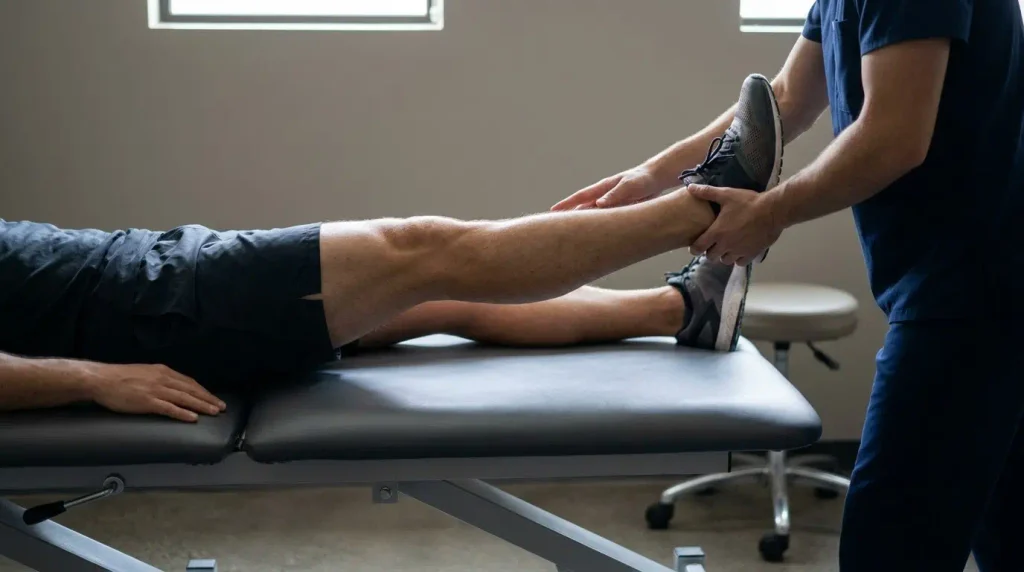
Knee pain rarely stays in the knee. The body adapts by shifting weight, shortening steps and avoiding certain movements. Those quiet adaptations strain the hip, lower back and opposite knee.
Muscle weakness follows reduced activity. Weak thigh and hip muscles then place more load through the joint. The cycle of pain, inactivity and weakness becomes harder to break with time.
Weight gain from reduced activity adds further load. Every extra kilogram increases force across the knee with each step. Early assessment interrupts this pattern before habits settle.
Delay also narrows treatment choices. Exercise and weight management work best before muscles weaken significantly. Earlier assessment keeps more options open.
Common Reasons People Delay Seeing a Specialist
Several beliefs keep patients waiting. Recognising them helps with deciding when to see a knee specialist.
Some patients assume pain is an unavoidable part of ageing. Osteoarthritis becomes more common with age, yet pain is not something to accept without assessment. Many options can improve comfort at any age.
Others fear that a specialist will recommend surgery straight away. In reality, most knee problems start with exercise, weight management and medication. Surgery is usually a late step, not an opening move.
A third group hopes that rest alone will fix the problem. Rest helps simple strains but often worsens stiffness and weakness in arthritis. Guided movement usually serves the joint better.
Urgent Signs That Should Not Wait
Most knee pain is not an emergency. A few symptoms, however, need same-day care. Delay with these signs can cause lasting harm.
- A hot, red, very swollen knee with fever or feeling unwell
- Inability to put weight on the leg after an injury
- A visibly deformed knee after a fall or collision
- Calf swelling and pain, especially after long travel or surgery
These patients should call NHS 111 or attend A&E promptly. A hot, swollen joint with fever needs urgent assessment to exclude infection.
Who to See First: GP, Physiotherapist or Knee Specialist
The UK offers several routes into knee care. Each suits a different stage of the problem. Deciding when to see a knee specialist, rather than another professional, depends on symptoms and previous treatment.

The GP
A GP is a sensible first stop for new pain without injury or red flags. Examination, simple tests and early advice often happen here. The GP can also arrange referral when needed.
The physiotherapist
Many areas of the UK allow self-referral to NHS physiotherapy, although access varies. A physiotherapist builds strength, corrects movement patterns and manages load. Private physiotherapy usually offers faster access.
The knee specialist
Specialist care suits persistent pain, repeated swelling, mechanical symptoms and failed conservative treatment. A specialist also helps when scans and symptoms disagree. Direct access to a private specialist avoids a long wait for answers.
Which Type of Knee Specialist Treats Which Problem
Several professionals work with knees, and their roles differ. Matching the problem to the right expertise saves time. The main groups are described below.
Orthopaedic surgeon
Orthopaedic surgeons diagnose structural problems and perform surgery when needed. Ligament reconstruction, meniscus procedures and knee replacement fall into this field. Many also manage non-surgical care first.
Sport and exercise medicine physician
These physicians focus on musculoskeletal injuries, rehabilitation and return to activity. They use imaging, injections and exercise prescription. Their approach suits active patients.
Rheumatologist
Rheumatologists treat inflammatory conditions such as rheumatoid arthritis and gout. Several swollen joints and prolonged morning stiffness often point towards this speciality. Medication is the main tool.
Non-surgical knee and joint pain specialist
Some specialists concentrate on non-operative care for osteoarthritis and related knee pain. They combine assessment, imaging review and targeted injections. Surgical referral follows when conservative care cannot restore function.
What Happens at a Specialist Appointment
A specialist appointment follows a clear pattern. The conversation comes first, then the examination, then any imaging. Most diagnoses rely heavily on history and examination.

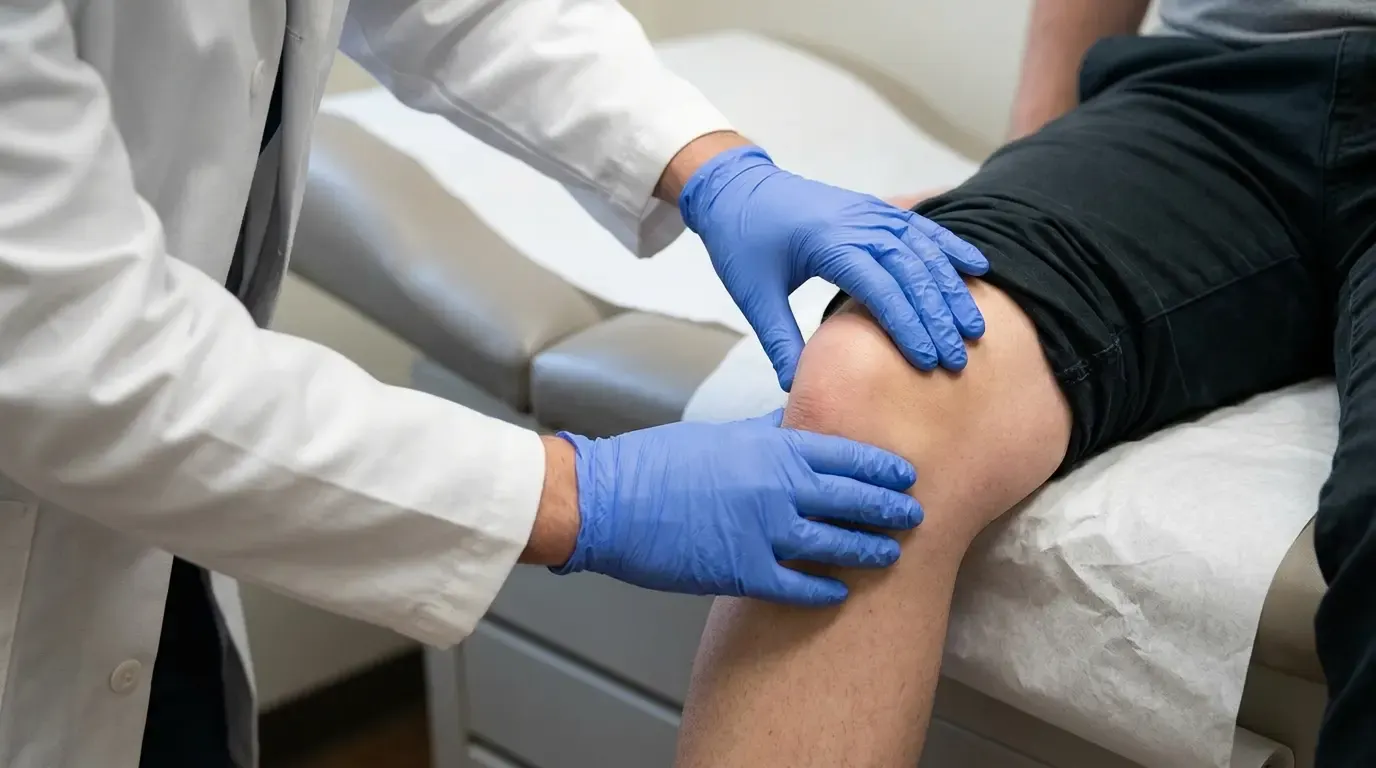
The specialist asks about onset, triggers, previous injuries and personal goals. A hands-on examination checks swelling, range of movement and stability. Walking is observed, and the hip and lower back are checked too.
Scans are used selectively. The diagnosis of knee osteoarthritis often begins with clinical assessment before any scan. Imaging and symptoms do not always match. X-ray, MRI or ultrasound then answer specific questions.
The appointment ends with a clear summary. The specialist explains the likely diagnosis, the available options and the expected timeframe. Written notes or a follow-up letter help patients remember the plan. A good appointment leaves no doubt about the next step.
Referral for further tests or a second opinion may follow when the picture remains unclear. Honest specialists welcome that step. Certainty matters more than speed.
Non-Surgical Treatments a Knee Specialist May Offer
Most knee problems respond to conservative care. A specialist builds a stepwise plan and escalates only when needed. Surgery sits at the top of the ladder, not the bottom.
Foundations include strengthening exercises, weight and activity management, and short courses of pain relief. Corticosteroid injections calm flare-ups for weeks to months. Hyaluronic acid aims to improve lubrication, although the body absorbs it over months. A wider view of non-surgical knee pain treatments in the UK shows how these options compare.
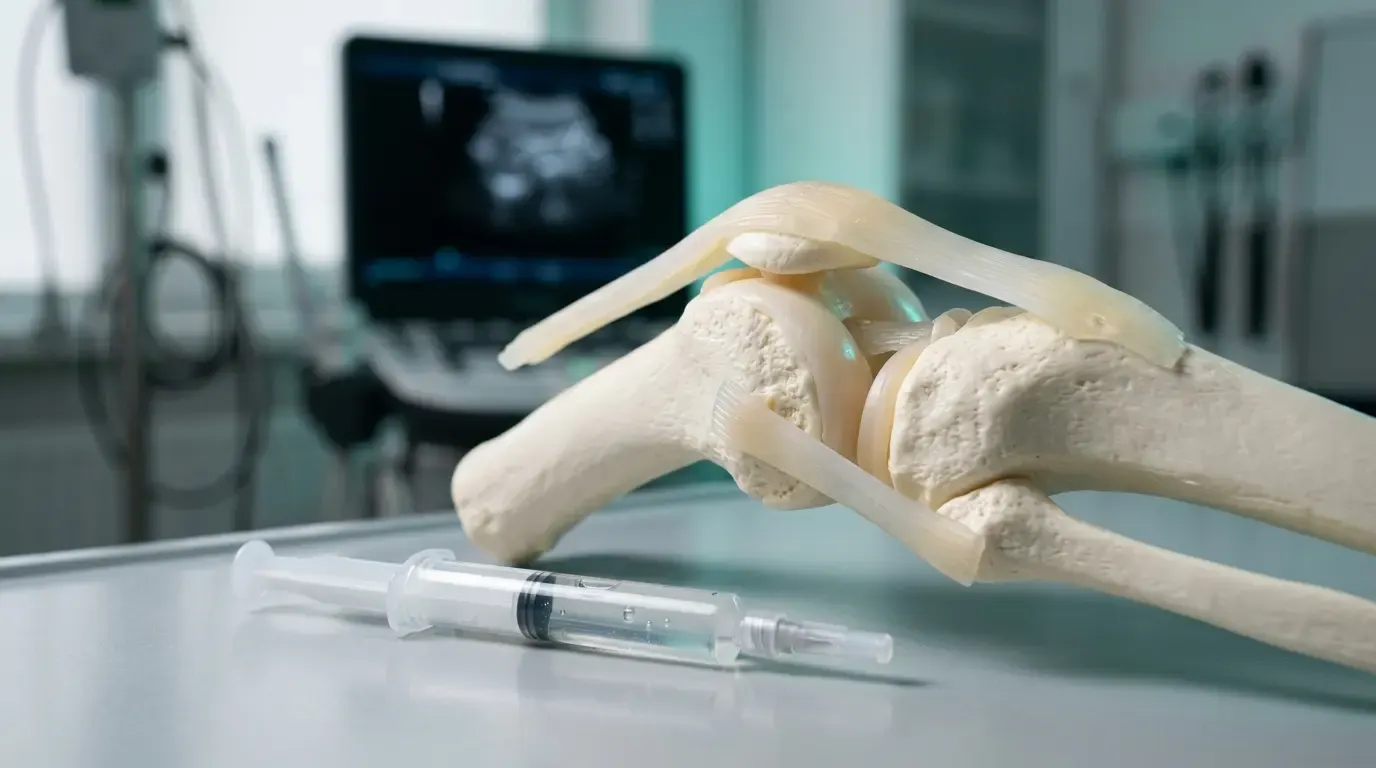
Arthrosamid takes a different approach. It is a polyacrylamide hydrogel made of 2.5% cross-linked polyacrylamide and 97.5% water. After injection, the gel integrates with the joint lining and does not break down. An arthrosamid injection is performed by London specialists and is intended for adults with symptomatic knee osteoarthritis.
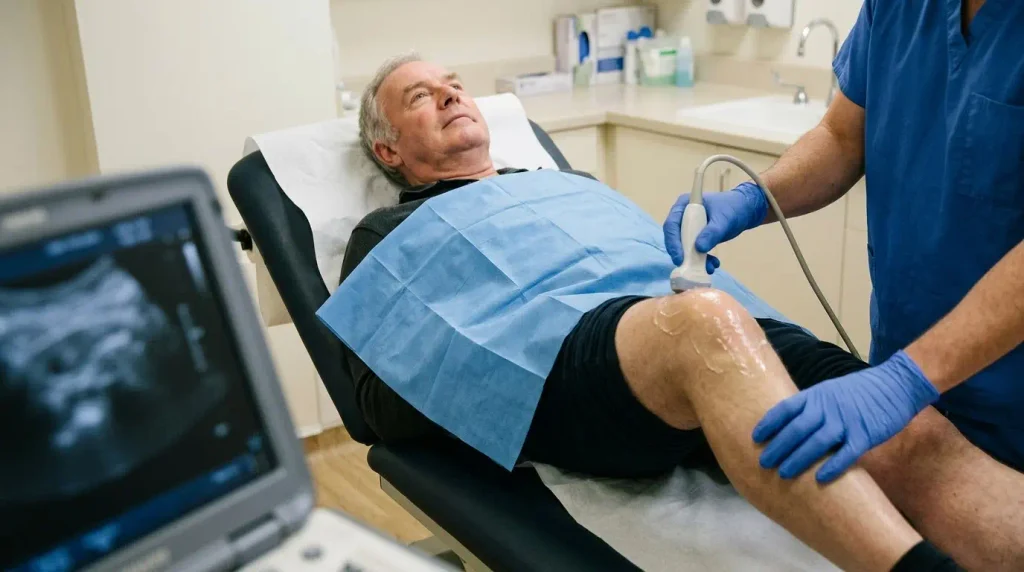
The gel cushions the joint but does not rebuild or regrow cartilage. The procedure is minimally invasive and uses local anaesthetic with ultrasound guidance. Mild pain and swelling are the most common side effects. Infection near the joint, a severely inflamed knee, pregnancy and breastfeeding make the injection unsuitable.
Evidence includes an open-label study that followed patients for 52 weeks after one injection. Many studies are open-label, and large randomised comparisons remain limited. Results vary between patients, and no injection suits every knee.
Non-Surgical Knee Care at Knee Pain Clinic UK
Knee Pain Clinic UK is a private, London-based clinic focused on non-surgical care for knee and joint pain. Mr Syed Nadeem Abbas, MBBS, MRCSEd, MSc, leads the clinic as a non-surgical knee and joint pain specialist.
The clinic’s core treatment for knee osteoarthritis is the Arthrosamid hydrogel injection. Suitability is judged individually after assessment of symptoms, examination findings and imaging. A confirmed diagnosis always comes before any injection.
How to Choose a Knee Specialist in London
Once the decision on when to see a knee specialist is made, the choice of clinician matters. London has no shortage of clinics, which makes comparison harder. A few practical checks separate reassuring providers from vague ones.
Verified qualifications
Registration with the General Medical Council confirms the right to practise. The specialist register shows recognised training in a field. Surgical college memberships, such as MRCS or MRCSEd, signal formal training standards.
Experience with the specific problem
Knee osteoarthritis, sports injuries and kneecap pain each need different expertise. A specialist who treats a condition weekly usually spots subtle patterns faster. Asking how often a procedure is performed is entirely reasonable.
Clear and honest communication
Good specialists explain options in plain language and describe realistic outcomes. They also discuss what happens if treatment fails. Anyone promising a guaranteed cure deserves caution.
Patient feedback and transparency
Independent reviews on verified platforms give a realistic picture of the patient experience. Consistent comments about communication and follow-up matter more than isolated praise. Clear information about risks, alternatives and limits shows respect for informed consent. Specialists who welcome questions usually deliver better care.
Access and follow-up
Distance matters for reviews, yet a convenient arthrosamid injection near me still needs a confirmed diagnosis first. Imaging-guided injections place treatment accurately inside the joint. Reviews after treatment let the specialist track progress and adjust the plan.
Questions Worth Asking at a Specialist Appointment
Good questions turn a short appointment into a clear plan. Informed curiosity is always welcome in clinic.
Useful questions cover the most likely cause of pain and whether the hip or lower back contributes. Patients should also ask about the expected benefit, the likely timeframe and the main risks of each option. A clear fallback plan signals a thoughtful specialist.
Practical questions matter too. How long before driving, working or exercising feels safe? When will the review take place? Written answers prevent confusion later.
Preparing for a Knee Consultation
Preparation helps the specialist reach a diagnosis faster. Previous scan reports, a list of current medicines and notes on earlier treatments all save time. Specific goals, such as hiking or gardening, shape a more useful plan.
Booking early also shortens the road to answers. Patients wanting background first can watch video explainers on knee arthritis and joint pain before the appointment. Writing questions beforehand prevents the classic problem of remembering them on the way home.
What Follow-Up Care Looks Like
Treatment rarely ends on the day of an appointment. A review after several weeks shows whether pain, walking distance and stair confidence have improved. Exercise programmes often change as strength returns.
Reviews after an arthrosamid injection in London patients track recovery in the same way. Patients can read about what to expect after Arthrosamid treatment in detail. Honest follow-up separates a genuine treatment plan from a one-off procedure.
A simple weekly diary of pain, sleep and walking distance helps. Short notes reveal trends that memory often misses.
When Surgery Becomes the Sensible Next Step
Some knees need more than injections and exercise. Mechanical locking from a displaced meniscal tear is one example. Persistent instability after a ligament rupture is another.
Advanced osteoarthritis that disables daily life despite thorough non-surgical care may also warrant surgery. Knee replacement can restore comfort in the right patient, and NHS knee replacement waiting times influence planning. A trustworthy specialist never pushes towards or away from surgery.
Frequently Asked Questions
When to see a knee specialist for knee pain?
Pain lasting beyond a few weeks deserves proper assessment. Swelling, stiffness, locking or giving way are further reasons to book. Pain that disturbs sleep or limits stairs and walking also needs attention. Early advice often prevents a minor problem from becoming a major one.
Should knee pain be seen by a GP or a specialist?
A GP suits new pain without injury or red flags. A specialist suits persistent pain, repeated swelling or treatment that has stopped working. Many patients start with the GP and move to specialist care later. Private patients can often book a specialist directly.
How long should knee pain last before seeing a doctor?
Mild strains usually settle within a couple of weeks. Pain beyond several weeks, or pain that keeps returning, warrants assessment. Severe pain, a hot, swollen knee or inability to bear weight needs urgent care. Waiting for pain to vanish on its own is rarely wise.
What type of doctor treats knee pain?
Several doctors treat knee pain. GPs manage early problems, and orthopaedic surgeons handle structural injuries and surgery. Sport and exercise physicians focus on injury and rehabilitation, while rheumatologists treat inflammatory arthritis. The right choice depends on the suspected cause.
Is swelling in the knee a sign of arthritis?
Swelling can signal arthritis, but injury, gout and infection also cause it. Persistent or recurrent swelling means the joint is producing extra fluid. A hot, red, swollen knee with fever needs urgent care. A specialist identifies the cause through examination and tests.
Can knee pain go away on its own?
Minor strains and overuse pain often settle with rest and gentle movement. Pain linked to osteoarthritis or a structural injury usually returns without proper treatment. Pain that persists for weeks should be assessed. Early exercise guidance helps many patients.
Do knee specialists always recommend surgery?
No. Most knee problems improve with exercise, weight management, medication and injections. Surgery is considered when non-surgical care fails or when locking and instability persist. A good specialist explains every option honestly.
Where to find an Arthrosamid injection near me?
Private orthopaedic and musculoskeletal clinics across the UK offer the treatment. Qualifications and experience matter more than distance alone. A clinic should confirm the diagnosis before recommending any injection.
Does Arthrosamid regrow cartilage?
No. The hydrogel cushions the joint and reduces pain, but it does not rebuild cartilage. Worn surfaces remain worn after treatment. The benefit comes from symptom relief and improved movement.
Can knee osteoarthritis be reversed?
No treatment currently reverses osteoarthritis. Worn joint surfaces do not return to their earlier state. Symptoms can still improve considerably with exercise, weight control and suitable injections. Slowing progression and protecting function are realistic goals.
Knowing when to see a knee specialist saves time, reduces discomfort, and avoids unnecessary guesswork. Persistent pain, swelling, locking, and loss of function all justify expert assessment. Most patients improve with non-surgical care, and surgery remains available when conservative treatment cannot restore function.
Mr Syed Nadeem Abbas is a non-surgical knee and joint pain specialist. Book a consultation to discuss knee pain and the most suitable treatment options.
Read more: No Proven Treatment Makes Knee Cartilage Grow Back in Osteoarthritis
Read more: Arthritis Prevention Depends on Daily Habits That Protect Joints for Decades