
✅ Medically reviewed
Interest in knee cartilage regrowth remedies is high, and the numbers behind it are large. Arthritis UK, formerly Versus Arthritis, estimates that 10 million people in the UK live with osteoarthritis. About 5.4 million of them have knee osteoarthritis. Cartilage loss sits at the centre of that picture, so hopeful headlines spread quickly.
Current evidence shows no proven way to rebuild worn cartilage across an arthritic joint. Laboratory research is advancing, although human results are still awaited. Pain, stiffness and everyday function can still improve with sensible care. Symptom-focused options, including Arthrosamid injection London, aim to calm pain rather than rebuild tissue.
Separating proven care from marketing language helps patients form realistic expectations. Clear expectations also reduce disappointment, wasted time and unnecessary expense.
What Knee Cartilage Does and Why Damage Matters
The Role of Articular Cartilage
Smooth cartilage covers the ends of the thigh bone, shin bone and kneecap. This surface lets the bones glide with very little friction. It also spreads load across the joint during walking, stair climbing and standing.
Healthy cartilage is firm yet slightly springy. Water held inside the tissue helps absorb compression. Normal use is well tolerated, but repeated overload gradually thins the surface.
How Cartilage Tissue Is Built
Articular cartilage is only a few millimetres thick in the knee. Despite that thin profile, the tissue withstands years of repeated loading.
Water makes up most of its weight. Collagen fibres give the tissue tensile strength, while proteoglycans attract and hold the water. This combination lets cartilage compress under load and spring back afterwards.
Cartilage also has layers. Fibres run flat near the surface and upright in the deeper zones. Each layer handles a different type of force.
Common Causes of Cartilage Damage
Several routes lead to damage. Ligament tears, meniscus injuries and fractures disturb joint mechanics and wear the surface unevenly. Ageing, excess body weight and family history raise the risk of gradual thinning. Repetitive kneeling or heavy lifting adds further strain.
Osteoarthritis rarely involves cartilage alone. The condition affects the whole joint, including bone, the joint lining, ligaments and surrounding muscle. Bone spurs, swelling and stiffness often accompany cartilage thinning. Restoring one tissue would therefore not reset the entire joint.
Meniscus Cartilage Is Different
People often say “cartilage problem” when a meniscus tear is the real issue. The menisci are two C-shaped shock absorbers that sit between the thigh bone and shin bone. Their outer edge receives some blood supply, while the inner portion receives very little.
Meniscus injuries therefore behave differently from surface cartilage damage. Accurate identification of the injured structure comes before any advice on management.
Why Knee Cartilage Grow Back Claims Mislead Patients
Cartilage Has No Blood Supply
Cartilage contains no blood vessels, nerves or lymphatic tissue. Blood normally delivers the cells and nutrients that drive healing elsewhere in the body. Without that supply, repair stays slow and limited.
Chondrocytes, the resident cartilage cells, sit trapped inside dense surrounding matrix. They multiply poorly and rarely migrate to a damaged area. Small surface injuries may heal partly, but large or worn areas do not refill naturally.
Repair Tissue Is Not the Same as Original Cartilage
Healing responses often produce fibrocartilage, a scar-like tissue. Fibrocartilage contains more fibrous collagen and fewer water-holding proteoglycans than hyaline cartilage. It handles compression less well and may wear faster.
This difference explains why imaging can show tissue in a defect while the knee still performs poorly. The presence of new tissue and the presence of normal cartilage are separate findings.
Why Online Claims Spread
Animal research fuels many headlines. Certain mouse strains repair knee cartilage injuries remarkably well, and some amphibians regenerate tissue after injury. Human cartilage behaves very differently.
Advertisements for cartilage regrowth also exploit hope. An orthopaedic surgeon at Nebraska Medicine has described such advertisements as misleading. No product currently regrows cartilage in human joints.
What Scans Can and Cannot Show
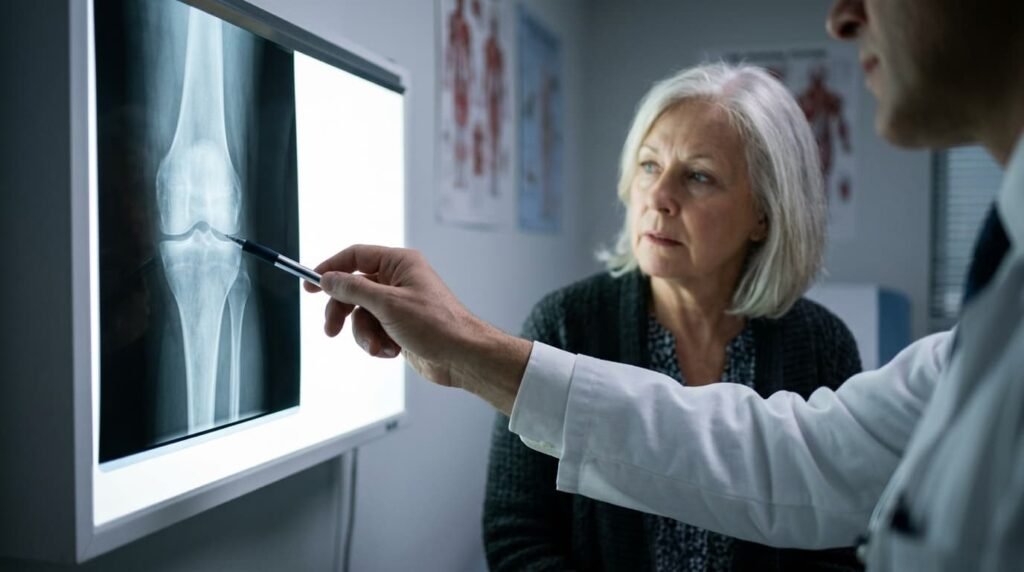
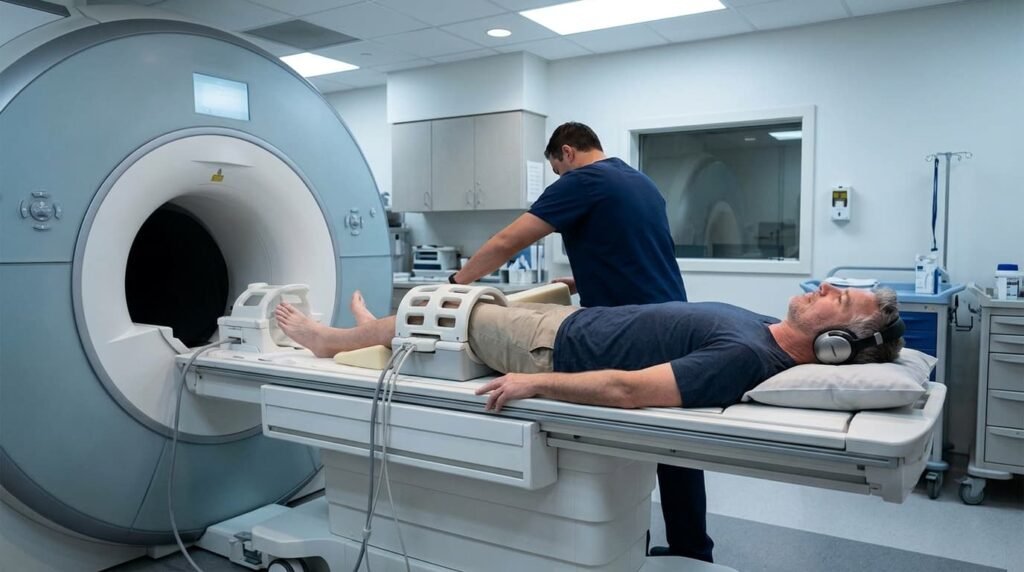
X-rays do not show cartilage directly. They show the gap between the bones, and a narrow gap suggests thinning cartilage. A knee MRI scan shows cartilage, menisci and ligaments in far more detail.
Scan findings and symptoms do not always match. Some people with advanced changes feel little pain. Others with mild changes struggle daily.
Reports therefore need interpretation alongside symptoms and examination. A single image rarely tells the whole story.
Diagnosis Comes Before Any Claim
Honest advice begins with an accurate diagnosis. A thorough clinical assessment usually comes before any scan. Findings then guide advice on pain, movement and daily activity. Marketing that skips this step deserves caution.
How Osteoarthritis Progresses
Osteoarthritis develops slowly in most people. Doctors sometimes grade X-ray changes on a five-point scale, from grade 0 to grade 4.
Early Changes
Early grades show little or no narrowing of the joint space. Small bony edges, called osteophytes, may appear. Many people notice only occasional aches after activity at this stage.
Moderate Changes
Moderate grades show clear narrowing and more osteophytes. Pain after walking, morning stiffness and swelling become more frequent. Muscle weakness often follows reduced activity.
Advanced Changes
Advanced grades show marked narrowing and dense bone beneath the surface. Bones may rub, and the joint can change shape. Daily tasks such as stairs and long walks become difficult.
Grade describes structure and does not predict pain exactly. Some people with severe X-ray changes manage well, while others with mild changes struggle.
How Age and Activity Affect Cartilage
Cartilage changes gradually across adult life. Water content falls, and the collagen network stiffens. These changes make the tissue less resilient to overload.
Ageing alone does not cause osteoarthritis, however. Many older adults keep comfortable, well-functioning knees. Risk rises when age combines with injury, high joint load or weak muscles.
Movement Nourishes Cartilage
Cartilage depends on joint movement for nutrition. Compression and release push fluid through the tissue, carrying nutrients in and waste out. Long periods of inactivity therefore deprive the surface of its supply.
Too little movement harms cartilage, and so does repeated overload. Balanced activity protects the joint best.
What the Evidence Says About Natural Approaches
Natural remedies attract strong interest because they promise to avoid injections and surgery. Evidence supports some of them for symptom control. None has been shown to make knee cartilage grow back.
Exercise and Strong Muscles
Regular exercise remains the best-supported self-care measure for painful knees. Strong thigh muscles share load that would otherwise reach the joint. Movement also circulates synovial fluid, which carries nutrients to cartilage.
Helpful options include cycling, swimming, gentle strengthening and gradual walking. Pain should stay manageable during activity, never sharp. Muscle loss with age makes consistent strength work even more valuable.
Weight Management
Body weight changes the load carried by the knee with every step. Losing excess weight reduces that load and may ease pain. Gradual, medically supported plans work better than crash diets.
Weight loss does not rebuild cartilage. It reduces stress on the remaining cartilage.
Supplements and Diet
Glucosamine and chondroitin supplements are widely marketed for joint health. NICE guidance NG226 advises clinicians not to offer glucosamine for osteoarthritis, because evidence of benefit is weak. Online lists of cartilage-building foods lack trial evidence that diet rebuilds worn cartilage.
A balanced diet still supports general health and weight control. Nutrition simply cannot replace missing tissue.
Common Myths About Cartilage Regrowth
Myth: Bone on Bone Means Nothing Can Help
A bone-on-bone knee describes severe cartilage loss seen on an X-ray. Lost cartilage does not return in that setting. Pain can still improve with exercise, weight management and other symptom-focused care.
Myth: Joint Noises Always Signal Cartilage Damage
Clicking and creaking are common in healthy knees. Painless noises rarely signal serious damage. Noise combined with pain, swelling or locking deserves assessment.
Myth: Laboratory Success Means a Treatment Exists
Mouse and tissue-sample results often generate headlines announcing a cure. Many such findings never reach patients. Safety testing, dose studies and large human trials must come first.
Myth: Before-and-After Photographs Prove Regrowth
Photographs show how a person looks and moves. They do not show cartilage. Only imaging taken under comparable conditions can show tissue change, and even that needs expert interpretation.
Myth: Regenerative Language Means Proven Regrowth
Words such as regenerative, restorative and rejuvenating appear widely in private healthcare marketing. These words describe intention, not results. No regenerative product in routine UK use has proven that it rebuilds worn knee cartilage.
Research Progress on Cartilage Regeneration
Laboratory science is moving quickly, and some results deserve attention. Stanford Medicine researchers reported in 2025 that blocking a protein called 15-PGDH regenerated knee cartilage in old mice. The same approach protected mice from osteoarthritis after injuries resembling human ACL tears.

Cartilage samples from patients undergoing knee replacement also responded. After one week of exposure in the laboratory, the tissue showed early signs of new cartilage formation.
Why Caution Remains Necessary
These findings represent early-stage science. Mouse results often fail to transfer to people, and tissue in a dish lacks a living joint. An oral version of the inhibitor has completed early safety testing for muscle weakness. The researchers hope to test cartilage effects later.
Published evidence has not yet shown that a drug can make knee cartilage grow back in people with osteoarthritis.
Other new treatments reaching UK clinics focus on symptom control. Each should be judged on trial evidence rather than on regenerative language.
Questions Worth Asking Before Trusting a Regrowth Claim
Regenerative language appears widely in health marketing. A short list of questions helps separate evidence from promotion.
- Which published trials support this claim for knee osteoarthritis?
- Did scans confirm new cartilage, or did only symptoms change?
- How long did trial participants stay under follow-up?
- Which risks and side effects are documented?
- Who funded and published the research?
Clear answers to these questions signal an honest source. Vague answers, testimonials without data and pressure to book quickly signal the opposite.
Symptom improvement alone does not prove regrowth. Pain fluctuates naturally in osteoarthritis, and placebo responses after injections are well documented. Only imaging and tissue studies can show whether cartilage has actually changed. Even then, thickness on a scan does not guarantee normal function.
Arthrosamid: Symptom Relief Without Cartilage Regrowth
Arthrosamid is a sterile hydrogel made of 97.5% water and 2.5% cross-linked polyacrylamide. Doctors inject it into the knee joint to treat symptoms of osteoarthritis. The gel integrates into the joint lining and acts as a cushioning layer.
Arthrosamid is not a cartilage treatment, and it does not regrow cartilage or reverse joint damage. Its purpose is a calmer joint and easier movement.
Patients with persistent pain after exercise, medicines and earlier injections may be considered. Suitability depends on a specialist assessment. Results vary between patients.
Anyone considering Arthrosamid injection London should discuss expected benefits, risks and alternatives with a specialist. Honest expectations matter more than any promise of regeneration.
How Knee Cartilage Grow Back Connects to Osteoarthritis Care
Searches for knee cartilage grow back usually reflect a wish to avoid surgery. The wish is reasonable, but the biology limits what is possible. Cartilage cannot be rebuilt on demand, so modern care targets pain, function and joint protection instead.
Terms such as knee cartilage regeneration and cartilage repair appear in both marketing and research. Regeneration means restoring tissue close to the original. Repair means filling a defect with tissue that may differ in quality.
Clear terminology helps patients judge claims. A promise to regrow knee cartilage should prompt questions about trial data and follow-up length.
Knee replacement remains an option when other care no longer controls symptoms. Non-surgical care focuses on pain, function and everyday activity.
Practical Steps to Protect Remaining Cartilage

Protecting existing cartilage matters more than chasing regrowth. Several habits help.
- Keep thigh muscles strong with regular resistance work
- Maintain a healthy body weight
- Warm up before exercise and pace busy days
- Choose cushioned, supportive footwear
- Treat injuries early rather than playing through pain
Pacing matters on busy days. Short breaks between kneeling, climbing and carrying tasks reduce cumulative strain. Alternating heavier and lighter activities spreads the load across the day.
Sleep and stress also influence pain. Poor sleep lowers pain tolerance, and long periods of stress tighten muscles around the joint. Regular rest between demanding tasks helps the knee recover.
Consistent daily habits protect joints across decades. No single habit guarantees a pain-free knee, but the combined effect is meaningful.
Frequently Asked Questions
Can knee cartilage grow back after an injury?
Small injuries to the cartilage surface may heal partly, especially in younger people. The repair tissue is often fibrocartilage, which differs from original cartilage. Larger defects need specialist assessment. Outcomes depend on defect size, location and overall joint health.
Will knee cartilage grow back with exercise?
Exercise does not rebuild worn cartilage. It strengthens muscles, supports joint movement and often reduces pain. Those benefits make exercise a core part of care. Programmes work best when a physiotherapist tailors the intensity.
Do supplements help regrow knee cartilage?
No supplement has been shown to regrow knee cartilage in osteoarthritis. NICE advises against offering glucosamine because evidence of benefit is weak. Some people report symptom relief, but placebo effects are common. A pharmacist or doctor can check safety and interactions.
Do regenerative injections make cartilage regrow?
No regenerative injection has proven that it rebuilds worn knee cartilage in osteoarthritis. Marketing language often runs ahead of trial evidence. Published data, scan evidence and follow-up length should support any claim. A specialist can explain what the evidence shows.
Is a bone-on-bone knee reversible?
Lost cartilage does not return in a bone-on-bone knee. Pain can still improve with exercise, weight management and other symptom-focused care. Surgery, including knee replacement, remains an option when other care fails. Specialist assessment guides the right sequence.
Does Arthrosamid make cartilage grow back?
Arthrosamid does not make cartilage grow back. The hydrogel cushions the joint and aims to reduce pain and stiffness. Results vary between patients. A consultation clarifies suitability.
Current evidence shows that no proven treatment makes knee cartilage grow back in osteoarthritis. Promising laboratory research continues, but human results are still awaited. Exercise, weight control and symptom-focused care remain the practical tools for easing pain and protecting the joint.
Mr Syed Nadeem Abbas, a non-surgical knee and joint pain specialist, provides private assessments. Book a consultation to discuss suitable options for a painful knee.
Read more: A Knee MRI Scan Reveals Soft Tissue Damage That Plain Films Cannot Show
Read more: New Treatments for Knee Osteoarthritis Offer UK Patients a Wider Range of Non-Surgical Pain Relief


