What Actually Causes a Swollen Knee After Exercise

✅ Medically reviewed | Updated July 2026
Swollen knee causes range from simple overuse to underlying joint damage. The pattern of swelling often reveals which one applies. A healthy knee holds a small, steady volume of synovial fluid that keeps the joint moving smoothly. Injury, overuse, or inflammation can push the body to produce far more fluid than usual. The joint capsule stretches to accommodate that extra fluid before visible puffiness appears. That delay explains why some swelling shows up within minutes, while other cases take hours or days to become noticeable.
A swollen knee after exercise is one of the most common versions of this problem. It affects runners, cyclists, and weekend walkers differently, depending on which structure inside the knee bears the load.
What Causes a Swollen Knee?
A knee swells when the body sends extra fluid to protect damaged tissue. Common swollen knee causes range from mechanical stress to sudden injury to inflammation simmering beneath the surface. Working out the trigger usually starts with the pattern of onset.
Overuse and Repetitive Strain
Overuse ranks among the most frequent causes of swollen knees seen after a hard training block. Running, jumping, and squatting place repeated load on the same tendons and cartilage. Over time, that repetition irritates the tissue lining the joint. Mild puffiness around the kneecap often shows up hours after training. It feels warm but not especially painful. Cutting training volume for a week usually settles this type down. A proper warm-up before the next session helps too. The knee never sends a memo before it decides to protest.
Minor Twists and Ligament Strains
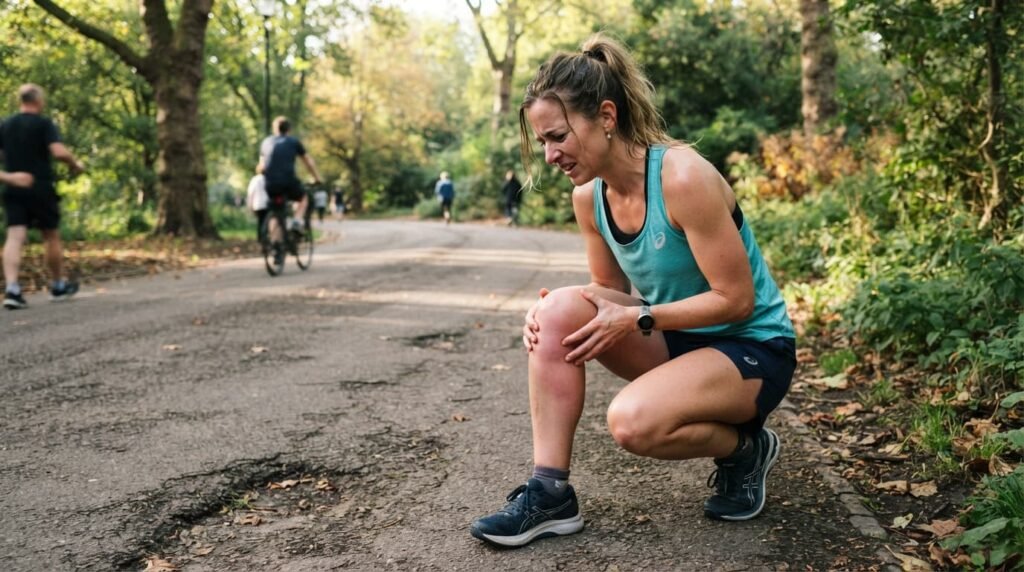
Sudden twists rank among the more painful causes of swollen knees, since ligament damage tends to swell quickly. A sudden pivot on a football pitch can strain the ligaments holding the knee together. So can an awkward step off a kerb. Mild sprains bring swelling within a few hours. Tenderness often appears along the inner or outer edge of the joint. More significant ligament tears, such as an ACL injury, swell rapidly. A distinct popping sensation often comes with them.
Meniscus Tear Swelling Symptoms
The meniscus is a C-shaped piece of cartilage. It cushions the thigh bone and shin bone. Meniscus tear swelling symptoms typically include puffiness along the joint line and a catching sensation. Stiffness after sitting for a while is common, too. Twisting movements while the foot stays planted are the classic trigger. The cartilage can also wear thin with age and tear during something as ordinary as standing up from a chair.
Bursitis Knee Swelling
Bursitis ranks lower on the list of causes of swollen knees but is just as common among active adults. Small fluid-filled sacs called bursae cushion the knee against friction. Bursitis knee swelling develops when one of these sacs becomes inflamed from pressure or repetitive rubbing.
Prepatellar bursitis swelling sits directly over the kneecap. It often follows long spells of kneeling, earning the nickname “housemaid’s knee.” Pes anserine bursitis causes tenderness a few inches below the inner knee instead. It tends to affect runners and swimmers who repeat the same motion thousands of times a session.
Osteoarthritis and Joint Inflammation
Long-term joint wear is one of the most persistent causes of swollen knees in patients over 50. Cartilage naturally thins with age. Once it wears down enough, bone can start to rub against bone. This friction inflames the joint lining and triggers fluid build-up. Symptoms often flare after activity and ease with rest. Osteoarthritis rarely swells overnight. Instead, it tends to creep in gradually, alongside stiffness that eases once the joint gets moving.
Swollen Knee After Specific Activities
Different activities load the knee in different ways. The swelling pattern often gives useful clues about the underlying cause.
Knee Swelling After Running
Knee swelling after running commonly points to overuse of the patellar tendon. Irritation along the iliotibial band on the outer knee is another frequent cause. Downhill routes and sudden increases in weekly mileage are common triggers. Swapping to flatter terrain for a few sessions often calms things down.
Knee Swollen After Walking
A swollen knee after walking, particularly after short distances or stairs, tells a different story. It can suggest the joint isn’t tolerating everyday load well. This pattern is more typical of arthritis, bursitis, or a lingering old injury than fresh overuse. Walking places far less strain on the knee than running or jumping.
Knee Swelling After Cycling
Knee swelling after cycling usually traces back to saddle height or pedal position. The sport itself is rarely the real problem. A seat set too low forces an extra bend through the knee on every rotation. That irritates the tissue behind the kneecap over hundreds of repetitions per ride.
Minor vs Serious Knee Swelling
Working out minor vs serious knee swelling early can save weeks of unnecessary discomfort. It’s worth learning the difference before it matters.
Signs of Minor Swelling
Minor swelling tends to settle within 48 hours with rest and ice. The knee stays mobile, and weight-bearing remains possible. There’s no visible deformity in mild cases. Morning stiffness that eases after a short walk usually falls into this category, too.
Warning Signs That Need Medical Attention
Some signals shouldn’t be brushed off:
- Swelling that appears within two hours of an injury
- A knee that locks, buckles, or won’t straighten fully
- Inability to bear weight on the affected leg
- Visible deformity or a knee that looks larger than the other side
- Fever, redness, or red streaks spreading from the joint
- Numbness or colour change in the lower leg
Any of these points to a structural injury or infection. Prompt assessment matters more than home treatment in these cases.
How to Reduce Knee Swelling at Home
Wondering how to reduce knee swelling before it gets out of hand? For mild, activity-related swelling, a few simple habits make a genuine difference.
RICE Protocol for Knee Swelling
The RICE protocol knee swelling approach remains the standard first response. Rest limits further tissue damage. Ice narrows blood vessels and reduces fluid build-up. Compression through a bandage or sleeve keeps swelling contained. Elevating the leg above heart height helps drainage.
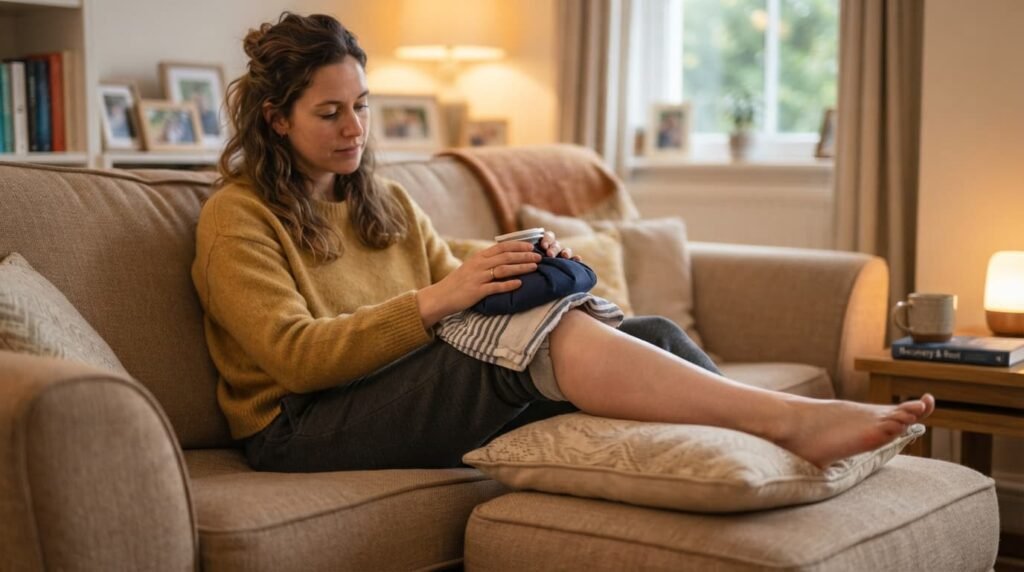
Practical application of knee swelling ice compression rest looks like this:
- Stop the aggravating activity straight away
- Apply ice wrapped in a cloth for 15–20 minutes
- Wrap the joint firmly, but not so tightly that it restricts circulation
- Prop the leg on cushions above heart level for 20–30 minutes
Over-the-Counter Support
Anti-inflammatory painkillers such as ibuprofen can ease pain and reduce swelling. These come as tablets or a topical gel. Packet instructions should always guide the dose and duration. Anyone with kidney disease, heart conditions, or a history of stomach ulcers should check with a doctor first. NSAIDs can aggravate all three conditions.
Ice or Heat for Knee Swelling
The ice or heat for knee swelling question comes up often. The answer depends on timing. Ice suits the first 48–72 hours, when the goal is calming inflammation. Heat can help later, once acute swelling has eased. It loosens stiff tissue and improves blood flow before gentle movement.
How Long Does Knee Swelling Last After Exercise
How long knee swelling lasts after exercise varies with the cause. Mild overuse swelling usually clears within two to three days. Ligament sprains and bursitis can take one to three weeks. Anything still puffy after three weeks deserves a proper look from a specialist.
Knee Swollen No Pain: What Does It Mean?
A knee swollen with no pain presentation confuses a lot of people. Swelling without discomfort feels like a contradiction. It usually means fluid has built up gradually rather than through sudden trauma. This can happen with early-stage arthritis, a slow-forming bursa, or a degenerative meniscus tear. None of these always produces a sharp injury moment. Painless swelling still deserves attention. The absence of pain doesn’t rule out joint damage underneath.
When to See a Doctor for a Swollen Knee
Deciding when to see a doctor for swollen knee symptoms comes down to duration and severity. Any accompanying red flags matter too. Book an appointment if swelling:
- Persists beyond a week despite rest and ice
- Returns repeatedly after the same activity
- Comes with locking, giving way, or severe pain
- Follows a direct blow, fall, or twisting injury
- Appears alongside fever or spreading redness
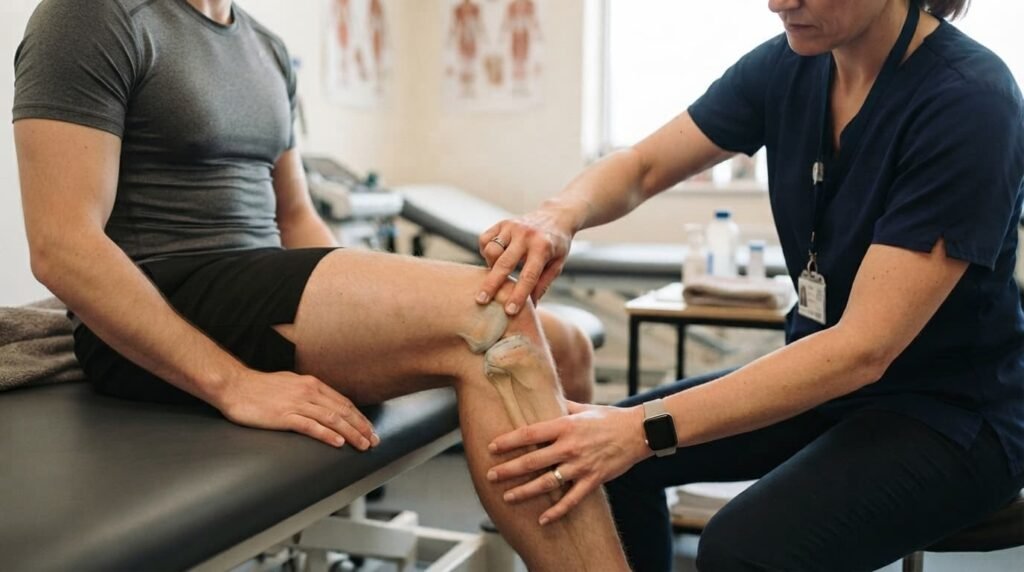
A specialist assessment for when to see a doctor for knee swelling questions typically includes a physical exam. Imaging, such as an ultrasound or MRI, often follows, since it shows soft tissue that X-rays can’t. For osteoarthritis-related swelling that keeps returning despite rest, treatments such as Arthrosamid injections can restore cushioning inside the joint. Relief from a single injection can last for years, offering a non-surgical route away from repeat cortisone shots. Anyone comparing regenerative options might find it useful to weigh up PRP against Arthrosamid before booking a consultation. A short walkthrough of the injection is also available on Dr SNA Clinic’s YouTube channel, for anyone who prefers to watch first.
Preventing Recurring Knee Swelling
Stopping swelling before it starts beats treating it every few weeks. A few habits reduce the odds of repeat flare-ups.
- Build gradually. A sudden jump in weekly running distance or gym intensity is one of the most preventable causes of swollen knees. Increasing load by roughly 10% a week gives tissue time to adapt.
- Strengthen the muscles around the joint. Weak quadriceps and hamstrings force the knee to absorb more shock than it should. Simple strengthening work, done consistently, reduces strain on cartilage and ligaments alike.
- Check footwear regularly. Worn trainers lose their shock absorption long before they look obviously damaged. Replacing running shoes every 500–800 kilometres keeps impact forces lower.
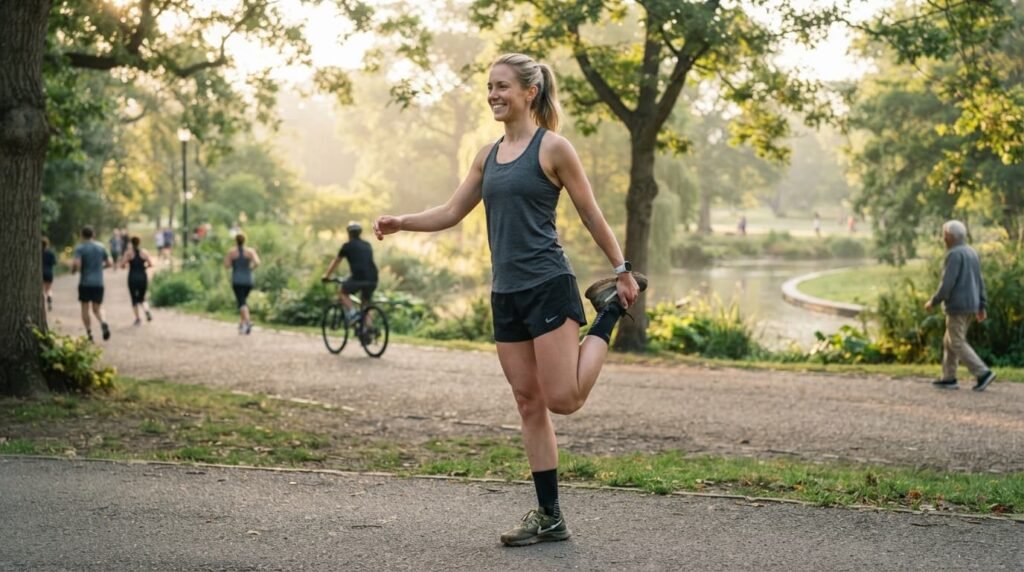
- Warm up properly. Dynamic movements such as leg swings and walking lunges raise tissue temperature before a session. Cold, stiff tissue is far more prone to irritation under load.
- Watch body weight. Every extra kilogram adds several times that in force through the knee with each step. Gradual, sustainable weight management eases pressure on the joint over time.
Frequently Asked Questions
What are the most common causes of swollen knees?
Overuse, minor ligament sprains, meniscus tears, bursitis, and osteoarthritis account for most cases. The onset timing and location of swelling usually narrow down which one applies.
Is knee swelling after running always serious?
Not usually. Mild swelling after a longer or harder run often reflects a normal tissue response. It typically settles within a couple of days. Swelling that worsens or returns with every run needs a closer look.
What does a swollen knee after walking suggest?
It often points to arthritis, bursitis, or an old injury flaring up. Walking places relatively low stress on the knee compared with running or jumping. Swelling from it is worth noting.
Should ice compression rest be used for every type of swelling?
RICE works well for mild, activity-related swelling. Swelling from a suspected fracture, infection, or severe ligament tear needs medical assessment instead of home treatment alone.
Can a swollen knee with no pain still need treatment?
Yes. Painless swelling can still signal cartilage wear or fluid build-up. An early assessment is worthwhile even without discomfort driving the decision.
When to see a doctor for swollen knee problems that keep coming back?
Recurring swelling after the same activity, despite rest and modification, is a reasonable trigger. Booking a specialist review beats repeating the same cycle.
Most cases of swollen knee cause trace back to overuse, minor injury, bursitis, or early joint wear. The majority settle with rest, ice, and a bit of patience. Swelling that lingers, returns, or comes with locking, instability, or fever calls for a proper assessment. Related reading on knee pain in men over 60 and foods that support joint health covers related angles on long-term joint care.
Consultant orthopaedic specialist Mr Syed Nadeem Abbas offers assessment and treatment for persistent knee swelling from his Harley Street clinic. Patients seeking a clear diagnosis and a personalised non-surgical treatment plan can book a consultation directly through the practice.
Read more: Knee Pain While Sitting: Causes and Effective Solutions
Read more: Bone on Bone Knee Treatment: Effective Solutions for Relief