Bone on Bone Knee Treatment: Effective Solutions for Relief

Living with bone on bone knee pain is not something you simply have to accept and surgery is rarely the only answer. Bone on bone knee treatment has advanced significantly, and today a wide range of non-surgical options can deliver meaningful, long-lasting relief.
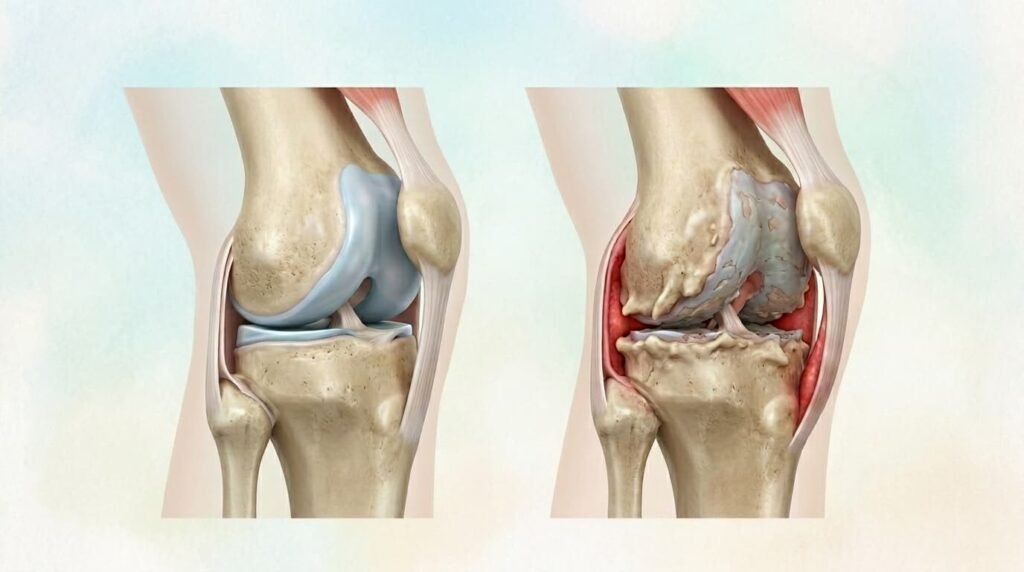
Bone on bone knee pain develops when the cartilage cushioning the joint wears away, causing the bones to make direct contact. This is a hallmark feature of advanced knee osteoarthritis. As cartilage thins over time, the joint loses its natural shock absorption — and that familiar knee pain during walking, sitting, or climbing stairs becomes increasingly hard to ignore.
Seeking treatment early gives you access to more options and better outcomes, whether you are managing mild discomfort or pain that is affecting your sleep and daily routine.
How to Recognize Bone on Bone Knee Pain Symptoms
Not everyone experiences bone on bone knee pain in the same way. The intensity and pattern of symptoms vary depending on how far the condition has progressed. Understanding what to look for helps you act quickly and access the right bone on bone knee treatment before things worsen.
Common Bone on Bone Knee Pain Symptoms
The most frequently reported bone on bone knee symptoms include persistent aching. Around the knee joint, swelling that develops after physical activity, stiffness that makes bending or straightening the knee difficult, and a grinding or crunching sensation during movement. Some patients also notice the joint feels unstable, as though it might give way unexpectedly.
What Does Bone on Bone Knee Pain Feel Like?
Many patients describe bone on bone knee pain as a deep, dull ache that never fully goes away. During movement especially walking on uneven surfaces, climbing stairs, or rising from a chair the pain sharpens significantly. Some describe a burning sensation around the kneecap, while others feel a stabbing pain on the inner or outer side of the joint.
A key feature that distinguishes bone on bone pain from milder knee conditions is its persistence. The discomfort does not resolve with a day’s rest the way a simple muscle strain would.
Bone on Bone Knee Pain While Walking and at Night
Bone on bone knee pain walking is one of the most common complaints. Even short distances can become challenging, as every step places the full body weight through a joint that lacks its natural cushioning. Patients often describe having to stop frequently or alter their gait to avoid aggravating the knee.
Bone on bone knee pain at night is another significant issue. When the body is at rest, the joint can stiffen, and even the light pressure of bedding against the knee can cause discomfort. Many patients report that pain disrupts their sleep particularly when turning over in bed or trying to find a comfortable position. Disturbed sleep further compounds fatigue and reduces the body’s ability to manage pain effectively.
Non-Surgical Treatment Options for Bone on Bone Knee Pain
The good news is that bone on bone knee treatment without surgery is effective for a large proportion of patients. Conservative management should always be the first step, and many people achieve substantial, long-term relief without ever needing an operation.
Lifestyle Changes to Manage Pain
Weight management is one of the most impactful changes a patient can make. Every additional kilogram of body weight places roughly four kilograms of extra force through the knee joint.
Activity modification also plays an important role. Swapping high-impact activities like running or football for low-impact alternatives such as swimming, cycling, or walking on flat surfaces reduces stress on the joint while keeping you active. Staying mobile is important prolonged inactivity causes the surrounding muscles to weaken, which increases the load on the joint itself.
An anti-inflammatory diet rich in omega-3 fatty acids, leafy greens, and whole grains can support joint health from the inside. Reducing processed foods, refined sugars, and excessive alcohol intake may also help lower systemic inflammation, which contributes to pain.
Hot and Cold Therapy
Applying an ice pack wrapped in a cloth to the knee for fifteen to twenty minutes several times a day helps reduce acute swelling and numbs the area, offering short-term bone on bone knee pain relief. Heat therapy using a warm compress or heat pad is better suited to relieving stiffness, particularly in the morning or after long periods of rest. Alternating between hot and cold can be especially effective during a flare-up.
Anti-Inflammatory Medication
Over-the-counter NSAIDs such as ibuprofen or naproxen reduce inflammation in the joint and offer short-term pain relief. Topical NSAID gels applied directly to the skin over the knee are a useful option for patients who want to avoid systemic medication. Paracetamol can also help manage mild to moderate pain, although it does not address inflammation directly.
Long-term reliance on oral NSAIDs carries risks particularly for the stomach, kidneys, and cardiovascular system and should be discussed with your GP or specialist before becoming a regular habit.
The Benefits of a Bone on Bone Knee Brace
A bone on bone knee brace provides external support to the joint, reducing pain during movement and improving confidence when walking. There are several types worth knowing about:
- Compression sleeve — the simplest option; provides warmth and mild support, reducing swelling during activity. Suits patients with mild symptoms or those returning to light exercise.
- Unloader brace — the most targeted option for bone on bone knee pain. Shifts load away from the most damaged compartment — typically the inner side — and redirectes it to healthier tissue. Research supports its use as a meaningful non-surgical intervention, particularly for compartment-specific osteoarthritis.
- Hinged knee brace — offers the highest level of structural support. Typically used following injury or for patients with joint instability alongside their osteoarthritis.
How to Select the Best Knee Brace for Bone on Bone
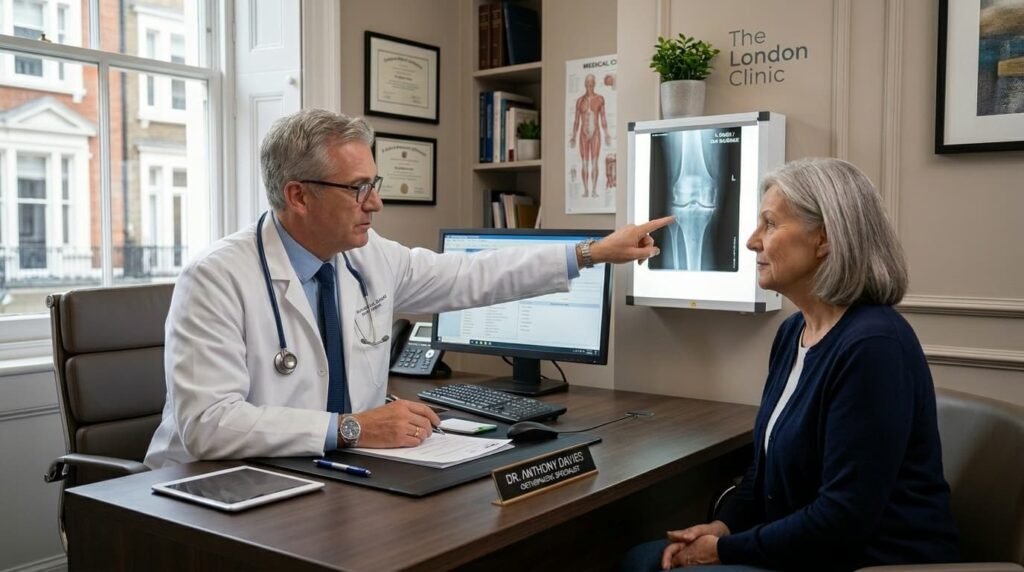
The best knee brace for bone on bone depends on your specific anatomy, the location of your cartilage damage, and your daily activity level. A poorly fitted brace can cause skin irritation, restrict circulation, and fail to deliver meaningful support. Ideally, brace selection should be guided by a physiotherapist or orthopaedic specialist who can assess your gait and the pattern of your joint wear.

Custom-fitted unloader braces, while more expensive than off-the-shelf options, deliver significantly better outcomes for patients with confirmed medial or lateral compartment OA.
Physical Therapy and Knee Strengthening Exercises
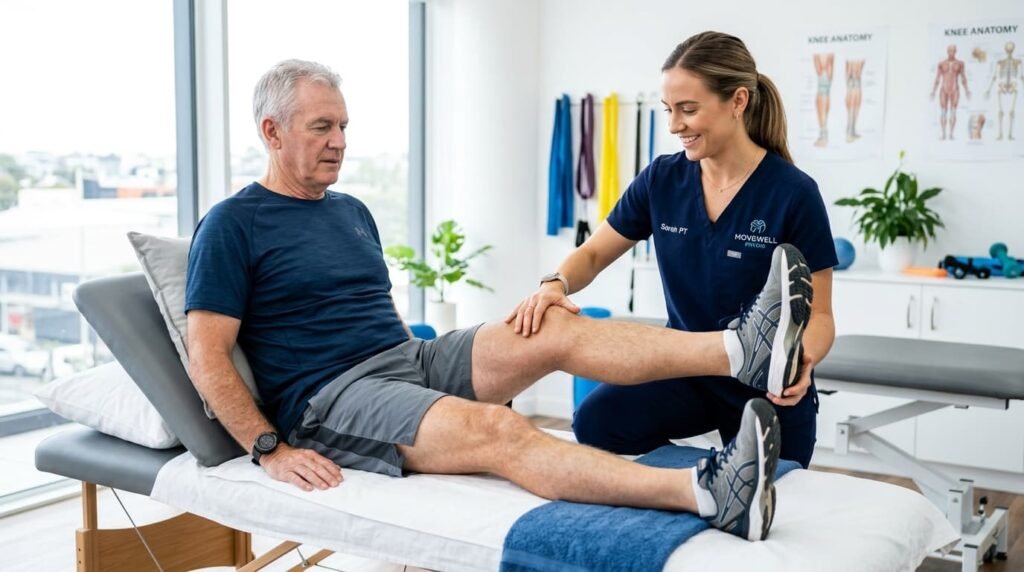
Physical therapy is one of the most evidence-backed approaches to bone on bone knee pain relief. Strengthening the muscles that support the knee — particularly the quadriceps and hamstrings — reduces the load placed directly on the joint surface and improves overall stability.
How Physical Therapy Helps
A qualified physiotherapist will assess your strength, flexibility, range of motion, and movement patterns before designing a personalised programme. The goal is to build a stable, well-supported joint that functions better despite the reduced cartilage.
Research consistently shows that patients who complete a structured physiotherapy programme report lower pain scores, improved function, and reduced reliance on medication. Physical therapy can also delay or, in some cases, eliminate the need for surgical intervention.
Bone on Bone Knee Pain Exercises
The following bone on bone knee pain exercises are widely recommended by physiotherapists for patients with knee osteoarthritis:
Straight Leg Raise: Lie flat on your back. Keep one leg bent with the foot flat on the floor. Slowly lift the straight leg to the height of the opposite knee, hold for three seconds, then lower. This strengthens the quadriceps without placing direct stress on the knee joint. It is one of the safest and most effective exercises for patients with significant cartilage loss.
Calf Raises: Stand behind a chair, holding the back lightly for balance. Rise slowly onto your toes, hold briefly, then lower. Calf raises improve circulation, strengthen the lower leg, and take pressure off the knee by improving the overall mechanics of the lower limb.
Seated Quad Squeeze: Sit on a firm chair. Straighten one leg and hold it parallel to the floor for five seconds, then slowly lower. Repeat on both sides. This targets the quadriceps with minimal joint compression.
Hamstring Stretch: Sit on the edge of a chair, extend one leg straight with the heel on the floor, and lean forward gently from the hips until you feel a stretch along the back of the thigh. Hold for thirty seconds. Tight hamstrings increase posterior pressure on the knee and should be stretched regularly.
Side-Lying Leg Raise: Lie on your side with your legs stacked. Slowly lift the top leg to about forty-five degrees, hold for two seconds, then lower. This strengthens the hip abductors, which play an important role in reducing load on the knee during walking.
Can Knee Injections Provide Relief for Bone on Bone Knee Pain?
For patients who have not achieved sufficient relief through physiotherapy and lifestyle changes, injection treatments offer the next level of non-surgical management.
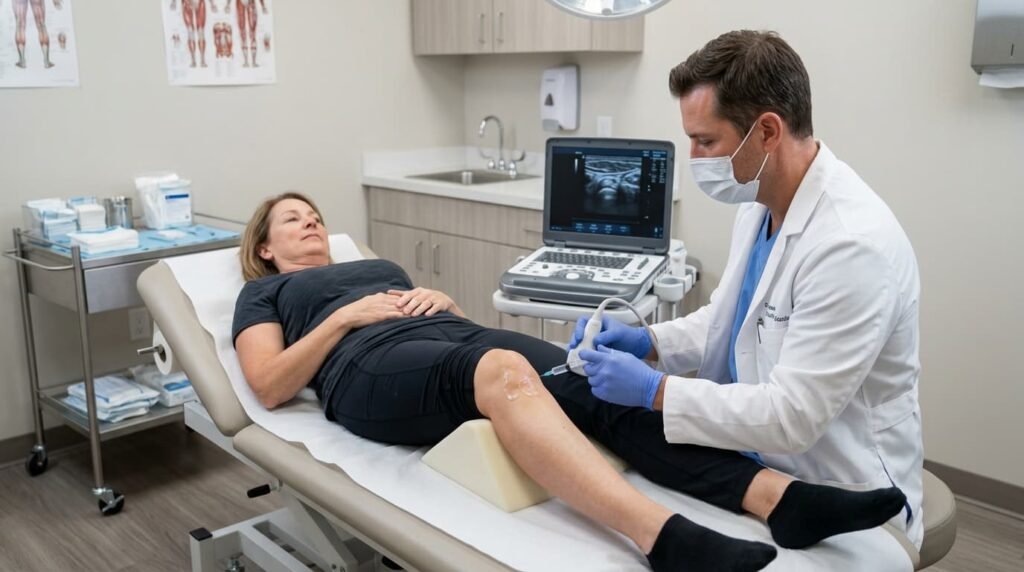
- Corticosteroid injections — reduce inflammation and provide pain relief typically lasting four to twelve weeks. Useful for acute flare-ups, but repeated use carries a risk of accelerating cartilage degradation. Most specialists recommend no more than three or four injections per joint per year.
- Hyaluronic acid injections — supplement the knee’s natural joint fluid, improving lubrication and reducing friction. Some patients experience relief lasting several months. Results vary, and injections need to be repeated as hyaluronic acid breaks down inside the joint over time.
- Arthrosamid injection — for patients seeking longer-lasting relief without surgery, Arthrosamid represents one of the most advanced options available at private knee clinics in the UK. Those searching for Arthrosamid injection London will find it offered at specialist clinics including KneePainClinic UK on Harley Street.
Arthrosamid is a CE-marked polyacrylamide hydrogel made from 97.5% water. Unlike steroid and hyaluronic acid injections, it integrates with the synovial lining of the knee joint, providing structural cushioning from within the joint tissue itself.
Because it does not break down in the body, a single injection can provide relief for up to five years. Clinical studies show a success rate exceeding 70%, with most patients reporting significant pain reduction and improved mobility.
Arthrosamid suits patients with mild to moderate osteoarthritis who have not achieved adequate relief from other treatments. It is not recommended for patients with inflammatory conditions such as rheumatoid arthritis — individual suitability must be assessed by a specialist.
Surgical Options for Bone on Bone Knee Pain Treatment
When non-surgical bone on bone knee treatment options have been exhausted and pain is severely affecting quality of life, surgery may be the appropriate next step.
When Is Surgery Necessary?
Surgery is generally considered when a patient has persistent, debilitating pain that has not responded to at least six months of conservative treatment, including physiotherapy, injection therapy, and lifestyle modification. Other indicators include significant joint deformity, inability to perform basic daily activities, and severely restricted range of motion.
It is worth emphasising that many patients who are told they will eventually “need” a knee replacement find that structured non-surgical treatment — particularly Arthrosamid injection combined with physiotherapy — allows them to live comfortably for years without surgery.
Bone on Bone Knee Replacement: What to Expect
Knee replacement surgery involves removing the damaged surfaces of the knee joint and replacing them with artificial components made of metal and plastic. There are two main types.
A partial knee replacement replaces only the most damaged section of the joint. It preserves more of the patient’s natural knee structure, typically results in a more natural feel, and carries a faster recovery than total replacement. It is suitable when damage is confined to one compartment.
A total knee replacement replaces the entire joint surface and is recommended when all three compartments of the knee are significantly affected. Modern implants are highly durable, with most lasting twenty years or more.
Minimally Invasive Surgery and Recovery
Advances in surgical technique have made minimally invasive knee replacement increasingly accessible. Smaller incisions result in less damage to surrounding tissue, reduced blood loss, and a faster recovery compared to traditional open surgery.
Most patients begin physiotherapy within twenty-four hours of surgery. Full recovery typically takes three to six months, during which patients gradually regain strength, range of motion, and the ability to return to normal activities.
How to Relieve Bone on Bone Knee Pain Naturally
Many patients want to know how to relieve bone on bone knee pain without surgery or medication. Several natural approaches can meaningfully reduce pain and support joint health when used consistently.
Hot and cold therapy — as described earlier — remains one of the simplest and most accessible tools for managing day-to-day flare-ups. An anti-inflammatory diet is another powerful lever: foods rich in omega-3 fatty acids (oily fish, walnuts, flaxseeds), polyphenols (berries, green tea, olive oil), and vitamin D (oily fish, fortified foods, sunlight) all contribute to reducing systemic inflammation and supporting cartilage health.
Supplements such as glucosamine and chondroitin are widely used for knee osteoarthritis. The evidence is mixed — some patients report significant benefit while others notice little difference — but they are generally considered safe for most adults and may be worth trying for three months to assess response.
Mindfulness and stress reduction also have a role to play. Research shows that psychological stress amplifies pain perception and increases inflammatory markers. Techniques such as mindfulness meditation, gentle yoga, and breathing exercises can reduce the overall pain burden without any direct intervention on the joint itself.
Best Knee Braces for Bone on Bone Knee Pain Relief
Choosing the right brace is an important part of managing bone on bone knee pain in daily life. For patients with medial compartment osteoarthritis — the most common pattern — a valgus unloader brace shifts body weight away from the inner knee. For lateral compartment osteoarthritis, a varus unloader brace performs the same function on the outer side. For general support and warmth during activity, a quality compression sleeve is a practical, affordable option.
When selecting a brace, make sure it fits snugly without restricting circulation, allows full range of motion unless support for a specific movement is the goal, and is comfortable enough to wear consistently — irregular use significantly reduces benefit. Always speak with a physiotherapist or orthopaedic specialist before purchasing. A professional fitting assessment ensures you select the right type and size for your anatomy and pattern of joint damage.
Bone on Bone Knee Pain Treatment in the UK
Patients in the UK have access to a range of bone on bone knee treatment options through both the NHS and private healthcare providers. Understanding the difference helps you make an informed choice about where and how to seek care.
On the NHS, patients with bone on bone knee pain are typically managed through their GP, who may refer them to physiotherapy and prescribe medication. Steroid injections are available through NHS services, although waiting times for specialist appointments can be significant. Knee replacement surgery is available on the NHS for patients who meet the clinical criteria, though demand is high and wait times lengthy.
At KneePainClinic UK, our London-based clinic offers expert assessment and a full range of non-surgical and surgical treatment options for bone on bone knee pain. Led by orthopaedic specialist Mr Syed Nadeem Abbas (MBBS, MRCSEd, MSc), our team provides evidence-based care tailored to each patient’s individual needs — including Arthrosamid injection for suitable candidates.
We welcome patients from across London and the wider UK who are looking for specialist bone on bone knee pain treatment that goes beyond the standard options. A private consultation includes a thorough clinical assessment, imaging review, and personalised treatment plan — with clear, transparent pricing throughout.
Frequently Asked Questions
Can bone on bone knee pain be managed without surgery?
Yes. Many patients successfully manage bone on bone knee pain through physiotherapy, weight management, knee bracing, and advanced injection treatments such as Arthrosamid. Surgery is not always necessary and should be considered only after conservative options have been fully explored.
Is it safe to exercise with bone on bone knee pain?
Yes, in most cases. Low-impact exercise strengthens the muscles around the knee, reduces joint load, and improves overall function. A physiotherapist can guide you on safe activity levels and appropriate bone on bone knee pain exercises based on your specific condition.
How long does it take to see results from physiotherapy?
Most patients begin to notice improvement within four to eight weeks of consistent physiotherapy. Full benefit typically develops over three to six months when exercises are performed regularly and lifestyle changes are maintained alongside treatment.
What is the difference between Arthrosamid and hyaluronic acid injections?
Hyaluronic acid injections lubricate the joint temporarily and are absorbed by the body over several months, requiring repeat treatment. Arthrosamid is a non-biodegradable hydrogel that integrates with the joint tissue and is designed to last up to five years from a single injection — making it a significantly longer-lasting option.
How do I know if I need a knee replacement?
Knee replacement is generally considered when pain is severe and persistent despite at least six months of non-surgical treatment, and when the condition is significantly affecting your quality of life. A thorough assessment with a knee specialist will help determine whether you have exhausted all non-surgical options first.
Is Arthrosamid injection available on the NHS?
Arthrosamid is currently available through private knee clinics in the UK. It is not routinely available on the NHS. Private consultation costs and injection pricing vary between clinics — our London clinic provides full transparent pricing during your initial consultation.
How long does bone on bone knee pain last without treatment?
Without treatment, bone on bone knee pain typically worsens progressively over time. The rate of progression varies between individuals. Early intervention with structured non-surgical bone on bone knee treatment significantly slows the deterioration and reduces the likelihood of needing surgery in the near term.
Bone on bone knee treatment is not a single solution — it is a personalized pathway that begins with conservative measures and progresses based on your individual response. For most patients, a combination of physiotherapy, weight management, bracing, and targeted injection therapy provides substantial relief without surgery.
If you have been told surgery is your only option, seek a second opinion from a private knee specialist. Many patients discover that bone on bone knee pain treatment without surgery can deliver the relief they need — often for years.
Read more: Knee Arthritis Treatment Options: A Complete Guide to Managing Knee Osteoarthritis
Read more: Knee Replacement Surgery How to Know When It Is the Right Step