Does Stem Cell Therapy for Knees Actually Work?

✅ Medically reviewed | Updated July 2026
Stem cell therapy for knees is attracting growing interest among patients seeking options beyond surgery. Around one in five adults in England lives with a long-term joint problem. Knee osteoarthritis remains one of the most common causes of this discomfort. Many patients want to understand whether regenerative treatment can genuinely reduce pain. Restoring movement without months of recovery time appeals to a wide range of people.
Current evidence on safety, realistic results, and cost is also covered in detail. Comparisons with other injections and honest success rate figures round out the picture. The aim stays simple: clear, evidence-based information for anyone weighing treatment seriously. Real decisions deserve real evidence, not marketing promises.
What Is Stem Cell Therapy for Knees?
Stem cell therapy for knees is a regenerative treatment aimed at repairing damaged joint tissue. Mesenchymal stem cells are injected directly into the affected knee joint. These cells release growth factors that support tissue repair and calm inflammation. Most clinics source stem cells from bone marrow for knee treatment, though fat tissue works too. The goal centres on slowing cartilage breakdown rather than reversing it completely.
For many patients, the appeal lies in avoiding a lengthy hospital stay altogether. Compared with major surgery, this regenerative therapy for knee pain typically involves a same-day visit. Recovery tends to be shorter, and the procedure carries a comparatively low risk profile. Some clinics also describe the treatment more broadly as stem cell shots for knees. This phrasing reflects the simple, injection-based nature of the appointment itself. The treatment rarely suits every patient, and specialist assessment always precedes any decision. Joint imaging, blood tests, and a full medical history typically shape that assessment.
How Stem Cell Injections for Knees Work

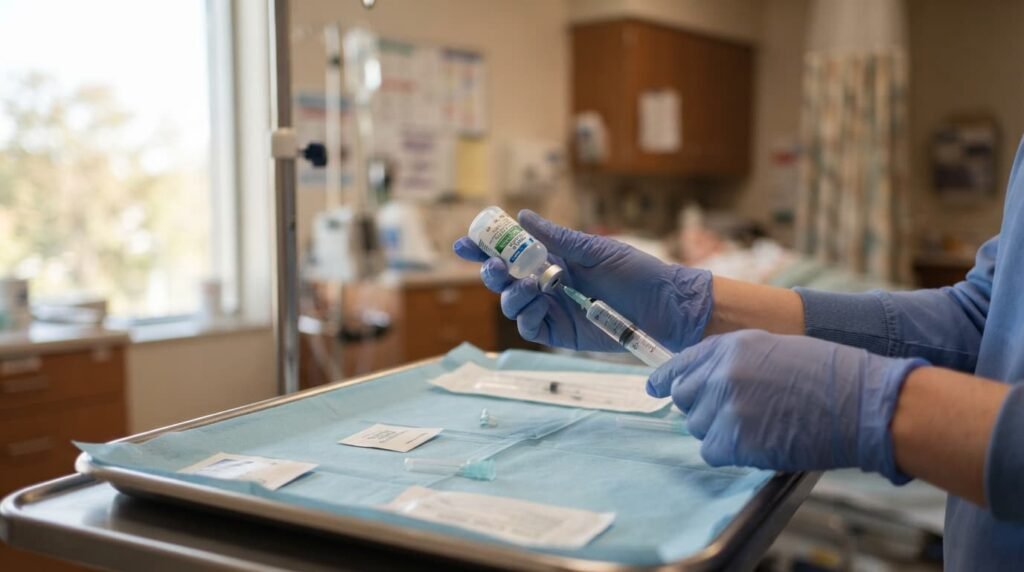
The process follows a consistent sequence across most reputable clinics. A small sample of bone marrow or fat tissue gets extracted, usually under local anaesthetic. Laboratory processing then concentrates the stem cells, removing unwanted material from the sample. Specialists inject the prepared cells into the knee joint, often guided by ultrasound imaging. Imaging guidance helps ensure the cells reach the exact area needing repair. The entire appointment typically takes around ninety minutes from start to finish. Patients usually walk out the same day, with only minor restrictions on activity. Light activity resumes within a day or two, though intense exercise waits longer. Full effects generally develop over several weeks rather than appearing instantly after treatment.
Which Knee Conditions Can Stem Cell Therapy Treat?
Clinics increasingly offer stem cell treatment for knees across several distinct conditions. Understanding which problems respond best helps set realistic expectations before committing to treatment. Not every knee complaint suits regenerative injections equally well.
Stem Cells for Knee Osteoarthritis
Osteoarthritis represents the most common reason patients pursue this treatment. Stem cells for knee osteoarthritis work by targeting inflamed joint tissue directly. They also support cartilage health across the affected joint surface. Clinical studies report measurable pain reduction after mesenchymal stem cell injections in osteoarthritic knees. Stem cell therapy for knee osteoarthritis may also slow the disease’s progression over time. Patients exploring knee osteoarthritis treatment options often find this approach less invasive than expected. More broadly, stem cell therapy for osteoarthritis of the knee suits mild-to-moderate cases best. Results vary depending on how advanced the joint damage already is at assessment.
Stem Cell Therapy for Meniscus Tear
Meniscus tears, particularly complex ones, prove notoriously difficult to treat surgically. Stem cell therapy for meniscus tear offers a way to preserve tissue rather than remove it. Cells get injected directly into the damaged area to encourage natural repair. This route suits patients keen to avoid partial meniscectomy where possible. Preserving as much natural cartilage cushioning as possible remains a key long-term goal. Recovery timelines depend heavily on tear size and location within the joint.
Stem Cell Therapy for ACL and Ligament Injuries
Ligament damage affecting the ACL, MCL, or PCL disrupts knee stability significantly. Stem cell therapy for ACL injuries supports the healing process alongside standard rehabilitation. Improved tissue quality can translate into better long-term joint function over time. Athletes and active adults frequently ask about this option after ligament injury. It rarely replaces surgical reconstruction for complete tears, though it may complement recovery. Physiotherapists often design a personalised rehabilitation plan around the injection timeline. This plan usually adjusts as strength and joint stability improve week by week.
Stem Cell Therapy for Knee Cartilage Repair
Cartilage cushions the bones within the knee joint, preventing painful friction. Once damaged, cartilage has limited natural capacity to regenerate on its own. Stem cell therapy for knee cartilage aims to support the body’s own repair mechanisms. Growth factors released by injected cells encourage new tissue formation around damaged areas. Complete cartilage regrowth remains unlikely, but symptom improvement is realistic for many. Stem cell knee repair works best alongside physiotherapy and appropriate load management. Combining treatments tends to produce steadier, more lasting results than injections alone. Weight management and activity pacing also play a supporting role in outcomes.
Preparing for Stem Cell Therapy for Knee Pain
Preparation begins well before the injection appointment itself. A specialist first reviews imaging, previous treatments, and current symptom severity. This assessment confirms whether stem cell therapy for knee pain suits the individual case. Typical preparation steps include:
- Blood tests to screen for underlying conditions affecting safety
- A review of current medication, particularly blood thinners
- Realistic goal-setting between patient and specialist
- Clear aftercare instructions before leaving the clinic

Certain medications may need temporary adjustment under medical supervision beforehand. Understanding what improvement genuinely looks like helps manage expectations going forward. On appointment day, patients usually arrive without needing extensive fasting or sedation. Following aftercare guidance closely tends to support smoother, more predictable recovery.
Is Stem Cell Therapy Safe for Knees?
Safety sits high on most patients’ list of concerns before booking a consultation. Is stem cell therapy safe for knees remains one of the most searched questions online. Because the procedure typically uses a patient’s own cells, rejection risk stays low. Most published studies describe the treatment as generally well tolerated by patients. Is stem cell therapy safe for arthritis specifically depends on individual health and joint condition. A thorough pre-treatment assessment reduces avoidable complications considerably. Blood-thinning medication, active infection, and certain autoimmune conditions may affect eligibility.
Stem Cell Therapy Side Effects
Reported stem cell therapy side effects tend to be mild and short-lived. Most settle within a few days without needing further intervention. Common effects include:
- Temporary swelling near the injection site
- Mild soreness or slight redness around the knee
- Occasional low-grade fever for a day or two
- General tiredness following the appointment
Serious complications remain rare when treatment happens in a properly regulated clinical setting. Choosing an experienced, accredited provider lowers the chance of avoidable side effects further.
Is Stem Cell Therapy FDA Approved?
FDA-approved stem cell therapy for knee conditions does not yet exist in a formal sense. Regulatory bodies still classify many stem cell treatments as investigational rather than standard care. This does not automatically mean the treatment lacks value or safety data. Ongoing research continues gathering longer-term evidence to support wider regulatory approval. Patients considering treatment should discuss current evidence honestly with their specialist beforehand. Reputable UK clinics remain transparent about this regulatory status during consultation.
Stem Cell Therapy for Knees vs Other Treatments
Choosing between treatment options depends on symptom severity, lifestyle, and personal risk tolerance. Weighing recovery time against expected benefit also shapes most patients’ final decision.
Stem Cell vs Knee Replacement Surgery
Stem cell vs knee replacement surgery is a common comparison among patients with moderate arthritis. Surgery remains highly effective for severe, end-stage joint damage. However, it involves months of recovery and carries recognised surgical risks. Infection, blood clots, and anaesthesia complications sit among the most discussed risks. As a total knee replacement alternative, regenerative injections suit earlier-stage disease better. Stem cell therapy generally cannot fully replace surgery once damage becomes extensive. For appropriate candidates, though, it offers a genuine knee replacement surgery alternative worth discussing openly.
PRP Therapy for Knee vs Stem Cell Injections
PRP therapy for knee pain uses concentrated platelets rather than stem cells directly. Both approaches aim to reduce inflammation and support natural healing processes. A detailed PRP vs Arthrosamid comparison explores how regenerative options measure up against hydrogel treatment. Steroid injections vs stem cell therapy differ mainly in duration and mechanism of action. Steroids act quickly but wear off within weeks and may weaken cartilage over time. Regenerative options work more gradually, targeting underlying tissue rather than symptoms alone. Neither approach suits every patient, which makes specialist guidance genuinely valuable. Discussing goals openly at the first appointment usually clarifies which route fits best.
Stem Cell Knee Injections Cost in the UK
Stem cell knee injection cost varies considerably between clinics and treatment protocols used. Several factors influence the overall stem cell therapy cost per knee, including cell source. Processing method and clinic location also affect the final figure quoted. Knee stem cell therapy cost often reflects the specialist expertise involved throughout the pathway. General stem cell injections cost comparisons should always account for included aftercare and follow-up. Prices for stem cell therapy for knees UK patients face can differ from costs seen abroad. A clear breakdown of fees should always come before any commitment to treatment. Stem cell knee injection cost UK figures often sit within a wide bracket, reflecting differing protocols. Transparent pricing conversations during consultation help patients budget appropriately for the full pathway. Asking for an itemised quote in writing avoids confusion once treatment begins.

Stem Cell Therapy for Knees Success Rate
Patients naturally want data before deciding whether treatment suits their situation. Stem cell therapy for knees success rate varies by condition, severity, and healing response. Does stem cell therapy work for knees consistently remains a fair, frequently asked question. Evidence suggests meaningful improvement for many patients with mild-to-moderate joint damage. Stem cell knee treatment success rate tends to be lower for advanced, bone-on-bone arthritis. Honest expectation-setting during consultation prevents disappointment later in the treatment journey. Long-term studies continue tracking outcomes beyond the initial twelve-month mark. Individual factors, including overall fitness and adherence to rehabilitation, also influence results. Realistic timelines, discussed openly during consultation, help patients plan around treatment properly.
Who Benefits Most From Stem Cell Therapy for Knees?
Several patient groups tend to see the most meaningful benefit from treatment:
- Adults with stem cell therapy for chronic knee pain that resists standard treatment
- Stem cell treatment for arthritic knee cases caught before severe joint collapse
- Patients managing stem cells for arthritis in an early-to-moderate stage
- Active adults wanting to delay surgery, rather than avoid it permanently
- Patients dealing with age-related knee pain, including those researching knee pain in men over 60
Anyone exploring Arthrosamid treatment for knee arthritis may find stem cell therapy for arthritis offers a comparable non-surgical philosophy. Consultations typically weigh joint imaging, lifestyle demands, and previous treatment history together. The DrSNAClinic YouTube channel offers educational videos on joint pain management for anyone wanting more context.

Frequently Asked Questions
Patients researching treatment often arrive with a similar set of practical questions. The answers below address the concerns raised most often during consultations.
Is stem cell therapy safe for knees long term?
Long-term data remains limited but generally reassuring for most patients treated so far. Because the procedure often uses a patient’s own cells, serious risks stay comparatively low. Ongoing monitoring after treatment helps specialists track outcomes and catch rare complications early. A pre-treatment health check further reduces the chance of unexpected reactions.
Does stem cell therapy work for knees with severe arthritis?
Results tend to be less predictable once arthritis reaches an advanced, bone-on-bone stage. Earlier intervention generally produces steadier, more noticeable improvement in pain and mobility. Severe cases may still benefit, though expectations should stay realistic beforehand. A specialist assessment clarifies whether candidacy suits the individual joint condition.
What is a realistic stem cell therapy for knees success rate?
Published outcomes vary widely depending on study design and patient selection criteria. Many patients report noticeable pain reduction and improved function within a few months. Results depend heavily on condition severity, overall health, and treatment protocol used. No treatment guarantees complete symptom resolution for every patient.
Is PRP therapy for knee pain better than stem cell injections?
Neither option outperforms the other universally across all patient types. PRP suits milder, earlier-stage joint changes with a simpler preparation process. Stem cell treatment often targets more significant tissue damage requiring stronger regenerative support. A specialist consultation helps determine which approach fits individual circumstances best.
How soon can normal activity resume after stem cell knee injections?
Most patients resume light daily activity within a day or two after treatment. Higher-impact exercise typically waits several weeks, guided by specialist advice. Following aftercare instructions closely tends to support smoother, faster recovery. Progress gets reviewed at follow-up appointments to adjust rehabilitation timelines where needed.
Stem cell therapy for knees offers a genuine non-surgical route for suitable candidates, from early osteoarthritis to ligament and meniscus injuries. Safety, realistic success rates, and cost all deserve careful discussion before treatment begins. Mr Syed Nadeem Abbas continues guiding patients through this option in London.
Book a consultation to discuss suitability for stem cell therapy for knees.
Read more: Knee Cartilage Damage Causes Pain, Stiffness and Reduced Movement
Read more: What Does Bone-on-Bone Knee Pain Really Feel Like?